
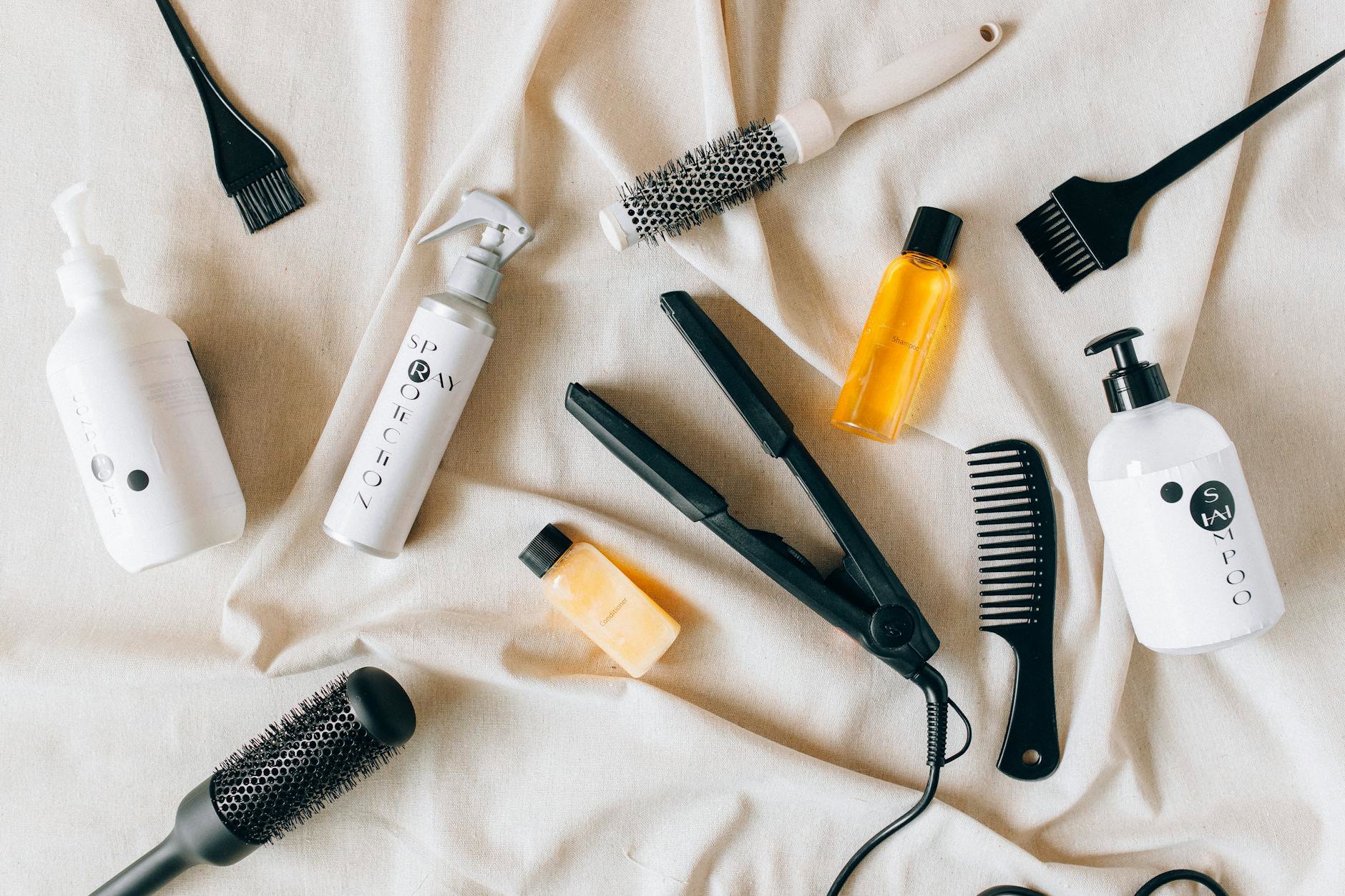
I felt my stomach drop when I read that nearly half of people would go into debt to keep their beauty routines after losing a job.
Not because I don’t get it. I do. When life wobbles, you reach for the things that make you feel like yourself. A familiar moisturiser. Your “I mean business” lipstick. The perfume that turns a grim Tuesday into a main-character walk to the bus stop.
But debt for beauty scares me, because beauty should be comfort, not a bill.
Why beauty spending gets emotional (fast)
Beauty sits in a weird place in our brains. It’s not only functional, like toothpaste. It’s also identity, ritual, and sometimes armour.
That’s why headlines about “budget reality checks” hit a nerve. When money tightens, we don’t only lose spending power. We lose small choices that make us feel in control.
I’ve also noticed how trend cycles speed this up. A tracker says “this is in”, TikTok says “you need it”, and suddenly you feel behind if you don’t own the newest tool, the newest peptide, the newest glass-skin primer.
Here’s the thing I keep coming back to: you can keep the pleasure and ditch the panic. You just need rules.
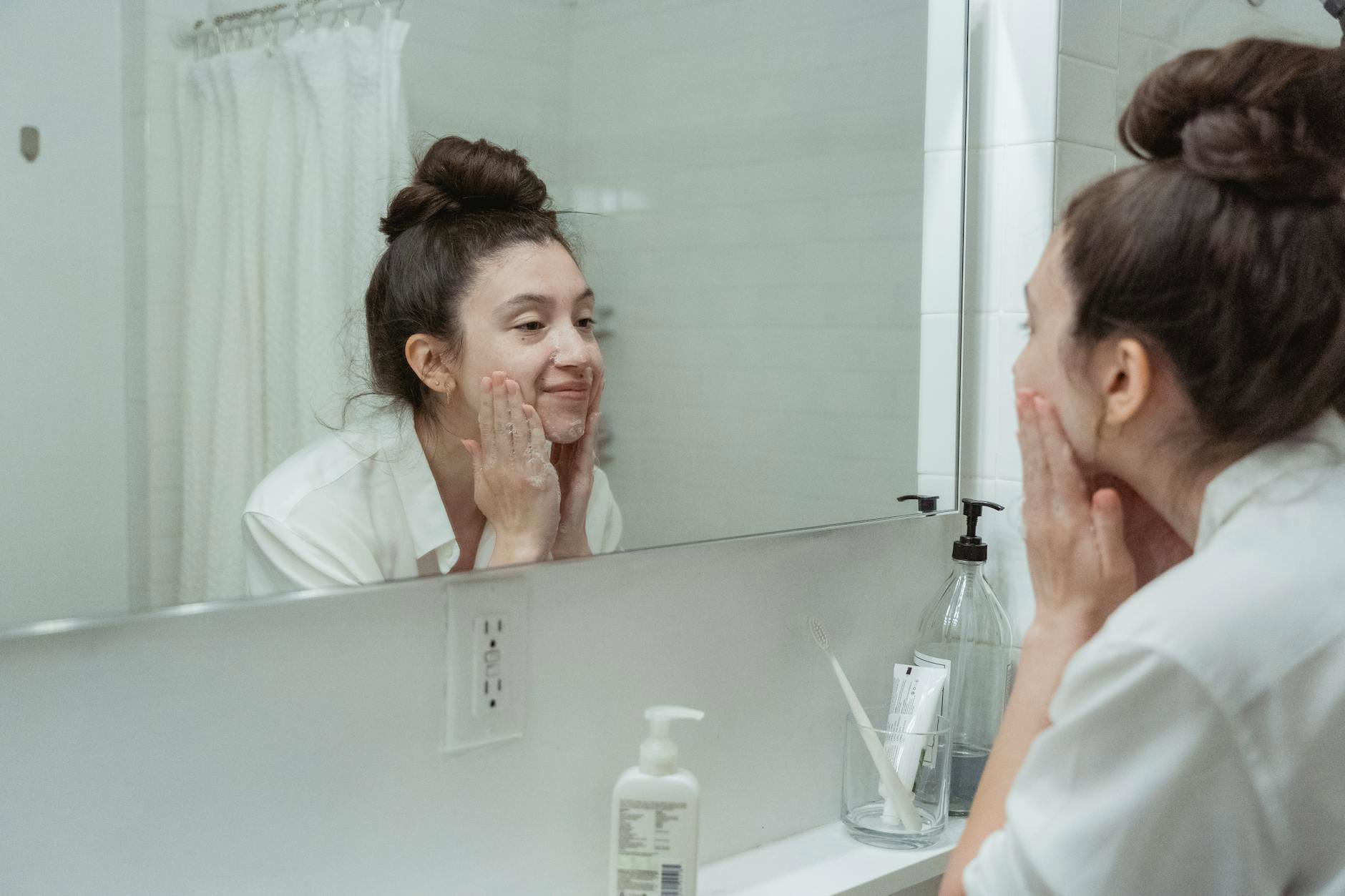
My “no-debt” beauty budget: the 4 pots that stop impulse buys
If you’re the kind of woman who opens Boots online “for shampoo” and somehow ends up with a basket full of trending extras, this is for you.
I split beauty into four pots. It sounds boring. It feels freeing.
- Pot 1: Non-negotiables (replace on time). Think cleanser, moisturiser, SPF, deodorant, toothpaste. If you use actives, this is where your retinoid goes.
- Pot 2: Results drivers (slow, steady upgrades). This is where I put one targeted serum or treatment at a time, like azelaic acid or a vitamin C.
- Pot 3: Pleasure (hair and fragrance live here). A hair mask you love. A perfume you spray for yourself.
- Pot 4: Play (trend testing). A new blush shade, a mascara, a fun polish. This pot has a hard cap.
I don’t attach fixed pound amounts here, because I won’t pretend your month looks like mine. I attach rules. Non-negotiables get replaced. Play waits for a deal or a freebie.
And when I’m tempted by a viral “must-have”, I ask one question: which pot is this? If it doesn’t fit, it doesn’t come home.
Skin first, but make it efficient: one active per problem
Preventive care keeps popping up in industry talk, and I get why. The best “anti-ageing” routine looks suspiciously like a calm, consistent routine that protects your barrier and uses proven actives.
If your skin feels unpredictable lately, I’d bet money you’re doing too much. Too many acids, too many “brightening” steps, too many actives layered because a trend told you to.
My approach: choose one active based on your main complaint, then keep the rest boring.
If your issue is breakouts and congestion
Look for salicylic acid (BHA). It’s oil-soluble, so it can get into pores and help shift the sticky mix of oil and dead skin that causes blockages.
Where I shop: Superdrug and Boots have solid options, and I also compare prices on GlamGeek when promos make a usually pricey formula suddenly sensible.
- Paula’s Choice Skin Perfecting 2% BHA Liquid Exfoliant (Cult Beauty/Space NK). Not cheap, but you use it slowly. If you only buy one “proper” exfoliant, this earns its place.
- The Ordinary Salicylic Acid 2% Solution (Boots). A simpler, cheaper way to test if BHA suits you.
Technique matters. Start 2–3 nights a week. Apply to dry skin after cleansing, then moisturiser. No scrubbing. No “tingle chasing”.
If your issue is redness, sensitivity, or post-spot marks
I love azelaic acid because it can help with redness, uneven tone, and breakouts, but it tends to feel gentler than a lot of acids.
- The Ordinary Azelaic Acid Suspension 10% (Boots). It has a silicone-y feel that sits nicely under moisturiser.
Keep your supporting cast simple: a mild Foam & Wash Cleanser, a plain moisturiser, and daily SPF Protection Products. That trio does more than most “12-step” routines.
SPF and moisturiser: where I spend, where I save
If money gets tight, I protect two steps like a dragon guarding treasure: moisturiser and SPF. Not because they need to be expensive. Because they need to be consistent.
SPF works best when you apply enough and reapply when you can. That means the formula has to feel good on your skin, or you’ll “forget”.
My value rule: I’d rather buy a comfortable, mid-priced SPF that I apply daily than a fancy one that I ration like perfume.
What to look for on the label
- High UVA protection (look for the UVA circle logo in the UK, or high PA ratings on some Asian SPFs).
- Humectants like glycerin or hyaluronic acid for comfort.
- Film formers (often found in water-resistant formulas) if you walk a lot, commute, or get sweaty.
- Fragrance-free if you react easily.
For moisturiser, I save happily. You want a mix of humectants (pull water in), emollients (smooth), and occlusives (reduce water loss). Ceramides help the barrier feel sturdier.
If you love a department store counter classic, I won’t talk you out of it. I just want you to know that a lot of the “comfort” you feel comes from texture and occlusives, not a mystical ingredient.
Browse Day Face Moisturisers and Night Face Moisturisers with a simple aim: one you’ll use generously, morning and night.
Haircare pleasure, not punishment: shine and bounce on a budget
When budgets get squeezed, hair often becomes the “I’ll deal with it later” category. Then you end up overusing heat because your hair won’t behave, which costs you more in the long run.
If your hair goes flat by lunch regardless of what you use, you don’t need a new £300 tool. You need smart cleansing and light conditioning.
I split hair into two profiles: scalp gets oily vs lengths feel dry. Many of us have both.
My simple routine for oily roots + dry ends
- Shampoo twice at the scalp, not the lengths. Choose from Moisturising & Nourishing Shampoos if your hair feels rough, but still focus product on the scalp.
- Condition only mid-lengths to ends. Use a lightweight option from Moisturising & Nourishing Conditioners.
- Mask once a week, but only if you need it. Look at Hair Masks and pick one with fatty alcohols and silicones if you want instant slip.
- Heat protect every time. If you’re the kind of person who leaves heat tools on all morning, you need this step like you need keys.
For a luxe treat that actually earns its price, I rate Kérastase masks when you can grab them on offer. For a cheaper thrill, L'Oréal does genuinely nice conditioning formulas that make hair feel expensive even when your bank app says otherwise.
And if you want one “high-tech” tool, I’d prioritise a decent hairdryer with good heat control over a drawer full of styling wands.
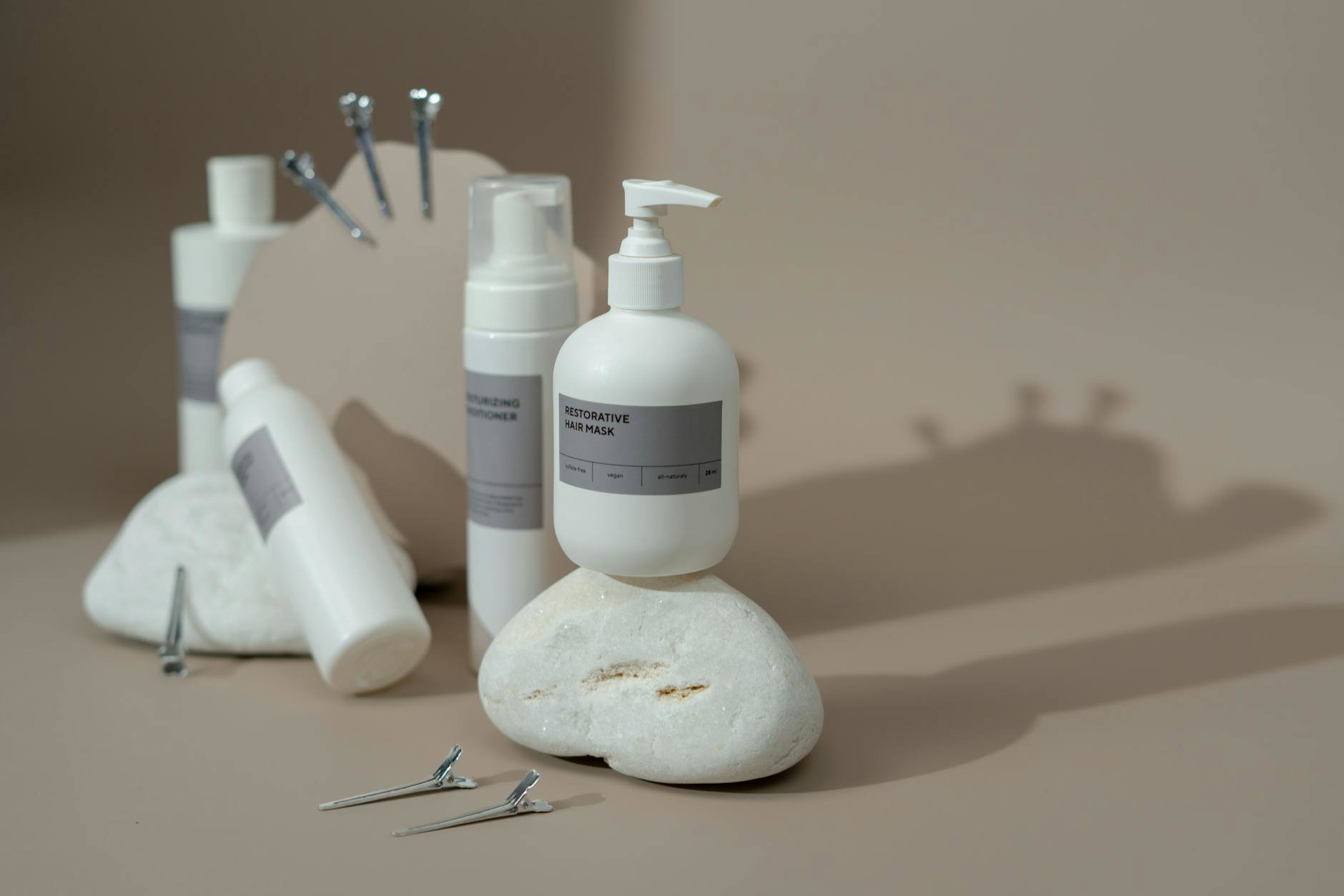
Fragrance and the ‘affordable indulgence’ trick
When people talk about “indulgence without impact”, I think of fragrance first. Not because perfume is essential. Because it’s pure pleasure, and pleasure matters when life feels heavy.
But you don’t need to buy a full bottle at full price to get that lift.
My favourite strategy: treat your fragrance wardrobe like a capsule. One daytime scent, one evening scent, and one comfort scent. That’s it.
How I buy perfume without overspending
- Start with 10ml travel sizes when available. They scratch the itch without committing to a 50ml you might tire of.
- Choose concentration based on your life. Eau de Toilette Perfumes suit office days and sensitive noses. Eau de Parfum Perfumes suit long days and cold weather.
- Spray clothes, not just skin (test first). Fabric holds scent longer. Scarves work brilliantly.
- Use matching body care if you already own it. A lightly scented Body Lotion under perfume can help it last.
I love browsing classics from Guerlain and Lancôme when I want that plush, “put together” feeling. When I want a cheap thrill, I look at Avon for accessible, wearable scents that don’t demand a special occasion.
One more thing: don’t sleep on hair mist. It’s often lighter, and it makes your hair smell delicious when you move.
Tools, AI and TikTok: the checklist I use before I buy
High-tech tools keep trending because they promise control. Smooth skin, snatched jaw, sculpted curls, salon shine. I’m not anti-tool. I’m anti-tool-as-a-personality.
If you’re tempted by LED masks, microcurrent, or “smart” devices, I run a checklist that protects my wallet.
- Will I use it twice a week for 12 weeks? If not, it’s clutter.
- Does it replace a paid service? If you currently pay for regular treatments, a tool might make sense.
- Does it have credible safety guidance? Clear contraindications, eye protection advice, and realistic usage schedules.
- Can I return it? Retailer return policies matter more than hype.
For most women, the best “tool upgrade” remains boring: a set of brushes that apply makeup faster and better. I always point people to Makeup Brushes & Applicators before I point them to gadgets.
And about TikTok hacks. Some work because they’re basic physics or basic skincare, repackaged. Many fail because they ignore skin biology. If a hack involves kitchen powders, stop. Your face isn’t a science fair.
Makeup that earns its keep: a tight edit that still feels fun
If you’re rebuilding a makeup bag on a budget, I’d rather you buy fewer products that you actually wear than chase a full face you never have time for.
I keep my “tight edit” to complexion, brows, lashes, and one lip. Then I add play items only when I finish something.
My practical capsule (with smart places to shop)
- Base: choose one Liquid Foundation or skin tint that matches your lifestyle. If you hate the feel of base, go for concealer-only.
- Concealer: a reliable Liquid & Cream Concealer makes you look more awake in 30 seconds.
- Mascara: replace often. I browse Mascaras and buy during Boots/Superdrug promos.
- One lip mood: a satin Lipstick or a comfy Lip Gloss that lives in your bag.
- Lip care: a proper Lip Balm so your lip colour behaves.
For genuinely fun colour without the price sting, I look at Revolution, NYX, and KIKO. For a one-and-done luxury treat that makes getting ready feel lush, I still love the glow of Charlotte Tilbury when you pick one product and commit.
My personal rule: I won’t buy a new palette until I’ve hit pan on at least one shade in the last one. Harsh. Effective.
Sustainability without the guilt spiral: what I actually look for
Packaging headlines can make you feel like every bottle in your bathroom is a moral failing. I refuse that energy.
I care about sustainability, but I care about honesty more. A recyclable cap means nothing if the product irritates your skin and you bin it half-full.
Here’s what I look for, in this order.
- Will I finish it? The greenest product is the one you use up.
- Refills that make sense. Some refills cost nearly as much as the full item. I compare prices and only buy when the maths works.
- Concentrates and bars if you like them. Great for reducing plastic, but only if you enjoy using them.
- Better materials where it matters. Newer packaging grades and clearer supply chain standards sound niche, but they can reduce waste at scale.
If you love body care rituals, I still rate browsing The Body Shop for that sensorial hit, especially when you can grab multipacks or seasonal offers. And if you want spa-coded calm at home, ESPA does that beautifully, as an occasional treat rather than a default.
One small, high-impact habit: keep a “finish box” in your bathroom. Anything nearly done goes in there. You’ll be shocked how quickly you create space without buying organisers.
What this means: keep the comfort, cut the pressure
If beauty news has you feeling whiplash, you’re not imagining it. Trends push faster, tools promise more, and budgets feel tighter. That mix makes overspending feel like self-preservation.
My takeaway stays simple. Build a routine that works on your worst week, not your best. That means fewer steps, repeat purchases you trust, and a small “play” allowance so you don’t feel deprived and then splurge.
Start with your non-negotiables: cleanser, moisturiser, SPF, and one active that targets your main issue. Then add pleasure back in deliberately, through haircare and fragrance, because those two categories give the biggest mood return per minute spent.
And if you feel the urge to buy because you feel anxious, pause. Put the product in your basket, close the tab, make a cup of tea, and see if you still want it tomorrow.
Sign-off: tell me what you’re keeping
If you had to cut your routine down to five products for three months, what would you keep?
I’d genuinely love to know, because the most useful beauty advice always starts with real life.


