I love an Oscars beauty moment as much as the next woman. But I also love my bank balance.
Every March, the red carpet kicks off a very specific kind of group chat energy: “What lipstick is that?” “How is her skin doing that?” “Why does my foundation look like toast by lunch?” And then we all sprint to Boots like we’ve been personally summoned.
Here’s my surprising fact, learned the hard way: the most expensive product in a routine often does the least visible work. The boring bits—prep, placement, and a couple of proven ingredients—do the heavy lifting.
Why Oscars beauty trends hit harder than regular trends
Oscars looks don’t trend because they’re wearable. They trend because they’re legible. You can spot “monochrome peach” or “glowy skin and brushed brows” on a phone screen in half a second.
That matters, because what reads well on camera often involves layers: skin tint over strategic concealer, cream blush under powder blush, lip liner under lipstick, and a setting spray misted like you’re watering a houseplant. If you copy the products without copying the structure, you end up with a makeup bag full of regret.
Also, the economics have changed. In the UK, drugstore pricing has crept up since 2020, while mini sizes and value sets have improved. GlamGeek’s price tracking shows the same product can swing wildly between retailers, and those swings make “budget” feel like a moving target.
So my angle for 2026: I’m not chasing a single celebrity look. I’m building a red-carpet system with high-street products, then choosing one or two places to splurge only if it truly pays off.
Start with the base: the drugstore foundation trick that makes it look expensive
If your foundation goes flat by lunch regardless of what you use, the problem often isn’t the formula. It’s the film you’re creating on top of your skin. Too thick, too matte, too much powder too early.
My favourite “looks like money” method uses less product than you think. I apply base only where I need it: centre of the face, around the nose, chin, and a touch on the forehead. Then I blend outward until it disappears into bare skin. The edges matter more than the coverage.
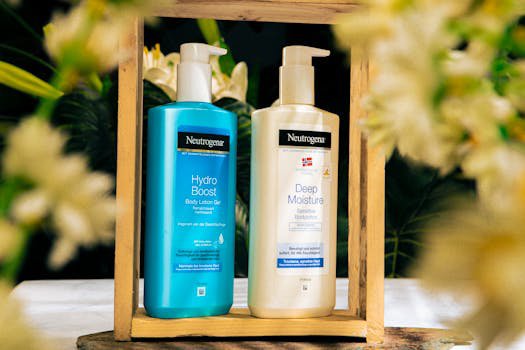
For the actual product, I trust classics I can find easily at Boots or Superdrug. L'Oréal True Match remains one of the most dependable for a skin-like finish, and it comes in a genuinely broad shade range for the high street. If you want more coverage but still want skin to look like skin, Estée Lauder Double Wear works brilliantly when you use half a pump and buff it thinly. I know it isn’t drugstore, but it earns its reputation when you treat it like a pigment, not a mask.
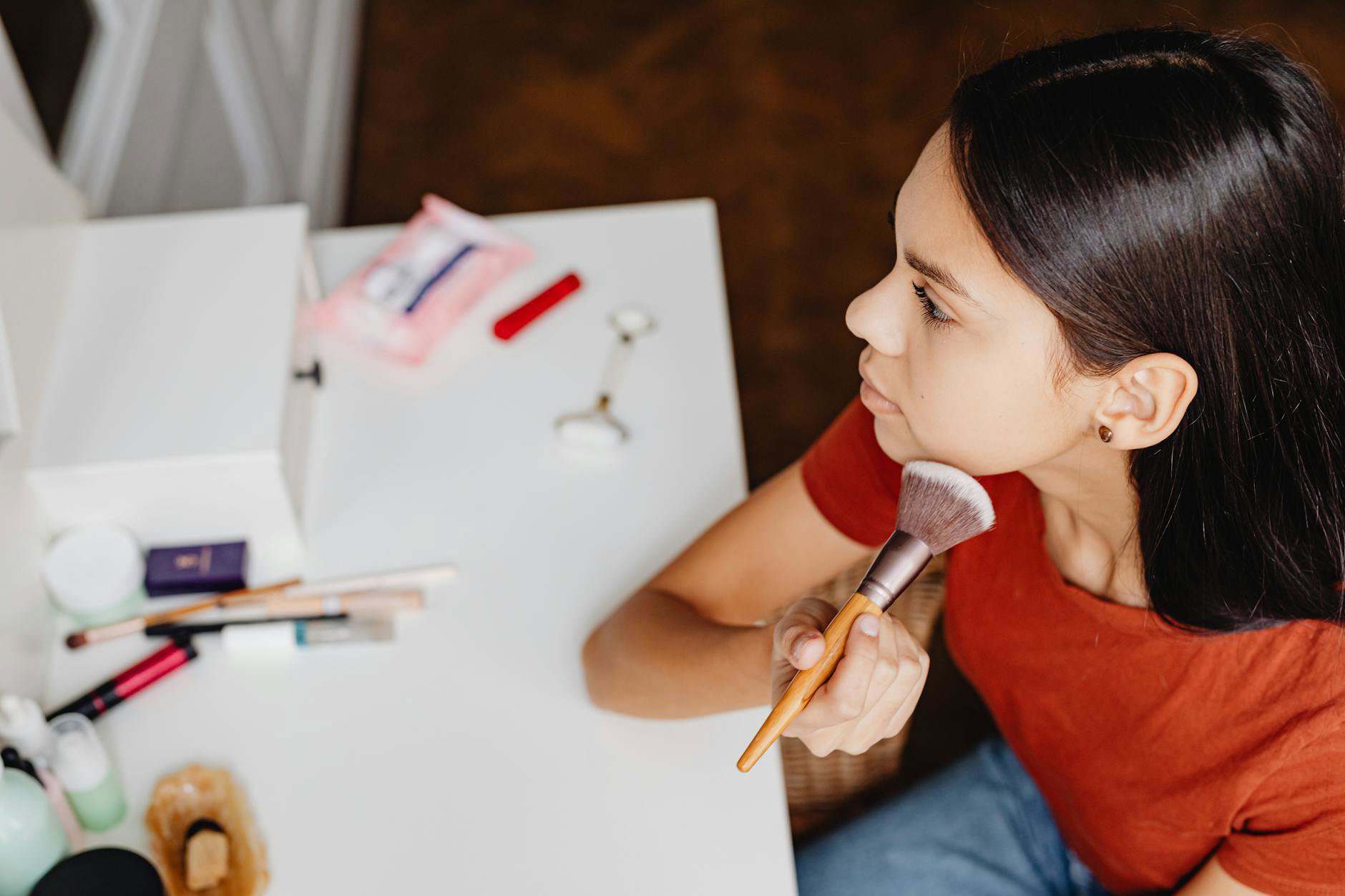
Tools matter here. A dense brush gives polish, while a damp sponge gives softness. If you’re building your kit, I’d rather you spend on Makeup Brushes & Applicators once than keep buying foundations you don’t finish.
One more trick: if you use a luminous primer under a dewy foundation, you can tip into “slippy.” If your base separates, swap the primer for a light moisturiser and let it settle for five minutes. Patience. Annoying, but effective.
Monochrome makeup without looking flat: choose one hero texture
Monochromatic makeup ruled the Oscars conversation for a reason. It looks cohesive, modern, and intentional. It also goes wrong fast when everything has the same finish.
My rule: pick one hero texture and let the rest support it. If you want glossy lips, keep cheeks satin. If you want a glassy cheek, keep lips softly matte. If you do shimmer on eyes, keep skin more velvety.
Here’s a practical, copy-at-home structure I use when I want that “celebrity makeup artist did this” vibe:
- Eyes: one mid-tone cream shadow blended up and out, then a tiny pop of shimmer only on the centre lid.
- Cheeks: cream blush tapped on with fingers, then a whisper of powder blush in the same colour family.
- Lips: liner first, then lipstick blotted, then a touch of balm just in the centre.
- Highlight: only on the high point of cheekbone and a dot on the inner corner.
For products, I like KIKO for wearable neutrals and glowy cheek options that don’t look glittery. If you want palettes, Eye Shadow Palettes from Revolution and Morphe often deliver the “one palette, whole face” convenience that monochrome makeup needs.
The key is tone-matching, not product-matching. A peach blush and a peach lipstick can still clash if one runs orange and the other runs pink. Swatch on your hand, then compare them in daylight. That saves you from a bathroom-light delusion.
Mascaras and lashes: the £12-ish swap that mimics a lash artist
If you’re the kind of person who always smudges mascara by 3pm, you don’t need a new eye cream. You need a tubing mascara or a better setting strategy.
Tubing mascaras form little polymer “tubes” around the lash, so they resist oils and humidity better than traditional waxy formulas. They remove with warm water and gentle pressure, which feels like witchcraft the first time you try it.
In UK high-street land, No7 Stay Perfect Mascara has long been a solid tubing option at Boots. When I want drama, I build two thin coats and comb through after the first. The comb-through step matters. It stops the spidery clumps that scream “I applied this in the car.”
If you love a false lash moment for nights out, keep it realistic. A full strip can look heavy in daylight. I prefer outer-corner clusters or half lashes from the False Lashes category, because they give that lifted after-party eye without swallowing your lid space.
And if you only do one thing: curl your lashes before mascara, not after. After is how lashes snap. I’ve done it. Once.
Skin that looks like “collagen”: what serums can and can’t do
Headlines love the phrase “more collagen.” I get why. It sounds like you can pour bounce back into your face like you’re topping up screen wash.
Topical skincare can’t inject collagen into the deeper dermis in the way in-clinic treatments can. But serums can improve the signals in skin: hydration, barrier support, and ingredients that encourage smoother texture and better elasticity over time.
Three ingredient families matter most if your goal is that plump, lit-from-within finish:
- Retinoids: help with texture, fine lines, and overall clarity. You need consistency, not chaos.
- Peptides: support skin’s appearance and can play nicely with sensitive routines.
- Humectants: glycerin and hyaluronic acid pull water into the upper layers, which makes makeup sit better.
- Niacinamide: helps with barrier support and oil regulation, which can reduce midday shine.
If you want a luxe serum experience, Shiseido and Lancôme do beautiful textures. I buy them for pleasure as much as performance. But I won’t pretend you need that to get results. For many women, the best value sits in the steady, unsexy basics: a retinoid you tolerate, a moisturiser you finish, and SPF you actually apply.
If you’re browsing, start with Anti Ageing Face Serums for retinoids and peptides, and use Day Face Serums for hydration layers under makeup.
The calm-skin trend: anti-inflammatory doesn’t mean “do more”
The “calm, clear skin” headlines usually send people straight to actives. Then they stack them: acids, retinoids, vitamin C, exfoliating toner, and a scrub for good measure.
That routine doesn’t calm anything. It just keeps your face busy.
If your skin flushes easily, stings with random products, or breaks out when you try to “fix” it, go back to a simple structure for two weeks:
- Cleanser: gentle, non-stripping. Look in Foam & Wash Cleansers.
- Moisturiser: a barrier-first formula. Use Day Face Moisturisers in the morning and Night Face Moisturisers at night if you like a richer texture.
- SPF: daily, even when it’s grey. Shop SPF Protection Products.
- One active: either a retinoid on alternate nights or a gentle exfoliant once a week.
For soothing ingredients, I look for centella asiatica, panthenol, colloidal oatmeal, and ceramides. Niacinamide can help too, but some women react to higher percentages, so I start low and slow.
If you want a treat that still behaves, I like the idea of a weekly Face Masks night, but pick hydration or barrier support over harsh tingles. Tingling doesn’t equal efficacy. It often equals irritation.
The order of skincare: the simple layering rule that stops pilling
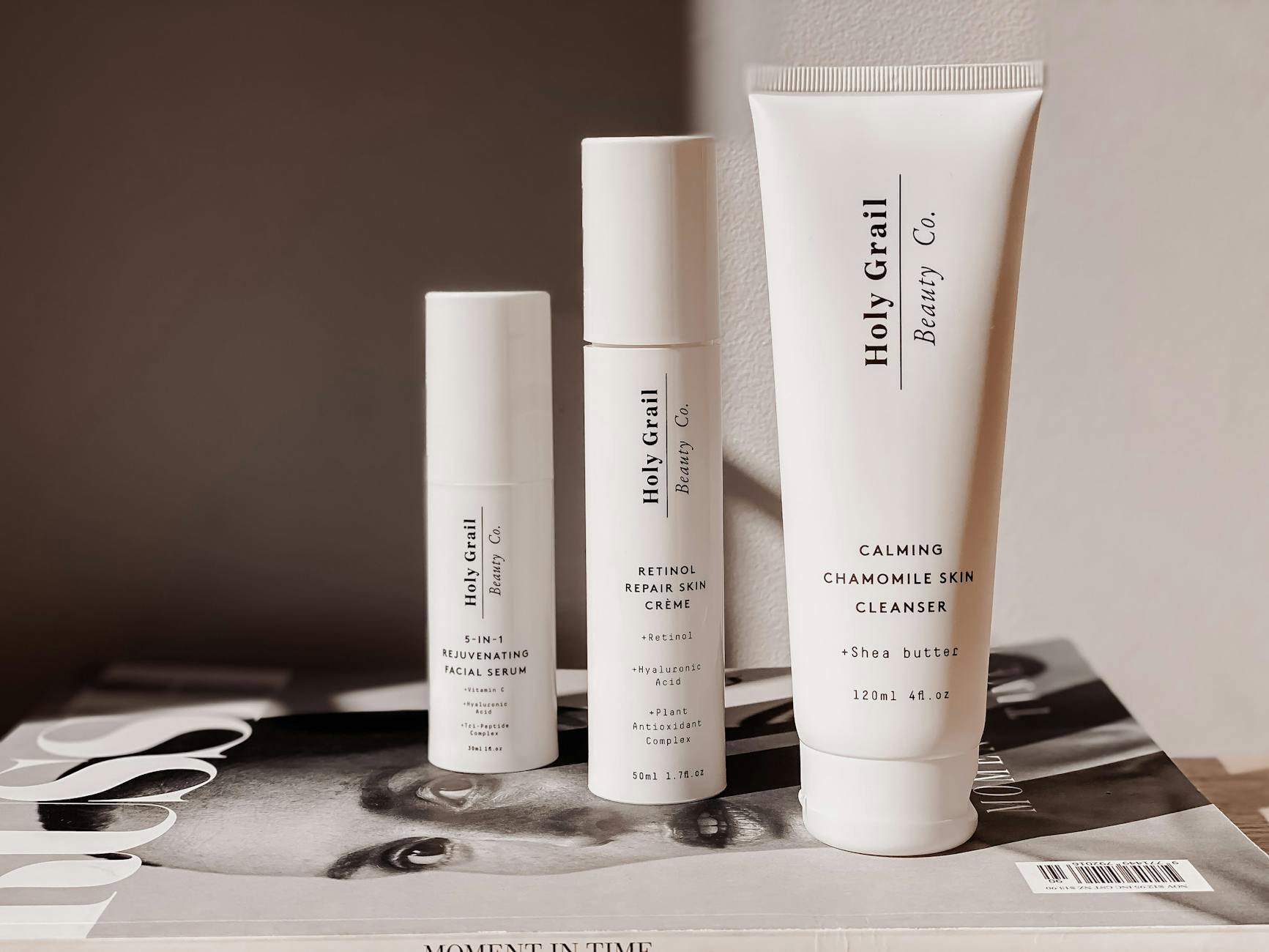
If you’ve ever applied skincare, then watched it ball up under your fingers like tiny eraser shavings, you’ve met pilling. It ruins makeup and your mood.
I follow one rule: water first, oils last. That’s it. You can complicate it, but you don’t need to.
Here’s a sensible morning order that works for most routines:
- Cleanse (or just rinse if you’re dry).
- Hydrating serum on damp skin.
- Treatment serum if you use one.
- Moisturiser.
- SPF.
Then I wait. Two minutes if I’m in a rush, five if I want my base to behave. If you apply foundation over wet SPF, you’ll get slip and patchiness. If you let SPF set, you get smoothness.
At night, I keep it even simpler: cleanse, moisturiser, and your chosen active. If you use retinoids, sandwiching can help. Moisturiser, retinoid, moisturiser. It reduces irritation without cancelling the effect.
And yes, you can still enjoy your fancy things. A beautiful cream from Clarins or Clinique can make night skincare feel like a ritual, not a chore. I just want you to place it correctly in the order so it actually does its job.
Where I’d spend vs save for that “celebrity look” polish
Budget beauty doesn’t mean buying the cheapest version of everything. It means paying for what shows, and saving where the difference stays invisible.
I save on: eyeliner, lip liner, powder blush, and brow pencils. High-street formulas have become reliably good, and you replace these often anyway. I also save on everyday body care like Shower Gels & Body Washes and basic Body Lotions, because I go through them quickly.
I spend (selectively) on: foundation if I struggle with longevity, and fragrance if I want the sensory joy. A well-made Eau de Parfum Perfumes can last years in a collection, so cost-per-wear can make sense. If you prefer lighter, a good Eau de Toilette Perfumes can feel fresher for spring and still give you that “put together” aura.
When I want a lipstick wardrobe without the price tag, I look at MAC for iconic shades and then fill the gaps with NYX or KIKO. For a special-occasion lip, Charlotte Tilbury does that blurred, polished finish, but I only buy when I know I’ll wear the shade weekly.
If you want the easiest “expensive” upgrade without buying a new base product, invest in prep. A good moisturiser, a patient SPF set time, and a light dusting of powder only where you crease. That’s what makes makeup look intentional.
Build a red-carpet capsule: the 10-product edit that covers most looks
If you keep buying products to copy each new celebrity photo, you’ll end up with five nearly-identical blushes and no plan. I prefer a capsule that adapts.
These are the categories I’d keep for maximum versatility:
- A skin-like foundation or skin tint.
- A high-coverage concealer for pinpoint correction from Liquid & Cream Concealers.
- A cream blush and a powder blush in the same tone family.
- A neutral eye palette.
- A brown eyeliner or shadow stick.
- A tubing mascara from Mascaras.
- A brow gel.
- A lip liner.
- Two lip options: one nude, one statement from Lipsticks or Lip Glosses.
- A setting spray.
If you want to shop smarter, look for curated Makeup Sets around spring launches and holiday periods. They often bundle the exact staples you need, and the cost-per-item drops.
For skincare, I like the same approach with Skin Care Sets. Minis help you test a retinoid or peptide cream without committing to a full size that might not suit you.
Small, deliberate wardrobes beat chaotic hauls. Every time.
What this means for your routine (and your wallet)
The headlines make it sound like you need new everything: a new foundation, a new mascara, a new “collagen” serum, a new calming ingredient, plus whatever lipstick trended on the after-party carpet.
You don’t. You need a system: base applied thinly, one hero texture for monochrome looks, lashes that don’t smudge, and skincare that supports makeup rather than fighting it. If you’re shopping, prioritise products you’ll use weekly, not products that only match one photo.
My practical takeaway: pick one look you genuinely wear in real life—glowy neutral, soft matte monochrome, or classic liner and lip—then buy to support that. GlamGeek’s price tracking shows you when staples dip, so you can stock up on your actual essentials rather than impulse-buying a “dupe” you won’t finish.
And please remember: red-carpet beauty looks effortless because a team created them. You can still get the vibe at home, but you’ll get it through technique and smart editing, not through chasing every launch.
Sign-off: tell me your most-wanted Oscars detail
Which red-carpet detail do you most want to copy this season—skin finish, blush placement, or that soft-focus lip?
If you tell me what you’re chasing (and where your makeup usually fails by midday), I’ll suggest a realistic high-street plan you’ll actually stick with.