
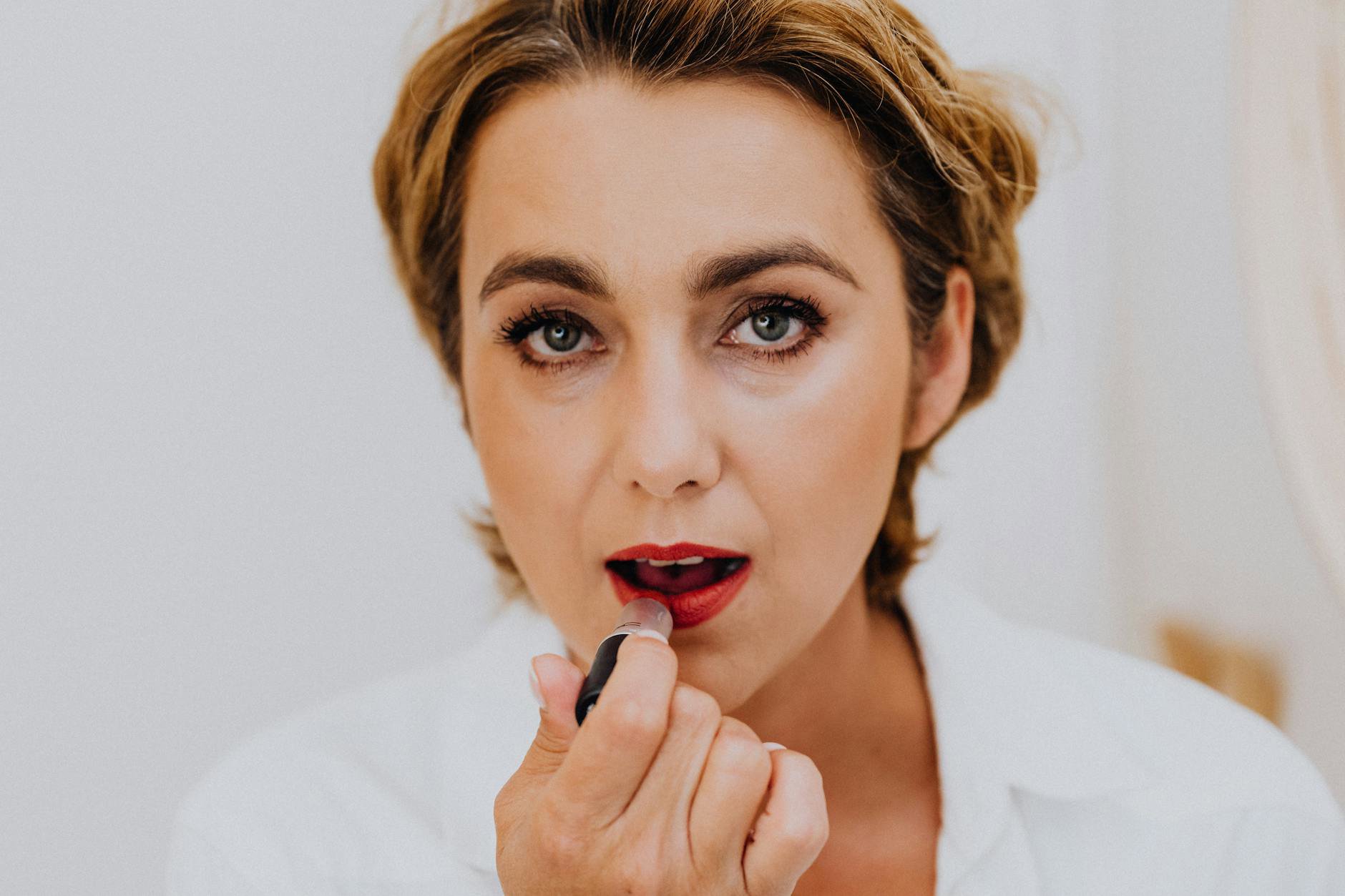
I love an Oscars beauty moment as much as the next woman. But I also know what a red carpet glow really is: great skin prep, smart textures, and lighting that forgives everything.
The surprising part? You can copy the effect without copying the price tags. Most “movie star skin” comes down to a few proven ingredients, used in the right order, at the right pace.
And if your skin gets cranky the second you look at a retinoid? Same. I built this routine for real faces: acne-prone, sensitive, oily-by-lunch, dry-around-the-mouth, and everything in between.
The red carpet glow is mostly prep (and timing)
Oscars week always triggers the same cycle: monochromatic makeup, glossy lips, sculpted brows, and that “how is her skin that smooth?” close-up. The secret isn’t one product. It’s consistency, plus a short window of extra-gentle polishing.
Here’s the timing most pros follow: they do the heavy lifting weeks ahead (retinoids, pigment control, barrier repair), then they coast into the event with hydration and calm. If you try to “fix everything” in 48 hours, you usually earn a breakout or a flaky patch right where your concealer needs to sit.
So I’m framing this like a plan you can start now, then repeat anytime you want that polished look—weddings, interviews, vacations, or just because you want your skin to behave.
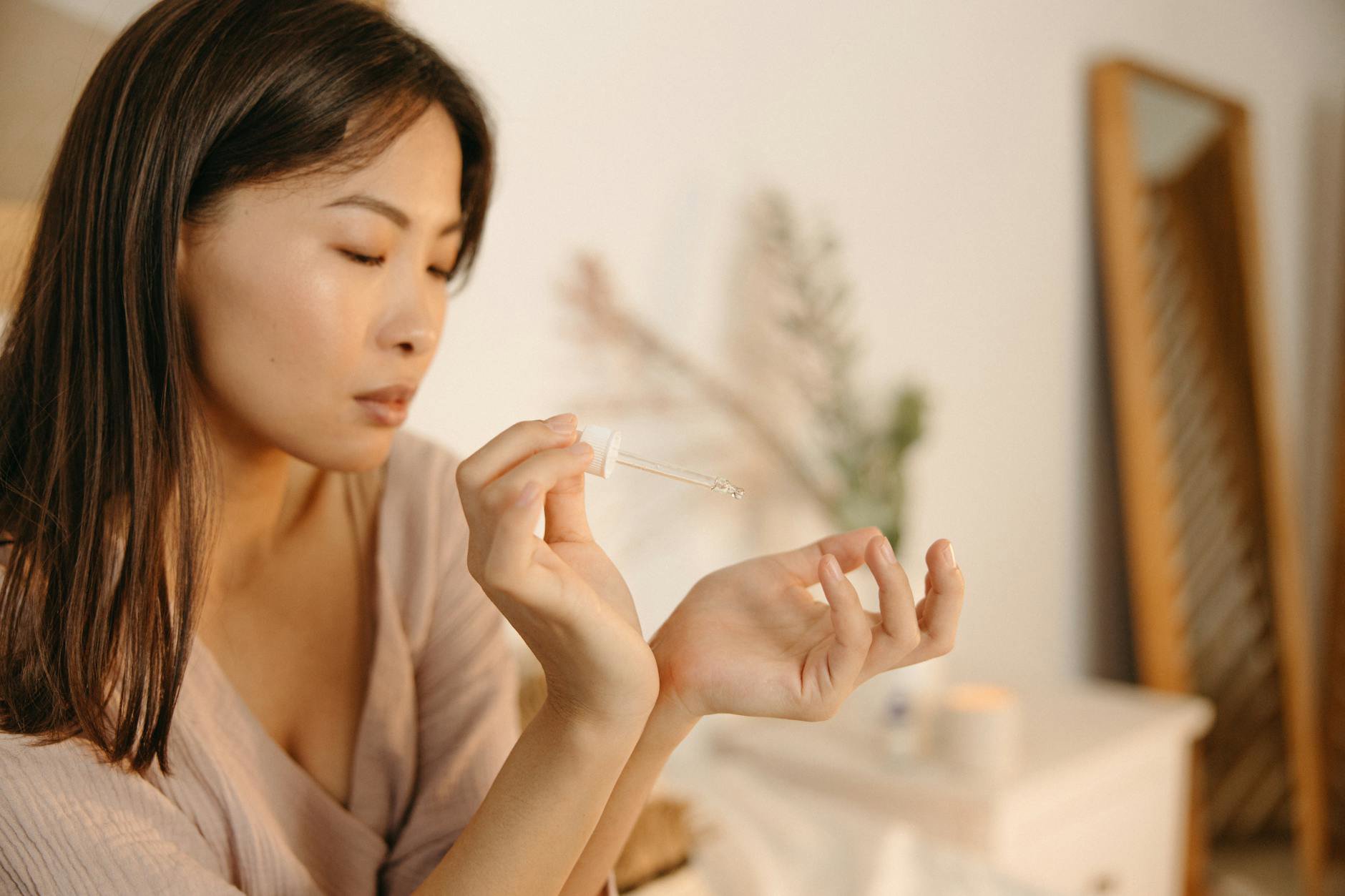
My non-negotiables: the 4-step base routine that makes everything else work
If you only do four things, do these. They show up in every dermatologist “proven ingredients” list for a reason, and they play well with almost any budget.
1) Cleanse without stripping. If your face feels squeaky, your cleanser went too far. For oily or combo skin, I like CeraVe Foaming Facial Cleanser. For dry or sensitive skin, CeraVe Hydrating Facial Cleanser or La Roche-Posay Toleriane Hydrating Gentle Cleanser works.
2) Treat with one active at a time. This is where women get burned—literally. Pick one “lead” active for the night (retinoid or exfoliant) and one for the morning (vitamin C or azelaic acid). If you stack five actives because TikTok said so, your barrier taps out.
3) Moisturize like you mean it. A basic, fragrance-free moisturizer makes actives tolerable. Vanicream Moisturizing Cream (the tub) looks boring and acts like a bodyguard. If you want something lighter, CeraVe PM Facial Moisturizing Lotion is an easy daily option.
4) Wear sunscreen every single morning. I don’t care if it’s cloudy. UV makes pigment darker, collagen weaker, and irritation harder to calm. If you need a shopping lane, start with SPF Protection Products and filter for SPF 30+.
Once these four steps feel automatic, adding peptides or “K-beauty serum magic” actually pays off.
Retinoids without the regret: how I’d start if you’re sensitive
Retinoids get headlines because they earn them. They help acne, texture, fine lines, and uneven tone by increasing cell turnover and supporting collagen signaling. The problem: they also irritate fast if you treat them like a sprint.
If you want the most effective option, prescription tretinoin wins. But you can still get real results over-the-counter with adapalene (Differin Gel) or retinal/retinol formulas. Differin often suits oily or acne-prone skin because it targets clogged pores well.
My practical starter plan looks like this:
- Weeks 1–2: Apply a pea-size amount two nights per week on dry skin.
- Weeks 3–4: Move to every other night if your skin stays calm.
- After that: Increase only if you stop peeling and stinging.
- Buffer if needed: Moisturizer first, retinoid second, moisturizer last.
A few real-world rules that save faces: don’t apply retinoids to damp skin, don’t take them onto the corners of your nose, and don’t “spot treat” flaky areas with more retinoid. That’s how you get red, shiny irritation that looks like acne but isn’t.
If you already use a retinoid and still flake under makeup, I’d rather you use it less often and look smooth than force nightly use and look textured. Consistency beats intensity.
Peptides vs collagen serums: what they can (and can’t) do
“More collagen” headlines sell serum, but here’s the plain-English truth: topical collagen molecules sit on the surface and act like a hydrator. They don’t march into your dermis and rebuild your face.
Peptides make more sense as a category. Some peptides act as messengers that support skin-repair pathways, and some help with hydration or barrier feel. They won’t replace retinoids or sunscreen, but they can make skin look bouncier and calmer over time—especially if you can’t tolerate stronger actives every night.
If you want a straightforward peptide pick, The Ordinary Multi-Peptide + HA Serum (formerly “Buffet”) stays popular because it layers easily under moisturizer. If you want a splurge, there’s a reason women keep repurchasing Estée Lauder Advanced Night Repair (it focuses on repair-supporting ingredients and hydration). You can track price swings on GlamGeek when you don’t want to pay full price for prestige staples like Estée Lauder.
How I use peptides in a routine:
- Morning under moisturizer and SPF when I want a smoother look.
- On “off nights” from retinoids to keep my skin from feeling tight.
- After a barrier wobble, when everything else stings.
- Under makeup when I want grip without heavy silicone.
Verdict: peptides are worth it if you treat them as support, not a miracle. Collagen serums? Fine as hydrators, but I won’t pay prestige money for them.
Vitamin C for glow: pick the right form or skip the drama
Vitamin C can brighten and help defend against pollution and UV-related oxidative stress. It also helps support collagen formation. But the form matters, and so does your tolerance.
L-ascorbic acid gives the classic brightening punch, but it irritates some women and oxidizes easily. If you love it, store it away from heat and light. If it turns dark orange or brown, it’s past its prime.
If your skin reacts, I’d rather you use a gentler derivative than quit entirely. Look for sodium ascorbyl phosphate, magnesium ascorbyl phosphate, or ascorbyl glucoside. They tend to feel less stingy, especially if you also use retinoids.
My routine advice stays simple:
- Use vitamin C in the morning, then moisturizer, then SPF.
- Start 3–4 mornings a week if you’re sensitive.
- Don’t stack it with strong acids in the same routine if you flush easily.
- If you want extra brightening, pair with niacinamide—either in the same formula or layered.
And yes, you can get glow without vitamin C. Azelaic acid can brighten too, and it often suits redness-prone skin better.
The calm-skin ingredient I reach for when everything feels inflamed
When “anti-inflammatory ingredient” headlines pop up, they usually point to one of a few usual suspects: colloidal oatmeal, centella asiatica, green tea, licorice root, or azelaic acid. I’m going to plant my flag on azelaic acid because it does a lot without picking fights.
Azelaic acid helps with redness, clogged pores, post-acne marks, and uneven tone. It also plays nicely with sensitive skin when you start slowly. If you deal with hormonal breakouts plus lingering marks, it’s one of my favorite two-birds-one-stone options.
You can go prescription (15% gel/foam) through a derm, or start over-the-counter around 10%. The Ordinary Azelaic Acid Suspension 10% has a silicone-y finish that can pill if you rub too hard. Paula’s Choice 10% Azelaic Acid Booster layers more elegantly, but it costs more.
How I’d use it without irritation:
- Use it on non-retinoid nights at first.
- Apply a thin layer, then moisturize.
- If you wear makeup, let it set for a full minute before primer.
- If you feel itching, reduce frequency. Don’t power through.
Verdict: if your skin runs red, reactive, or acne-prone, azelaic acid is worth it. It gives “calm glow,” which reads expensive on camera.
“Korean serum in one bottle” hype: what I actually look for
I love Korean skin care, but I don’t buy the idea that one serum replaces a full routine. A serum can stack several functions—hydration, soothing, brightening—but it can’t replace sunscreen, and it can’t outwork a harsh cleanser.
When I shop K-beauty serums, I look for three things: (1) hydration that doesn’t feel sticky, (2) barrier helpers like glycerin, panthenol, beta-glucan, ceramides, and (3) one clear “active story” that fits my routine. If it tries to do ten things, I assume it does none of them well.
Easy examples many women can find at Ulta, Sephora, or online: COSRX Advanced Snail 96 Mucin Power Essence for slip and hydration, Beauty of Joseon Glow Serum (propolis + niacinamide) for a balanced glow, and Laneige Cream Skin for a toner-moisturizer hybrid feel. If fragrance bothers you, check labels carefully—some K-beauty formulas smell stronger than you’d expect.
Where this matters for budget: a good hydrating serum can let you use a cheaper moisturizer and still feel comfortable. It can also reduce how much foundation you need, which saves money long-term.
If you want a GlamGeek browsing shortcut, start with Day Face Serums and filter by concerns like redness or dullness. Price tracking shows when staples dip, which helps if you stock up on a serum you actually finish.
Copy the Oscars makeup vibe with products you’ll use again
The Oscars trends this year leaned into two things I always support: monochrome color and a real lip. Both look intentional, and neither requires a pro kit.
For monochromatic makeup, pick one shade family and repeat it on eyes, cheeks, and lips. Cream products make this easier because you can tap them on with fingers and they melt together. If you want affordable picks, NYX has solid lip and cheek options, and Revolution does budget-friendly palettes and blushes that work for practice.
My step-by-step for the “polished but not fussy” version:
- Use a hydrating base, then a thin layer of foundation only where you need it. Start in the center of the face.
- Tap concealer under eyes and around the nose. Don’t drag it down your cheeks.
- Apply cream blush high on the cheek, then sweep a little over the bridge of the nose.
- Use the same blush shade on lids. Add mascara and a soft liner.
- Finish with a matching lip—either a stain, satin lipstick, or gloss.
About that red lipstick moment: red reads “done” even when you keep everything else minimal. If you want options, browse Lipsticks and decide based on undertone. Blue-reds look crisp; orange-reds look lively; deeper reds feel classic. If you hate transfer, blot once, then add a second thin layer.
Tools matter too. A damp sponge gives a softer finish; a dense brush gives more coverage. If you need to rebuild your kit, start in Makeup Brushes & Applicators and buy one good complexion brush instead of a giant set you won’t wash.
My 10-day “event skin” schedule (the no-surprises version)
If you have an event coming up, this is the schedule I trust because it avoids last-minute chaos. It assumes you already tolerate your core routine. If you don’t, keep it simpler and focus on calming and SPF.
Days 10–7: Keep retinoid nights steady. Add hydration. No new exfoliants. If you want a mask, choose something boring and soothing from Face Masks, not a peel.
Days 6–4: One gentle exfoliation if your skin handles it (think lactic acid or a mild AHA, not a strong peel). Then two nights of barrier repair: moisturizer, maybe a peptide serum, and done.
Days 3–2: Skip retinoids if you tend to peel. Focus on hydration and sleep. If you break out when stressed, use a small amount of benzoyl peroxide as a spot treatment only.
Day 1: Keep everything familiar. No new primer. No new setting spray. Use what you know won’t pill. If you shave your face or dermaplane, do it earlier in the week, not the night before.
Event day morning: Cleanse gently, hydrate, vitamin C or azelaic if you tolerate it, moisturize, SPF. Give your skin 10–15 minutes to settle before makeup.
This schedule sounds strict because it is. Predictable skin looks expensive.
What this means for your routine (and your wallet)
If you take one thing from Oscars beauty coverage, take this: you don’t need 17 steps. You need a plan that your skin can repeat without drama.
I’d put your money into the boring pillars first: a cleanser you’ll actually use, a retinoid you can tolerate, a moisturizer that stops tightness, and an SPF you won’t skip. Then add one “extra” based on your real problem—peptides for bounce, vitamin C for dullness, azelaic acid for redness and marks.
For shopping, I stay practical. Drugstore staples from Target and Ulta often outperform trendy launches. For prestige, I wait for sets, minis, or tracked price dips. GlamGeek’s price history helps you see whether a “deal” actually beats the usual sale cycle, especially for brands like Clinique and Charlotte Tilbury.
Sign-off: tell me your goal and I’ll help you simplify
Are you chasing glow, smoother texture, fewer breakouts, or makeup that stops sliding by noon?
Tell me your skin type, the actives you already use, and what your skin does by day two (oily, tight, flaky, fine). I’ll point you to the simplest upgrade that’s actually worth it.


