
Drugstore beauty has stopped behaving like “budget beauty.”
The headlines keep pushing the same message: drugstore eye creams, blushes, foundations, concealers, even “holy grail” swaps that supposedly beat prestige. We agree with the direction of that story, but not the lazy conclusion. In Canada, the real win isn’t finding a mythical dupe. It’s knowing where the drugstore now matches prestige, and where it still quietly loses—usually on shade range, wear on dry winter skin, or packaging that lets actives degrade.
So we’re committing to a specific take: save at the drugstore on colour and basic hydration, but be picky with treatment claims. If a product promises texture changes, pigmentation shifts, or firming, you need ingredient strength, stability, and consistency. That’s where the “just as good” narrative breaks down most often.
Canada’s drugstore boom is real (and it changed the math)
Canadian retailers now treat beauty like a destination category, not an aisle you speed-walk past. The New York Times headline about going in for cold medicine and leaving with beauty finds isn’t Canada-specific, but the behaviour maps perfectly to Shoppers Drug Mart’s strategy.
At the same time, prestige pricing in Canada keeps climbing. When US lists call a C$70 serum “mid-range,” Canadian shoppers feel that stretch harder, and not just because of exchange. We see it in our merchant feed patterns: when prestige prices tick up, drugstore brands don’t just sell more—they launch more “premium” sub-lines, especially in complexion and retinoids.
There’s also a Canadian retail shift worth watching: Rennaï’s move to national e-commerce signals that luxury is trying to reach beyond Toronto foot traffic. That won’t make drugstore irrelevant. It does raise the bar on what shoppers expect for service, samples, and curated selection.
For day-to-day shopping, the practical result stays the same: women want fewer disappointments. That means a framework.
Eye creams: the “tested” lists aren’t wrong, but they skip the mechanism
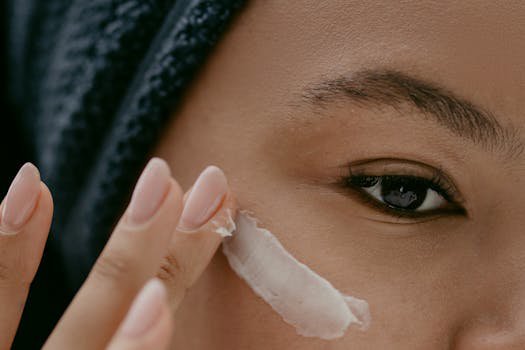
Multiple headlines in your list centre eye creams for dark circles. We won’t rehash the “best of” format. Instead, we’ll give the decision tree those articles often skip: dark circles don’t share one cause, and drugstore formulas only solve certain ones.
If your issue is blue/purple shadowing, you’re often seeing thin under-eye skin plus vessels. Topicals can only do so much. Your best drugstore strategy is cosmetic: a peach corrector plus a thin concealer layer. Look for lightweight, flexible formulas in the Liquid & Cream Concealers category, and avoid heavy matte finishes that crack in heated indoor air.
If your issue is brown pigmentation, that’s where skincare matters. You want brightening that behaves well near eyes: niacinamide, gentle vitamin C derivatives, and low-irritant hydrators. Drugstore can compete here, but only when the formula stays non-stinging and the packaging protects the ingredients. We’d sooner trust a well-formulated face product used carefully around the orbital bone than a random “eye cream” that relies on fragrance and mica.
If your issue is puffiness and morning swelling, caffeine and cold help. Drugstore eye gels do fine if they don’t contain denatured alcohol high on the list. Keep application minimal: rice-grain amount per eye, tap along the bone, then stop. Over-applying causes milia risk on many women.
Where we’d spend more: if you need a retinal/retinol eye product and you know your skin tolerates it, prestige tends to deliver better texture, less sting, and better pumps. If you’re shopping Canada-wide, check what’s actually stocked at Sephora Canada and what sits behind “US only” hype.
Retinol body lotions: smart for bumpy texture, risky for winter skin
Retinol body lotion testing headlines keep popping up because the category works—when women use it like a treatment, not like a casual moisturizer.
Body retinoids can help with rough texture and “bumpy” skin, but they create two Canada-specific problems. First: winter barrier stress. Indoor heating plus low humidity already drives transepidermal water loss. Add a retinoid, and a lot of women end up with itchy, tight skin that makes them quit before results show. Second: body surface area. Irritation can spread fast when you apply a strong active over thighs, arms, and back.
We like a two-lane approach:
- Texture lane: alternate nights of a retinoid lotion with a urea or lactic-acid body lotion. Urea hydrates and softens keratin without the same irritation pattern as retinoids.
- Barrier lane: on non-active nights, use a bland, fragrance-light Body Lotions formula and apply to damp skin right after the shower.
- Exposure lane: if you wear sleeveless tops in summer, treat arms like face: keep SPF in the mix.
- Friction lane: if bumps concentrate where clothing rubs, switch to softer fabrics and skip aggressive body scrubs.
Drugstore can deliver great basic body hydration. Where we stay sceptical: “firming” body lotions that lean on caffeine and marketing language. If you want visible change, you need consistent exfoliation, moisturization, and time.
If you already use facial retinoids, don’t assume your body tolerates the same pace. The skin on the neck, chest, and inner arms often reacts more than cheeks.
Blush and lipstick: this is where the drugstore genuinely wins
When Who What Wear calls out secret drugstore blushes, we get why. Blush performance depends less on expensive actives and more on pigments, binders, and finish. Drugstore brands can absolutely nail that.
In Canada, this category also benefits from frequent promos. Shoppers points events and rotating brand sales often make experimenting low-risk. The trick is to buy the format that survives our climate.
Powder blush stays the safest in deep winter because it layers over set base without slipping. If your cheeks look flaky, it’s not a “powder problem.” It’s a base prep problem. Smooth a thin layer of moisturizer, wait, then spot-conceal and set only the centre of the face.
Cream blush looks fresher in spring and summer, but it can grab onto dry patches in February. A practical technique: warm a tiny amount on the back of your hand, then press with a dense brush from the Makeup Brushes & Applicators category, and finish with a whisper of powder blush if you need longevity.
For lips, drugstore lip liners and satin bullets often compete shockingly well. We’d scan the Lipsticks category and focus on classic undertones. Cool rosy-mauves and neutral browns stay wearable through season shifts. If you want that “put-together in 30 seconds” effect, lipstick is one of the best places to save.
Where prestige still earns its keep: ultra-specific finishes (true blur-matte that doesn’t crust) and complex nude shade ranges. If you struggle with finding a nude that doesn’t turn grey, brands like Charlotte Tilbury and MAC often justify the spend for shade engineering alone.
Foundation in Canada: match the formula to winter air, not the hype
Allure’s “drugstore foundations that rival high-end” angle works best when women stop shopping by finish words and start shopping by film type: flexible vs rigid.
Cold weather plus indoor heat tends to punish rigid, high-matte longwear formulas. They set fast, then crack around the mouth and nostrils. If you want drugstore foundation to look expensive in January, look for “hydrating,” “serum,” or “skin tint” language and then verify in the ingredient list: humectants (glycerin), lightweight emollients, and fewer drying alcohols high up.
Here’s the technique we keep recommending because it fixes more “bad foundation” complaints than any new bottle:
- Prep with a thin layer of moisturizer and give it five minutes.
- Apply foundation only where you need it, starting at the centre.
- Use a damp sponge for dry areas and a brush for redness coverage.
- Set strategically: under eyes, sides of nose, and chin. Leave cheeks less powdered.
If you need smoothing, choose a primer that grips without drying. You’ll find plenty of options in Face Primers, but the rule stays simple: tacky, not chalky. A primer that feels “powdery” on contact tends to look worse by midday on dehydrated skin.
Shade matching matters more in Canada because store testers vary by location, and online shopping rises in winter. If you’re ordering online, pick undertone first (cool, warm, olive, neutral), then depth. Don’t chase the “one shade lighter for brightening” trick unless you also correct and bronze, or you’ll get a flat mask effect.
Concealer: stop buying for coverage and start buying for movement
Byrdie’s concealer lists make sense because drugstore concealer has improved quickly. Still, the number-one reason women hate concealer has nothing to do with coverage. It’s creasing.
Creasing happens when the formula dries down too hard for the amount of expression the area gets. Under-eye skin moves constantly. In Canadian winter, it also dehydrates fast. So we rate concealers higher when they stay flexible.
Two practical approaches:
For under-eye darkness: correct first, then use less concealer. A peach corrector neutralizes the colour so you can apply a thinner concealer layer. That reduces crease risk. Set with the smallest amount of powder you can manage, and press it in rather than sweeping.
For blemishes: do the opposite. Use a higher-coverage concealer just on the spot, let it sit for 20–30 seconds, then tap to blend edges. Don’t set with heavy powder unless the area gets shiny.
If you love a soft-glow base, pair it with a concealer that sets a little more, or you’ll chase slip all day. If you prefer matte foundation, choose a concealer with a touch more slip so the under-eye doesn’t look over-set.
Prestige is still worth considering when you need a large shade range across undertones, or when you want a true skin-like finish that avoids flashback in photos. Brands like Estée Lauder and Lancôme often do the boring fundamentals well.
Moisturizers and “mature skin”: don’t overpay for basic barrier work
The Strategist’s “best moisturizers for mature skin” framing often leads women straight into high price tags. We’d reframe it: most “mature skin” needs come down to barrier support plus comfortable texture.
Drugstore moisturizers can absolutely handle barrier basics when they include ceramides, cholesterol, fatty alcohols, glycerin, and petrolatum or dimethicone. Those ingredients don’t require luxury markups to work.
Where we’d spend more is specific and narrow:
- If you need an elegant texture that layers under makeup without pilling.
- If you react to common preservatives or fragrance and need a tightly edited formula.
- If you want a moisturizer that also delivers a proven active at a meaningful level.
- If packaging matters because the active degrades in jars.
In Canada’s dry season, don’t underestimate the “boring” step: applying moisturizer to slightly damp skin, then sealing with a small amount of occlusive on the driest areas. If you use a humidifier, you can often keep actives in your routine without triggering flaking.
If you’re shopping categories instead of brands, we’d browse Day Face Moisturisers for daytime layering and Night Face Moisturisers for richer options.
How to shop Canada like a pro: the “save vs spend” checklist
Women don’t need another list of products someone else “tested.” They need rules that hold up when shelves change, online stock shifts, and Canada gets the late launches.
Here’s the checklist we use when we decide if drugstore is worth it:
- Is it colour cosmetics? Save more often. Pigment and finish have caught up fast.
- Is it a treatment claim? Spend only if the ingredients and packaging support the claim.
- Will it sit near eyes? Prioritize low-irritant formulas. Skip heavy fragrance.
- Is shade matching hard for you? Consider buying that item at Sephora Canada for easier returns and undertone variety.
- Does winter ruin it? Choose flexible, hydrating films over hard-matte longwear.
- Can you buy it during points promos? In Canada, Shoppers points events effectively act like a discount if you shop there anyway.
Brand-wise, we see strong value from mass lines that invest in complexion and lip categories, plus select affordable brands that behave like mini-prestige. For accessible experimentation, Revolution and KIKO often deliver trend shades without the prestige price anxiety. For sensitive-skin basics, legacy brands like Clinique still earn their keep when you need low-drama formulas and consistent restocks.
We’d treat “dupe culture” as entertainment, not a shopping plan. The best buys aren’t identical copies. They’re the products that do their job cleanly, then get out of the way.
What this means for Canadian shoppers
Drugstore beauty has earned real trust in colour cosmetics and basic hydration. That’s the category shift the headlines reflect, and women should use it to protect their budgets.
But “rivaling high-end” depends on the product type. When a formula promises a biological change—smoother texture, firmer skin, lighter pigmentation—your decision should hinge on ingredient strength, packaging, and your ability to stick with it through Canadian winter dryness.
If you build your routine around that split, you’ll waste less money. You’ll also feel less whiplash when viral products sell out or never launch in Canada.
Which category are you most tempted to “save” on right now—foundation, concealer, blush, or treatment skincare? Tell us what you’re shopping for, and we’ll suggest a Canada-available short list and the right technique to make it perform.