Yes—anti-ageing eye creams can reduce the look of dark circles, but only when the product matches the cause of your circles.
Dark circles come from a few different drivers: pigment, visible blood vessels, shadowing from hollowness, and dryness that makes everything look worse. Eye cream can help with some of these. It cannot change your bone structure, permanently “erase” genetics, or replace sleep.
We built this guide around what our pricing and product data tends to show in Canada: eye creams sit in a wide range of textures and claims, but the results depend more on the right ingredient + consistent use than on the most expensive jar on the shelf.
The basics: what “dark circles” actually are
“Dark circles” gets used as one label for several different issues. That’s why one person swears an eye cream worked and another sees nothing.
Most under-eye darkness falls into four buckets:
- Vascular (blue/purple): thin skin shows blood vessels, plus congestion or allergies.
- Pigmented (brown/grey-brown): melanin, often genetic, sometimes worsened by rubbing or sun.
- Structural (shadowing): hollow tear troughs or puffiness that casts a shadow.
- Surface (dryness + texture): dehydration and fine lines make the area look dull and darker.
Anti-ageing eye creams target thinness, dryness, and fine lines best. Some formulas also target pigment or puffiness. Structural shadowing responds the least to topical products.
One practical test: stand in front of a mirror under strong overhead light. If the darkness changes a lot when you tilt your head, you likely have a shadow component. If it looks similar in all angles but shifts in colour, it’s more likely vascular or pigmented.
Canadian winter doesn’t help. Indoor heating + cold air often increases dehydration, which can make under-eye darkness look deeper. Barrier support matters here, even if your main concern is colour.
Which causes can eye cream improve—and which can’t
Eye cream can improve dark circles when it does one of three things: hydrates and plumps, brightens pigment, or reduces the look of vascular darkness by improving skin quality and calming irritation.
Hydration is the most reliable win. When the under-eye looks crepey, a richer anti-ageing formula can reduce the “greyed out” look by smoothing light reflection. You’ll see this fastest with classic firming-and-moisturising eye creams such as Clinique and Estée Lauder options from the anti-ageing eye cream category.
Pigment is trickier. Brown circles usually need brightening ingredients used consistently for months, plus daily sun protection (we cover SPF broadly under SPF Protection Products, but this guide stays focused on eye creams). If you rub your eyes due to allergies, pigment often persists until the rubbing stops.
Structural shadowing sits in its own lane. Topicals can soften the look by plumping and smoothing, but they cannot rebuild volume. If your “dark circle” is really a hollow, the best you can expect from eye cream is a more even, less tired-looking surface.
So what’s realistic?
- Fastest improvement: dryness-related darkness and fine lines (days to weeks).
- Medium: vascular darkness from irritation and thin-looking skin (weeks to a few months).
- Slowest: pigmented circles (often 8–16+ weeks, sometimes longer).
- Least responsive: hollowness/tear trough shadowing (limited topical change).
Ingredients that can help dark circles (and what to ignore)
Marketing loves “brightening.” The under-eye responds to a narrower set of ingredient jobs: hydrate, support barrier, improve the look of fine lines, and gently target uneven tone.
Hydrators + barrier support matter more than people expect. Look for humectants and emollients that keep water in the skin so light reflects evenly. This is where many anti-ageing eye creams from brands like Shiseido, Clarins, and Lancôme tend to position themselves: smoothing, cushioning textures aimed at fine lines and dryness.
Peptides often show up in anti-ageing eye creams. They don’t “fill” hollows, but they can support a firmer-looking surface over time. Think of this as a slow-burn improvement in how the skin handles stress and dehydration.
Retinoids can help fine lines and skin quality, which can reduce the look of darkness caused by thin, crepey skin. They also irritate easily in the eye area. If a formula stings, stop. Under-eye inflammation can make circles look worse.
Vitamin C and other brighteners can help pigmented circles, but only if your skin tolerates them. Many people do better with gentler brighteners and consistent hydration than with a strong active that triggers dryness.
What to ignore?
- “Instant erase” claims that read like makeup, not skincare. Eye cream can’t reliably create instant coverage.
- Extreme tightening promises. Temporary tightening can happen, but it often comes with dryness.
- Fragrance-heavy formulas if you’re prone to watery eyes or eczema. Irritation equals more darkness.
- Over-exfoliating acids near the eye. The margin for error stays small.
One more reality check: if your circles are mostly genetic pigment, a cream may improve the look but rarely removes it completely. That isn’t a failure; it’s biology.

Texture matters: gel vs cream vs balm for Canadian skin
Texture sounds like preference. It’s actually strategy.
Light gels suit puffiness-prone under-eyes and oilier skin. They feel cooler and layer well under concealer. If your circles look blue-purple and you also wake up puffy, a gel texture can help you stay consistent because it won’t feel heavy.
Classic creams suit most people, especially if you see fine lines when you smile or apply makeup. Creams reduce surface roughness and help stop concealer from cracking. In our Canadian retailer feeds, these textures dominate at Sephora Canada and department stores like The Bay, because they fit a wide range of skin types.
Balms and richer formulas make sense in winter, on mature skin, or if indoor heating dries you out. They can also help if you get “shadowy” darkness from dehydration and mild hollowness. Plumping changes how light hits the trough.
Layering matters too. If you already use richer products in your routine (for context, many people pair eye cream with Anti Ageing Face Creams), a heavy eye balm might feel like too much. On the flip side, if your under-eye feels tight by noon, a gel won’t cut it.
Simple rule: choose the lightest texture that keeps your under-eye comfortable all day. Comfortable skin looks brighter.
Product picks: anti-ageing eye creams worth considering in Canada
We only recommend products that sit in our anti-ageing eye cream tracking set. Availability and pricing can vary across Sephora Canada, Shoppers Drug Mart, Well.ca, and The Bay, so we focus on how to match a formula style to a concern.
For dryness-first dark circles (plus fine lines): look at classic, cushioning anti-ageing eye creams from Clinique and Estée Lauder. These typically suit people whose darkness looks worse after cleansing or makeup removal. The goal here is consistent plumping and a smoother surface.
For mature skin that wants a richer feel: higher-end options from Sisley and Guerlain often compete in the “luxury anti-ageing eye” lane. Our price tracking across Canadian merchants tends to show a meaningful premium in this tier, so we’d only go here if you already know you prefer richer textures and you’ll use it nightly.
For a balanced, everyday anti-ageing eye cream: brands like Shiseido, Lancôme, and Clarins sit in the middle-to-prestige range and usually offer textures that layer well under makeup. That matters if you want brightening-by-smoothing without a slippery finish.
For tighter budgets: keep an eye on L'Oréal and Garnier anti-ageing eye cream options. In our Canadian price feeds, these brands often show the biggest promo swings at Shoppers Drug Mart, which can make “good enough and consistent” the smartest choice.
For sensitive-leaning under-eyes: we’d typically steer readers toward simpler, less irritating anti-ageing eye creams and away from anything that triggers watering or stinging. If you react easily, patch test and introduce slowly, even with a prestige product.
One sentence we wish more shoppers heard: the best eye cream is the one you can apply twice daily without irritation. Consistency beats intensity.
How long results take (and how to tell if it’s working)
Eye cream results show up on different timelines depending on what you’re trying to change.
In 1–7 days, you can see improved comfort and less “ashy” darkness from dryness. Makeup sits better too. If nothing changes at all in a week, you may have a pigment or shadow problem, not a surface problem.
In 3–6 weeks, you can judge fine-line softening and overall smoothness. This is also when irritation shows up if a formula runs too active for you. If you see redness or scaling, stop and reset with a gentler anti-ageing eye cream texture.
In 8–16 weeks, you can start to assess tone improvements if your circles involve pigment. Take a photo in the same lighting every two weeks. Don’t rely on memory. Under-eye changes happen slowly and subtly.
Signs it’s working:
- Your under-eye looks more even in colour under the same light.
- Concealer creases less by midday.
- You need less product to look “awake.”
- The area feels calmer after cleansing and makeup removal.
Signs it’s not the right match:
- Stinging, watery eyes, or persistent redness.
- Tightness within an hour of applying.
- Milia-like bumps from a texture that’s too heavy for you.
- No change after 12 weeks for the concern you targeted.
Choosing the best anti-ageing eye cream for your circle type
Pick based on what you see in the mirror, not what the box promises.
If your circles look blue or purple
Prioritize soothing hydration and a texture that doesn’t trigger puffiness. Many people do well with mid-weight creams from Shiseido or Clarins, used consistently. If your circles worsen with allergies, reducing rubbing often matters as much as the cream.
If your circles look brown
Look for anti-ageing eye creams positioned around brightening plus long-term smoothing. Keep expectations measured: pigment rarely shifts fast. Consistency for 3+ months matters, and daily sun protection helps prevent rebound darkening (see SPF Protection Products for the broader category).
If your darkness looks like a shadow
Choose plumping hydration and a slightly richer texture, especially in winter. Prestige options from Lancôme and Estée Lauder often focus on smoothing and firming, which can soften the edge of a trough visually. But topical products won’t “fill” the hollow.
If you’re also dealing with fine lines
Anti-ageing eye creams that emphasise line-smoothing and barrier support can improve both concerns at once. This is the most common “two birds” scenario, and it’s why anti-ageing eye creams stay popular even when dark circles have multiple causes.
Still unsure? Go with a comfortable, non-irritating classic cream and track changes for 8–12 weeks before switching. Rapid product hopping makes it hard to learn what your skin responds to.
Practical tips: how to apply eye cream for dark circles
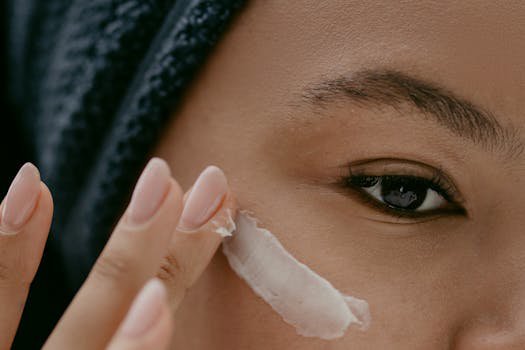
Technique changes outcomes. Under-eye skin reacts when you tug, rub, or over-apply.
Use this simple routine:
- Amount: a rice-grain per eye. More often leads to migration and irritation.
- Placement: dot along the orbital bone, not right up to the lash line.
- Motion: press and tap with the ring finger. No dragging.
- Timing: apply on slightly damp skin, then wait 2–3 minutes before makeup.
Cold helps puffiness, which can reduce shadowing. Store your eye cream in a cool place if you like the feel. Don’t freeze it.
In Canadian winter, consider a “sandwich” approach at night: apply your anti-ageing eye cream, let it set, then add a tiny second layer only where you get creasing. Keep it minimal. Heavy layers can trigger milia in some skin types.
If your routine includes other anti-ageing steps (many readers pair eye care with Anti Ageing Face Serums), introduce one change at a time. When irritation shows up, you’ll know what caused it.
What we’d do when shopping: a quick checklist
Price doesn’t guarantee results, but it does change the stakes. Our price tracking often shows big swings during promos at Shoppers Drug Mart and seasonal sets in the broader Skin Care Sets category, which can make a higher-tier eye cream easier to justify.
Before buying, check these boxes:
- Match the texture to your dryness level and climate.
- Avoid known irritants if you have watery eyes or eczema.
- Commit to 8–12 weeks for anything tone-related.
- Buy where returns are realistic (Sephora Canada policies often help here).
- Don’t double up harsh actives around the eyes.
- Track photos in the same lighting.
One more thing. If you mainly want coverage, no eye cream will replace the effect of makeup—but a smoothing eye cream can make any concealer look better, which often reads as “brighter” in real life.
Which type of dark circles are you dealing with—blue/purple, brown, or mostly shadow? If you share that (and whether you get dryness or puffiness), we can point you to the most sensible anti-ageing eye cream lane to shop in Canada.