Our fragrance price tracker flags an odd pattern every summer: women replace favourite scents faster after heatwaves and cross-country trips. Not because tastes change overnight, but because bottles turn before they should. Fresh top notes flatten. Citrus goes sour. Florals brown in the bottle. It’s preventable.
Eau de Parfum likes calm conditions. Light, heat and oxygen don’t play nice with aromatic compounds. Store it well and a bottle can keep its character for years. Store it on a sunny vanity and you can cut that lifespan in half without noticing until it’s too late.
We wrote this for Canadian realities. That means windows with big daylight swings, radiators and forced-air heating in winter, and humid, hot snaps in July that turn handbags and cars into small ovens. Here’s how to keep your Eau de Parfum fresher, longer, with examples you can use tonight.
Context: what shortens the life of Eau de Parfum
Perfumers build Eau de Parfum with volatile top notes, a stable heart, and a base that anchors everything. Those delicate top notes—citrus, green facets, aromatics—oxidize first. Oxygen steals electrons from those molecules. The odour shifts fast, and the colour often deepens as compounds react.
Light does its own damage. UV breaks down aromatics, especially naturals. That’s why houses known for heritage florals—think Guerlain or Estée Lauder—package many classics in heavier glass and sometimes tint it. The bottle isn’t just pretty. It shields what’s inside.
Heat speeds every unwanted reaction. A Canadian bathroom in January runs hot-dry with the fan on. A July road trip can leave a handbag sitting in a parked car that hits temperatures no perfume wants. Our data shows faster repurchase cycles after extreme weather spikes. The culprit usually isn’t sudden boredom. It’s storage.
{{IMAGE:perfume storage shelf woman}}The four enemies: light, heat, air and humidity
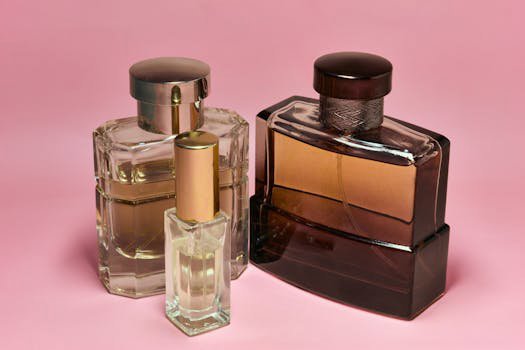
Light: Direct sun and strong indoor lighting degrade perfume. UV triggers photochemical reactions that shave brightness off top notes and can muddy whites into golden or amber tints. If your vanity sits near a window, that clear bottle turns into a tiny greenhouse.
Heat: Warmth pumps the gas pedal on oxidation and evaporation. It also builds pressure in atomisers, which can weep around the crimp if temperatures swing. Typical indoor comfort sits fine, but radiators, heated bathroom mirrors and hot water pipes raise microclimates you can’t see.
Air: Oxygen reacts with aromatic molecules, especially natural citruses and green notes. Every spray pulls fresh air into the bottle through the atomiser. More headspace equals more oxygen. Splash bottles with a screw cap invite even more exposure with every open-and-close.
Humidity: Moist air won’t get inside a sealed bottle, but it does promote condensation on cold glass that later dries and pulls dust. Humid bathrooms also stress labels, boxes and fabric-lined gift sets. If you keep the box, damp can warp it and loosen inserts that stabilise the bottle.
Home storage that actually works in Canada
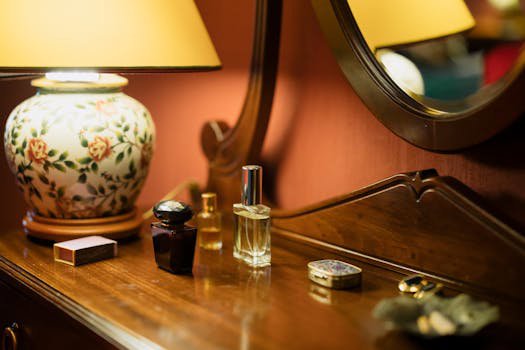
Skip the bathroom. Steam from daily showers, winter heating cycles and bright vanity lights make it the worst room for fragrance longevity. A bedroom wardrobe or a dresser drawer offers better conditions—cool, dark, and stable.
Keep the box. Packaging blocks UV and cushions temperature change. For display lovers, compromise with opaque shelves or a closed cabinet. If you insist on a tray, place it away from windows and radiators, then close blackout blinds during bright hours.
Use a drawer organiser. A shallow organiser keeps bottles upright, caps on, and light out. Add a small silica gel packet nearby if your home runs humid in summer. Don’t let silica touch the bottle directly; you’re managing the environment, not drying the fragrance.
Mind the radiator season. Canadian winters run long. Keep bottles at least a few feet from any heat source—baseboards, space heaters, heat registers and sunny window ledges. If your bedroom vents blast warm air, move perfume to the coolest closet shelf.
Bottles, atomisers and when to decant
Not all packaging protects equally. Opaque and tinted bottles shield better than clear crystal. Heavy glass insulates better than thin. Deep caps help block stray light, dust and minor evaporation. When you compare bottles from houses like Lancôme or Clinique, notice how many classics come boxed with snug inserts. Those inserts matter.
Atomiser vs splash: Atomisers keep hands out of the juice and minimise oxygen exchange. Splash bottles with screw tops invite more air in with every use. If you love a splash, consider transferring part of it into a high-quality atomiser for daily wear. Keep the main bottle closed and boxed.
Decanting tips: Work quickly and cleanly. Use a sterile syringe or a precision funnel. Choose glass travel atomisers with tight seals and dark walls. Label with the fragrance name and the date you decanted. Leave minimal headspace to reduce oxygen exposure. Don’t decant your entire 100 ml unless you plan to share. Decant what you’ll use in a few months and protect the rest.
Beware cheap atomisers. Poor crimps and loose seals can bleed pressure and introduce air. If an atomiser smells like plastic out of the box, let it air out before filling. Fragrance absorbs odours fast.
Should you refrigerate your Eau de Parfum?
The fridge debate splits fragrance fans. Cooling slows oxidation, but condensation and temperature shock introduce new risks. Here’s the practical view.
Pros: A consistent cool environment slows reactions that dull top notes. It also stabilises naturals-heavy compositions and vintage bottles you only wear for special evenings. If your home runs hot in summer, chill can help.
Cons: Kitchen fridges swing temperatures as doors open. They hold food odours, which permeate porous packaging and even some plastics. Condensation can form on bottles, then dry and pull dust inside the cap. Frost-free freezers actively dehydrate air—bad news for seals.
Best practice: If you must chill, use a dedicated beauty fridge set low and steady. Aim for cool, not cold. Let bottles rest at room temperature for 10–15 minutes before spraying to avoid performance drop from cold atomisation. Keep everything boxed to block light inside the fridge. And never freeze fragrance—ice crystals can separate components and crack glass.
{{IMAGE:travel perfume atomiser woman}}Seasonal rotation and the scent wardrobe
Many women build a fragrance wardrobe: citrus and water notes in summer, woods and ambers in winter, soft florals year-round. Rotation supports storage. Keep a small “current rotation” tray in a dark drawer and tuck off-season bottles deep in a closet, boxed and upright.
Label opening dates. A tiny sticker on the base with “Opened: MM/YY” helps you use older bottles first. When you open something, commit to wearing it for a stretch. Constantly sampling from ten open bottles increases oxygen exposure across the lot.
Strength matters. Eau de Parfum carries more oils than Eau de Toilette Perfumes, so it often holds up better in storage. Still, citrus-forward EDPs can fade quicker than resinous or musky EDTs. If you love bright top notes, work through those bottles sooner and store them with extra care.
Materials matter too. Naturals-heavy blends—think real citrus, delicate white florals, green galbanum—skew fragile. Ambroxan, cedar molecules and musks ride out time better. When you choose a big bottle, consider the formula’s stability along with your wear rate.
Travel proofing: from winter flights to summer road trips
Planes, trains and heated cars stress bottles. The goal is insulation and control.
Carry-on, not checked. Pressure and temperature swings hit luggage holds harder than cabins. Put fragrance in a padded case inside your personal item. Keep caps tight and sprayers locked if the bottle allows it.
Decant for trips. Move 5–10 ml into a quality atomiser per journey and leave the full bottle at home in its box. This limits risk and reduces headspace in the main bottle. For cross-Canada winter flights, cold isn’t your enemy—rapid warming on landing is. Let the travel spray come to room temperature before use.
Avoid car storage. Summer interiors heat up fast. Don’t leave bottles in the glovebox or centre console. In winter, the opposite swings can also stress seals. If you commute or run errands, carry a travel spray in a zipped pouch and bring it inside with you.
Hotel hacks. Draw the blackout curtains and stash perfume in a closet or drawer, not on the bathroom vanity under heat lamps. If the room has strong HVAC cycling, keep the bottle boxed in your luggage between wears.
How to spot a turning scent—and when to let go
Two things tell the truth: sight and smell. Colour that shifts from pale straw to deep amber signals oxidation. A once-clear juice that turns hazy or shows sediment needs caution. A sour, vinegar-like edge, a burnt lemon facet in citruses, or a plasticky twang often marks top-note breakdown.
Not all change equals failure. Some amber-heavy scents deepen slightly without losing beauty. Test on skin, not just a test strip. If the opening bites your nose but the heart smells fine, you can still enjoy it with a longer dry-down. If it smells stale or off all the way through, retire it.
Repurpose options exist. A fading scent can scent scarves or wardrobe shelves—never silk, which stains. You can also use a few sprays on cotton pads in drawer sachets. Fragrance is flammable, so keep it away from open flames and heaters.
Don’t dump turned perfume down the sink. Cap it and dispose according to local guidelines, or bring it to a hazardous household waste depot if your municipality offers one.
Layering and skin prep: make less do more
Longevity on skin isn’t just about the juice. Prepping skin keeps you from over-spritzing, so your bottle lasts longer with fewer oxygen pulls.
Hydrate first. Dry winter skin in Canada drinks perfume. Apply an unscented or matching body cream before fragrance to slow evaporation. Our users rate this trick highly across brands. Browse rich options in Body Creams or lighter textures in Body Lotions.
Match or neutral. If your fragrance line offers a body lotion—think sets from Lancôme or seasonal kits from Sephora Collection—use it to extend wear with fewer sprays. If not, choose unscented moisturisers to avoid clashes.
Targeted placement. Spray on pulse points where fabric won’t abrade: behind the ears, the base of the throat, inner elbows. A light mist through hair holds scent, but avoid heavy alcohol on bleached or very dry ends. For winter scarves, spray the lining, not the exposed fabric, and avoid silk and suede.
Buying smarter to get fresher stock
Fresh stock lasts longer. Choose retailers with fast turnover. In Canada that includes Sephora Canada, Shoppers Drug Mart, The Bay, Nordstrom Canada, Well.ca and Murale. Ask for a boxed bottle from the drawer, not the one sitting in a sunlit display.
Check batch codes. Many houses stamp a code you can verify. You don’t need to decode it on the spot, but knowing it exists helps you avoid tired shelf stock. If a box looks faded or dinged, pick a fresher one.
Mind the season. Heat-sensitive shipping can hurt summer orders if parcels sit in trucks all afternoon. If a launch hasn’t reached Canada and you’re tempted to import, weigh the wait. Our feed shows some US-first launches take weeks to appear north of the border. If the wait runs long and the route runs hot, patience can pay off with fresher local stock at arrival.
Grey-market caution. Bargains tempt, but those bottles may have sat in hot warehouses. With Eau de Parfum, storage history matters more than a small discount. Use our Eau de Parfum Perfumes category to compare listings from authorised retailers, add the one you want to your wishlist, and we’ll ping you when the price drops.
Right size, right now: minis, travel and backup rules
Buy what you’ll finish. Large bottles look good value, but only if you wear them often. If you rotate across several scents, 30–50 ml makes more sense than the biggest flagon. Keep backups boxed and sealed, and only open them when you finish the current bottle.
Opt for travel sets. Houses from Estée Lauder to Shiseido and MAC release discovery kits and purse sprays around gifting seasons. These let you wear a scent through different weather before committing to a full bottle. Discovery sizes also limit the oxygen exposure question because you finish them faster.
Mind duplication. If you love bright citrus and green florals, resist buying three near-identical bottles at once. Those notes turn fastest. Diversify into woods, musks or ambers that keep better, or stick to a single citrus you empty within a year.
Watch the cap and sprayer. A snug cap reduces slow evaporation and blocks dust. If a sprayer starts to dribble or hiss, don’t keep pressing. Wipe it clean. If the collar loosens, consider decanting the remaining juice into a sound atomiser.
Care for classics and naturals-forward scents
Some formulas deserve extra caution. Vintage bottles, natural extraits and white-floral bouquets can shift fast under stress. Keep them boxed, dark and cool. For special-occasion scents, decant a small amount to a travel atomiser for the season and leave the main bottle sealed the rest of the year.
For heritage florals from houses like Guerlain, look for opaque storage and steady temperatures. Don’t display crystal showpieces on sunny shelves, however tempting the bottle looks. The liquid matters more than the look.
If a perfume arrives already darker than expected, don’t panic. Some bases run warm in colour from day one. Judge by odour and clarity. If the scent opens bright and the liquid looks clear, store it well and enjoy it.
What this means: a simple plan you can follow
Here’s the system we rate for Canadian homes:
- Keep Eau de Parfum boxed, upright and away from light.
- Choose a cool closet or drawer, not a bathroom or windowsill.
- Store a small “in-use” rotation and archive the rest.
- Label bottles with opening dates and wear the oldest first.
- Decant travel amounts into good glass atomisers; keep main bottles sealed.
- Avoid cars and sunlit displays; buy from high-turnover retailers.
- Hydrate skin with Body Lotions or Body Creams to use fewer sprays.
- Compare listings in our Eau de Parfum Perfumes category, add favourites to your wishlist, and we’ll alert you when prices dip across Sephora Canada, Shoppers Drug Mart, The Bay, Nordstrom Canada, Well.ca and Murale.
Small habits add up. A darker shelf, a closed box, a smarter decant, a five-minute warm-up after the fridge—each step slows the slide from sparkling to stale. You protect the scent and your budget by finishing bottles, not binning them early.
One last note on trends and launches
New flankers and limited editions can tempt immediate display. Resist the urge to spotlight that pretty bottle in the sun. Keep launches boxed for the first months while you decide how often you wear them. If a hyped US launch hasn’t hit Canada yet, set a GlamGeek alert on the product page you want—brands from Charlotte Tilbury to Revolution move fragrance-adjacent sets and sometimes stagger availability. Our alerts save you from hot-weather imports and help you snap up stock when it lands locally.
Fragrance houses design for beauty on skin, not for window-display survival. Treat bottles like the delicate formulas they are. Your Eau de Parfum will smell closer to the day you fell for it, season after season.
Tell us how you store yours
What’s your current setup—boxed in a closet, or on show by a window? Would you try a beauty fridge for naturals-forward favourites? Add your go-to scents to your GlamGeek wishlist, compare options in our Eau de Parfum Perfumes category, and we’ll keep watch across Canadian retailers so you can focus on wearing what you love—fresh.