Our price tracker flags the same spike every summer and every wedding season: women hunt for long-wear lipstick that actually stays put. Queries for “transfer-proof” go up. So do orders for liners. The intent feels obvious. You want colour that survives coffee, commutes and canapés, without leaving a ring on every glass.
Brands promise wear that rivals paint. Real life throws you humidity, heatwaves, office air-con and fish and chips on a Friday. The right routine can bridge the gap. You don’t need a makeup artist. You need smart prep, the correct formula and a few unskippable steps.
We’ve tracked lipstick pricing and launches since 2010. Formulas have moved fast. The best of them stick, flex and fade with grace. Follow this, and you’ll keep your lip colour neat from school run to last train.
Why long-wear fails (and how the market changed)
Lipsticks fail for boring reasons. Oils break down pigment. Water swells product at the inner rim. Heat softens waxes. Dryness makes colour crack. You can fix each of those with the right combo of barrier, binder and technique. That’s the routine you’ll find below.
Across our merchant feed, we see more listings shout “transfer-proof”, “mask-proof” and “ink” than a decade ago. Liquid mattes still lead the claims. Flexible gels and stains now follow with better comfort. The 2020 mask years accelerated that shift. Retailers leaned into film-formers and powdery gels that cling without heavy wax.
UK climate shapes wear-time expectations. Damp mornings, heated offices from October to March, plus the odd 28°C week in July. Lips swing from parched to sweaty. You need hydration for comfort, but you can’t flood lips with oil if you want colour to grip. The best approach layers light moisture, then a stable base.
We see shoppers buy a liner with each long-wear bullet or liquid. That pairing makes sense. Liner stops migration, fills micro-lines and gives pigment something to hold. It also rescues a fading centre at 4pm. Build your routine around that logic and your colour lasts.
{{IMAGE:woman applying red lipstick}}Start the night before: smooth, then hydrate with purpose
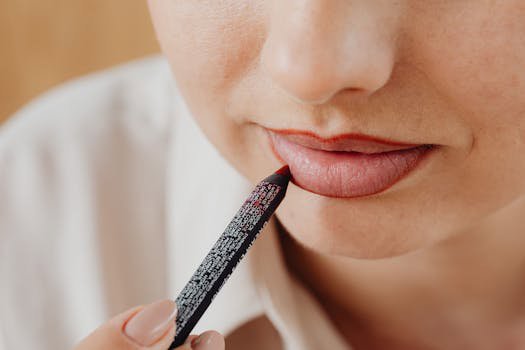
Colour clings to an even surface. Flakes ruin edges and cause patchy fade. Fix that before bed, not five minutes before you leave the house. Buff lips very gently with a warm flannel or a soft toothbrush. Avoid gritty scrubs if your lips chap easily. A minute of light polish beats a week of soreness.
Follow with a thin, occlusive balm. Look for petrolatum, lanolin or shea butter as the top ingredient. Keep it light. A thick coat can puff the lip line and leave residue that fights your lipstick in the morning. We rate overnight balms for winter radiators and summer flights. Check our Lip Balms & Creams category to compare textures and add a favourite to your wishlist for a price-drop ping.
In the morning, blot off residue. Then reload with a whisper of moisture, not a coat. A thin layer of balm, pressed in, gives comfort without slip. If your day includes back-to-back meetings and a working lunch, stash that balm for later. You can rescue a tight-feeling liquid matte without ruining the finish if you dab, don’t smear.
Pick the right formula for your day, not just your mood
Finish decides wear as much as colour. Matte formulas usually hold longest because wax and powder dominate. Liquids with film-formers and volatile carriers set to a shell that resists transfer. Classic bullets feel creamier but move more. Gloss and oils look lush but slip fast. Choose with your diary in mind.
For desk-to-dinner days, a modern liquid matte often wins. Look for isododecane high in the list and acrylates copolymer or trimethylsiloxysilicate. Those create a flexible film that locks in pigment. Many budget lines use the same chemistry as prestige. Check Revolution and KIKO for proof. Our tracker often spots their long-wear liquids at friendly prices across Boots and Superdrug.
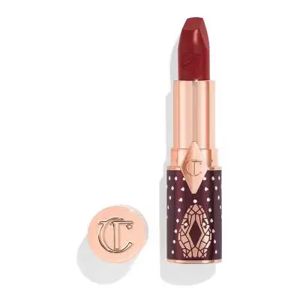
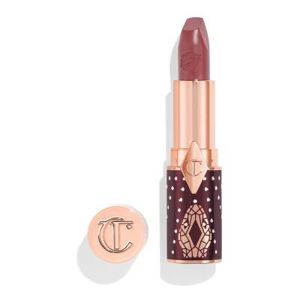
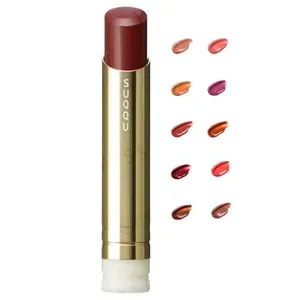
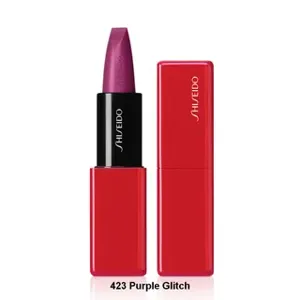
Prefer a bullet? Reach for thin, powdery mattes, not thick, creamy satins. MAC Retro Matte stays sharp. Charlotte Tilbury Matte Revolution balances comfort and grip. For stains that survive snacks, try gel-ink styles from houses like Lancôme or flexible powder mattes from Shiseido. Compare textures and reviews in our Lipsticks hub before you buy. Add shades to your wishlist to catch stock flips and promo drops at John Lewis, Space NK and Lookfantastic.
Avoid heavy balm tints if you need an all-day red. They look fresh at 9am. They vanish by noon. Keep them for low-stakes days or layer them as your comfort top-up over a stain base.
Build a base that grips: prime, perfect, and set
Great wear starts with a grippy surface. After you blot morning balm, tap a rice-grain of face primer around the lip line. Choose silicone-based textures that smooth without oil. You can shop Face Primers on GlamGeek and check which retailers list them cheapest this week. We track Boots, Superdrug, Space NK, Cult Beauty and Beauty Bay so you don’t have to.
Next, perfect the edges. Use a small brush and a tiny amount of creamy concealer around the perimeter. That step creates a clean boundary and stops feathering into fine lines. Reach for our edit of Liquid & Cream Concealers if you need a new one. Blot again. Keep layers thin. Thick base equals crumbly lips by 3pm.
Now set the stage. Press a single ply of tissue over lips. Dust translucent powder through the tissue. The tissue filter mutes excess oil without killing comfort. You now have a dry-to-the-touch surface that still feels like skin. That surface holds pigment better and buys you time when coffee hits.
Use lip liner like a pro: outline, then fill
Liner does more than draw a neat border. It anchors lipstick. It also buys you a softer fade when the centre wears down. Pick a pencil that matches your lipstick or sits a half-tone deeper. Avoid super-creamy textures if you fight feathering. You want a wax-weighted pencil that sets.
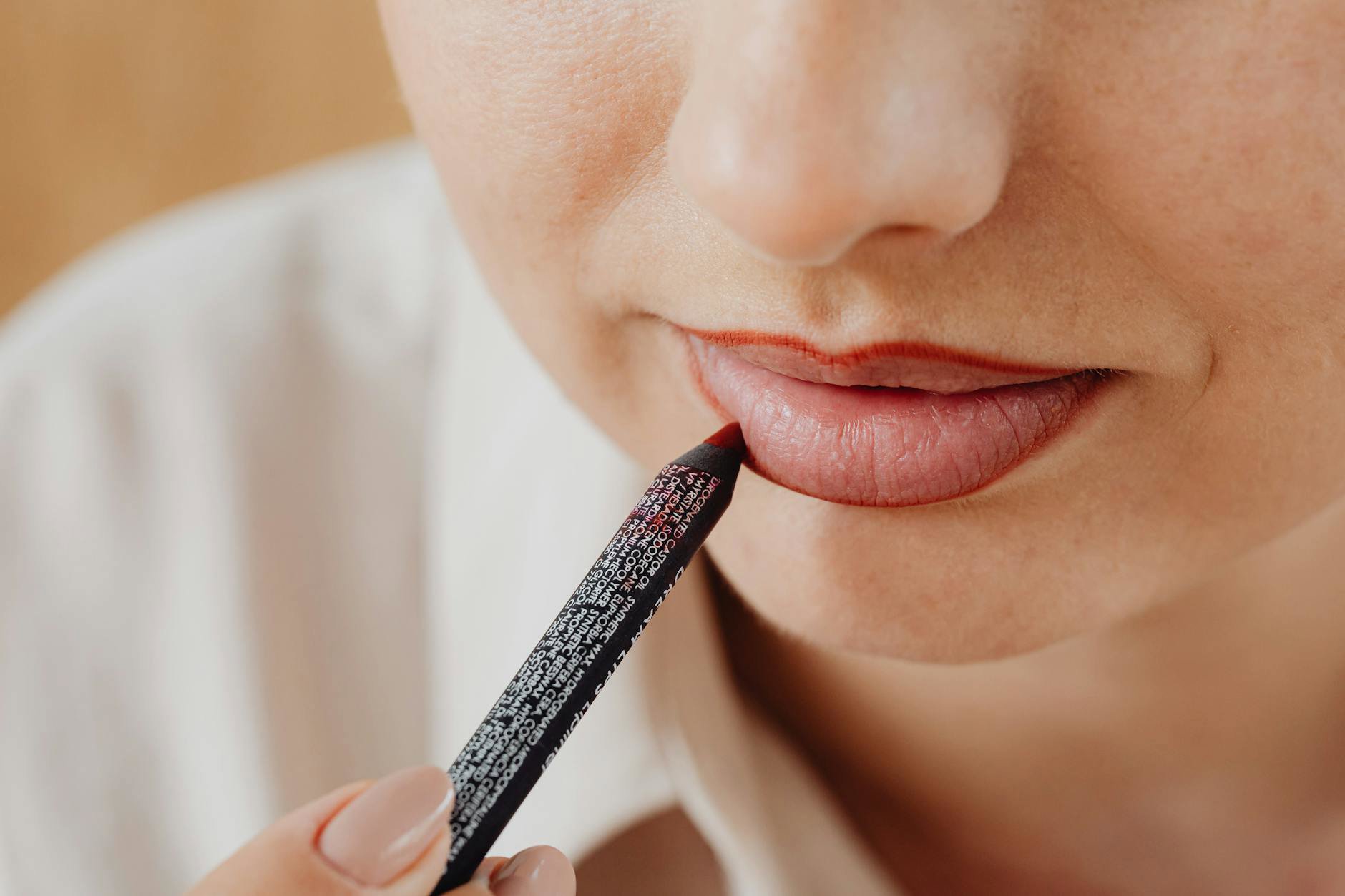
Outline first with light pressure. Sketch rather than drag. Focus on the Cupid’s bow and the corners because colour escapes there first. Then fill the whole lip with the same pencil. That layer acts as a matte stain and primes the bullet or liquid.
We rate budget pencils from KIKO and Revolution for daily use. They sharpen well and hold their point. For classic shades like Spice or Cherry, MAC lines cover you. Prestige liners from houses like Estée Lauder and Clinique also lock on. Keep one neutral nude in your bag for emergency rescues.
Layer the right way: thin coats, blot, repeat
Thick coats crack. Thin coats flex. That rule holds for every finish. Apply your first layer from centre to corner, then corner to centre. Use the bullet’s flat edge for the middle and the tip for edges. With liquids, work in quick, small strokes. Don’t rub lips together while it sets.
Blot with tissue. Not your sleeve. Press and lift. Then apply a second, thinner coat. For bright reds or deep berries, add a third whisper only if you see translucency. The blot in between removes carrier oils and leaves pigment behind. You build colour without bulk.
Use a brush for precision if your shade runs bold. A brush places less product and creates clean corners. Our Makeup Brushes & Applicators section lists options across budgets. Add the one you like to your wishlist and we’ll alert you when Space NK or Lookfantastic runs a promo.
{{IMAGE:lip swatches long-wear matte lipsticks}}Lock it in: powder-through-tissue and pinpoint cleanup
Once your final coat sets, lock it. Place a single tissue ply over lips again. Press translucent powder through the tissue with a puff or dense brush. The tissue diffuses the powder and avoids a chalky look. You fix pigment without turning your mouth into parchment.
Clean edges with concealer on a tiny flat brush. Tap, don’t swipe. That micro-correct runs neater than cotton buds and doesn’t smear colour into your foundation. If you spot micro-feathering at the outer corner, push a hint of clear wax pencil or a touch of primer there. You create a fence that colour can’t cross.
Want extra insurance for a champagne toast? After the powder-through-tissue step, tap the lightest veil of the same lipstick on the centre only. That top kiss of colour brings the life back without lifting the set surface. Skip gloss if you need transfer-resistance. Oil breaks films. If you insist on shine, use a non-oily topcoat and accept a bit of movement. You can browse non-sticky options in Lip Glosses and weigh comfort against wear.
Eat, drink, talk: how to keep colour through a busy day
Lunch ruins lip colour when oil or steam hits the inner rim. Tweak habits, and you’ll keep most of your lipstick intact. Blot before you eat. That step stops a creamy surface from melting into your food. Choose utensils and cups over flaky pastries and wide-rimmed mugs. Use a straw for iced coffee if you can. Sip from the edge, not the centre, for hot drinks.
Carry your liner and lipstick for a two-step rescue. At 3pm, trace the bow and corners with liner. Press a tissue to the centre to lift shine. Then tap lipstick just on the inner third. You revive colour where it faded without piling product on the edges. That method avoids a hard ring when you finally remove it.
If your day leans long, build a stain base under everything. Apply a thin coat of a gel-ink or a liquid matte. Blot. Then add your bullet. When the top layer wears, the stain keeps your mouth coloured and neat. It also saves you in humid Tube commutes and during August heatwaves.
Shade and finish choices that outlast real life
Bright reds expose mistakes. Get edges right and they look flawless for hours. Misjudge them and you’ll spot every wobble. Use the brush-and-concealer method for reds and berries. Keep your layers extra thin. A classic bright like MAC Ruby Woo or a balanced matte from Charlotte Tilbury won’t forgive drag-application. They reward patience.
Nude and MLBB shades forgive more. They blur as they fade. They also handle a slick of balm on top without obvious ringing. If you run a packed day with five meetings, choose a satin nude over a glossy brown. You’ll touch up faster and won’t worry about a red edge mid-call.
Office heating dries lips from October to March. Liquids feel tight by midday in that air. Build comfort into your plan. Choose a flexible matte bullet or a stain-plus-balm duo. Tap a fraction of balm on the inner lip only. Don’t smear across the border. You protect the film and calm the pull.
Ingredients that help (and a few to approach with care)
Long-wear liquids rely on volatile carriers like isododecane and cyclopentasiloxane. These evaporate after application. They leave a film-former network that traps pigment on your lips. Acrylates copolymer and trimethylsiloxysilicate build that network. Waxes thicken the mix. Silica and nylon powders diffuse light so the finish looks soft, not plastic.
Comfort comes from lightweight emollients that don’t flood the film. Look for dimethicone or hydrogenated polyisobutene rather than heavy plant oils. For bullets, check for high pigment and modern wax blends that set rather than smudge. Brands like Shiseido use micro-powders to create a cloud finish that still grips.
If fragrance irritates you, check the INCI before you buy. Cinnamon, peppermint and citrus can tingle and trigger dryness. That dryness shortens wear because flakes lift the film. Patch-test bold colours when you can. High pigment sometimes means more potential for sensitivity.
Product shortlist: formulas that consistently hold up
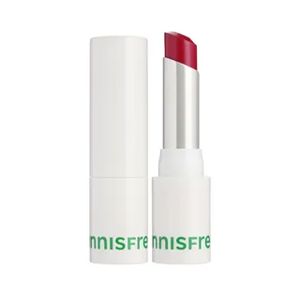
We rate a few families because they pair staying power with a decent feel. In liquid land, Sephora Collection Cream Lip Stain carries many shades and sets fast. L'Oréal Rouge Signature gives a thin ink feel that layers well. KIKO Unlimited Double Touch offers a two-step system with a glossy topcoat when you crave shine but still want wear. For budget bullets, Revolution and KIKO deliver punchy mattes that don’t crumble.
For prestige bullets, MAC Retro Matte holds a line like few others. Charlotte Tilbury Matte Revolution brings a softer matte that still grips. Clinique Pop Matte Lip Colour + Primer balances comfort with respectable wear. Lancôme offers gel-ink style liquids that stain without flaking. Compare swatches and user reviews on GlamGeek before you commit. Add your picks to your wishlist to catch promos at Boots, Superdrug and department stores.
We see frequent price-matching between John Lewis and Cult Beauty on colour staples. Space NK and Lookfantastic also run category-wide offers. Our price checker consolidates those changes. Use the comparison on each product page to avoid full RRP when a rival runs 15% off lip.
Removal that protects tomorrow’s wear-time
Removal shapes the next day’s application. Film-formers resist water. They dissolve when oil hits. Use a biphasic remover or an oil cleanser. Press, hold, then wipe. Don’t scrub. Avoid rough cotton pads. Microfibre cloths remove pigment fast with less friction.
After removal, treat lips like the rest of your face. Pat on a hydrating layer with glycerin or hyaluronic acid. Seal with a balm if the room runs dry. You’ll wake with a smooth surface that grabs tomorrow’s colour. That cycle matters more in heated months when central heating dries everything out.
Keep a weekday rhythm. Exfoliate lightly two or three nights a week. Hydrate every night. Go easy on heavy balms in the morning. Your lipstick will reward that discipline with fewer touch-ups and cleaner fades.
What this means for your makeup bag
You don’t need twenty lipsticks to get all-day wear. You need a system and a few specific tools. Keep one long-wear liquid for big days. Hold one flexible matte bullet for comfort. Add a matching liner, a neutral liner, a tiny brush and a reliable concealer. That kit covers office days, date nights and family lunches.
Buy texture, not just colour. Read the ingredients and finish description. Shop across retailers because shade availability shifts often. Our platform tracks stock and pricing across Boots, Superdrug, Space NK, John Lewis, Cult Beauty, Lookfantastic and Beauty Bay. Use the price comparison on each lipstick page and add your shade to a wishlist to catch a discount without constant refreshing.
Final checks before you head out
Do a 30-second mirror audit. Smile wide and check the inner rim. Press a tissue between lips one last time. Tap a hint more colour only where you see a gap. Slip your liner in your bag. That tiny pencil saves any look by late afternoon.
Know your trade-offs. Zero-transfer formulas resist kisses and coffee but can feel drier by 5pm. Flexible mattes move a hair more but feel kinder in heated rooms. Pick for the day you face. Follow the routine. Your lipstick will last as long as you need it to.
What this means
Long wear comes from choices you control. Smooth the surface. Keep moisture thin. Use liner to anchor edges and fill. Layer in sheer passes. Fix with powder through tissue. Touch up with intent, not habit. That plan shrinks smudging and spreads wear evenly rather than in patches.
Buy with a price plan as well as a shade plan. Use GlamGeek to compare across retailers and set wishlist alerts. You’ll spend less and still build a small set of lip products that work hard. That balance beats a drawer of near-duplicates that slide off by noon.
Tell us what you tried
Which steps kept your colour on through coffee and dinner? Which formulas felt best in a heated office or on a humid commute? Share your go-to pairings and add your current favourites to your GlamGeek wishlist. We’ll watch the prices and ping you when one of the big retailers blinks.