When I saw the headline claiming Gen Z and Millennial women spend £6,648 a year on beauty and wellness trends, I didn’t feel judged.
I felt tired.
Not because women shouldn’t spend on beauty. I love beauty. I love the small luxury of a good hair day and the comfort of a familiar scent on my scarf. But I hate the idea that you need a four-figure annual budget to keep up with “the moment”.
So here’s my take: 2026 doesn’t need more products. It needs better buying rules. The kind that make your routine feel plush, look polished, and still leave money for actual life.
Why the “£6,648 a year” headline hits a nerve
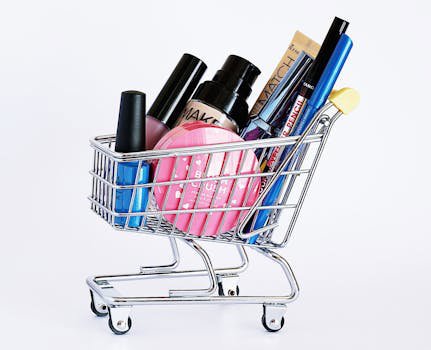
£6,648 a year works out at £554 a month. That’s a car payment. That’s a weekend away every month. That’s a lot of “just one more” purchases that never quite become favourites.
Those numbers usually bundle everything: hair appointments, nails, fragrance, supplements, gym classes, skin treatments, and the “wellness” bits that blur into lifestyle. I don’t doubt some women spend it. I also don’t doubt plenty of us feel pressured to spend like we do.
My rule: I only spend “trend money” when I can explain the value in one sentence. Not vibes. Not hype. Value.
Example. If I buy a £10 brow gel that I use daily for 4 months, that’s about 8p a day. If I buy a £28 one that performs the same, I’m paying for branding, not brows.
The 2026 “expensive-looking” makeup trick: texture, not price
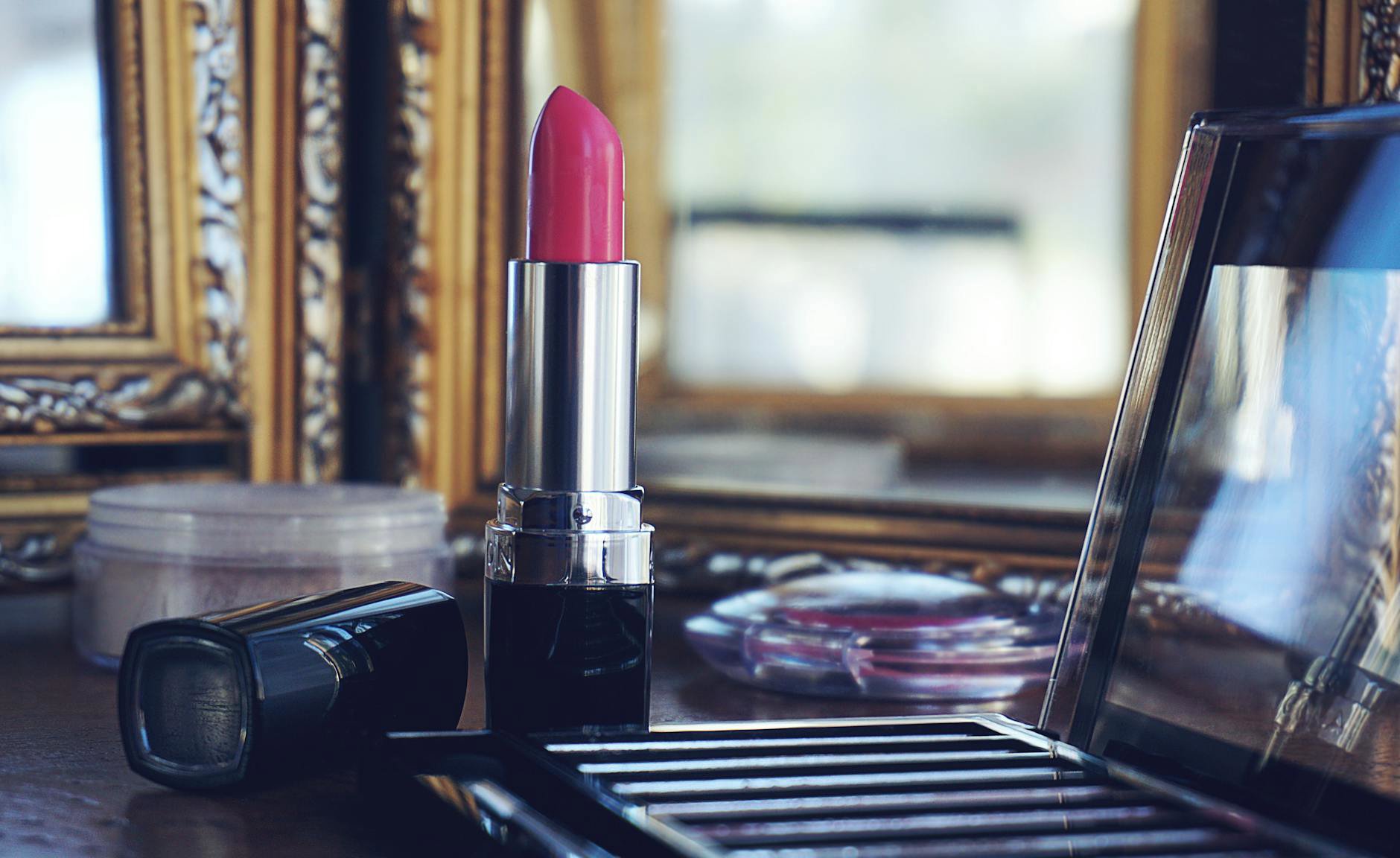
The Guardian-style “looks pricey but isn’t” edit always lands on the same truth: makeup looks expensive when the finish looks intentional. Not when the logo does.
If your base separates by lunch, it doesn’t matter if you used Charlotte Tilbury or Revolution. The issue usually sits in prep and layers. Too much powder. Too matte too soon. Or skincare that never fully sets.
Here’s my step-by-step for “I slept eight hours” skin, even when I didn’t:
- Hydrate lightly (especially around the mouth). Give it 2 minutes.
- Use a tacky primer only where you fade. Think sides of nose and chin. A full face of grip can make foundation skid.
- Apply foundation in thin passes. One pump is often enough.
- Conceal last. You’ll use less, and it creases less.
- Powder only the shine zones. Press, don’t sweep.
- Finish with a mist to melt powder into skin.
Affordable products that nail the “soft-focus but skin-like” brief: L'Oréal True Match foundation (a UK classic for a reason) and NYX setting sprays when you need your makeup to survive a commute and an overheated office.
Want the luxury option that earns its keep? I still rate Estée Lauder Double Wear when you need long wear and you don’t want to think about touch-ups. I just don’t pretend everyone needs it on a random Tuesday.
Skincare trends I actually keep: barrier first, actives second
“Preventive care” headlines make it sound like you need a cupboard of actives. You don’t. You need consistency and a barrier that can tolerate your ambitions.
When women tell me their routine “stopped working”, it often means their skin barrier got cranky. Too many exfoliants. Too much retinol too fast. Cleansing like they’re trying to erase a personality.
Here’s the ingredient cheat sheet I use, written like a human:
- Ceramides: the mortar between your skin cells. They reduce dryness and help stop that tight feeling after cleansing.
- Glycerin: a water magnet. It makes skin feel bouncy without heaviness.
- Niacinamide: supports barrier function and helps with uneven tone. Great, but don’t stack it in five products if you flush easily.
- Urea: underrated for rough texture. It hydrates and gently softens.
If you want a routine that behaves, build it around a cleanser, a moisturiser, and SPF Protection Products. Then add one active. Just one.
Where I like to save: cleanser and basic moisturiser. Where I’ll spend if needed: sunscreen texture (because if you hate it, you won’t wear it) and a targeted serum from the Anti Ageing Face Serums category if you have a specific goal.
Dupes, “alternatives”, and when to pay for the original
I enjoy a dupe moment as much as anyone. But I don’t treat “dupe” as a moral category. I treat it as a performance test.
In makeup, the “original” often wins on shade range, undertones, and how it wears over time. In skincare, the “original” sometimes wins on delivery system and elegance. In fragrance, the “original” wins on structure and dry-down complexity.
My rules for choosing:
- Pay for the original if the cheaper option irritates your skin, oxidises weirdly, or disappears within two hours.
- Buy the alternative if the finish matches and the wear time matches. Branding doesn’t count as performance.
- Split the difference by shopping minis or sets. I love Skin Care Sets for testing without committing to full sizes.
- Don’t chase “identical”. Aim for “gives me the same compliment”.
If you live in makeup and you want that editorial polish, I’d rather you buy one excellent lipstick and one excellent base product than six “nearly” items. MAC remains a smart spend for lip formulas that behave, while KIKO often delivers that creamy, wearable colour at a friendlier cost.
And if you’re the kind of woman who buys three “maybe” foundations a year? That adds up fast. Getting shade-matched once at Boots or John Lewis can save you more than any discount code.
Wellness-linked beauty I’ll co-sign (and what I skip)
The “self-care era” headlines often blur into pressure. A routine should support your life, not become another performance.
What I keep because it shows on my face: sleep, hydration, and stress downshifts that you’ll actually repeat. Not the fantasy version you do for four days in January.
My practical, low-spend list looks like this:
- A 10-minute earlier bedtime, not an entire new personality.
- A short evening shower with a comforting Shower Gels & Body Washes scent you love. You’ll sleep better when your nervous system unclenches.
- Body moisturiser by the towel. If it’s not within reach, I won’t do it. I like rich Body Lotions in winter and lighter ones in summer.
- A weekly scalp reset if you use dry shampoo or styling sprays. Product build-up can make hair look dull no matter what you do.
What I skip: expensive “beauty supplements” unless a GP has flagged a deficiency. I don’t outsource my wellbeing to a gummy. I’d rather spend that money on a haircut that makes me feel like myself again.
Sustainable beauty that isn’t just a pretty label
“Nature-positive” and “sustainability initiatives” sound grand, but I care about what changes in my bathroom.
Here’s what counts for me:
- Refills that are easy to buy where I already shop, like Boots, Superdrug, Space NK, John Lewis, or Cult Beauty.
- Packaging that reduces waste without making the product annoying to use.
- Formulas that stop me over-consuming. If something performs, I don’t keep hunting.
- Clear guidance on recycling parts like pumps and caps.
I like brands that pair pleasure with practicality. The Body Shop has long leaned into refill-style thinking in body care. And when bigger players like L'Oréal talk sustainability, I look for tangible actions: refill pouches, lighter packaging, and better recycling instructions.
Also, sustainability can mean buying fewer “backups”. GlamGeek’s price tracking shows when a product regularly drops, so you can wait for patterns instead of panic-buying at full price.
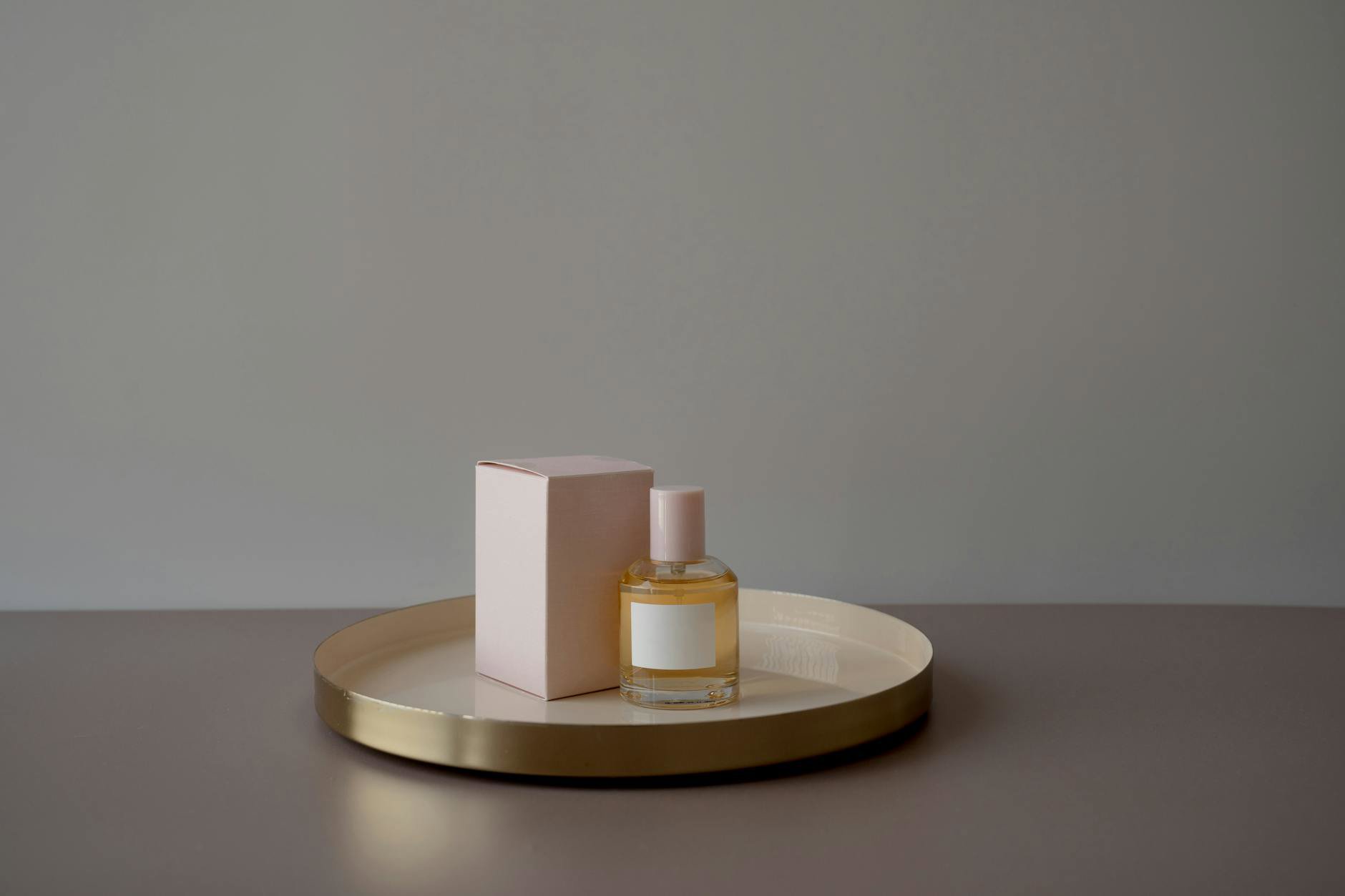
Fragrance in 2026: make it last without drowning in it
Perfume should feel like a pleasure, not an announcement.
When women tell me their fragrance “doesn’t last”, it often comes down to two things: dry skin and spraying into the air like it’s 2009. If you want longevity, you need a better landing pad.
My wear-longer routine:
- Moisturise first. Even a basic, unscented body cream helps scent cling.
- Spray closer than you think. Aim at pulse points from 10–15 cm away.
- Do one clothing spray on a scarf or coat lining. Test first, especially with delicate fabrics.
- Don’t rub wrists. You crush the top notes.
If you love a stronger scent profile, you’ll often get better wear from Eau de Parfum Perfumes than Eau de Toilette Perfumes. Not always, but often.
Where I like to spend: one signature bottle you adore, then keep a travel spray for your bag. Where I like to save: body mists and shower gels that echo your perfume’s vibe. Layering doesn’t need to mean buying an entire matching line.
Haircare value: stop buying “fixes” and start buying time
Haircare trends come and go, but the daily reality stays the same. Hair gets greasy at the roots. Ends get dry. Humidity ruins the plan.
If your hair looks flat by lunch regardless of what you use, check your conditioner placement. Most of us drift too close to the scalp. Keep conditioner from mid-lengths down, and use less than you think. Then rinse longer. Longer.
I also rate a weekly mask, but only if you use heat tools or colour your hair. Look for formulas with conditioning agents and oils, then use it like a treatment, not a quick swap. Towel-dry first, apply, clip up, and give it 10 minutes. You’ll get more from any Hair Masks that way.
Where I happily save: reliable supermarket staples in Moisturising & Nourishing Shampoos and Moisturising & Nourishing Conditioners. Where I sometimes spend: a targeted product that changes styling time. Kérastase earns its place for some women because it can cut down blow-dry effort. Time matters.
That’s my value metric for hair: if it saves me ten minutes three times a week, I can justify more than I can for a product that only smells nice.
My no-regret shopping system (so trends don’t drain your bank account)
I don’t ban myself from trends. I just put them on a leash.
Here’s the system I use when I feel the urge to buy something because TikTok, a headline, or a glossy flatlay made it look like the answer to my life:
- Make a two-list wish list: “replace” (I’m running out) and “extra” (pure want). I only buy from “extra” when I’ve finished something.
- Set a 48-hour pause for anything that isn’t a replacement. If I forget it, I didn’t need it.
- Price-check across retailers. Boots and Superdrug promos can change weekly, and Space NK sets can be better value than single items.
- Buy one category at a time. If I’m testing new Mascaras, I don’t also buy three new blushes.
- Track cost per use. A £25 foundation you wear 100 times costs 25p per wear. That’s often better than three £10 foundations you hate.
- Keep a “returns box”. If something doesn’t suit, I deal with it quickly instead of letting it guilt-stare at me.
This is how you enjoy beauty without turning it into a subscription you never agreed to.
What this means for your routine (and your wallet)
You don’t need to spend £554 a month to look polished and feel good. You need a routine that fits your actual mornings, your skin’s tolerance, and your budget’s reality.
If you take nothing else from this, take these three: prioritise barrier support before strong actives, buy makeup for finish and wear time rather than branding, and spend on the products that save you time or prevent repeat purchases.
Beauty should feel like a pleasure you choose.
Not a bill you dread.
Tell me what you’re trying to spend less on this year: skincare, makeup, hair, or fragrance? I’ll help you build a swap list that still feels like a treat.