
The noise around anti-ageing shifts every year, but the numbers stay blunt. Retinoids keep rising in our search data, SPF outsells almost every other skincare category in summer heatwaves, and barrier-focused moisturisers hold steady through winter. That pattern cuts through hype.
Skin longevity needs more than a new serum launch. It needs a repeatable routine that strengthens the barrier, uses smarter actives, and fits busy mornings. The UK climate adds two hurdles: damp cold from October to March and humid, sunny spikes when summer hits. A routine that lasts must flex with both.
We see the same winners in our price tracker feeds each season. Ceramide-rich moisturisers. Retinal and low-strength retinol. Daily SPF 50 that actually feels nice to wear. These categories don’t trend; they endure.
Skin biology hasn’t changed in 2026, but our habits have. Women want fewer steps and better textures. SPF 30 filters about 97% of UVB, while SPF 50 sits near 98%. UVA still accounts for roughly 95% of UV that reaches skin, all year round. That means specific choices matter more than long routines.
The barrier needs a familiar recipe: lipids in the stratum corneum run at roughly 50% ceramides, 25% cholesterol, and around 15% fatty acids. Moisturisers that echo that balance tend to sit well, especially when central heating dries rooms for six months straight. We see steady repeat buys on these formulas from October onward across the high street.
Retinoids now offer more entry points. Many women do best starting with 0.1–0.3% retinol or a low-dose retinaldehyde and building to alternate-night use. Vitamin C lands between 8–15% for tolerability when you choose L-ascorbic acid, or you can use gentler derivatives. Niacinamide at 4–5% plays well with almost everything. These numbers keep skin calm and still deliver results.
{{IMAGE:woman applying SPF}}
Barrier first: rebuild, then refine
Longevity begins with a barrier that holds water and keeps irritants out. Get that right before you chase big-ticket actives. Use a mild cleanser, a humectant-rich layer, and a lipid-dense moisturiser that mirrors skin’s natural mix.
Start with a gentle wash. Foaming textures work if they stay low on sulphates and high on cushioning agents like glycerin and betaine. If your skin feels tight after rinsing, the formula took too much. A soft gel or light cream cleanser supports the rest of the routine. You can compare textures across Foam & Wash Cleansers and refine from there.
Layer a hydration step next. Look for glycerin, hyaluronic acid, and panthenol. These draw water in and keep the surface supple. Follow with a moisturiser that brings ceramides, cholesterol, and fatty acids. That trio supports barrier lipids, which matter most through UK heating months.
We rate unfussy day creams that absorb fast and don’t pill under SPF or makeup. Browse options in Day Face Moisturisers, then add favourites to your GlamGeek wishlist. We’ll ping you when prices drop at Boots, Superdrug, Space NK, John Lewis, or Lookfantastic. The best routine stays consistent, but the best price changes often.
The retinoid ladder in 2026: strength, format, and schedule
Retinoids still set the pace for long-term firmness and texture. The trick in 2026 isn’t finding another “new” form. It’s matching the molecule and strength to your tolerance, then staying consistent for months. Most women do best on a ladder rather than a leap.
Begin with 0.1–0.3% retinol or a gentle retinal serum. Apply two nights per week for three weeks. Step to three nights if skin stays calm. Only move to alternate nights when you hold that schedule without stinging or flaky patches. If your skin runs sensitive, buffer. Place retinoid over a light moisturiser until your barrier adapts.
Retinal (retinaldehyde) converts to retinoic acid faster than retinol, so it often feels more potent at lower numbers. Retinol esters like retinyl palmitate feel milder but work slowly. All of them need months, not days. Add a peptide serum on off nights if you want support without extra irritation. You can source accessible retinoid starters from the high street under brands like L'Oréal, or go for higher-tech formats from premium counters.
Keep the rest of the routine quiet on retinoid days. Avoid strong acids or scrubby textures. If any peeling shows up, drop one frequency tier and feed the barrier for a week. Check our Anti Ageing Face Serums page to filter by type, then add contenders to your wishlist so you catch promotions when they land.
Daytime actives that last: vitamin C, niacinamide, and azelaic acid
Your morning lineup should back up SPF and work with the barrier, not against it. Three actives earn their place in 2026 because they play well together and they stick around in women’s baskets month after month: vitamin C, niacinamide, and azelaic acid.
Vitamin C brightens tone and supports collagen. L-ascorbic acid works between 8–15% for many women. If you sit on the sensitive side, look for derivatives like 3-O-ethyl ascorbic acid. Pair it with ferulic acid and vitamin E for extra stability. Apply on dry skin, wait a minute, then moisturise. If your vitamin C formula stings, use it every other morning and keep niacinamide for the daily slot.
Niacinamide at 4–5% calms redness, refines pores, and helps barrier function. Great under SPF and makeup. It doesn’t clash with vitamin C in modern formulas, so you can layer both. The two together keep tone even and reduce blotchiness across winter-to-spring shifts.
Azelaic acid supports clarity and reduces dullness without the bite of strong exfoliants. Cosmetic 10% options slide into morning or evening. Use it on days you skip acids. Many women alternate azelaic with their retinoid to keep texture smooth while avoiding over-exfoliation. If you prefer one-step mornings, look for a moisturiser that includes niacinamide and panthenol, then go straight to SPF. Brands like Clinique carry well-tolerated day hydrators that layer cleanly.
SPF you will actually wear: texture, filters, and reapplication
Longevity lives or dies on sunscreen. The best formula is the one you apply enough of, every day, and reapply when the UV index stays high. UK weather shifts, but UVA doesn’t take a holiday. Choose texture first. Then check filters and finish.
Most women apply too little. Use the two-finger rule for face and neck as a baseline. Pick SPF 50 for wiggle room, since daily life rarely hits perfect amounts. If you dislike shine, choose a gel-cream that sets to soft matte. If your skin runs dry, choose a richer lotion with added squalane and glycerin. Mineral filters suit sensitive eyes. Modern hybrids mix mineral and modern chemical filters for comfort with less cast.
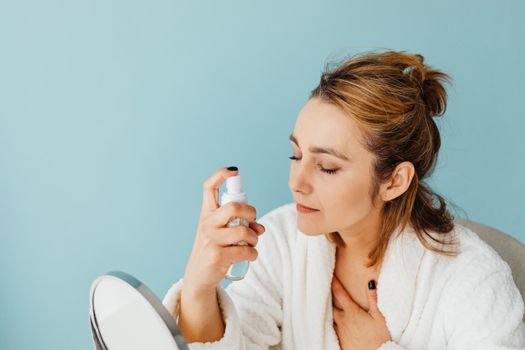
Reapply when you spend long hours outdoors, travel by train with sun-facing windows, or sit near glass at work. Powder SPF can help over makeup but never replace a full AM layer. A spray or mist helps top-ups, but press it in for even coverage. We round up versatile textures on our SPF Protection Products page. Add your top picks to a wishlist and our alerts will flag the next price drop across Boots, Superdrug, Space NK, or Lookfantastic.
High-street staples like Garnier’s UV ranges and premium options from Shiseido both see strong demand when sun returns. Our tracker shows frequent multi-retailer promos from April through June. Check the comparison before you buy the same bottle again.
Cycled evenings: acids, buffers, and recovery nights
Evenings set the rhythm for long-term skin changes. Cycle your actives so the barrier keeps up. Most women see smoother, calmer skin when they split the week into retinoid nights, gentle refinement nights, and full recovery nights.
Keep two to three retinoid nights. Add one to two “refine” nights with polyhydroxy acids or low-strength lactic acid if texture needs help. Skip acids entirely if your retinoid already gives enough peel. Place azelaic acid on a refinement night if you want clarity without strong exfoliation.
Use recovery nights at least once a week. Cleanse, apply a humectant serum, then layer a ceramide-cholesterol-fatty acid moisturiser. Seal with a drop of squalane on cheeks if central heating runs high. This cadence keeps progress steady, avoids over-exfoliation, and reduces the red-flaky cycle that scares women off retinoids.
If you need to patch test, choose the jawline or behind the ear. Introduce one new active at a time. Two weeks per change works better than “everything at once”. Keep your shortlist on GlamGeek and turn on wishlist alerts. When a patch-test product drops in price, you can trial without overspending.
Climate-smart switches for the UK: winter to heatwave
Skin longevity in Britain means constant small edits. Indoor heating drains humidity from October to March. Summer flips to UV, sweat, and occasional high heat. Build two lanes in the same routine: winter-weight and summer-light.
Winter lane: choose a cleanser that never squeaks skin, then stack glycerin and panthenol under your moisturiser. Consider urea at 2–5% if you get rough patches. Use an occlusive balm on corners of the nose and around the mouth at night when radiators run. A lip treatment gets more action now; scan Lip Balms & Creams for fragrance-free picks that can sit under lipstick by day and repair by night.
Summer lane: switch to a lighter gel or fluid moisturiser under SPF. Keep niacinamide and vitamin C in play for even tone. Use blotting papers instead of harsh mattifying washes. If sweat triggers breakouts, use azelaic acid or a gentle BHA once or twice a week but avoid daily scrubs. Hydrating mists help but top them with a moisturiser layer to stop transepidermal water loss.
Both lanes share two constants: retinoid cadence and daily sunscreen. If heat makes retinoid feel hot, buffer over moisturiser until the weather cools. When UV index rises, reapply SPF during lunch outdoors. Small switches beat big routine overhauls.
{{IMAGE:skincare routine products flatlay}}
Spend or save in 2026: Boots vs Space NK, and timing your buys
You don’t need a luxury price tag for longevity wins. Spend where formulation choice changes results. Save where simple chemistry works well at every budget. Our data since 2010 shows the same levers move value: formula type, texture tolerance, and retailer timing.
Spend on a retinoid you can use consistently. Texture matters here. A well-formulated retinal or encapsulated retinol that you reach for three nights a week will beat a harsh, dusty retinol you use once. Premium counters and Space NK offer elegant textures that keep women compliant. High-street retinol serums can also deliver. Compare both and buy when promotions hit. Use GlamGeek’s wishlist to catch those windows.
Save on humectant hydrators and basic cleansers. Glycerin-heavy gels and fragrance-free creams work at every price. Shop them at Boots and Superdrug when multibuys appear. Spend a little more on a moisturiser that nails ceramide-cholesterol balance if your barrier struggles. Brands like Clinique often keep reliable, well-tolerated staples for this job.
For makeup that supports skin health, texture still rules. A smoothing primer can reduce friction and help SPF sit better. Check options under Face Primers. If you want coverage, choose breathable bases and apply over sunscreen once it has set. Filter your hunt in Liquid Foundations and compare across counters. Premium favourites from Charlotte Tilbury often see seasonal kits, while high-street lines keep core shades in stock year-round. Always check the GlamGeek comparison. We track prices across Boots, Superdrug, Space NK, and Lookfantastic so you don’t have to.
How to build your 2026 routine step by step
Keep mornings short and protective. Evenings do the heavy lift. This split reduces irritation and helps you stay on track when life gets busy. Here’s a simple template you can personalise without bloating your shelf.
AM routine:
- Cleanse lightly if needed. Splash with water if your night routine stayed gentle.
- Apply a vitamin C or niacinamide serum. Pick one if your skin runs sensitive.
- Use a light day cream if your SPF isn’t hydrating. Browse Day Face Moisturisers to fit texture preferences.
- Apply SPF 50 using the two-finger rule for face and neck. See SPF Protection Products for gel, fluid, and lotion finishes.
PM routine:
- Cleanse with a gentle gel or cream. Avoid tightness.
- On retinoid nights, apply your chosen retinol or retinal. Start 2–3 nights weekly.
- On refine nights, use gentle acids or azelaic acid if needed.
- On recovery nights, skip actives. Layer humectants, then a ceramide-cholesterol moisturiser. Add a light oil if heating dries the air.
Weekly or as needed: use a hydrating mask if you see dullness. Keep scrubs rare. If your skin protests, scale back and run three recovery nights in a row. Progress beats perfection.
Ingredient spotlights that still matter in 2026
Trends come and go, but a few ingredients keep earning shelf space because they solve real problems. If you want to edit a crowded routine, rank these by your skin’s needs before you add anything new.
Niacinamide: 4–5% supports barrier function, calms redness, and helps oil control. It layers with almost everything, which makes it a morning workhorse. You can often find it inside moisturisers, which streamlines steps.
Urea: 2–5% hydrates and smooths texture without the sting of stronger acids. It boosts water retention in cooler months and pairs well with ceramides. Urea becomes a winter hero for cheeks and chins that roughen under heating.
Peptides: not all equal, but well-formulated peptide blends can support firmness and hydration. Pair them with retinoids on alternate nights for a gentle push toward bounce. Women who can’t tolerate strong retinoids often find peptides useful as a support act.
Panthenol and glycerin: they aren’t glamorous, but they keep the barrier happy. When you stop chasing new acids and start prioritising this duo, irritation usually drops. That sets the stage for everything else to work better.
What this means for your 2026 skin longevity plan
Longevity doesn’t need a 12-step routine or a perfect bathroom shelf. It needs a barrier-first base, one or two proven actives, and sunscreen you don’t dread. Build a cadence you can keep through winter heating and summer spikes. Keep changes small and deliberate.
Use GlamGeek to shop smart. Shortlist your moisturiser, retinoid, and SPF on our comparison pages. Add them to your wishlist so our alerts flag price drops across Boots, Superdrug, Space NK, Lookfantastic, and department stores. We watch those feeds all week so you don’t overspend on repeats.
Which part of your routine needs the biggest upgrade for 2026 — a calmer barrier, a smarter retinoid schedule, or an SPF you’ll wear daily? Tell us, and we’ll cover the best-value picks our tracker highlights next.
And if you’ve built a routine that sails through both heating season and heatwaves, which textures made it easy? Share your wins; other women will thank you at checkout time.