I keep seeing the same vibe in Irish beauty headlines: women feel squeezed, but we still want our routines.
And some of us will do frankly wild things to keep them going.
When a headline says nearly half of people would go into debt to maintain beauty habits, even after a job loss, I don’t read it as “vanity”. I read it as pressure. Social pressure, workplace pressure, and the pressure of feeling like your face has to look “fine” even when your bank account doesn’t.
The numbers behind the panic spending (and why it’s not just you)
Recent coverage has put hard figures on what many of us already feel: beauty spend has crept up, and it’s sticky. Professional Beauty reported Gen Z and Millennial women spending thousands per year on beauty and wellness trends. Separate reporting flagged that a big chunk of people would borrow to keep routines going.
Layer that with Irish consumer research that keeps pointing to price sensitivity and trust, and you get the 2026 mood in one sentence: we’re cautious, but we’re also tired.
Here’s the bit I want you to hold onto: most “expensive routines” aren’t expensive because you need 14 steps. They’re expensive because of duplication. Two moisturisers that do the same job. Three serums that fight each other. A foundation wardrobe because the first one never sat right.
I’m not going to tell you to stop buying beauty. I’m going to tell you how to buy less of the wrong stuff.
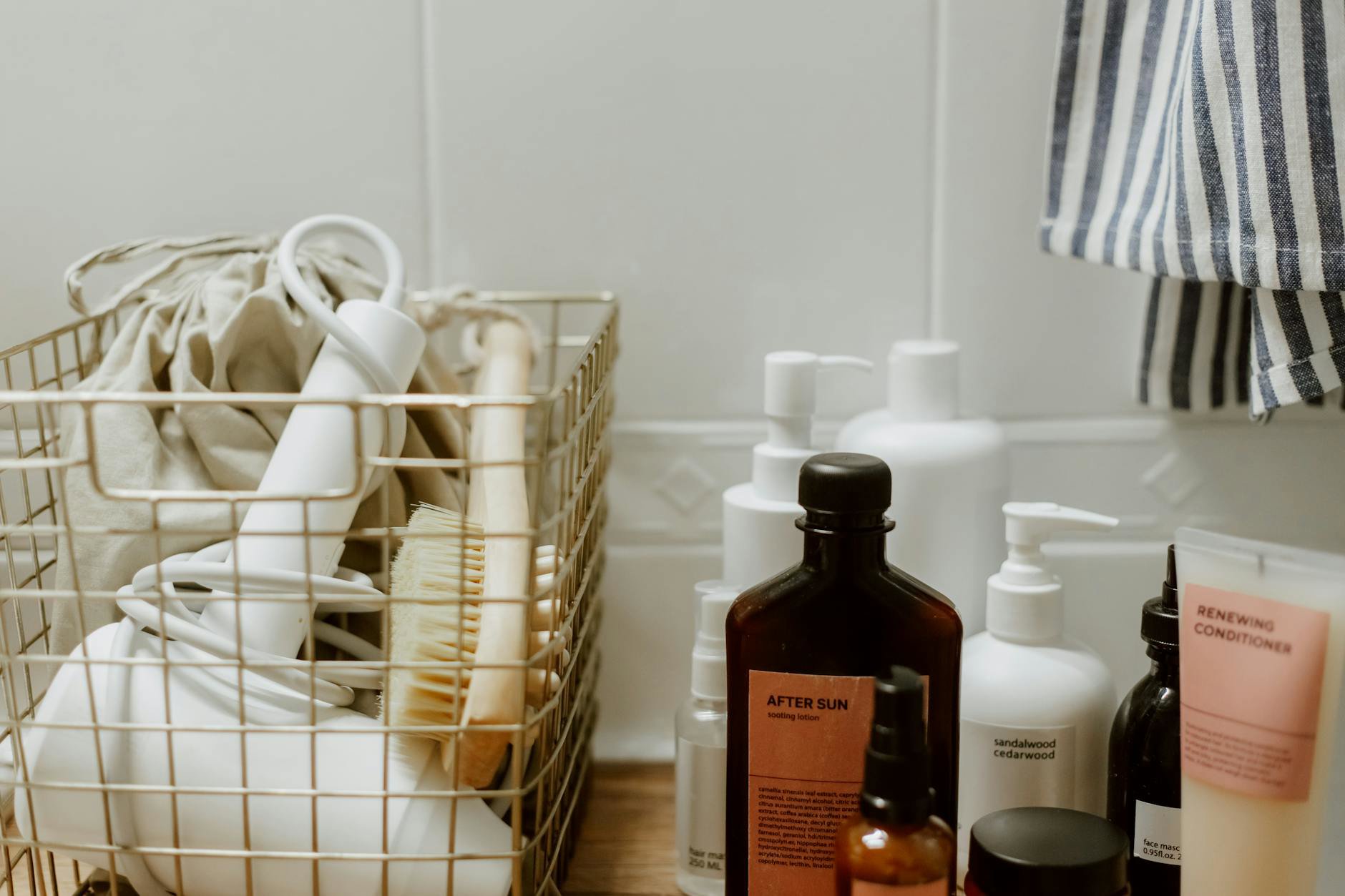
My non-negotiable rule: budget the routine, not the product
When women ask me what to splurge on, I ask a different question: where does your routine fail?
If your makeup slides by lunch, you don’t need a €90 foundation. You need a better base routine and one good Face Primers pick. If your skin looks dull, you don’t need three “glow” serums. You need one active you can tolerate, used consistently.
So I split my spending into three buckets.
- Daily essentials: cleanser, moisturiser, SPF, one complexion product.
- Targeted results: one active at a time (vitamin C or retinoid or exfoliant), plus one support product.
- Fun: colour, fragrance, extras. This is where trends live, and where I cap my spending first.
Notice what’s missing. Backups. “Just in case” buys. The panic haul because an influencer said a product “sold out everywhere”.
If you want a practical trick, I do this: I keep a running list on my phone of what I actually finish. If I didn’t finish it, it doesn’t get replaced.
Drugstore complexion that looks expensive: the technique matters more
All the “drugstore foundations that rival high-end” lists have one thing in common: they rarely talk about why a foundation looks high-end on skin. It’s usually not the bottle. It’s the prep.
My order on Irish skin (and Irish weather) stays boring for a reason:
- Hydrating cleanse with a gentle Foam & Wash Cleansers formula if you wear makeup daily.
- Light moisturiser, then SPF. Always. Use SPF Protection Products you’ll actually reapply.
- Wait 5–10 minutes before base. No rushing.
- Primer only where needed (usually centre face).
Then I use thin layers. One pump max. I apply with a damp sponge or a dense brush from Makeup Brushes & Applicators and press, not drag. Dragging lifts SPF and pills skincare.
For specific lines I trust to perform at lower prices, I keep coming back to L'Oréal and NYX for complexion and setting. KIKO also does reliable base products when you want something that photographs well without fuss.
And concealer? I’d rather spend time blending a mid-priced formula than spend money chasing the “perfect” one. Use a small amount of Liquid & Cream Concealers only where you need coverage, then leave the rest of your skin alone.
One more thing: if you keep buying foundations because they separate, check your skincare base. Silicone-heavy primers can fight oily sunscreens. Too many layers can pill. That’s not your face being “difficult”. That’s chemistry.
Vitamin C in 2026: pick the format you’ll tolerate, not the hype
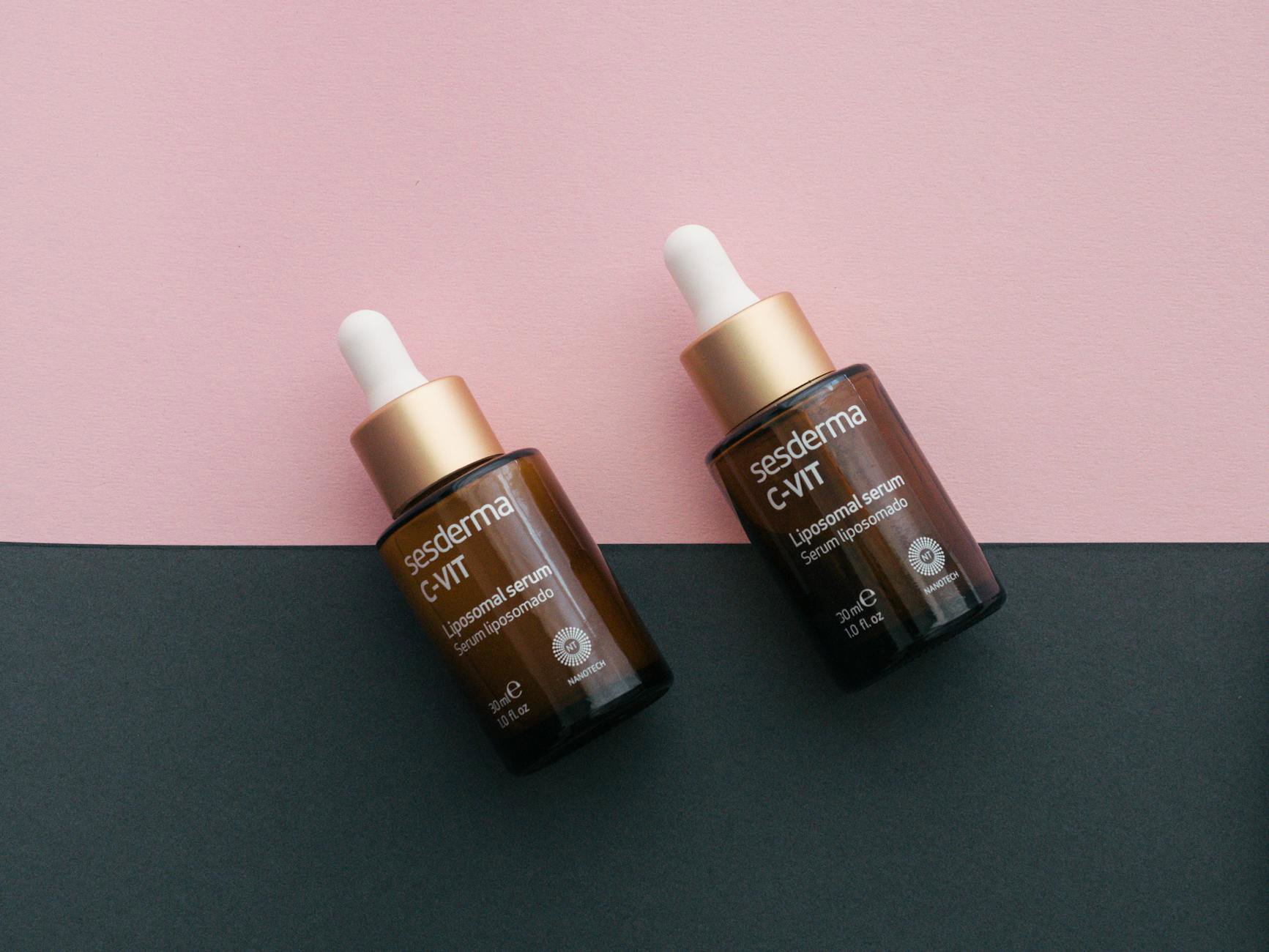
Vitamin C gets treated like a single ingredient, but it’s a family. That matters when you’re trying to get results without wasting money.
If you want the classic brightening and antioxidant support, L-ascorbic acid has the best evidence. It also irritates more people, and it oxidises faster. If you buy it, buy from a brand with good packaging (airless pump or opaque bottle), and store it away from heat.
If your skin stings easily, look for derivatives like ethylated ascorbic acid or ascorbyl glucoside. They often feel gentler. They can still help with dullness over time, especially when paired with daily SPF.
What I do in real life: I run vitamin C in the morning for 8–12 weeks, then I reassess. If I’m not seeing improved tone, I stop and spend that budget elsewhere. No guilt.
Where to shop in Ireland: you’ll often find strong options in Boots Ireland, and higher-end picks in Brown Thomas or Arnotts. If you’re comparing costs, GlamGeek price tracking shows when staples in Anti Ageing Face Serums dip during promo cycles, so you can buy when it makes sense.
Pairing rules I stick to:
- Vitamin C + SPF: yes. That’s the point.
- Vitamin C + strong exfoliating acids in the same routine: I usually don’t, unless your skin already handles it.
- Vitamin C + retinoid: I split them (C in AM, retinoid in PM).
- Vitamin C + niacinamide: fine for most women, despite old myths.
Consistency beats drama.
Retinoids: the cheapest anti-ageing move is using them properly
Retinol lists come out every year because retinoids work. The boring truth: most irritation comes from how we use them, not from the product being “too strong”.
If you already use retinol, your “budget reset” might mean stepping down in strength but stepping up in consistency. A mid-strength formula used three nights a week can outperform a stronger one you panic-stop after two uses.
My technique stays the same, even when I switch brands:
- Cleanse, then dry skin fully. I wait at least 10 minutes.
- Use a pea-sized amount for face. Not a blob.
- Buffer with moisturiser if you’re prone to flaking.
- Skip other actives on retinoid nights.
If you want to simplify, build a two-product PM: retinoid + Night Face Moisturisers. That’s it. You don’t need a separate “retinol serum”, “retinol cream”, “retinol eye cream”, and “retinol neck cream”.
Eye area tip: if you’re using retinol on the face, you can often bring your moisturiser up to the orbital bone and keep retinoid slightly lower. If you get dry eyes, don’t push it. Dark circles also come from anatomy and sleep. No cream fixes bone structure.
Brand-wise, I see Irish women default to Clinique, Estée Lauder, and Shiseido when they want a cushioned, less scary feel. For tighter budgets, I’d rather you buy one reliable retinol and protect your barrier than chase the strongest percentage on the shelf.
And yes, SPF becomes non-negotiable.
Setting sprays, powders, and the Irish humidity problem
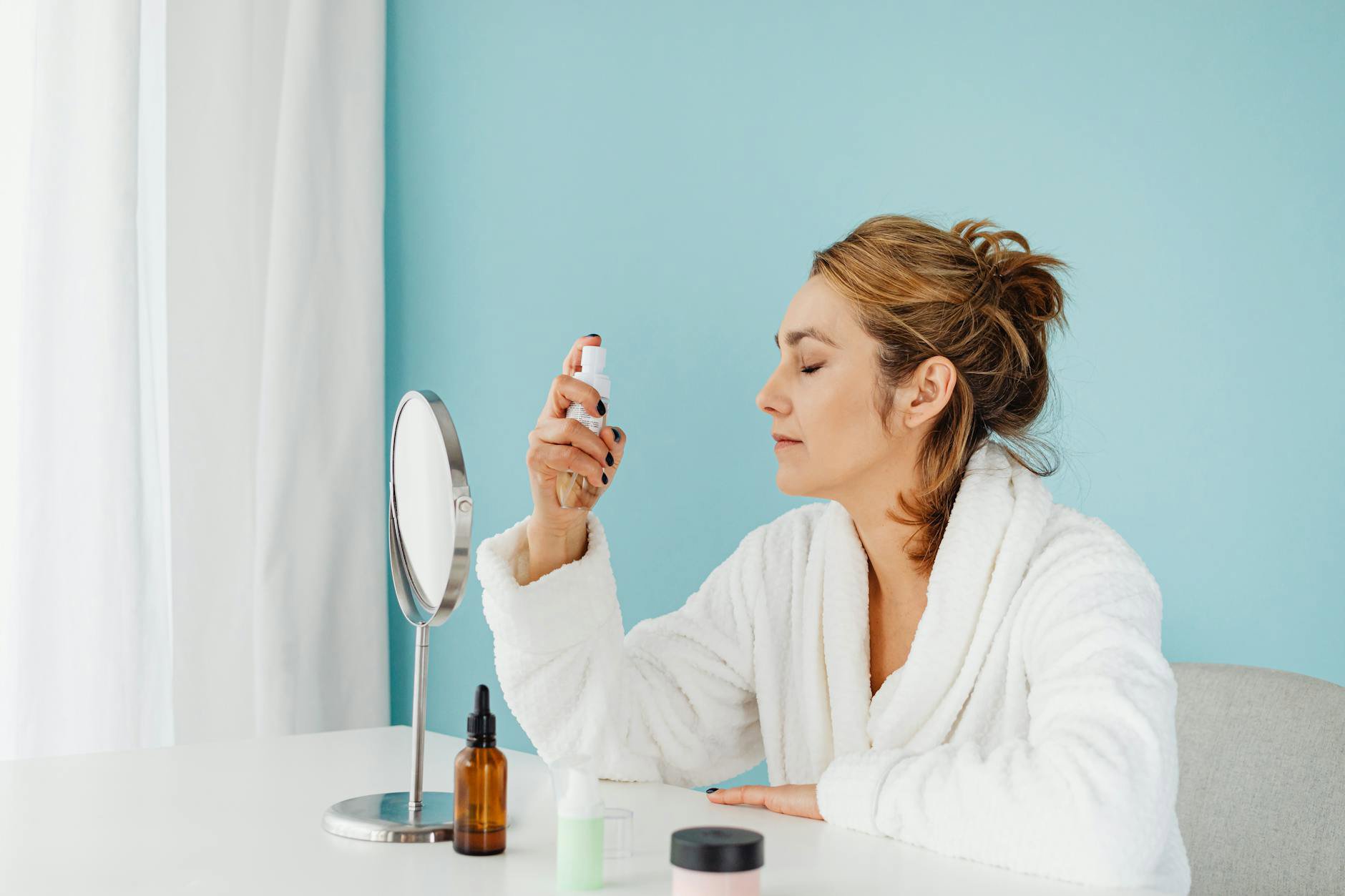
Setting sprays have turned into their own category of “must-haves”. I get it. Irish weather can do four seasons by lunchtime, and makeup has to cope.
But I don’t buy a setting spray to “lock everything”. I buy it to solve one specific issue: transfer, oil, or texture.
Here’s how I choose:
- For transfer: look for film-formers (often listed as acrylates copolymer). These create a flexible layer.
- For oil: pair a light spray with targeted powder on the T-zone. Don’t powder your whole face if you hate texture.
- For dryness: avoid high alcohol sprays. Go for a mist that feels more like skincare.
- For long events: I do a “sandwich”: thin powder, spray, then a final mist after blush.
Technique matters more than the label. I spray from a proper distance, then let it dry. I don’t wave my hands like I’m putting out a fire. Touching it mid-dry creates patches.
For budget-friendly options, Revolution and NYX keep showing up in Irish makeup bags for a reason. If you want a higher-end feel, Charlotte Tilbury stays popular, but I’d only pay premium if you already nailed your base routine.
If you only buy one extra product this year, I’d pick a setting product over a new foundation shade. It stretches what you already own.
Sustainable beauty claims: I’m done paying extra for vague wording
Irish and UK coverage keeps hammering the same point: brands need proof, not slogans. Good. I’m tired of paying more for “clean” and “conscious” when the brand won’t tell me what that means.
My quick greenwashing screen takes under a minute:
- Do they name the material? “Recyclable” means nothing without “widely recycled in Ireland” and the actual plastic type.
- Do they show percentages? “Made with recycled plastic” should state how much.
- Do they explain refills? A refill that costs nearly the same as the original isn’t a refill. It’s a marketing loop.
- Do they publish a policy? Look for clear statements on sourcing and testing.
Where I land: I’ll happily buy from brands that do the basics well and don’t overtalk it. The Body Shop often sits in that conversation for refill-style shopping, but I still compare the cost per ml and the actual availability in Ireland before I commit.
If a brand pushes you to buy more to be “sustainable”, that’s not sustainability. That’s a sales plan.
Also, don’t let sustainability guilt you into debt. Ever.
Haircare: stop paying for “expensive hair” results you can get at home
Haircare headlines keep praising drugstore shampoos that make hair look glossy. I agree with the general point, but I’ll add a blunt one: shampoo rarely gives you “expensive hair”. Conditioning and styling do.
So if you’re cutting spend, I’d keep shampoo sensible and put money into one thing that changes the feel of your hair.
My priority list looks like this:
- A good conditioner you’ll use every wash from Moisturising & Nourishing Conditioners.
- A weekly mask from Hair Masks if you colour or heat style.
- Heat protection if you blow-dry. Non-negotiable if you want shine.
- One styling product that suits your hair type, not five.
If you love a premium line, I usually see Irish women stick with Kérastase for masks and treatments because the textures feel salon-level. That’s a reasonable splurge if you use it weekly and stop buying random “repair” sprays that do nothing.
For everyday washing, I’d rather you buy a steady, affordable option from Moisturising & Nourishing Shampoos than switch every month. Constant switching confuses your scalp and your expectations.
Irish shopping note: Boots Ireland and McCauley Pharmacy often run haircare promos in cycles. If you track your staples and buy during those windows, you cut spend without cutting quality.
My “anti-debt” beauty plan: a simple 12-week reset
If you’ve felt tempted by buy-now-pay-later for beauty, I want you to treat that as a warning light. Not shame. A warning.
Here’s the reset I use when my routine feels out of control.
Weeks 1–2: inventory and stop the leaks
I pull everything out. I keep one open product per category and park backups. If I own four mascaras, I pick one and the rest wait.
I also set a “replacement-only” rule for two weeks. No new Mascaras, no impulsive Lip Glosses, no random Face Masks because I had a bad day.
Weeks 3–8: pick one result target
I choose one: brightness, texture, breakouts, or fine lines. Then I pick a single active to support it. That might mean vitamin C in the morning or a retinoid at night.
Everything else stays simple: cleanser, moisturiser, SPF. If you need a moisturiser category to browse, I usually start women at Day Face Moisturisers for mornings and a basic night cream.
Weeks 9–12: spend on the bottleneck
This is where you put money where it actually changes your day. For some women, that’s a better SPF. For others, it’s a foundation shade match, or a conditioner that stops tangling.
If you want a treat, I’d rather you buy a set you’ll use than five singles. Look at Skin Care Sets or Makeup Sets when they offer real value, not tiny minis.
And if you love fragrance, pick one and finish it. Browse Eau de Parfum Perfumes for longevity or Eau de Toilette Perfumes for lighter wear. Just don’t buy three because you felt bored.
What this means for Irish women right now
The big takeaway from all these headlines isn’t “buy cheaper”. It’s “buy smarter, because the pressure to keep up has got weird”. If you’ve ever felt you needed a full face to look employable, you’re not alone. But debt for beauty doesn’t equal self-care.
Practical takeaways you can use this week:
- Choose one active ingredient goal and stick to it for 8–12 weeks.
- Stop duplicating categories. One cleanser, one moisturiser, one SPF, one base product.
- Fix makeup wear with technique first, then add one targeted product (primer, powder, or spray).
- Only pay premium when it removes a real bottleneck: irritation, shade match, or hair damage.
If you shop in Ireland, check availability before you fall in love with a TikTok product. Boots Ireland, Brown Thomas, Arnotts, and McCauley Pharmacy can cover most needs, but viral US “drugstore” picks often cost more here once imported.
Tell me where you want to cut spend (without losing results)
What’s the category that drains your budget fastest right now: skincare, base makeup, haircare, or fragrance?
If you tell me what you’re using and what your main complaint is, I’ll point you towards the most sensible swap strategy for Ireland in 2026.