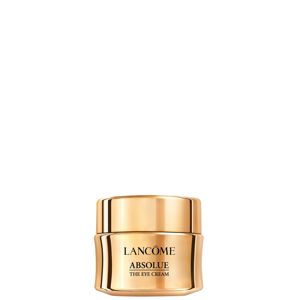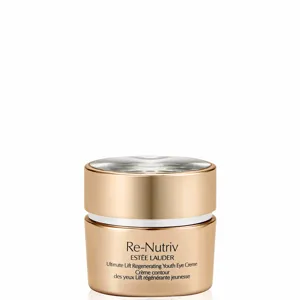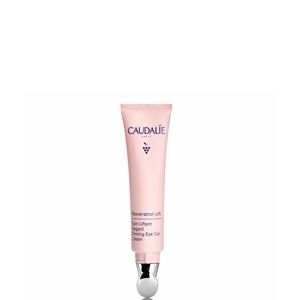
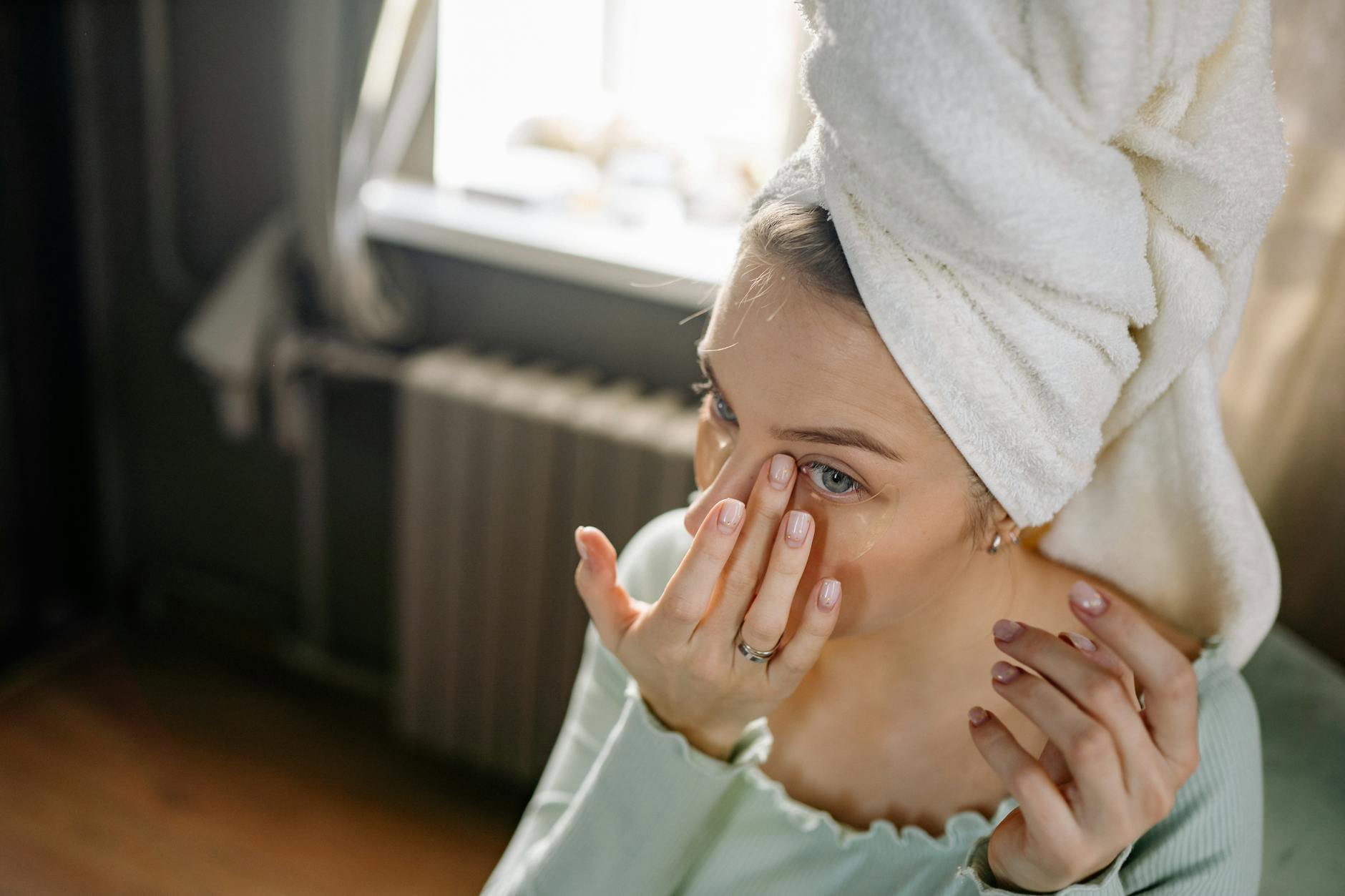
Eye cream vs eye serum for wrinkles: eye cream usually wins for comfort, barrier support and day-to-day smoothing, while an eye serum tends to win for “targeted active” delivery and faster texture. The catch? Results depend less on the label and more on the formula, your skin tolerance, and how consistently you apply it.
For most people dealing with fine lines, the best outcome comes from pairing a lightweight, active-focused layer (serum-style) with a cushioning, hydrating layer (cream-style). But you do not always need both. If your under-eye area runs dry (common in Ireland’s damp-but-dehydrating climate and indoor heating), a well-made anti-ageing eye cream alone can outperform a strong serum that you cannot tolerate.
Below, we break down what each format does, what to expect for wrinkles, puffiness and dark circles, and how to build a routine using anti-ageing eye creams that Irish shoppers can actually price-check across retailers.
Eye cream vs serum: what’s the real difference?
“Eye serum” usually means a thinner texture with a higher focus on active ingredients and quick absorption. “Eye cream” usually means a richer texture that reduces water loss and sits well under makeup. Those are tendencies, not laws.
Wrinkles around the eyes show up for a few reasons: skin gets drier, collagen support changes with age, and repetitive movement (smiling, squinting) creases the area. A product that improves hydration can make fine lines look smaller fast. A product that supports firmness can improve the look of deeper lines over time.
Here’s the practical way we separate the two when we review listings and ingredient claims:
- Cream-style benefits: better slip, less sting, stronger “seal” against dehydration, and often better compatibility under Liquid & Cream Concealers.
- Serum-style benefits: lighter feel, layers easily, and often aims at specific concerns like pigmentation or texture.
- What matters most: the active (retinol alternatives, peptides, vitamin C derivatives), the base (squalane, butters), and your consistency.
One more reality check: a lot of “eye serums” and “eye creams” overlap. For example, a liquid-cream hybrid can behave like a serum in feel but still cushion like a cream.
If you already use Anti Ageing Face Serums, you know the pattern: thin layers first, thicker layers last. That layering rule matters around the eyes too, but we keep the routine simple because the eye area punishes overdoing it.
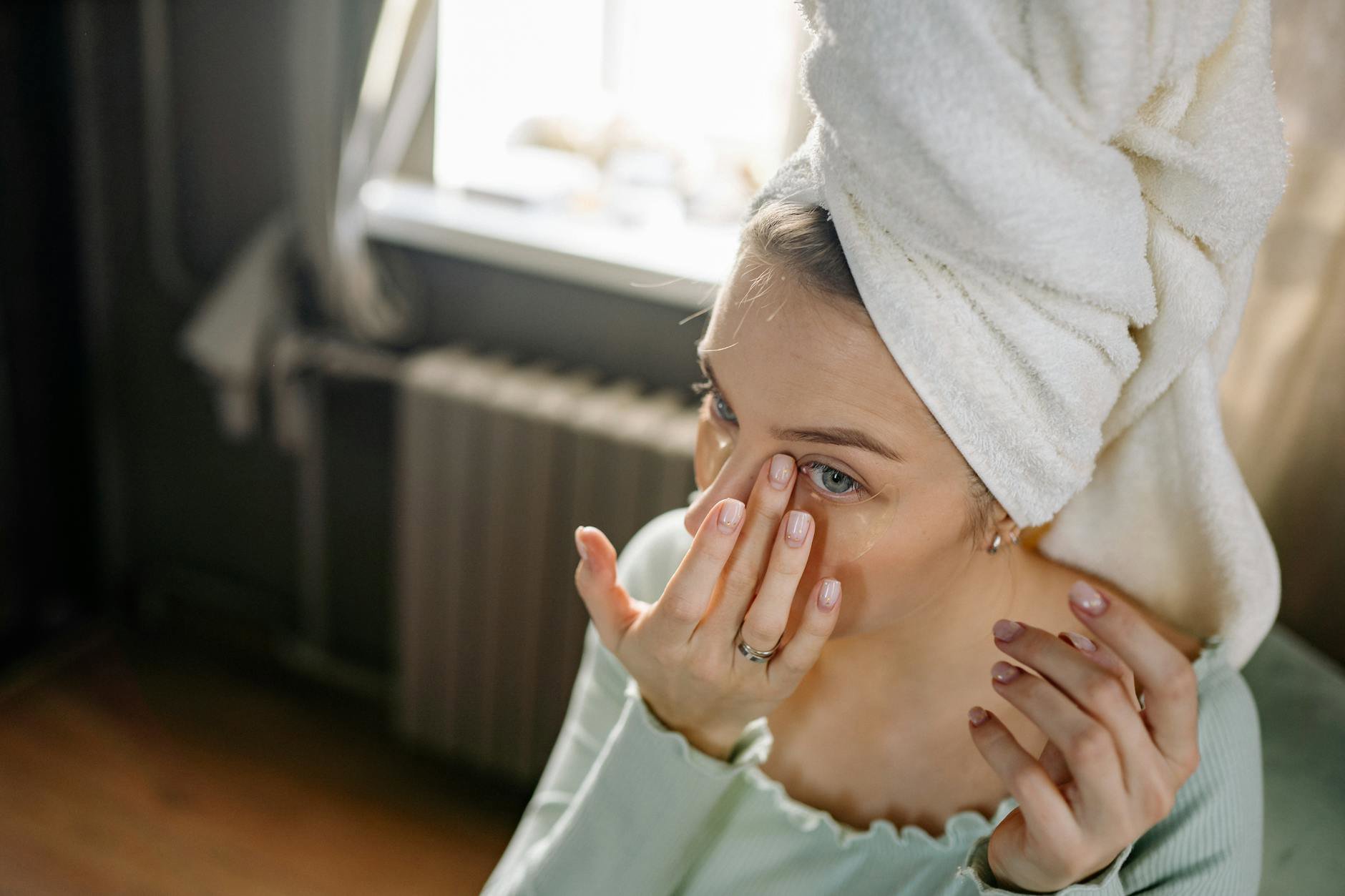
Which works better for wrinkles specifically?
For wrinkles, the best “format” depends on the type of line you see. Fine dehydration lines respond to moisture and barrier support. Expression lines and etched crow’s feet respond better to long-term firming and smoothing ingredients, plus daily sun protection (even in Ireland’s low-UV months, UVA still shows up).
If your lines look worse by afternoon, that points to dehydration. A richer anti-ageing eye cream often gives the quickest visible improvement because it reduces water loss. In our price tracker, the strongest value picks for that “plump and cushion” brief often sit in the mid-price range, not the very top.
For a wrinkle-focused cream with a clear active angle, Origins Pantscription Wrinkle Correction Eye Cream (from €25.76) stands out on price alone. The listing positions it as a wrinkle-correction eye cream with encapsulated retinol in the name, which signals a more targeted anti-wrinkle intent than a basic hydrator. If you want “serum-like” actives but still want a cream format, this is the sort of product that fits.
On the firmer, richer end, Biossance Squalane + Marine Algae Eye Cream (from €48.00) aims at firming and smoothing with lasting hydration. Its description calls out marine algae and paracress extract to lift the look of the contour and reduce the appearance of fine lines and wrinkles. That’s a classic “cream beats serum” scenario for people who need both comfort and a visible smoothing effect.
Then there’s the “hybrid” category that behaves like a serum but still wears like skincare. Sarah Chapman Eye Recovery (from €65.00) describes itself as a liquid-cream hybrid, with a peptide-packed formula and make-up technology for instant and long-term results. If you hate heavy eye creams but still want line-softening, this is the type of texture that often makes people more consistent.
Fine lines, puffiness, dark circles: set expectations by concern
“Wrinkles” rarely come alone. Most shoppers also want less puffiness and fewer dark circles. Each concern has different causes, so one product cannot promise the same kind of result across all three.
Fine lines: Hydration gives the fastest cosmetic improvement. Ingredients that support firmness take longer. If you want a plush, buttery feel that focuses on long-lasting hydration and plumping, Drunk Elephant Ceramighty Eye Balm (from €62.10) fits the “rich, buttery texture” brief, and the description highlights long-lasting hydration and a plumping effect.
Puffiness: Puffiness often relates to fluid retention, sleep, salt, allergies, and how you handle the area. Cooling textures help temporarily. A gel-cream can feel better than a balm if you wake up puffy. Caudalie Resveratrol-Lift Depuffing Eye Cream With Peptides (from €35.88) explicitly positions itself as a depuffing eye gel cream with an instant cooling effect in the description. That language matches what puffiness-prone users tend to prefer.
Dark circles: This one splits into pigment (brown), blood vessels showing through thin skin (blue/purple), and shadowing from hollowing. Brightening ingredients can help pigment. Hydration can reduce shadowing from dryness. Concealer still does the heavy lifting on most mornings.
If dark circles sit at the top of your list, Murad Vita-C Eyes Dark Circle Corrector (from €74.00) targets pigmentation across purple, red or brown tones, per its description. That makes it one of the clearer “serum-like target” options in this eye-cream-only lineup.
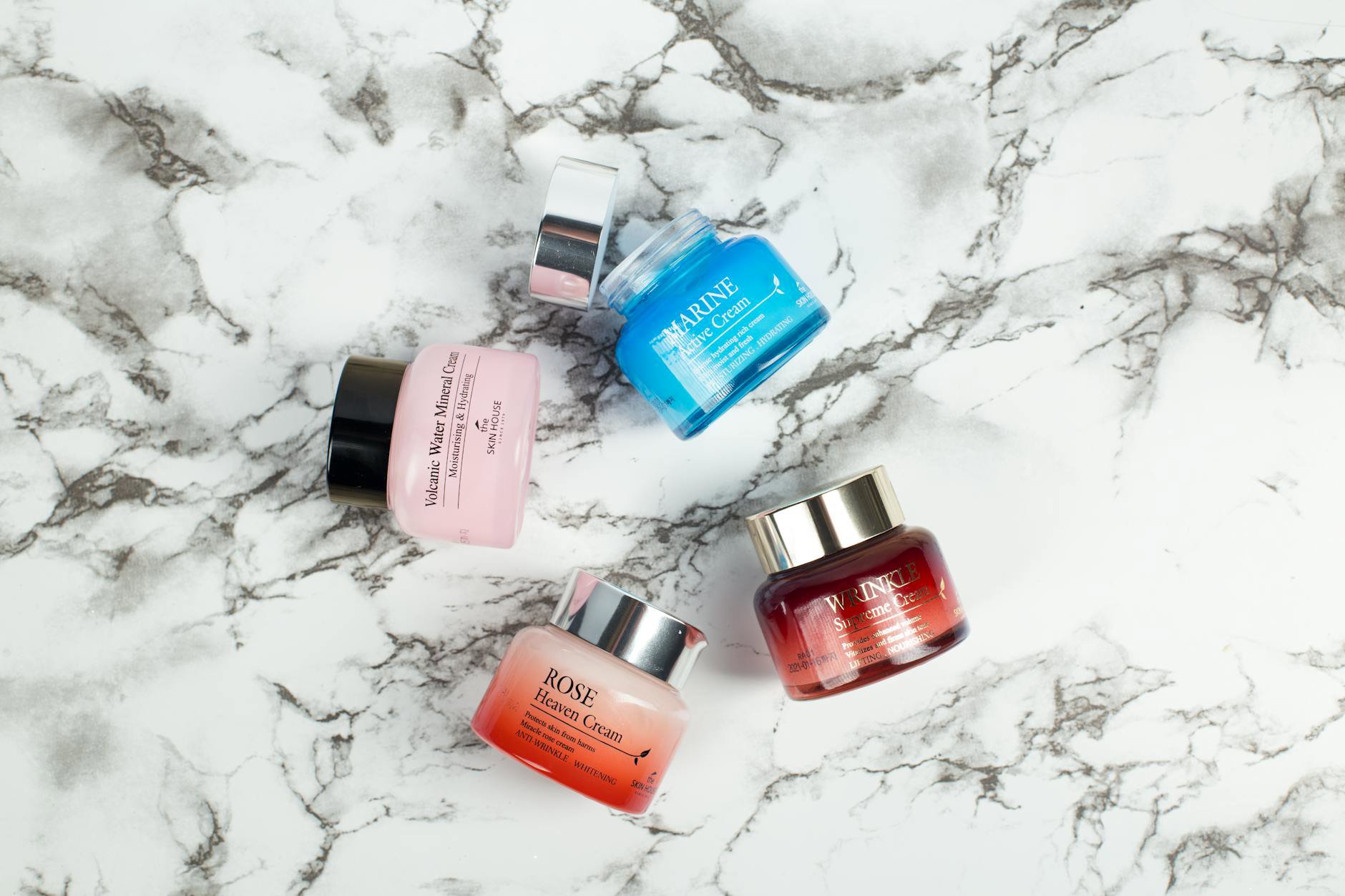
Ingredient signals: what to look for on anti-ageing eye creams
Marketing loves vague promises. Ingredients give better clues. We stick to what product listings actually claim, but you can still use a few “signals” to pick smarter.
Peptides show up in many anti-ageing eye creams because they fit the “firming” story without the irritation risk that some people get from stronger actives. Shiseido Benefiance Wrinkle Smoothing Eye Cream (from €82.80) calls out peptides and squalane, and it positions itself to smooth lines, fight dark circles, and rehydrate. That combination usually suits people who want one eye cream that does a bit of everything.
Squalane matters because it supports comfort and reduces that tight, crepey feeling. Both Shiseido Benefiance and Biossance Squalane + Marine Algae lean into this. For Irish winters and centrally heated offices, that “comfort base” often drives better compliance than a strong but stingy formula.
Vitamin C tends to show up in brightening products. Murad Vita-C Eyes leans into that positioning, with a focus on correcting the look of under-eye darkness across tones. If your main “wrinkle” issue looks worse because the area looks dull or shadowed, brightening can make lines look less obvious too.
Retinol and retinol alternatives can help texture and the look of fine lines, but tolerance varies. In this list, the clearest signposts appear in the names: Origins Pantscription Wrinkle Correction Eye Cream references encapsulated retinol, while Fresh Black Tea Anti-Ageing Eye Cream With Retinol-Alternative Bt Matrix (from €51.75) positions BT Matrix™ as a retinol alternative and targets dark circles, fine lines and crow’s feet.
That matters for the “eye cream vs serum” debate. If you want serum-like actives but you struggle with watery layers migrating into the eyes, a retinol-alternative eye cream can hit the middle ground.
How to choose: quick match-ups by skin type and budget
Most people do not need a complex wardrobe of eye products. They need one that matches their tolerance and their main concern.
We use a few simple buckets when we compare prices across merchants like Boots Ireland, Brown Thomas, Arnotts, McCauley Pharmacy, and Lookfantastic Ireland. Availability shifts, but the “who it suits” logic stays stable.
- Best lower-price entry to wrinkle focus: Origins Pantscription Wrinkle Correction Eye Cream (from €25.76). When the price sits this low, it often makes sense to start here before spending triple.
- Best for dry, crepey under-eyes: Drunk Elephant Ceramighty Eye Balm (from €62.10) for a rich, buttery feel and long-lasting hydration, or Hourglass Equilibrium Intensive Hydrating Eye Balm (from €88.10) which claims instant hydration lasting up to eight hours plus visible brightening and reduced puffiness and fine lines.
- Best for puffiness-prone mornings: Caudalie Resveratrol-Lift Depuffing Eye Cream With Peptides (from €35.88) thanks to its lightweight gel feel and cooling effect.
- Best for dark circles with a correcting brief: Murad Vita-C Eyes Dark Circle Corrector (from €74.00), designed to lighten the look of pigmentation across purple, red, or brown tones.
- Best “one eye cream, many concerns” option: Shiseido Benefiance Wrinkle Smoothing Eye Cream (from €82.80) because it targets lines, dark circles, and hydration, and it includes peptides and squalane in the description.
- Best premium lifting + hydration positioning: Dermalogica Phyto Nature Lifting Eye Cream (from €132.25), which highlights matcha butter, squalane, vitamin E and pro-vitamin B5 for intense hydration, smoothing and brightening.
If you already shop by brand, you can browse Shiseido or Lancôme pages on GlamGeek for pricing, but we would still choose by concern first.

Layering rules: how to use eye cream and “serum-style” eye products together
If you use both, treat it like skincare layering anywhere else: lightest texture first, richest texture last. The goal stays simple: deliver actives, then lock in hydration.
Because this guide focuses on anti-ageing eye creams, we use “serum-style” to mean thinner, fast-absorbing eye creams or hybrid textures. Sarah Chapman Eye Recovery fits that hybrid description, while something balm-like such as Hourglass Equilibrium or Drunk Elephant Ceramighty behaves as the sealing layer.
AM routine (wrinkles + makeup-friendly):
- Use a rice-grain amount per eye. More product often migrates.
- Apply a lightweight layer first (gel-cream or hybrid). Caudalie Resveratrol-Lift Depuffing Eye Cream suits this step for many.
- Seal with a richer layer only if you need it. If concealer creases, skip the second layer.
- Finish with SPF on the face. If you need help choosing, start at SPF Protection Products. You do not need to blast the under-eye, but you do need daily UVA coverage around the orbital bone.
PM routine (wrinkles + recovery): Night gives you more wiggle room for richer textures. This is where retinol-style or retinol-alternative eye creams tend to fit best, because you avoid makeup friction and you can go slower with tolerance.
Try this: apply Fresh Black Tea Anti-Ageing Eye Cream With Retinol-Alternative Bt Matrix (from €51.75) or Origins Pantscription Wrinkle Correction Eye Cream (from €25.76) as the active step, then add a thin layer of a cushioning balm only if you feel dryness.
Results timeline: what improves in days vs months
Wrinkle improvement comes in two phases. The first phase looks like “better” skin, fast. The second phase looks like “changed” skin, slowly.
In 1–7 days, you can see softer-looking fine lines from better hydration and less surface dryness. Products that emphasise lasting hydration often shine here. Hourglass Equilibrium claims hydration lasting up to eight hours, which aligns with that short-term smoothing effect many people want for daytime.
In 4–8 weeks, you can start judging firming and line-smoothing claims more fairly. For example, MZ Skin Soothe And Smooth - Hyaluronic Brightening Eye Complex (from €125.00) states it is clinically proven to reduce dark circles and fine lines in 30 days and boost moisture. That gives you a concrete evaluation window: one month of consistent use.
In 3+ months, you judge whether a routine meaningfully improves the look of crow’s feet. This is also where people quit, because they expect faster change. We would rather see someone stick with a €35–€80 option they enjoy than “save” a luxury jar for special occasions.
One more factor often gets ignored: friction. Heavy rubbing, aggressive removal of Mascaras, and tugging at concealer can undo your progress. Eye products help, but technique matters.
Practical tips you can use today (without buying two products)
Use less than you think. A rice-grain amount per eye often works better than a pea-sized blob. Excess product travels into the eye and causes watering, which then leads to more wiping. That cycle irritates the area and makes lines look worse.
Apply on the orbital bone, then let it spread. Most eye creams move as they warm up. Press gently with your ring finger and keep contact light. If you want to address crow’s feet, place a tiny amount at the outer corner and tap, rather than dragging product across the skin.
Match texture to time of day. Gel-cream in the morning reduces slip under makeup. Rich balm at night reduces dehydration. If you only buy one, choose based on when you feel the problem most: tightness and crepiness by mid-afternoon points to a richer option like Drunk Elephant Ceramighty or Hourglass Equilibrium.
Finally, use your price checks strategically. Our tracking often shows bigger swings on premium eye creams than on basics, especially across multi-brand retailers. If you want to invest in something like Dermalogica Phyto Nature Lifting Eye Cream (from €132.25), it pays to compare across Irish stockists and Ireland-shipping sites before you commit.
Which camp do you fall into right now: dry fine lines, dark circles, or puffiness? Tell us your main concern, and we’ll point you to the best-matched anti-ageing eye cream from the shortlist above.