I’ve watched the beauty cycle speed up so much that “new” now means “launched last Tuesday.” And somehow we’re expected to keep up like it’s a subscription we forgot to cancel.
Here’s my blunt take: most women don’t need more products. We need fewer, better picks—and a system that keeps us from panic-buying a “trend” that doesn’t even match our skin.
If you’ve ever stared at your cart at Target, Sephora, or Ulta and thought, How did I get to $180?… this is for you.
Context: the trend cycle got pricier, faster, and louder
Beauty headlines in late 2025 and early 2026 keep circling the same themes: “hero ingredients,” “drugstore finds,” “self-care,” and “the right order to apply skincare.” That tells me two things. One, women want results, not vibes. Two, we’re tired of wasting money.
One stat that stuck with me: a January 2026 report cited Gen Z and Millennial women spending £6,648 a year on beauty and wellness trends. Convert it or don’t—the point still stings. That number screams “impulse buys,” “backups of backups,” and “I bought it because TikTok said so.”
At the same time, the ingredient conversation got more grounded. Publications keep returning to the same proven pillars—retinoids, vitamin C, sunscreen, and exfoliating acids—plus “support” ingredients like peptides and barrier helpers. That’s good news for your budget because you can build a routine around a short list of actives and stop chasing random launches.
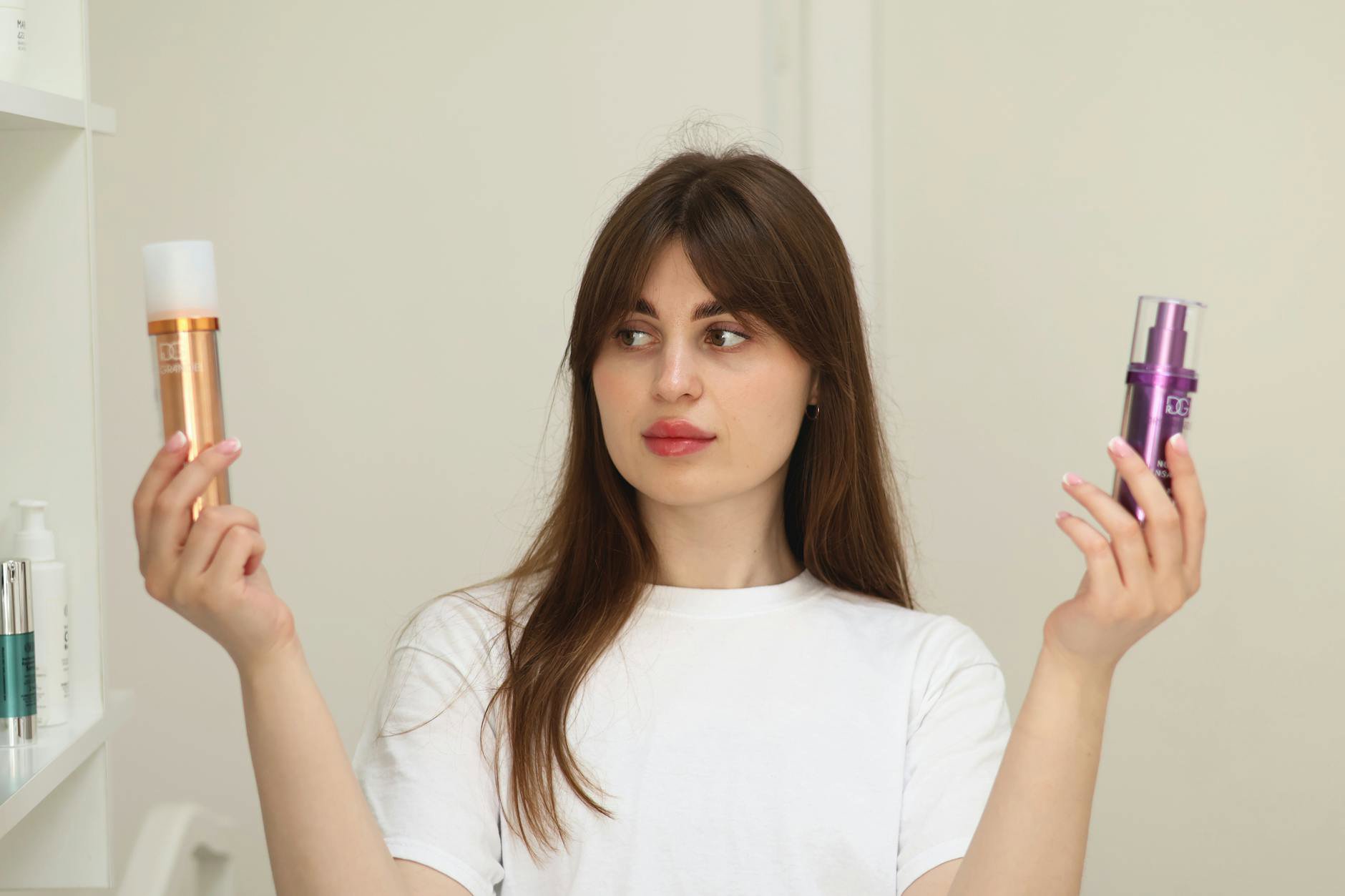
Also, the drugstore isn’t a consolation prize anymore. The New York Times literally told readers to go for cold medicine and stay for beauty finds. That tracks with what I see on GlamGeek price tracking: the gap between drugstore and prestige has narrowed in performance, while the gap in price still hurts.
My “three-bucket” budget method (so you stop buying duplicates)
I sort every beauty purchase into three buckets: results, maintenance, and fun. It sounds basic. It works because it forces you to choose where your dollars actually matter.
Results equals products that change your skin or hair over time. Think: a retinoid, a sunscreen, an acne treatment, a pigment-fading active, or a true bond-repair hair treatment. This bucket earns your “spend” if you want one.
Maintenance equals the boring stuff that makes results possible: cleanser, moisturizer, gentle body wash, basic shampoo/conditioner. This is where drugstore shines. You want reliable formulas and textures you’ll use daily.
Fun equals color, fragrance, and extras. I’m not telling you to stop buying Lipsticks or Eau de Parfum Perfumes. I’m telling you to cap this bucket so it doesn’t eat your rent.
My rule: if you keep rebuying “fun” because your skin still looks rough or dull, your “results” bucket needs attention. Priorities. Yep.
Body skin in 2026: urea wins, and I’m not being subtle about it
Body care finally got the respect it deserves, and I love that for us. But if you want baby-smooth skin, the ingredient I keep seeing dermatologists push (and I agree) is urea.
Plain English: urea does two jobs. At lower levels it acts like a humectant, pulling water into skin. At higher levels it gently breaks up rough, built-up skin so flakes and “chicken skin” (keratosis pilaris) look calmer. That’s why it shows up in so many “smoother body” recommendations.
How I use it: I apply a urea lotion right after showering while my skin still feels slightly damp. If you towel-dry until you squeak, you make your lotion work harder.
- If you get rough arms or KP: look for a body lotion with urea or lactic acid. Apply nightly for two weeks, then scale back to 3–4 nights a week.
- If you shave often: use urea on off-nights and keep your shave nights simple (gentle wash + basic moisturizer) to avoid sting.
- If you’re sensitive: start every other night. Urea can tingle on freshly exfoliated skin.
- If your feet crack: urea belongs here. Use it, then socks. Glamorous? No. Effective? Yes.
I’m not going to toss out a dozen random body lotions with shaky claims. Instead, I’ll give you the shopping filter: scan the back label for urea (often listed as “urea” or “carbamide”) and avoid heavy fragrance if you get irritation.
And if your body skin stays rough no matter what, check your shower habits. Super-hot water plus harsh Shower Gels & Body Washes can keep you in a constant dry-skin loop.
The only face routine “order” that matters (and the one mistake I see nonstop)
Skincare “order” articles trend because women keep getting conflicting advice. Here’s the simplest version I use, and it works because it matches how formulas behave on skin.
Morning: cleanse (or rinse), antioxidant/brightening serum, moisturizer, sunscreen. That’s it. Your SPF matters more than your toner. I said what I said.
Night: cleanse, treatment, moisturizer. If you wear long-wear makeup, I like a first cleanse (balm/oil) then a second cleanse with a gentle Foam & Wash Cleansers.
The mistake: women stack too many actives in one routine and call the irritation “purging.” Actual purging usually follows a predictable acne pattern and improves within weeks. Irritation looks like burning, tightness, and random bumps where you don’t normally break out.
If you want a cheat code, use this layering rule: thin to thick, and don’t layer two “heavy hitter” actives in the same night when you’re starting out. Retinoid plus strong exfoliating acid plus vitamin C plus a scrub is not a personality trait. It’s a damaged barrier waiting to happen.
Proven actives: what’s worth it, what’s hype, and how I’d spend
Several headlines keep circling “proven ingredients.” Good. We need a backbone. If I had to build a results routine in 2026 without wasting money, I’d focus on four categories: sunscreen, retinoids, vitamin C, and exfoliation.
1) Sunscreen. Non-negotiable. If you buy one “boring” product, make it from the SPF Protection Products aisle. UV exposure worsens pigmentation, collagen loss, and redness. Your cute serum can’t outwork daily sun.
2) Retinoids. These push skin to act younger by increasing cell turnover and supporting collagen. If your skin tolerates it, a retinoid does more for long-term texture and fine lines than most “collagen” marketing. Start low, go slow, moisturize like you mean it.
3) Vitamin C. The right vitamin C helps with dullness and uneven tone. It also boosts antioxidant protection under sunscreen. If you can’t tolerate strong L-ascorbic acid, look for gentler derivatives. For under-eyes, I prefer a dedicated eye product only if you get milia or irritation easily. Otherwise, a face serum plus moisturizer works fine around the orbital bone.
4) Exfoliation. You want smoother skin, not raw skin. AHAs (like lactic or glycolic) help surface texture and glow. BHA (salicylic acid) helps clogged pores. Choose one lane. Use it 1–3 nights a week, not daily by default.
Where peptides fit: they can support hydration and the look of firmness, but they don’t replace sunscreen or retinoids. If your budget feels tight, peptides go in the “nice to have” column.
Drugstore makeup that actually competes (and where I still spend)
Drugstore makeup lists trend because a lot of it performs. Also, prestige prices climbed while our patience dropped.
Here’s where I happily save: brows, mascara, blush, lip liner, and basic eye palettes. Brands like NYX, Morphe, Revolution, and KIKO make staples that wear well if your prep is decent.
My practical picks and techniques:
- Mascara: buy drugstore, replace often. If your lashes drop, try a waterproof formula just at the roots and a regular formula on top. And yes, I shop the Mascaras category like it’s a sport.
- Blush: cream over powder lasts longer on dry cheeks. Powder over cream lasts longer on oily cheeks. If you want one product, pick a satin powder and apply over a slightly tacky base.
- Brushes: you don’t need 27. You need a base brush, a fluffy powder brush, a blush brush, and one eyeshadow blender. Start in Makeup Brushes & Applicators and ignore the collector mindset.
- Eyeshadow: if you struggle with fading, use a thin layer of eye primer, then a matte transition shade. Your shimmer will look smoother on top. Browse Eye Shadow Palettes with that plan.
Where I still consider spending: base products if you have finicky skin. A great Liquid Foundations match saves you from buying three “almost” shades. If you love a specific finish, brands like Estée Lauder, Clinique, Charlotte Tilbury, and Shiseido often nail undertones and wear time.
Still, I won’t pretend you need luxury to look polished. You need the right prep, the right shade, and a lighter hand than you think.
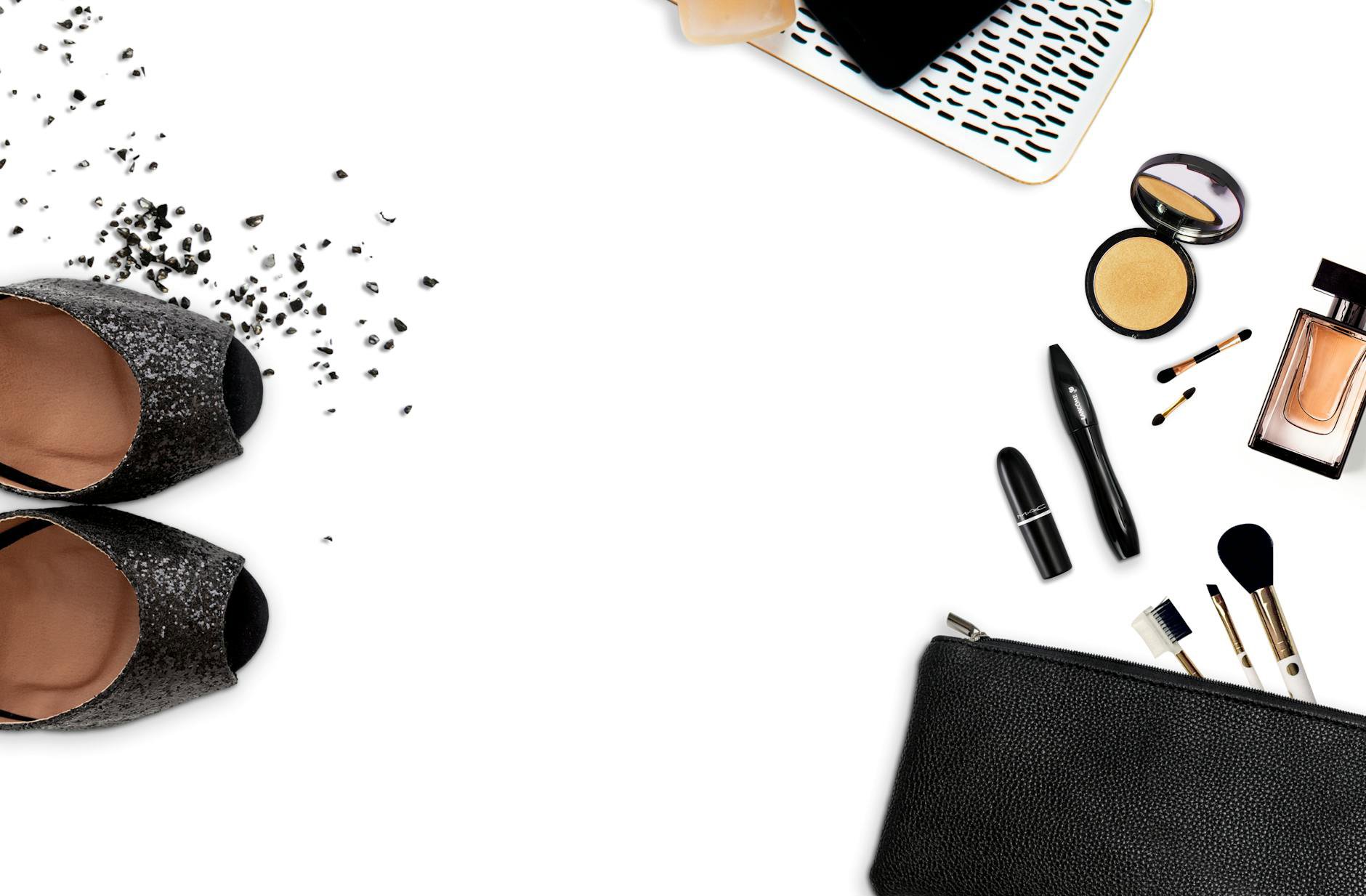
Luxury alternatives: when a dupe makes sense and when it doesn’t
I like a good “luxury vs affordable” comparison as much as anyone. But I hate when it turns into fantasy math where a $12 serum magically equals a $325 serum because both contain “hyaluronic acid.”
Dupes make the most sense in categories where the formula goal stays simple:
- Basic moisturizers (especially fragrance-free)
- Powder products like bronzer and blush
- Lip products like liners and glosses (hello, Lip Glosses)
- Tools where shape matters more than branding
Dupes make less sense when the “feel” and stability matter:
- Vitamin C serums with L-ascorbic acid (packaging and freshness matter)
- Sunscreens where elegance affects how much you apply
- Fragrance, because a similar vibe isn’t the same scent story
- Complex treatments where delivery systems matter (some retinoids, some pigment formulas)
If you want to shop smarter, use GlamGeek’s price history as a reality check. When the price tracking shows a product drops every six to eight weeks, you don’t need to pay full price today.
And please don’t buy a backup until you finish the first bottle. That’s how “budget beauty” becomes “expensive clutter.”
The sane self-care routine: what I keep when life gets messy
“Self-care” headlines can feel fluffy, but I get why they trend. When you feel fried, a long routine looks like control. Then it becomes a chore. Then you quit. Then you buy something new to fix the quitting.
So I keep a bare-minimum routine that still protects my skin and my mood. It takes ten minutes total, and it works even when I’m tired.
My 10-minute baseline
- Night: cleanse + treatment + moisturizer. If I use a retinoid, I sandwich it with moisturizer.
- Morning: rinse + moisturizer + sunscreen. If I feel dull, I add vitamin C.
- Body: quick moisturize on damp skin, especially legs and arms.
- Extras: one “fun” step max—either fragrance, a glossy lip, or a five-minute mask from the Face Masks section.
I also keep one calming sensory thing that doesn’t cost much: a shower that smells good. You don’t need a $60 candle to feel like a person. A solid body wash plus a consistent bedtime does more for your face than a chaotic 12-step routine.
If you love gift sets, use them strategically. Shop Skin Care Sets when you already know you like the formulas. Sets can save money. Random sets can also become drawer clutter.
My verdicts: what to buy next based on your real-life problem
Here’s the part I wish more trend pieces did: match the “hot ingredient” talk to normal problems women deal with on a Tuesday.
If your skin looks dull and uneven: worth it to focus on sunscreen daily plus vitamin C in the morning. Add an AHA exfoliant 1–2 nights a week. Skip buying five brightening serums at once.
If you want smoother body skin: worth it to buy a urea lotion and use it consistently. Skip the sugar scrubs that leave you itchy by morning.
If your pores clog easily: worth it to use a BHA product a few nights a week and keep your moisturizer simple. Skip heavy, fragranced body oils on your chest and back if you break out there.
If you keep getting irritated: worth it to simplify. Use a gentle cleanser, a plain moisturizer, and sunscreen. Add one active back at a time. Skip “stacking” because a headline told you peptides plus retinoids plus acids equals perfection.
If you want to look more awake: worth it to prioritize sleep and sunscreen, then add a brightening concealer and a mascara you actually replace. Browse Liquid & Cream Concealers with your undertone in mind. Skip buying five eye creams if your under-eye darkness comes from genetics.
If your hair looks dull in hard water: worth it to add a clarifying wash occasionally and follow with a rich conditioner from Moisturising & Nourishing Conditioners. Skip blaming your shampoo for mineral buildup.
What this means for your 2026 routine (and your wallet)
You don’t need to “keep up” with beauty to look put-together. You need a routine that holds steady when trends shift. When you anchor your spending to proven basics—SPF, one treatment, and a moisturizer—you stop getting played by hype.
My practical takeaway: pick one face goal and one body goal for the next eight weeks. Write them down. Then buy only what supports those goals. Everything else goes on a wishlist until you finish something you already own.
When you do want to shop, shop with timing. Watch for sales at Sephora, Ulta, and Target. Check whether a brand you like—maybe Lancôme, Clarins, Guerlain, or The Body Shop—runs predictable promos. GlamGeek’s price tracking shows when a “deal” repeats, and that helps you avoid fake urgency.
Tell me your budget pain point
What’s the category you overspend on without meaning to—skincare, hair care, makeup, or fragrance?
If you tell me your skin type and your top concern (texture, acne, dark spots, dryness, sensitivity), I’ll suggest a tight routine that keeps the results and cuts the clutter.