Our price tracker flagged a shift this year. Fewer splashy niacinamide launches. More serious formulas that target spots and redness with quiet confidence. That trend suits this ingredient. Niacinamide works best when you keep the routine steady and boring.
Retailers also trimmed hype. Sephora, Ulta, and Target still stock rows of niacinamide serums and moisturizers. Yet the listings now highlight full routines, not stand-alone bottles. Consumers want results, not another step. We see that in conversion data and in which kits actually sell.
Niacinamide earned a place in day and night routines for a reason. It balances oil, fades uneven tone, and calms redness. It also supports the skin barrier. The catch: too much, too fast can sting or cause a flush. You can avoid that with smart pairing and practical pacing.
Why 2026 niacinamide looks different
Formulators now build smarter blends. Many serums pair niacinamide with tranexamic acid, azelaic derivatives, or amino-sugars. Those partners aim at pigment, redness, and texture from different angles. Brands also use polymers that steady delivery and reduce sting. That shift shows up across prestige counters and drugstore shelves.
We also track broader sizes and formats. You can buy toners, serums, gel creams, and SPF with meaningful percentages. Retailers feature them in sets for hyperpigmentation or redness. Shoppers then see the full system, not just a buzzy single ingredient. That approach helps results and cuts overload.
Concentration claims look clearer too. Many bottles now print the percentage on the front. That helps you pick a level that suits your skin. Lower strengths often sit in moisturizers at Target and drugstores. Higher strengths cluster at Ulta and Sephora. You do not need the highest percentage to win. You need the right match for your skin and your other actives.
Context: what the data and the calendar say
We have tracked pricing since 2010. Across our merchant feed, niacinamide stayed stable through 2024 and 2025. Discounts spiked during Ulta 21 Days of Beauty, Sephora Spring Savings, and Black Friday. Many retailers also ran late-summer skincare promos. Those events will likely repeat in 2026. Set a wishlist early and watch for bundle deals.
Our feed shows a broad shift toward repair. Barrier-first kits gained share. Night routines that pair niacinamide with gentle retinoids also moved. The mix solves spots and fine texture while keeping skin calm. You can chase that balance without a heavy budget. We see workable sets under prestige and mass tiers.
Climate still shapes choices. Women in the dry West buy gel creams that still pack humectants. Women in the humid South stick with thin serums and light SPF. The cold Northeast favors richer night creams and less frequent acids. The ingredient fits all of these patterns. You just need the right texture and a steady plan.
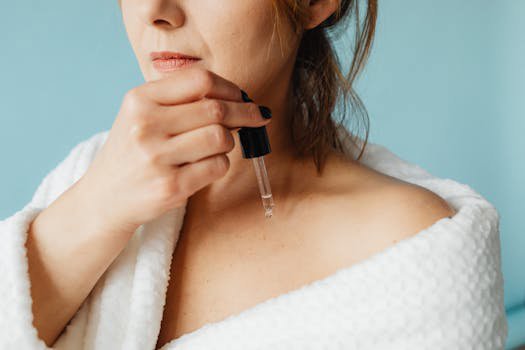
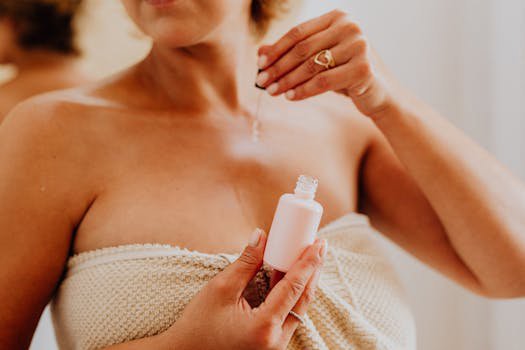
{{IMAGE:woman applying niacinamide serum}}How niacinamide helps spots, redness, and texture
This vitamin B3 derivative works on several pathways. It slows melanosome transfer, so dark spots fade over weeks. It boosts ceramide synthesis, so the barrier holds water and feels stronger. It also reduces sebum look and supports a smoother surface. That broad reach gives steady tone gains without big drama.
For hyperpigmentation, consistent SPF support matters most. You will not fade marks while UV keeps pushing pigment. Use daily sunscreen and then let niacinamide do the slow work. Most people see the first tone shift around week four. Deeper sun spots take eight to twelve weeks.
Redness needs a calmer plan. Niacinamide helps reduce visible flushing and general reactivity. It pairs well with azelaic acid and centella. That trio suits temperamental or acne-prone skin. It also supports those who run dry from retinoids. You get smoother texture and fewer angry days when you layer it over a bland moisturizer.
Texture benefits show in two ways. Sebum looks more controlled, so pores look tighter. The barrier also loses less water, so fine lines look softer. You still need gentle exfoliation if you want a glassy finish. Keep acids modest and time them well. Niacinamide then keeps the gains and reduces pushback.
Choose the right strength and format
Pick your lane by concern and tolerance. Thin, fragrance-free serums suit most routines. Gel creams suit mix-and-go mornings. Toners suit those who like fast layers. Many moisturizers now carry meaningful levels. You can address tone without an extra step when you choose one of those.
Start around 2% to 5% if your skin runs sensitive. That range supports barrier repair and oil balance. It also cuts the risk of a flush. Move toward 5% to 10% if dark spots sit top of mind. Most studies show solid returns in that band. The gains do not scale forever. Very high percentages can sting and add little.
Want to stack? Use a 2% to 5% moisturizer and a 4% to 6% serum in different slots. Morning for the moisturizer. Night for the serum. That approach often beats one heavy hitter. It also keeps the barrier calm while you add actives like retinol.
Texture choice matters in each region. Hot, humid months call for water-light serums. Dry air calls for gel creams with glycerin and hyaluronic acid. Cold snaps call for richer creams with shea or squalane. Niacinamide tolerates all of these bases. It stays stable across normal cosmetic pH too.
Build a six-week routine that stays calm and works
Set a simple AM pattern. Cleanse with a low-foam wash. Apply a niacinamide serum or a moisturizer that includes it. Seal with a broad-spectrum SPF 30 or higher. Consider a tinted mineral option if you fight dark spots. Iron oxides help block visible light that deepens melasma.
Build a steady PM pattern. Cleanse. Apply your retinoid on dry skin two to four nights per week. Buffer with a niacinamide serum underneath or a niacinamide cream on top. Keep two nights free for a gentle acid or a hydrating mask. Keep one full night for recovery with only bland moisture.
Hold a six-week window before you judge results. Spots start to budge between weeks four and eight. Redness often calms earlier. Texture continues to smooth with regular retinoid use. Take a photo under the same light every two weeks. Data beats guesswork here.
Adjust by feel, not fear. If sting shows up, cut frequency, not the ingredient forever. You can even dilute a serum with a basic moisturizer in your palm. That change often cools a flush within a week. Keep SPF strict during the full six weeks. Skipping sunscreen resets gains fast.
What to mix and what to space out
Retinol pairs well with niacinamide. Use niacinamide under or over your retinoid to buffer dryness. Many night creams combine both. That blend helps you reach retinoid results without flaky pushback. Ease into the pair and watch for tightness. Dial the retinoid nights if you feel raw.
Acids also pair well when you plan the flow. AHAs and BHAs resurface. Niacinamide steadies the barrier after. Use your acid one to three nights per week. Rinse, pat dry, and apply niacinamide next. If you flush easily, wait ten minutes after the acid. That pause reduces a prickly feel.
Vitamin C raises the most questions. Old forum threads warned about a clash with L-ascorbic acid. Modern data and modern formulas do not support that fear. Many brands now co-formulate both. You can still space them if you feel sting. Use vitamin C in the morning and niacinamide at night. Or use a stable vitamin C derivative with niacinamide in one step.
Other partners make sense. Azelaic acid plays well, and it helps redness. Tranexamic acid focuses on spots and layers cleanly. Peptides sit fine in the same routine. Benzoyl peroxide can dry you out. Niacinamide helps offset that, so you can keep acne plans steady. Watch your skin and time each piece so comfort leads.
Strategies for sensitive and acne-prone skin
Patch test new products along your jaw or behind an ear. Wait 48 hours before a full-face move. Start with a low or mid strength and a bland base. Look for short INCI lists and no perfume. Aim for glycerin, squalane, and ceramides with niacinamide. That trio supports calm skin during the first month.
If you use a prescription retinoid, let niacinamide carry weight on off nights. It can keep tone even and pores in check while you heal. If you run oily with frequent breakouts, try a thin serum or gel cream. Keep heavy occlusives for cold snaps only. Niacinamide can help reduce oil look within two weeks. Pimples need more time and support from your acne plan.
Redness-prone users often chase quick fixes. Slow the routine and lower friction first. Use lukewarm water and a low-foam cleanser. Keep leave-on acids to one or two nights weekly. Place niacinamide on top of a damp, bland serum to soften the feel. Add azelaic acid on separate nights if you want more redness control.
Do not stack three strong actives on one night. Retinoid, acid, and high niacinamide can tip you over. Build a schedule that alternates push and repair. Skin likes rhythm more than chaos. That rhythm helps you spot which step causes trouble.
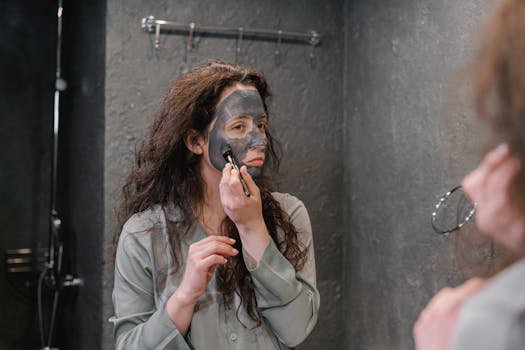
{{IMAGE:woman with simple skincare routine and SPF}}Smart shopping in 2026: formats, retailers, and picks
Use texture to steer your cart. If you want one-step morning care, pick a moisturizer that includes niacinamide. If you want a modular routine, pick a serum. If you want a quick toner step, pick a watery essence and follow with SPF. Seek clear percentages and fragrance-free claims when you react easily.
Drugstore aisles carry strong options. We see broad placement for L'Oréal and Garnier. Many of those lines use niacinamide across serums and creams. Check our brand pages for current options and reviews: L'Oréal and Garnier. You can add picks to your wishlist and get a drop alert. Our tracker watches Target, CVS, Walgreens, and Amazon for shifts.
Prestige counters also run solid blends. You will find niacinamide inside brightening and barrier creams from Clinique, Estée Lauder, and Shiseido. We spot frequent gifts-with-purchase at Nordstrom and Bluemercury. Sephora and Ulta run sitewide events in spring and fall. Add products to your wishlist so we can ping you when a price moves.
Makeup-adjacent brands now fold niacinamide into primers and tints. You can browse options from Charlotte Tilbury and Sephora Collection. If you prefer a dedicated serum step, start your search in Day Face Serums. Then pair with daily protection from SPF Protection Products. We compare prices across major retailers so you do not overpay.
How to read labels and avoid common irritants
Scan the first half of the INCI list for niacinamide and core hydrators. Glycerin sits near the top in many great formulas. Look for hyaluronic acid, betaine, and panthenol. Ceramide and cholesterol blends also help barrier function. Those groups often sit next to niacinamide in effective creams.
Flag fragrance if you react. Many face serums now skip it, yet some still add perfume or essential oils. Citrus oils and heavy aromatics often cause trouble on upset skin. Denatured alcohol at high levels can also feel harsh, especially with retinoids. Some great formulas still use small amounts for slip. Test before you commit.
Watch texture cues. Thin serums should spread fast and leave a clean finish. They should not bite or sting once the skin dries. Gel creams should glide and sit light. They should not pill when you add SPF on top. If a product pills, mix fewer layers or change the finish of your moisturizer.
Packaging also matters for stability and comfort. Pumps and tubes reduce air and light exposure. Jars can still work if the base holds firm and you cap quickly. Niacinamide stays stable across normal skincare pH. Brands can mix it with vitamin C derivatives, acids, or peptides without issues. Your skin’s comfort sets the real rule.
Vitamin C, retinoids, and acids: practical spacing rules
Use pure L-ascorbic acid in the morning if you love that glow. Then drop niacinamide into your night routine. That split reduces total tingle and keeps focus. If you want both in the morning, layer the lighter product first. Then give skin a minute before SPF. Watch for any flush and adjust.
Place retinol on clean, dry skin. Give it a minute. Then add a niacinamide serum or cream to buffer. If you feel dry, sandwich the retinoid between two thin coats of moisture. Keep the first coat light. Use glycerin-rich layers, not heavy occlusives, unless cold weather demands it.
Pick one acid night and skip the retinoid that night. Apply your AHA or BHA after cleansing. Wait until the skin no longer feels damp. Then add niacinamide. That step reduces sting and supports the barrier. Keep at least one full rest night each week. Your skin will reward that choice.
Layer benzoyl peroxide with care. Apply it only to breakout zones. Add niacinamide after to ease dryness. Keep vitamin C on separate mornings if you feel touchy. If you want azelaic acid for redness, place it on non-retinoid nights. The logic stays the same: push, then repair.
Seasonal tweaks for women across U.S. climates
Humid South summers call for thin layers. Use a water-light niacinamide serum and a gel SPF. Skip heavy creams during heat waves. Add a clay mask once weekly if pores look slick. Keep retinoid nights steady but drop frequency during sweaty weeks if you feel raw.
Dry Western air asks for more cushion. Use a gel cream with niacinamide and ceramides. Seal with a light oil if your skin drinks product fast. Add a hydrating mask on your acid-free night. Keep indoor heat in mind during winter. Run a humidifier and apply products on damp skin.
Cold Northeast months demand richer nights. Use niacinamide in a cream base with cholesterol and fatty acids. Drop strong acid frequency to once weekly. Keep your retinoid but buffer with a moisturizer sandwich. Spring and fall allow lighter moves again. Build a small rotation you can swap by feel.
Coastal sun increases pigmentation risk. Use SPF 50 during long days outside. Add a hat and tinted sunscreen if you fight melasma. Niacinamide helps hold gains, but UV calls the shots. Keep reapplication gear in your bag so you stay covered without fuss.
What this means for your next six weeks
You can get visible tone and texture gains without a raw barrier. Choose the right strength, keep a calm schedule, and protect your skin each day. Pair actives with niacinamide for support, not shock. Track results with photos so you judge progress, not feelings after one stingy night.
Buy with the sales calendar in mind. Use our comparison tool to check pricing across Sephora, Ulta, Nordstrom, Target, Amazon, CVS, and Walgreens. Add your picks to a wishlist and turn on alerts. We see frequent markdowns on serums and kits during major events. You can secure value without panic buys.
Focus on the blend, not the label headline. A mid-strength niacinamide plus a retinoid routine often beats a maximal serum alone. Keep exfoliation modest and smart. Keep SPF daily and generous. Six weeks of that rhythm will tell you what deserves a refill.
Sign-off
Which concern sits at the top for you right now: spots, redness, or texture? Tell us what your climate looks like and how many steps you prefer. We will suggest a simple plan and flag a few picks you can add to your wishlist for price alerts.