I keep seeing the same mood everywhere: women want the comfort of their routines, but our budgets want a quiet lie-down.
I get it. When life feels wobbly, the tiny rituals feel like the only bit you control. A clean scalp. A moisturizer that behaves. A perfume that makes the commute feel less like a trial.
But if you’ve ever looked at your basket and thought, how did this become a £120 “top-up”?… you’re not alone.
The 2026 beauty budget squeeze (and why it hits hard)
Recent headlines keep circling the same issue: beauty budgets are getting a reality check, yet “self-care” still comes first. That makes sense, because beauty spending rarely feels like one big splurge. It’s lots of small “only £9.99” decisions that stack up fast.
Here’s the part that always surprises women when I talk through it: recurring basics cost more than the occasional treat. If you buy a £12 cleanser every month, that’s £144 a year. Swap to a £12 cleanser that lasts two months and you’ve halved that without changing your skin at all.
And the debt headline? It’s bleak, but it tracks with what I see on GlamGeek price histories. When women feel uncertain, they don’t stop shopping. They switch to “safer” purchases: backups, minis, and whatever looks like a proven classic.
So I’m not going to tell you to “buy less and be happy about it”. I’m going to tell you how I keep my routine feeling lush and keep the maths from getting silly.
My “results-per-pound” rule: build around proven actives
If you only take one thing from the ingredient headlines, take this: most of the visible gains come from a small shortlist. Brands can optimise textures and delivery, but the backbone stays boring.
For me, the core “results-per-pound” actives look like this: retinoids (for texture and lines), vitamin C (for dullness and uneven tone), and sunscreen (for preventing most of what we’re trying to fix). You’ll also see niacinamide and azelaic acid come up a lot for tone and redness.
What I don’t do anymore? I don’t buy five “supporting” serums that all claim to brighten. I pick one main active and one support product that stops irritation.
Practical examples you can actually shop in the UK:
- Retinoid: The Ordinary Retinol in Squalane (various strengths) often sits around the under-£10 mark, depending on the strength and retailer. Great if you want a simple formula and you’ll store it properly (cool, dark, cap tight).
- Vitamin C: L'Oréal Revitalift Clinical Vitamin C (12%) gets discounted regularly at CVS. If you hate sticky serums, this one feels more wearable than many budget options.
- Azelaic acid: The Ordinary Azelaic Acid Suspension 10% tends to land around £10–£12. It’s one of my favorite “why does my face look calmer?” products.
- Barrier support: Clinique Moisture Surge often costs more, but it goes on offer at John Lewis and CVS. If you’re retinoid-prone to flaking, paying more for comfort can stop you wasting money on “fixing” irritation.
One more rule: I only add an active if I can name the problem it solves and the slot it takes in my week. Otherwise I’m just buying hope in a bottle.
Hyperpigmentation without the 12-step panic
Hyperpigmentation content is everywhere because it’s common, stubborn, and emotionally annoying. You do the work, then a random spot turns up like it pays rent.
If you’re dealing with post-acne marks or sun spots, I focus on three levers: block new pigment, nudge old pigment out, and reduce inflammation so you don’t trigger more.
My simple plan looks like this.
Morning (daily)
Vitamin C (or niacinamide if you’re sensitive), then moisturizer, then SPF. I know SPF feels like the boring answer, but no brightening routine beats a good SPF Protection Products habit.
Evening (alternate nights)
Retinoid on Monday, Wednesday, Friday. On the other nights, go gentle and boring. If your skin stings, you won’t keep going long enough to see results.
If you want a specific “mark-fading” product that sits between vitamin C and retinoids, azelaic acid works well for lots of women because it tackles pigment and redness at once. You can also look at tranexamic acid products, but I stick with what I’ll actually finish.
And please don’t stack everything at once. If you’re the kind of person who gets excited and applies vitamin C, retinoid, exfoliating acid, and a new “brightening” toner in one night, your skin will punish you. Quietly. Then loudly.
Anti-ageing day creams: what I pay for (and what I don’t)
Day cream reviews always end up in the same place: texture, finish, and whether it plays nicely with makeup. The “anti-ageing” bit often comes from hydration and sunscreen, not magic peptides.
So here’s how I decide what’s worth it.
I’ll pay more for three things: a finish I love, a formula that doesn’t pill under foundation, and packaging that keeps the actives stable. I won’t pay more just because a jar says “firming”.
If you wear base most days, your day moisturizer is basically a primer. That makes it a makeup product as much as a skincare one. If yours causes pilling, you’ll over-apply foundation, then you’ll blame your Liquid Foundations, then you’ll buy another one. That’s how budgets die.
Names I trust because they’ve stayed popular for a reason:
- Clarins Extra-Firming Day sits in the “treat yourself” bracket, but it gives that cushioned, bouncy feel many women want from a day cream.
- Estée Lauder DayWear is a classic if you want a comfortable, polished finish. I buy it only when I see a good set deal, because value matters.
- If you want budget-friendly performance, look at big chemist brands at CVS and Walgreens and buy on promotion. I don’t quote exact prices here because they swing weekly, but GlamGeek tracking often shows the same moisturisers cycling through 20–30% off.
My practical tip: if you use a separate SPF, don’t demand your day cream also “does everything”. Pick a moisturizer you love, then pick an SPF you’ll apply properly. That combo usually beats one expensive hybrid you under-apply.
The drugstore makeup “rival” myth (and how to shop it properly)
I love a “this £9 blush beats the luxury one” story as much as anyone. But the truth sits in the boring details: shade, undertone, and finish.
Drugstore makeup rivals high-end most often when the finish stays simple. Cream blushes, satin foundations, and brow gels do not need a £40 price tag to look good.
Here are the categories where I think saving makes the most sense:
- Blush: Revolution and KIKO both do very wearable blush textures. I choose based on how quickly I want it to set. If you touch your face a lot, go more set, less dewy.
- Base: For everyday, I’d rather you buy a solid drugstore foundation and spend extra on a good concealer match. Your Liquid & Cream Concealers do the precise work.
- Tools: A decent sponge or a couple of reliable brushes will make a £12 foundation look like you paid more. Start with one buffing brush and one smaller concealer brush from Makeup Brushes & Applicators.
- Lips: If you love a statement lip, you don’t need to spend big. Lipsticks from NYX and MAC both earn their hype, just at different price points.
When I don’t chase dupes: complexion products that match your exact undertone, and anything that irritates your eyes. If a mascara smudges or stings, it’s not a bargain.
Also, don’t sleep on sets. The best value I see year-round often sits in Makeup Sets around holiday periods and mid-season promos.
High-tech tools: I only rate the ones that replace a service
At-home devices look tempting because they promise salon vibes from your sofa. Some work nicely. Some become expensive drawer clutter.
My rule: I only buy a tool if it replaces something I already pay for, or if it makes me consistent. Consistency beats intensity in skincare and haircare.
Examples of tools that earn their keep for many women:
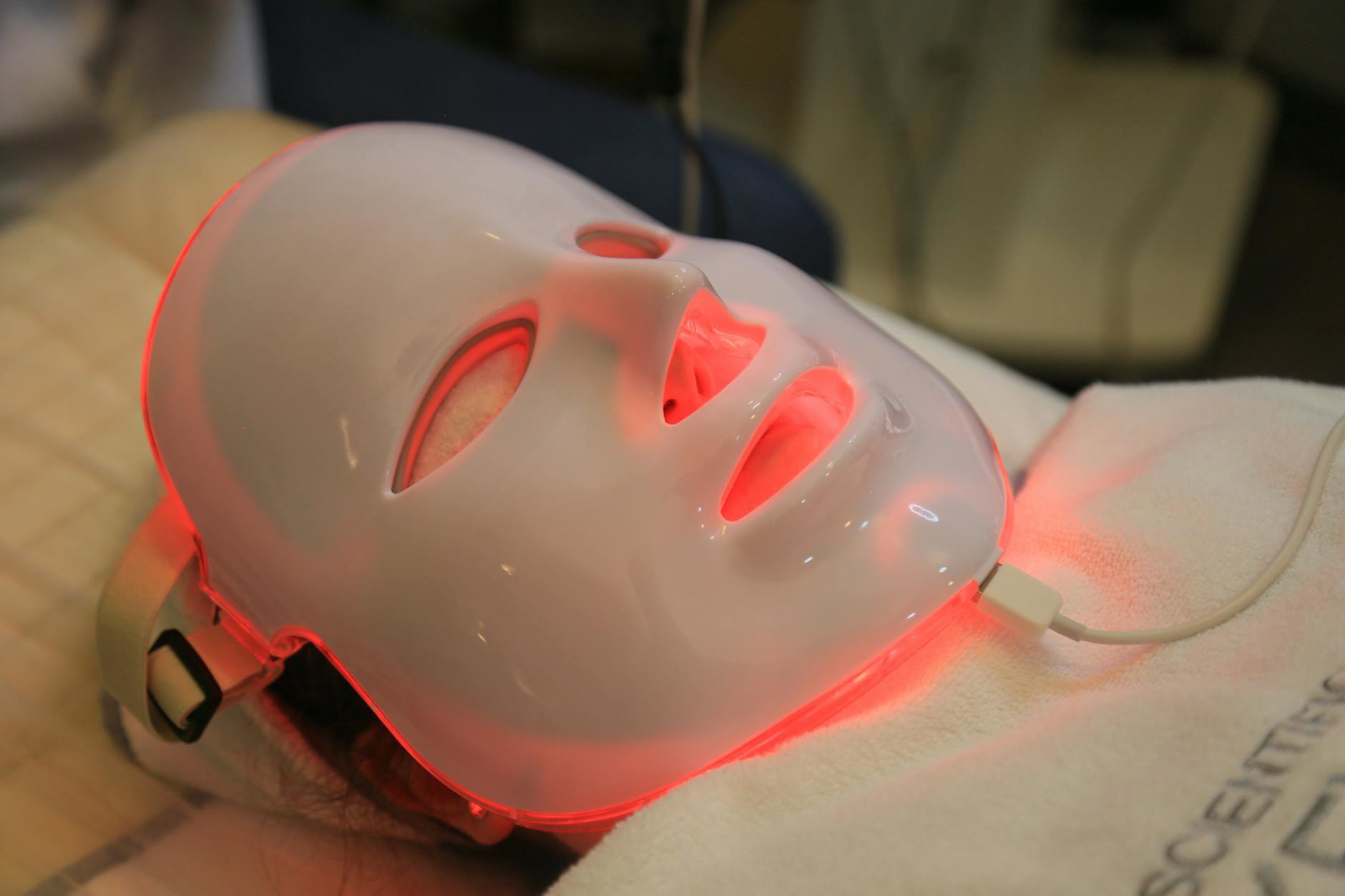
- LED masks: If you’re acne-prone or you chase that calmer, less inflamed look, red and blue light devices can make sense. I’d rather you buy one good device than three cheap gadgets you don’t use.
- Microcurrent: Results look subtle and depend on regular use. If you hate routines, skip it. If you love a five-minute ritual while watching telly, it can feel like a treat.
- Hair tools: If you heat-style a lot, spend on heat protection and a tool with good temperature control. If your hair goes flat by lunch regardless, a root-lift mousse plus a better blow-dry technique will beat another expensive wand.
Where I save: cleansing brushes and “mystery vibrating” gadgets. Your hands work fine, and a good cleanser does the heavy lifting. Put the money into a formula you enjoy using, like a gentle Foam & Wash Cleansers, and you’ll use it every day.
Haircare comfort on a budget: scalp, then lengths
When money feels tight, haircare becomes either a luxury you miss or the one thing you keep because it affects your whole mood. I vote we keep it, but shop it smarter.
I split hair spending into two lanes: scalp health (which affects shedding, oiliness, and itch) and cosmetic feel (shine, softness, frizz). They need different products, and mixing them up wastes money.
If your roots get greasy fast, don’t throw heavy masks at the problem. Use a shampoo that cleans properly, then condition only mid-lengths to ends. Look at Moisturizing & Nourishing Shampoos if your hair feels rough, but don’t be scared of a clarifying wash once a week if you use dry shampoo or styling cream.
If your ends look fried, don’t buy three shampoos. Buy one decent conditioner and one mask you actually use. A weekly Hair Masks habit beats a cupboard full of half-used bottles.
Product names I trust across price points:
- Kérastase masks feel like a proper treat and you don’t need much. I buy them when I know I’ll commit to weekly use.
- For affordable shine, L'Oréal Elvive lines often deliver a silky finish for sensible money, especially on CVS promotions.
- If you like that spa-clean herbal vibe, The Body Shop hair products can feel more sensory than their price suggests.
Technique that costs £0: apply conditioner with praying hands, then comb through with a wide-tooth comb, then rinse longer than you think. Most “my hair feels heavy” complaints come from not rinsing enough.
Fragrance as the affordable luxury (and how I make it last)
When I want pleasure without a full shopping spree, I go to perfume. One bottle can last months. One spritz can change the day.
Here’s how I shop it without overspending: I buy smaller sizes, I test on skin, and I stop pretending I’ll wear “a bold evening scent” on a Tuesday morning. Be honest about your real life.
If you want value, look at concentration and size. Eau de Parfum Perfumes usually last longer than Eau de Toilette Perfumes on my skin, but the formula matters more than the label. Some EDTs project beautifully. Some EDPs sit close.
My longevity routine is simple:
- Moisturize first (even a basic Body Lotions helps).
- Spray once on the chest under clothing, once on the back of the neck.
- If you want a hair mist effect, spray into the air and walk through. Don’t soak your hair in alcohol.
- Carry a travel spray if you love topping up. It stops you over-spraying at home.
If you shop at Space NK or John Lewis, ask for samples. If you shop online, look for discovery sets. They cost more upfront than a random blind buy, but they save you from bottles you never finish.
My tight-budget routine: the “two-serum ceiling”
When my budget needs to behave, I use a rule that keeps me from spiralling: I only run two serums at once.
One does the main job (retinoid or vitamin C). One supports (hydration, barrier, or calming). That’s it. Everything else becomes optional, and optional is where overspending hides.
If you want a template, here’s a sensible weekly structure that fits real life.
- AM: Cleanse (or just rinse), vitamin C or niacinamide, Day Face Moisturisers, SPF.
- PM (3 nights): Cleanse, retinoid, moisturizer.
- PM (other nights): Cleanse, soothing serum, Night Face Moisturisers.
- Once weekly: A gentle Face Exfoliants night or a hydrating Face Masks night, not both.
If you love gadgets, slot them in where they don’t add product steps. If you love makeup, keep skincare stable so your Face Primers and base sit nicely.
This is how I keep “self-care” from turning into “self-invoicing”.
What this means for you (practical takeaways)
If you feel pulled between “I should save money” and “I need my beauty rituals”, you don’t need to pick a side. You need rules that protect both your skin and your bank account.
Start with a quick audit: list what you rebuy monthly, what you actually finish, and what you impulse-buy because it sounds like a fix. Then set your own ceiling. Mine is two serums, one mask, one active, one fragrance at a time.
And when you want a treat, choose the kind that lasts. A perfume you adore. A hair mask you use weekly. A lipstick shade that makes you feel like yourself again. Those purchases pay you back every time you use them.
Over to you
Which part of your routine feels non-negotiable right now: skin, hair, makeup, or fragrance?
Tell me what you’re trying to save on, and what you refuse to give up, and I’ll help you build a routine that still feels like a pleasure.