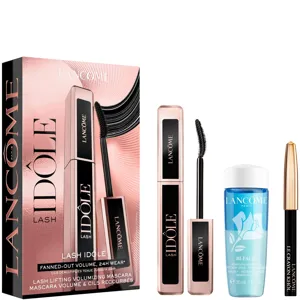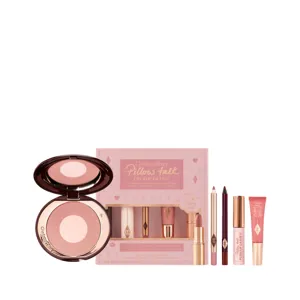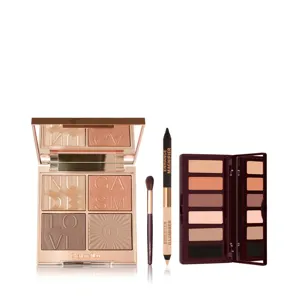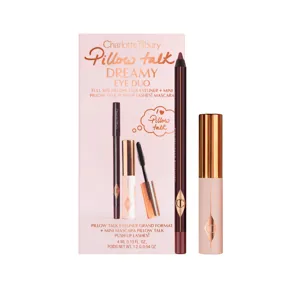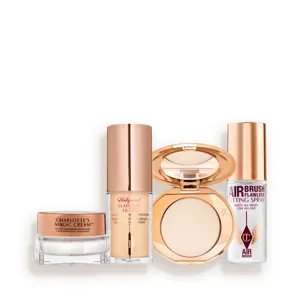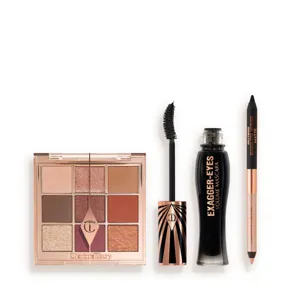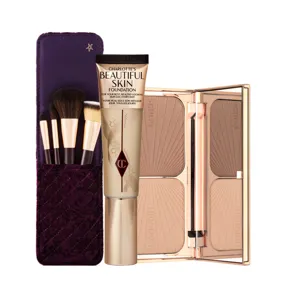
Our price tracker flags the same pattern every year: makeup sets flood Sephora, Ulta, and Target from October through January. They sell fast, then they hit clearance. Bargains tempt, but one question decides real value—do makeup sets expire? Yes. And the clock starts sooner than most shoppers think.
Not all formulas age at the same pace. Powders hold up. Wet products spoil faster. Minis can expire as quickly as full sizes, and some sets hide short dates. You can still score a set and use every last pan. You just need to read the clues, sort the contents, and store them right.
Here’s the definitive, data-driven guide to how long makeup sets last, which pieces go bad first, and how to keep your favorites fresh without guesswork.
Context: what the dates and data say
U.S. law does not require expiration dates on most cosmetics. Sunscreens and acne treatments count as OTC drugs, so brands must add dates. Everything else uses different signals. Look for the open-jar symbol—the Period After Opening (PAO). You’ll see “6M,” “12M,” or “24M.” That marks months of safe use after you open the product.
Some brands also print batch codes. You can ask customer service to interpret those, especially for sets. Batch information helps confirm age if a kit feels old stock. Across our merchant feed, we see sets move through warehouses for several months. Holiday kits often restock in December, then drop to markdowns in January and February. That timing matters if you plan to stash backups.
Formulation drives shelf life. Water-based and creamy items invite microbes. Powders contain little water, so they last longer. Climate also plays a role. Humid southern bathrooms push formulas to spoil faster than a cool, dry cabinet in the Rockies. Our data shows higher return chatter for mascara-heavy sets in summer. Heat speeds clumping and smell changes.
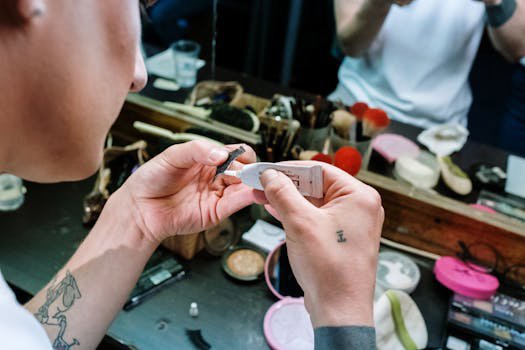
{{IMAGE:woman organizing makeup sets on vanity}}How to decode labels in a makeup set
Start with the PAO symbol on each item, not the outer box. Sets mix products with different timelines. One lipstick might show 18M. The mini mascara might show 6M. Potted cream blush might show 12M. Your set does not share one universal date. You must treat each piece on its own clock.
Scan for these details:
- PAO (open jar icon with 6M/12M/24M): You set this clock the day you first use it.
- Best-by or expiration date: Common on SPF primers, tinted moisturizers with SPF, and acne spot sticks. Respect those dates, even unopened.
- Batch code: Use brand support to confirm production month. This helps if a clearance set seems aged.
Check the shade roster too. If a kit includes bright reds, deep berries, and wearable nudes, plan your order of use. Open one lipstick at a time. Rotate to shades you’ll actually finish within the PAO window. That small change extends the whole set’s useful life.
Finally, match the container to the risk. Open pots invite more air and fingers. Sticks and wands protect better, but wands dip back into the tube. Mascara wands carry the biggest contamination risk. You can still love a bundle; you just need a smarter open-and-use plan.
Category-by-category shelf life inside sets
Sets mix powders, creams, and liquids. Their clocks differ. Use these ranges as practical guides. Always stop at the first sign of change—smell, texture, color shift, or eye irritation.
Powder products: Most pressed or loose powders last 18–24 months after opening. Think bronzers, highlighters, and many palettes. They contain minimal water, so microbes struggle. Watch for hard pan from oils, major crumbling, or stale odor. Eye powders usually sit in this safer group. Explore current Eye Shadow Palettes if you want longevity in a set.
Traditional bullet lipsticks: Many hold for 12–18 months once opened. Creamy bullets use waxes and oils that can turn rancid. Smell tells the truth. Toss if it smells like crayons or tastes off. Liquid lipsticks and glosses tend to spoil faster than bullets, especially if you re-dip often. For fresh replacements, compare shades in Lipsticks.
Foundations and concealers: Liquids and creams usually sit at 6–12 months after opening. Water, pigments, and emulsifiers split over time. Air and heat push separation. When in doubt, replace. Converters like mixers and drops follow similar clocks. If your set bundles a base product, log the date you open it and stick near the PAO. Shopping for a new base? Cross-check options in Liquid Foundations.
Primers and color correctors: Silicone-heavy primers can last 12–24 months if they avoid heavy water content. Hydrating primers with humectants tend to sit closer to 12 months. Any primer with SPF must show a date. Treat that date as hard stop. You’ll find SPF and non-SPF options in Face Primers and broader sun care in SPF Protection Products.
Mascara and liquid eyeliner: Keep to three months once opened. Sets often include minis that entice daily use. Air exposure and microbes build fast on wands and felt tips. Clumps, dryness, or odor mean it’s done. Browse fresh picks in Mascaras and avoid stretching them past that window.
The highest-risk items in kits—and the red flags
Some set pieces fail sooner than others. You can spot risk before you open the box. This helps you plan use and avoid waste.
Mini mascaras and liquid liners: Brands love to tuck these into value kits. They make the set look generous. They also expire soon after opening. Treat any eye-area liquid as a strict three-month product. Signs to watch: thinner or thicker than usual texture, lash flakes, new smell, or eye stinging. Replace without hesitation.
Glosses and liquid lipsticks: Doe-foot applicators re-dip with every swipe. That action introduces saliva and food residue. Glosses can sour within 6–12 months. If scent dulls or turns sour, or if the tube shows bubbles that stay suspended, bin it. If you want lower-risk lip color in sets, favor bullet lipsticks or crayons.
Pot concealers and cream blush in pans: Fingers add warmth and bacteria. If your set includes a pan, use a clean brush or spatula. Cream pans often last 6–12 months. Discard at the first sign of film on top, color darkening, or waxy odor.
SPF-infused makeup: Sunscreen turns time-sensitive. Some brands print two symbols: PAO and a hard expiration date. Respect the date for UV protection. If a set bundles a SPF primer or tinted base, rotate that product to the front of your queue and finish it first.
Unopened does not mean forever
Shoppers often assume sealed equals safe for years. That myth creates waste. Most unopened makeup stays stable for 2–3 years if you store it well, but not always. Heat, UV, and long warehouse cycles reduce that buffer. Holiday stock can move from factory to boat to truck to shelf over many months. That journey exposes pallets to temperature swings even before you buy.
We see bigger price drops on sets by February and March. Clearance sits longer. That can mean older batches. If you buy backup kits, store them in a cool, dark drawer. Skip the bathroom cabinet. Steam and heat speed breakdown even in sealed boxes.
Choose retailers that turn stock fast. Sephora and Ulta usually move holiday sets by spring. Big-box clearance can linger into summer. Amazon varies by seller. Check the brand’s official store if you shop marketplaces. If the product arrives hot from a delivery truck in August, let it rest at room temperature before opening. Then check smell and texture on day one.
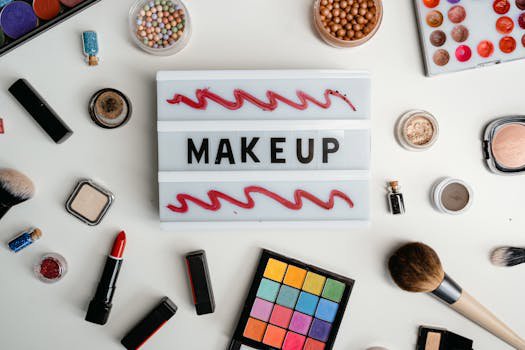
{{IMAGE:flatlay of makeup palettes lipsticks and mascaras}}Storage that actually extends the life of your set
You control more than you think. Smart storage buys months of safe use. Create one simple rule: cool, dry, dark. That rule outperforms fancy gadgets.
Build a routine that works:
- Keep sets in drawers or lidded boxes away from sunlight and radiators.
- Skip the bathroom. Steam degrades binders and promotes microbes.
- Use silica gel packets in kit drawers if you live in high humidity.
- Tighten caps fully after each use. Air is the enemy.
- Open one mascara at a time. Treat wands like perishables.
- Aim clean tools at pans. Wash brushes weekly. If you need an upgrade, see Makeup Brushes & Applicators.
What about the fridge? Cold helps some gel eye patches and metal rollers feel soothing. For makeup, refrigeration can cause condensation and separation. A consistent room temperature works better than a kitchen shelf. If a product label asks for cool storage, follow that. Otherwise, keep it dry and stable.
Travel smart. Heat in a parked car can bake formulas in hours. Pack sets in a shaded bag and bring them inside. Minis suit travel, but remember their short PAO clocks. Open them only when you plan to finish them soon.
Holiday sets, minis, and the value math
Holiday brings the splashy vaults and blockbuster palettes. Our data shows sets dominate Q4 sales, then clearance shapes Q1. Value depends on your plan, not the sticker. Treat minis as immediate-use items. Treat powder palettes as your slow burn. Order your openings for the calendar you live in.
Good strategy looks like this: buy a kit for the powder face palette and the bullet lipstick. Open the powder first. Save the lipstick sealed until you need a fresh nude. Skip the included mini mascara unless you can finish it in three months. If the set holds a cream blush, open it when the weather cools and you can store it away from sun and heat.
If you love a brand’s holiday curation—Charlotte Tilbury, Tarte, or Sephora Collection—check shade overlap with what you own. Duplicates sit unused and expire anyway. Shop smarter by filtering for wearable tones you finish in a year. You can browse live availability and compare across retailers in Makeup Sets. Add picks to your wishlist. We will ping you when prices drop so you don’t buy too early—or too late.
Target’s bundles often pair L’Oréal or e.l.f. staples. Sephora and Nordstrom curate higher-ticket brands. That split tells you how long you will keep the kit. If you churn through drugstore mascara every three months, that set belongs in your cart. If the set hinges on a luxe cream highlighter you use twice a month, wait for a markdown.
How to audit your stash—and avoid eye irritation
Set a quarterly check-in. You do not need a spreadsheet. A marker and five minutes work. Write the month and year on the bottom of each piece when you open it. Then run this quick audit:
- Smell: rancid, sour, or crayon-like equals toss.
- Texture: clumps, strings, oil pools, or hard pan signal age.
- Color: gray cast, darkened creams, or faded brights point to oxidation.
- Performance: new stinging, watery eyes, or patchy wear mean stop.
Pay extra attention to eye products. Mascaras, liquid liners, and cream shadows near the waterline carry more risk. Replace them on time. You can filter replacements quickly in Mascaras or scan long-wear options in Eye Shadow Palettes if you want powder-based safety.
Handle tools with care. Dirty brushes seed bacteria into fresh pans. Wash brushes weekly with gentle cleanser. Let them dry fully before storage. If your set includes a tiny brush, treat it like any other brush. Upgrade to a full-size tool for better hygiene and performance. See current options in Makeup Brushes & Applicators.
Build a replacement plan before you toss. Add your usual black mascara and favorite nude lipstick to your GlamGeek wishlist. We track prices across Sephora, Ulta, Target, Amazon, and Nordstrom so you don’t have to. We will alert you when the price dips, so you can replace on time without paying extra.
What to do with near-expiry items
Use safe items first. Move lipsticks and glosses you opened last spring to the front row. Finish them before you crack open a new holiday shade. Powders that still look and smell fine can wait a little longer.
Gift only unopened, recent stock. Check dates and batch codes before you wrap anything. Most shelters and donation centers accept new, sealed cosmetics. Many refuse opened items for safety. Always check local policies first. Never gift anything past a printed expiration date, especially SPF or eye products.
Recycle empties and expired packaging where you can. Some retailers host take-back bins. Many municipalities accept rigid plastics. Check caps and pumps for mixed materials. When in doubt, drop them in a store program on your next beauty run. If your set includes a brand that offers returns for packaging, use it. Programs change, so verify details on the brand’s site before you plan a drop.
Replace smarter. If a kit pushed too many duplicate shades into your drawer, skip the next all-in-one vault. Build a custom routine instead. Shop individual Face Primers, switch to a powder-forward palette, or try a different base in Liquid Foundations. Add your short-lifespan items to your wishlist, so you buy them during real sales and still replace on schedule.
What this means for your next makeup set
Makeup sets do expire. That fact does not ruin their value. It frames how you buy and use them. Treat every item on its own timeline. Powders can wait. Wet formulas move first. Open eye-area liquids last only three months. SPF dates live outside the PAO rules. Plan your usage around those clocks, not around the entire kit.
Storage does the rest. Keep your set away from heat, light, and steam. Close caps tight. Wash tools. Open one of each category at a time. Use minis when you can finish them on time. Track openings with a marker. When you hit the replacement window, check live pricing. Browse current Makeup Sets, compare favorites in Lipsticks and Mascaras, and let GlamGeek’s alerts do the legwork.
Ready to cut waste and keep your makeup fresh? Add your staples to your GlamGeek wishlist today. We will track prices across major retailers and nudge you when it’s the right moment to restock.
How do you time your sets—do you open everything at once or pace it by category? Which formulas spoil fastest for you in your climate? Tell us what you want us to track next, and we’ll build the comparison to match.