Understanding Lip Balm Ingredients
Primarily, lip balms are composed of several ingredients, each playing a unique role in maintaining lip health. Key elements include emollients, which provide an occlusive layer on the lip surface to seal in moisture and protect them from external exposure; waxes that give the balm its shape and help it remain solid; and humectants, which attract water molecules, assisting to keep the lips hydrated. Some lip balms may also include flavorings, colorings, vitamins, and other additives for additional benefits.
Understanding the constituents of lip balms aids in comprehending their shelf life and potential expiry. However, no matter how beneficial the ingredients may be, they can degrade over time and lose their effectiveness, leading to the potential for the lip balm to expire.
Shelf Life of Lip Balms
The shelf life of lip balms typically ranges from one to three years. However, it's not a hard-and-fast rule as it highly depends on the balm's ingredients and storage conditions. Like other cosmetics, lip balms don't come with a set 'expiration date.' Instead, you might notice a 'Best Before' or 'Period After Opening' abbreviation from the manufacturer. The former suggests the timeframe in which the product will maintain its optimal quality, while the latter indicates the period in which the product needs to be used after opening for the first time.
Usually, natural or organic lip balms containing pure oils and butter tend to have a shorter shelf life due to the absence of preservatives. Synthetic lip balms, on the other hand, may last longer due to the inclusion of synthetic preservatives. Regardless of the type, once the lip balm has reached its threshold, it is considered expired.
Visible Signs of Expired Lip Balm
Avoiding expired lip balm can be a bit tricky since it is not always evident. However, there are a few noticeable signs you can look out for. If the lip balm has developed a funny or rancid smell, that's a clear sign it's past its prime. The consistency of the balm can also change over time. If it feels grainy, thickened, or overly runny when applied rather than a smooth glide, it's a sign that it's gone bad. Changes in color are another red flag. Lip balms can lose or change their color when expired, especially if they contain added colorings or extracts.
Potential Risks of Using Expired Lip Balm
Applying expired lip balm might not seem like a big deal, but it can potentially have some drawbacks. One of the major risks includes skin irritation. The breakdown of active ingredients can cause a negative reaction on your delicate lips leading to redness, swelling, or a rash. In severe cases, expired lip balm might also lead to contact dermatitis.
Furthermore, as the product ages, it can become a breeding ground for bacteria, especially if you have been dipping your fingers into a pot. Once these microbes find their way to your lips, they can cause all sorts of problems including infections and cold sores. Hence, using expired lip balm is best avoided.
How to Properly Store Lip Balm
The lifespan of lip balms majorly depends on how they are stored. To make the most out of your balm, avoid extreme temperatures. High temperatures can melt your balm whereas low temperatures can make it too hard to apply. Keeping your lip balm in cool, dry places, away from direct sunlight, is ideal. Furthermore, remember to close the cap tightly after each use as exposure to air can dry out the balm and speed up its degradation process.
A little hygiene can also ensure a longer shelf life for your lip balm. Make it a point to clean your hands before application, especially if you are using a potted balm. This can prevent bacteria transmission from your hands to the balm.
Factors Influencing Lip Balm Expiry
Several factors, other than storage conditions, can influence a lip balm's expiry date. The ingredients play a major role. As stated earlier, balms containing natural ingredients tend to have a shorter lifespan due to the absence of preservatives. On the other hand, lip balms containing parabens or other preservatives may last longer.
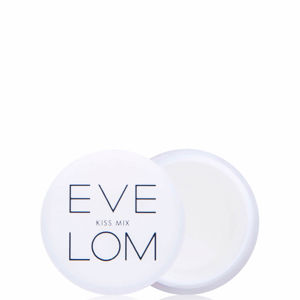
The way the balm is used can also determine its longevity. Dip-style pots could potentially harbor more bacteria compared to stick style balms due to the frequent finger contact. Apart from this, if your lip balm has been exposed to any bacteria from a cold sore or any other lip infection then regardless of the 'best before' date, it is recommended to replace it immediately.
Extending the Lifespan of Your Lip Balm
Proper handling and use can extend the lifespan of your lip balm. Always clean your hands before application, especially if you are using a potted balm. Stick balms are more hygienic than pot balms, as they minimize direct contact with your fingers. Make sure to keep the lip balm capped and stored in a cool and dry place.
Another factor within your control is the amount of product you use. Many people tend to overuse their lip balm, applying it several times a day. Optimal use not only makes the lip balm last longer but also ensures that your lips don't become reliant on it for moisturization.
A final tip to prolong the life of your lip balm is to steer clear of sharing it. Not only does sharing increase the chances of bacterial transfer, but it also depletes the product quicker.