I love a red carpet beauty slideshow as much as the next woman. But the dirty secret is this: most “iconic” glow looks don’t come from a single hero product.
They come from boring consistency, a few proven ingredients, and makeup applied like you want it to last through real life—commuting, dry office air, and that one friend who insists on patio seating.
So instead of chasing whatever went viral after the Oscars or the Met, I’m going to give you the repeatable blueprint. The kind you can do with drugstore staples, a couple of strategic splurges if you want them, and zero fantasy lighting.
Why 2026 red-carpet beauty looks “hit” (and why yours can too)
Red carpet skin reads different because it gets built in layers: hydrated base, controlled shine, and targeted brightness. On camera, flat skin looks dull. Overly dewy skin turns into a reflective sheet. The sweet spot sits right in the middle.
Most of the looks we’ve seen trending this spring lean into the same formula: softly defined brows, warm bronzy structure, and skin that looks like it drinks water and minds its business.
Here’s what I want you to steal from those looks:
- Strategic glow (high points only) instead of all-over grease.
- Even tone from skincare + corrector, not heavy foundation.
- Texture control with gentle exfoliation and barrier repair.
- Long-wear placement: thin layers set where you crease, leave the rest flexible.
If you’ve got dry skin, you’ll focus on cushioning hydration under makeup. If you get oily by lunch, you’ll focus on oil control without stripping. Different routes. Same destination.
The “proven ingredients” shortlist (and what they actually do)
Beauty headlines love a long ingredient list. I don’t. If you want results that show up under makeup, you need a tight rotation of actives with real evidence behind them. In 2026, the same classics still win.
Retinoids (retinol, retinal, adapalene) speed up cell turnover and help with fine lines, uneven tone, and breakouts. Translation: smoother makeup days. If you’re new, start low and slow. Two nights a week beats seven nights of peeling.
Vitamin C (L-ascorbic acid or good derivatives) helps with dullness and discoloration. It also supports collagen. Translation: brighter, more even-looking skin over time. It won’t replace sunscreen. Nothing does.
Niacinamide helps with oil regulation, redness, and barrier support. Translation: less blotchy foundation, fewer random dry patches, and less midday shine if you pick the right formula.
AHAs/BHAs smooth texture. AHAs (like glycolic and lactic) help surface dullness. BHA (salicylic acid) gets into pores. Translation: fewer bumps that make highlighter look chunky.
Peptides sit in the “nice-to-have” category for me. Some formulas feel great and support hydration. I just don’t want you skipping sunscreen and expecting peptides to carry the team.
If you want to browse by category rather than brand hype, GlamGeek’s pages for Anti Ageing Face Serums and Day Face Serums make it easier to compare options by retailer and price history.
The order of operations: a routine that won’t pill under makeup
Pilling ruins more “glow” than any lack of highlighter. You don’t need a 12-step routine. You need layers that play well together.
Morning (makeup days):
- Cleanse lightly. If you wake up dry, rinse and go. If you wake up oily, use a gentle Foam & Wash Cleanser.
- One active max: vitamin C or niacinamide. Not both if you’re sensitive.
- Moisturizer: pick texture based on skin type. Gel-cream for oily. Cream for dry. (Browse Day Face Moisturisers if you want to compare finishes.)
- Sunscreen. Always. Your glow looks better when you stop collecting new discoloration. Use SPF Protection Products you’ll actually reapply.
Night (results nights): cleanse, moisturize, then either retinoid or exfoliant. Never both in the same night if you want your barrier to stay calm.
If you wear long-wear foundation, double cleanse. If you don’t, don’t force it. Over-cleansing makes skin flaky, and flakes make foundation look older than it is.
One more practical tip: give each layer 60–90 seconds before the next one. That pause prevents the “eraser shavings” effect when you apply primer.
Budget skincare picks I’d actually use for red-carpet prep
I’m not going to invent prices, because they change weekly at Target, Ulta, and Amazon. But I can tell you what’s consistently available, what works, and what’s worth watching for sales.
For vitamin C (brightening): I like CeraVe Skin Renewing Vitamin C Serum for a no-drama option. If your skin tolerates stronger formulas and you store them well, La Roche-Posay Pure Vitamin C10 works nicely. If a vitamin C makes you sting every morning, skip it and use niacinamide instead.
For niacinamide (oil control + barrier): The Ordinary Niacinamide 10% + Zinc 1% remains a solid budget pick, but it can feel tacky on some skin. If you pill easily, try niacinamide inside a moisturizer instead of a standalone serum. Clinique also makes barrier-friendly options if you want a gentler feel, though I wait for gift-with-purchase season.
For retinoids (texture + lines): Differin Gel (adapalene) stays one of my favorite “proof over poetry” choices for acne-prone skin. If you want a cosmetic retinol, RoC Retinol Correxion lines work for many women. Start 2–3 nights weekly and moisturize after.
For exfoliation (glow that looks like sleep): Paula’s Choice 2% BHA Liquid works when clogged pores make your makeup bumpy. If you lean dry, a lactic acid serum once a week often looks better than daily BHA.
And yes, I still love a simple, boring moisturizer. A strong barrier makes everything—foundation, blush, highlighter—sit better. Don’t overthink it.
Makeup that reads expensive on camera (even if it isn’t)
The red-carpet “luxury” effect usually comes from finish and placement, not brand names. You can build it with smart drugstore and a couple of targeted upgrades.
Primer: if you crease around the nose or your foundation breaks up by hour four, use a primer only where you need it. Look at Face Primers like a tool, not a mandatory step. I’ve had great long-wear days with NYX primers when I keep application thin.
Foundation: choose by your problem. If you want skin-like coverage, go for a flexible finish and spot conceal. If you need longevity, choose a long-wear formula and use less of it than you think. Browse Liquid Foundations and filter by finish if you get overwhelmed in-store.
Concealer: under-eyes need thin, hydrating formulas set lightly. Blemishes need a drier formula pressed in. One concealer rarely does both. I keep two types in rotation from the Liquid & Cream Concealers category and stop expecting one wand to solve my whole face.
Powder: powder doesn’t kill glow when you place it correctly. Press a small amount on the sides of the nose, under-eye creases, and the center of the forehead. Leave cheeks alone if you want that “lit” look.
Blush + bronzer: the quickest way to look pricey sits here. Cream blush under a thin veil of powder blush lasts longer and looks smoother. Revolution and KIKO both do strong cheek products that don’t require a trust fund.

Eyes and lips: the details that make you look “done” up close
Red-carpet makeup artists build impact where cameras focus: eyes, brows, and lips. You can do the same without turning your face into a trend experiment.
Bright under-eyes without cakiness: If you deal with darkness, color correct first. Peach for blue-purple tones. Light orange for deeper tones. Then use a small amount of concealer. If you keep piling on concealer, you’ll emphasize texture. I’d rather see a hint of darkness than a cracked under-eye.
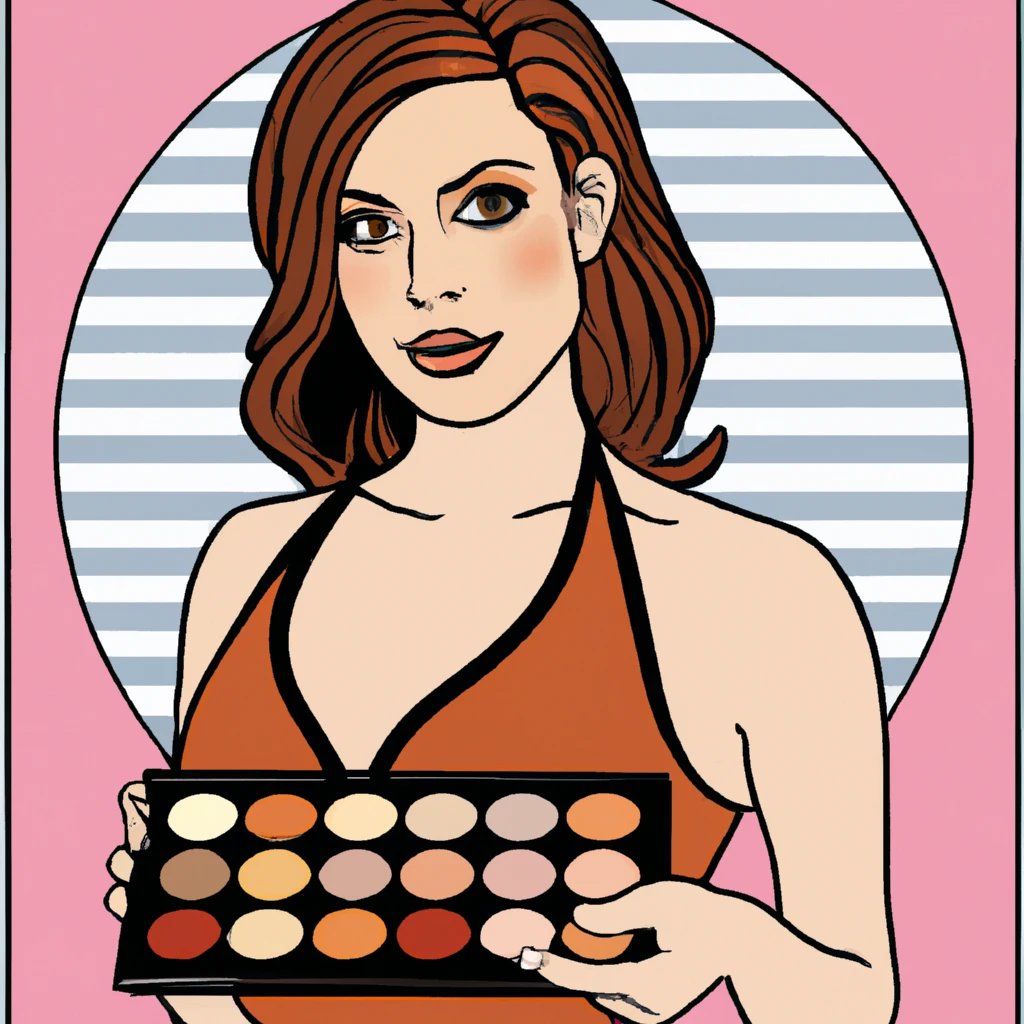
Eyeshadow that looks intentional: Pick one mid-tone matte and one shimmer. That’s it. Use the matte slightly above your crease, then tap shimmer on the center lid. If you want palettes, browse Eye Shadow Palettes and choose based on undertone, not influencer hype.
Mascara and lashes: A great mascara beats mediocre falsies. If you do wear lashes, choose a wispy style and trim the outer edge. Then place them slightly above your natural lash line. (If you stock up, store them properly. Your eyes will thank you.) You can compare options in Mascaras and False Lashes.
Lips: If you loved the red-lip Oscars moment, keep it wearable with two steps: line and blot. Line with a pencil, fill in, then blot once. Add lipstick again only to the center and press your lips together. If you need categories, start at Lipsticks.
My verdict on “statement lips” for daily life: worth it if you prep them. A basic balm at night and a quick lip scrub once weekly changes everything. Look at Lip Balms & Creams if your lipstick keeps catching on flakes.
Spring fragrance trends, minus the nonsense: dessert vs flowers
Spring 2026 fragrance coverage keeps circling the same tug-of-war: dessert gourmands versus modern florals. I’m not mad about it. Those two families dominate because they wear well and get compliments.
If you want a “dessert” vibe without smelling like a candle, look for notes like vanilla, tonka, praline, or soft musk, but avoid heavy syrupy accords in heat. If you want florals that don’t read as powdery, look for freesia, peony, orange blossom, or airy rose with clean musk.
My practical rule: choose based on your daily environment.
- If you work in close quarters, go lighter and spray under clothes, not on your neck.
- If you live somewhere humid, skip thick caramel notes in daytime.
- If your skin eats fragrance, moisturize first and spray hair lightly.
- If you get headaches, pick an Eau de Toilette Perfumes concentration or a softer musk floral.
For shopping, I compare sizes and concentrations first. An Eau de Parfum Perfumes bottle can cost more upfront but last longer per wear. Also: sample before you commit. Sephora and Ulta make this easy, and Nordstrom’s fragrance counters still do it best.
If you want a classic floral that stays relevant, I still respect the French houses like Guerlain and Lancôme. If you want clean, modern polish, I often point women toward Shiseido for skin prep and then let fragrance be the fun part.
The 72-hour “event glow” plan you can actually follow
If you have a wedding, graduation, or big dinner, you don’t need a new routine. You need a short plan that avoids irritation.
Three days before: exfoliate once if your skin tolerates it. Then focus on hydration. If you love masks, use a simple hydrating one from the Face Masks category. Skip anything that promises “instant peel.” Your face won’t forgive you.
Two days before: do your retinoid night only if you already use retinoids without drama. If you don’t, skip it. New actives before an event almost always backfire.
One day before: keep it gentle. Cleanse, moisturize, sleep. If you deal with puffiness, use a cold compress for a few minutes. Don’t start a new eye cream and expect miracles.
Day of: moisturize, sunscreen, then wait a few minutes before makeup. Use thin layers. Set only where you crease. Add glow last, and keep it on the cheekbones, not your pores.
Verdict: this plan works. It also works when your skin feels stressed, because it prioritizes calm over chaos.
What this means for your everyday routine (not just award season)
Those “best looks of all time” headlines land because they sell fantasy. You don’t need fantasy. You need a routine that survives Tuesday.
If you take nothing else from this, take these three practical rules:
- Pick two proven actives and commit for 8–12 weeks.
- Stop mixing everything at once. Irritation never looks glowy.
- Makeup looks expensive when skin feels comfortable. Barrier first.
- Shop with intent: compare finishes and sizes, not hype.
When you want to price-check staples across retailers, GlamGeek’s tracking can show when the same product swings between Sephora, Ulta, and Target promos. I use that info to time restocks, not to buy more stuff.
And if you feel like your makeup never looks like the photos, I’ll say it plainly: lighting and skin prep do half the work. You can control one of those every single day.
Sign-off: tell me your real-life “glow” problem
What ruins your glow fastest—pilling, dry patches, midday oil, or makeup sliding off by dinner?
If you tell me your skin type and your usual base products, I’ll point you toward the simplest fix. No 12-step routine required.