Our price tracker flagged a shift by late 2025: core skincare and staple makeup started selling through faster than splashy new launches. Repeats rose. Discovery slowed. Women bought with purpose.
That momentum held into 2026. The winners aren’t the longest routines. They’re the clearest. The edit is in—fewer steps, smarter actives, better textures, and one strong makeup signature. Call it intention-first beauty.
We rate this move. It saves time, cuts waste, and stretches the budget. It also looks better on skin.
Let’s set the stage. The 10-step era peaked. Lockdowns lifted. Budgets tightened. The mass of minis and half-used bottles began to feel pointless. Our merchant feed showed more women replacing a favorite serum than chasing the latest drop. Search interest swung toward “retinol vs peptide” and “best SPF under makeup,” not “what’s new.”
Retail calendars still push buying cycles—Sephora Spring Savings, Ulta 21 Days of Beauty, Black Friday. Yet across those events we saw a different basket. Sunscreen, a trusted retinoid, a dependable mascara, and one lipstick shade that actually gets worn. Less fluff. More function.
Brands took the hint. Fewer launches, tighter shade ranges, clearer ingredient callouts. You can now tell in one glance whether a serum brings retinoids, vitamin C, or niacinamide. And you can spot a face moisturizer that doubles as a primer without reading five paragraphs of copy.
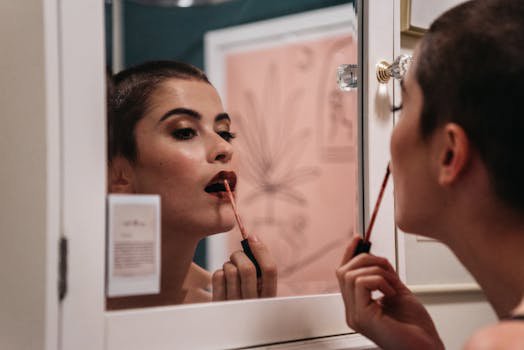
{{IMAGE:woman applying skincare in a minimalist bathroom}}The Lean Routine: Two Anchors, One Swing Step
Intention-first routines start with two anchors: cleanse and protect. Everything else rotates with needs, seasons, and skin mood. You don’t need eight bottles out at once. You need clarity.
Morning looks simple. Cleanse if you need it. Hydrate. Then SPF. Many women skip a separate moisturizer if the sunscreen handles moisture. That choice cuts a step and reduces pilling under makeup. If you prefer a brightening layer, slot a vitamin C or niacinamide serum under sunscreen. Pick one, not both, on most days.
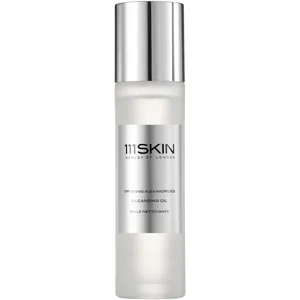
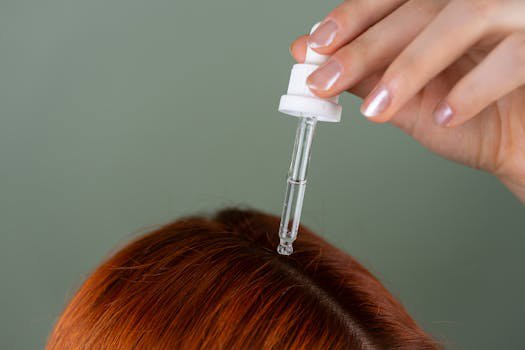
Evening does the work. Remove sunscreen and makeup. Use a dedicated active three or four nights a week. That might be a retinoid, an exfoliating acid, or a peptide serum. Keep the other nights for barrier repair with a plain cream. If your skin feels tender, skip actives. Your routine should flex with your skin, not your calendar.
Our tip: keep one “swing step” that changes. That slot holds either a brightening serum, an anti-redness pick, or a hydrating booster. Label the bottle you’re using and finish it before opening the next. You’ll see results and reduce clutter.
Actives With Intention: Choose Your Pillars
Most results in skincare come from a few pillars. You can cover them without a crowded shelf. We suggest this matrix:
- Vitamin C or niacinamide in the morning for tone and brightness.
- Retinoid at night for texture and long-term firmness.
- Acid exfoliation once or twice weekly if you tolerate it.
- Peptides or barrier support on off-nights.
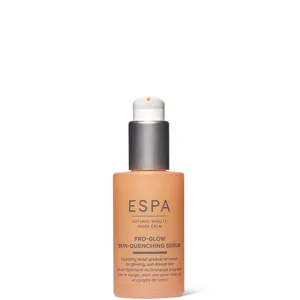
That’s it. You don’t need three versions of each. You need one well-formulated option per lane. If you want to see what’s trending by ingredient, browse our Anti Ageing Face Serums to compare textures and claims in one place. Add contenders to your wishlist and we’ll ping you when the price drops.
Respect strength and frequency over hype. Sensitive skin can thrive on lower-strength retinoids used consistently. Many women find that a gentle vitamin C derivative brightens with fewer stings than pure L-ascorbic acid. Exfoliation works best when you limit it. Start with once weekly and see if your skin even needs a second day. If flakes and redness show up, scale back. Skin talks fast when it’s unhappy.
If you like to switch actives seasonally, rotate with intention. Try vitamin C in humid months, when pigmentation flares. Favor peptides and ceramides in dry winter air. For a tidy exfoliation edit, check our Face Exfoliants and filter by AHA or BHA to keep your choice clear.
Sunscreen Is The Non‑Negotiable
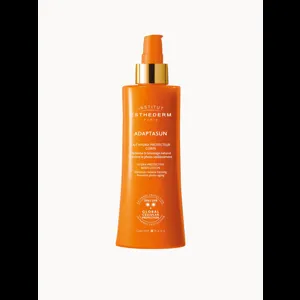
Every intention-first routine stands on sunscreen. No serum can outsmart UV. But you can pick an SPF that fits how you live, your climate, and your makeup style. That match is what makes daily use stick.
Go by feel and finish. If your skin skews oily or you live in a humid state, choose a gel-cream or milk with a natural finish. If you’re in a dry climate, try a cream with ceramides. Many women in mixed weather keep two textures and switch as needed. That’s smarter than forcing one bottle to do it all.
Consider application style. If you wear tinted moisturizer or foundation, make sure the SPF underneath sets well. Wait a minute or two before makeup. For body, go generous and aim for formulas you don’t mind reapplying. We see high repurchase rates on unscented body SPFs because they work at the beach and the office.
Shop like a pro. Check filters and formats in our SPF Protection Products section, then compare prices across Sephora, Ulta, Target, Amazon, and Nordstrom. Our price tracker often shows seasonal drops around Memorial Day and Labor Day. Add your pick to your wishlist and we’ll alert you when it dips.
Body Care, But Elevated
Face gets the headlines, but body care carries most of your surface area. Intention-first body routines focus on two moves: cleanse without stripping, then moisturize with purpose. If keratosis pilaris or flakiness bugs you, add a gentle body exfoliant once or twice a week.
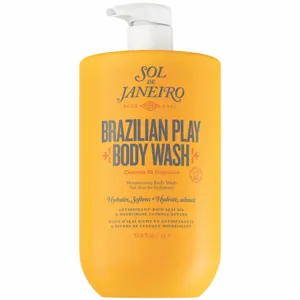
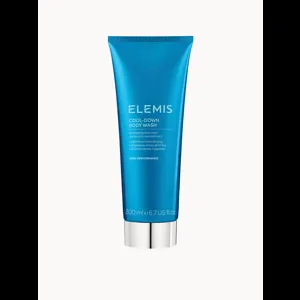
Pick a shower formula you actually look forward to using. That increases compliance, which hydrates skin more than any rare extract. Our shoppers favor fragrance-light gels for the morning and richer cleansers at night. You can scan textures, sizes, and scent notes in Shower Gels & Body Washes and see which retailers discount large sizes most often.
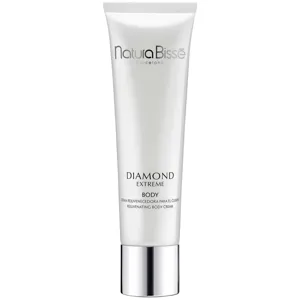
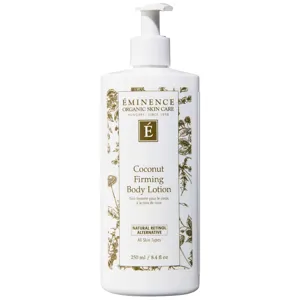
For moisturizers, we like a simple split. Use a lighter lotion in warm months and a thicker cream when heat kicks on. Look for urea, lactic acid, or ceramides if you want smoothing without harsh scrubs. You’ll find plenty of options in Body Lotions that list those workhorse ingredients up front. Add one tried-and-true tub for nights when your shins feel like paper.
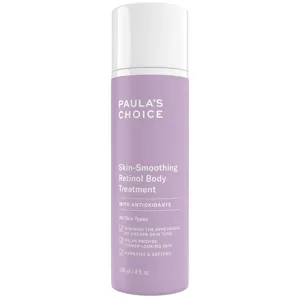
If you need one extra step, keep it targeted. An occasional body peel pad on upper arms can do more than a daily gritty scrub. Apply after shower, moisturize, and skip it the next day. The point is steady progress, not instant overhaul.
{{IMAGE:woman in red lipstick with minimalist makeup}}The Capsule Makeup Wardrobe
The makeup edit that sticks in 2026 looks tight and polished. Think one base that suits your skin, a brightening concealer, a brow product, a tubing mascara, and a signature lip. The face reads clean. The lip carries personality.
Start with the base you actually finish. Some women prefer a skin tint. Others want a satin foundation. Pick one that wears well over your SPF. If you need ideas, compare textures in our Liquid Foundations. Filter by coverage level and finish. You’ll see which retailers run gift-with-purchase offers most often as well.
Concealer should brighten under the eyes and spot-correct without cakiness. Reach for a formula that stretches and sets. You can find good mid-tier options during Ulta 21 Days of Beauty. Keep shade editing tight to reduce returns. If you only click one link, make it our Liquid & Cream Concealers roundup to compare applicators and wear claims side by side.
For mascara, we see strong loyalty to smudge-resistant tubing formulas, especially in humid states. They remove with warm water and avoid raccoon eyes. Track discounts in our Mascaras hub and add your favorite to your wishlist to catch flash sales. Don’t hoard backups; unopened tubes dry out in drawers.
One Bold Red Lip, Many Moods
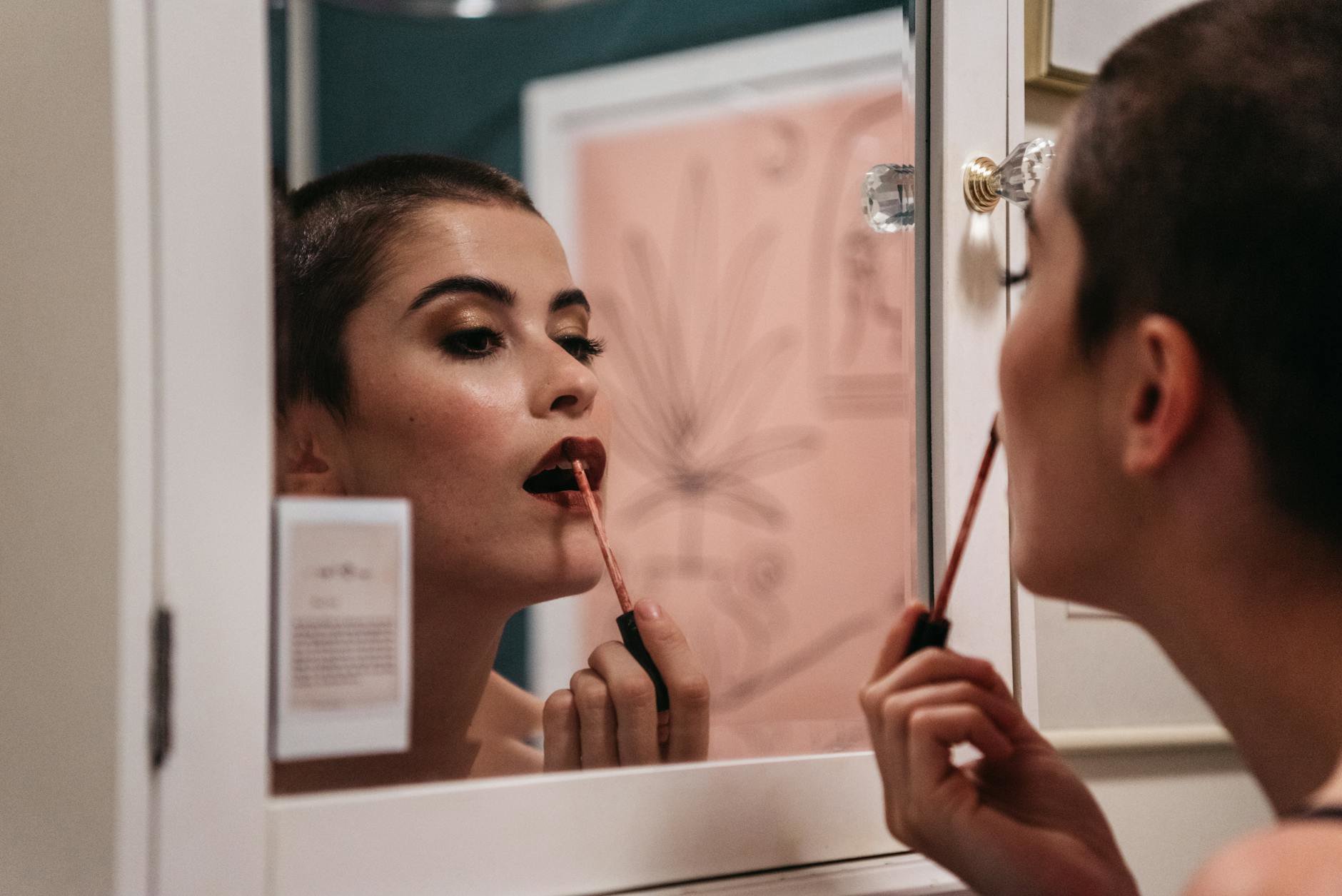
We love a signature red as the finishing touch. Wear it full-strength for a meeting or sheered out for school pickup. That single bullet earns its spot more than a drawer of almost-shades. Start with undertone. Blue-leaning reds brighten teeth. Orange-leaning reds radiate on warm complexions. Neutral reds suit most faces.
Many women anchor their kit with a classic from MAC because the textures feel familiar and the shade naming is clear. But you don’t need to chase every new finish. One matte and one balm-like formula cover most use cases. Reach for a matte when you want crisp edges. Use a balmy tint when you want comfort and no mirror fuss.
Prep with a quick exfoliation and a thin layer of balm. Blot, then apply your red. For a diffused look, press the bullet into the center of lips and blur with your ring finger. For definition, trace the cupid’s bow with the tip and clean the edges with concealer.
Not sure where to start? Sort by finish and undertone in our Lipsticks section. You’ll see which shades swing in and out of stock the most, which hints at popularity beyond hype. Add your shortlist to your wishlist and watch for bundle deals around holiday sets.
Tools That Earn Their Keep
A tight tool kit makes every product perform better. You don’t need a dozen brushes. You need a few that wash well and multitask. We suggest a medium foundation brush, a small concealer brush, a soft powder brush, and one fluffy eye brush. That set handles most looks.
Sponge or brush? Go by finish. Sponges give bounce and blur. Brushes keep coverage. Many women use a brush for quick weekday faces and a damp sponge for weekends. Wash tools weekly. Clean brushes last longer and cause fewer breakouts.
Ready to upgrade? Compare shapes and fibers in our Makeup Brushes & Applicators hub. We track price shifts across Sephora, Ulta, and Amazon, and we flag restocks on popular sets. If a set you want sold out last holiday, add it to your wishlist now.
Spend Here, Save There
Intention-first beauty doesn’t always mean luxury. It means you place the budget where payoff runs high. Our data shows women now splurge on the anchors they repeat daily and save on fast-rinsing steps.
Consider spending on sunscreen your face loves, the precise base shade that matches your neck, and your signature lip color. Those products define the look and touch skin for hours. Shades that match and formulas you love prevent the “backup drawer” that wastes money.
Save on cleansers, body washes, and simple moisturizers. A gentle face wash does its job in 30 seconds. A well-formulated drugstore lotion can cushion skin as well as pricier jars. If you want texture or scent upgrades, wait for retailer events. Many department store brands—think icons like Clinique or Estée Lauder—bundle deluxe samples around Mother’s Day and holiday. You’ll stretch the spend further.
For color, mid-tier lines often match trend shades without the markup. Seasonal reds and browns show up across price points. Track dupes and swatches side by side in our feeds. And always run a quick price comparison before checkout. We often see the exact item listed for less at another authorized retailer.
Seasonal Edits That Make Sense
Your routine should flex with weather and habits. In humid southern states, many women trade rich creams for gels by May. In dry western air, overnight masks earn shelf space in winter. The Northeast sees both extremes, which means rotation, not reinvention.
Summer: lighten textures, lean on vitamin C, and reapply SPF. Body care shifts to lighter lotions and more frequent showers. One long-wear tubing mascara handles heat better than creamy formulas.
Winter: boost barrier support, dial down acids, and consider a peptide serum on off-nights. Body creams and balms prevent tightness. Lip balm stocks run low more often in January; build in a spare if you burn through tubes.
Event season: bring in a setting step if you need it, but don’t crowd the base. A pinpoint concealer and blotting papers often beat a heavy powder layer. Keep your red lip in rotation so application stays quick under pressure.
Editing By Shelf, Not By Hype
Here’s a practical way to reset. Pull every open product in one place. Sort by step: cleanse, treat, moisturize, protect, makeup. From each category, choose one current favorite to finish first. Everything else goes into a box with a date.
Finish what’s open before cracking a new bottle. If you miss something in the box after two weeks, swap it in. If a product still sits untouched after a month, list it for a friend or commit to using it up on body. That process reduces waste and shows what you actually use.
When you finally shop, shop like a buyer. Check our comparison pages, then add your picks to your wishlist. We track prices across Sephora, Ulta, Nordstrom, Target, Amazon, and more, so you don’t have to. We also surface value sizes and gift sets when they beat the per-ounce math.
Micro-Habits That Deliver
Small habits beat big hauls. Put sunscreen by the toothpaste so you never forget. Keep a body lotion by the couch for nightly use. Stash your red lipstick in a jacket pocket so touch-ups happen.
Time your actives. Apply retinoids to dry skin to reduce sting. Use vitamin C under SPF, not over it. Set a weekly reminder for brush cleaning. These tiny moves improve results more than an extra product ever will.
For maintenance, schedule a quarterly shelf check. Toss expired items. Note what you replaced twice and what you never finished. That data is yours. It also beats anyone’s marketing line.
What This Means
Intention-first beauty in 2026 isn’t minimalism for its own sake. It’s a sane response to cluttered shelves and tighter budgets. Women want results, fast routines, and products that carry their weight. Our data backs that up. Replenishments outpace novelty, and evergreen categories keep pulling ahead.
You don’t need a plan that covers every possible scenario. You need anchors, a small set of actives you trust, and a signature touch that makes you feel finished. In practice, that looks like a stable SPF, a consistent night active, and a red lip you actually wear. Add smart tools and a seasonal tweak or two. Done.
Shop with intention. Use our comparison pages to avoid overpaying, and add your short list to your wishlist so you catch price drops instead of impulse buys. If you want to try one upgrade, make it sunscreen. If you want one flourish, make it lipstick. Keep the rest honest and light.
Where are you paring back this year? Which single product earns its spot every day—your retinoid, your SPF, or your red? Tell us what you’re keeping, cutting, and hunting for next, and we’ll keep tracking the prices so you can buy smarter.