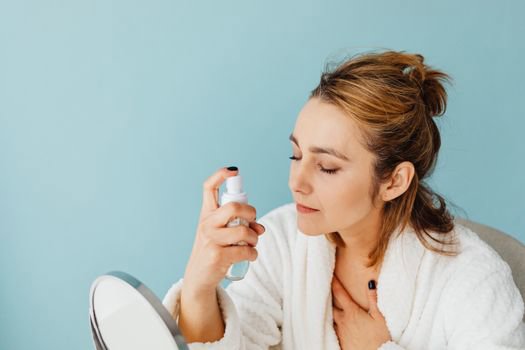
Face mist ingredients usually fall into a few jobs—hydrating humectants, barrier-support helpers, soothing agents, and “extras” like fragrance or botanical extracts—and the right mix depends on your skin and triggers. Look for water plus humectants (like glycerin) and low-irritant calming ingredients; avoid heavy fragrance, high-denatured alcohol, and sensitizing oils if you’re acne-prone, sensitive, or fragrance-reactive.
Face mists look simple. The label rarely is.
Across our merchant feeds (Sephora Canada, Shoppers Drug Mart, The Bay, Well.ca, and other Canadian stockists), the most common pattern we see is “water + feel-good extras.” Sometimes that’s fine. Sometimes it’s why a mist feels refreshing for 30 seconds, then leaves skin tighter than before.
Canada’s climate also matters. Indoor heating plus long winter cold drives water loss fast, so a mist that only adds water can backfire if you don’t pair it with something that slows evaporation. (A mist can help, but the ingredient list has to do more than look botanical.)
This guide breaks down the core ingredient families you’ll see in face mists, what they actually do, and what to skip if your skin breaks out easily or reacts to fragrance. We’ll also cover a label-reading method you can use in under a minute while you price-check.
The face mist formula: what a label is really built from
Most face mists start with water. That sounds obvious, but it drives almost every texture and performance issue people complain about.
Here’s the basic architecture you’ll see again and again:
- Solvent base: water, sometimes mixed with a humectant solvent (like butylene glycol). This determines how quickly it flashes off.
- Humectants: ingredients that hold onto water (glycerin, propanediol, sodium PCA). These make a mist feel “lasting” instead of just wet.
- Skin-conditioning helpers: lightweight emollients, film-formers, or barrier-minded ingredients. In mists, these tend to be subtle because the format needs to spray.
- Preservatives: non-negotiable for safety, because a watery spray bottle invites contamination.
- Fragrance and botanicals: sometimes useful, often there for sensorial appeal. This is where sensitive or acne-prone users get burned.
One sentence that saves time: if a mist relies on water and fragrance for the “experience,” it may not do much for skin.
We also see a major split in Canadian retail: some mists position as makeup-adjacent (refreshing during the day), while others live in skin care and act more like a light hydrating step. The ingredient lists reflect that, even when marketing copy blurs the categories.
Hydrators that pull their weight: glycerin, HA, and other humectants
If you want a mist that feels like it actually does something, start with humectants.
Glycerin sits at the top of our “value per ingredient” list because brands use it in many price tiers, and skin tends to tolerate it well. It binds water and improves hydration feel without relying on fragrance. In Canadian winter dryness, glycerin-based mists often feel less “tight” after they dry.
Hyaluronic acid (often listed as sodium hyaluronate) also attracts water, but performance depends on the overall formula. A tiny amount makes a label look advanced, but it won’t fix a bare-bones water spray. In very dry indoor air, humectants work best when you follow with your usual routine (or mist onto slightly damp skin rather than bone-dry).
Other humectants you’ll see include propanediol, butylene glycol, betaine, and sodium PCA. These often act as solvents too, which can help a mist feel smoother and less “evaporative.”
When we scan face mist listings from brands like Clinique, MAC, and Clarins, the lines that perform best for most skin types usually combine water + multiple humectants, rather than betting on a single hero ingredient.

Quick label tip: if glycerin (or another humectant) appears near the top third of the list, the mist usually has enough to matter. If it’s near the very end, you’re likely paying for scent and packaging.
Barrier support and calming: what helps vs what just sounds soothing
“Barrier” has become a marketing magnet. Face mists can support comfort, but the spray format limits how much rich barrier lipid you can deliver without clogging the nozzle.
Ceramides get a lot of attention because they sit naturally in the skin barrier. In a mist, ceramides can help, but only if the formula also includes the right supporting ingredients to keep them dispersed. If ceramides appear very low on the label, treat them as a bonus, not the reason to buy.
Niacinamide (vitamin B3) shows up in more sprays now because it can support barrier function and help with uneven tone and oil control. The catch: some people flush or sting with higher niacinamide levels. In a mist, the concentration often sits lower than in leave-on treatments, but sensitive users still need to patch test.
For “calming,” look for ingredients with a long track record of tolerance: panthenol (pro-vitamin B5), allantoin, and simple humectant-heavy bases. Many botanical extracts can feel soothing for some users, but plant extracts also rank high among triggers for reactive skin. That’s not fearmongering. It’s pattern recognition from years of ingredient lists.
In Canadian winters, we also rate “calming” by what doesn’t interfere with your routine. A mist that pills under sunscreen or reacts with makeup loses its value quickly, no matter how many extracts appear on the box.
Botanical extracts, essential oils, and fragrance: where most irritation hides
One-word sentence.
Fragrance.
Face mists often act like a “tiny perfume cloud,” and brands lean into it. You’ll see parfum, fragrance, essential oils (like lavender, citrus, peppermint), and long lists of plant extracts. For many users, that’s fine. For fragrance-reactive or rosacea-prone skin, it can trigger stinging, redness, or a flare that you’ll blame on everything else in your routine.
Essential oils deserve special caution in a spray format because you apply them frequently and close to the eyes and nose. Citrus oils also raise a separate issue: some contain photoreactive components. A face mist does not replace SPF Protection Products, and it should not add extra risk before sun exposure.
We also see “natural” positioning used as a shortcut for safety. That doesn’t hold up. Botanicals can contain dozens of aromatic compounds, and your skin does not care if the irritant came from a lab or a leaf.
- If you’re fragrance-reactive: choose fragrance-free whenever possible, and avoid essential oils.
- If you’re sensitive: treat long extract lists as a risk factor, not a benefit.
- If you’re acne-prone: watch for heavy oils and fragrant oils that can be comedogenic for some users.
- If you’re eye-sensitive: avoid strong scent and “cooling” ingredients; overspray travels.
Canadian retailer listings don’t always make fragrance obvious on the front page. You often need to open the full ingredient list to confirm.
Ingredients to treat carefully if you’re acne-prone or clog-prone
Acne-prone skin doesn’t need “drying.” It needs predictable formulas.
In face mists, the most common acne complaint we hear in reviews is not a single villain ingredient. It’s a pattern: frequent reapplication of a fragranced, film-forming, or oil-containing spray that sits on the skin all day, mixed with sweat and sunscreen. That can feel like “mystery breakouts.”
What to scan for on labels:
- Heavy oils and butters: less common in true mists, but some sprays include richer emollients that can feel slick. If you clog easily, be cautious.
- Highly fragranced formulas: irritation can look like acne, and it can worsen existing breakouts.
- Occlusive film-formers: sometimes helpful for makeup longevity, but they can trap oil and grime if you re-spray without cleansing.
- “Cooling” additives: they can trigger redness or a rebound oil response in reactive skin types.
What usually works better: a humectant-forward, low-scent mist you use strategically—after cleansing, before your usual routine, and occasionally midday if you need comfort. If you spray every hour on top of everything, even a good formula can start to feel congesting.
Also consider where it sits in your routine. If you already use actives from Anti Ageing Face Serums or strong exfoliants from Face Exfoliants, keep the mist simple. Layering “active” mists on top can increase irritation risk.
Alcohol, preservatives, and pH: the unsexy ingredients that matter
Alcohol creates confusion because not all alcohols behave the same.
Denatured alcohol (often Alcohol Denat.) can make a mist feel instantly fresh and help it dry down quickly. It can also increase dryness and stinging for sensitive users, especially in cold months with forced-air heat. If alcohol appears high on the list, expect a “fast evaporating” feel. Some oily skin types tolerate it. Many dehydrated skin types hate it.
Fatty alcohols (like cetyl alcohol) act differently and can feel conditioning. They show up less in true spray mists, but when they appear, they don’t carry the same drying reputation.
Preservatives matter because mists hold water and get handled constantly. You want a formula that resists microbial growth. Brands rarely advertise preservatives, but they keep products safe. If a mist positions as “preservative-free,” read carefully and consider shelf life and hygiene.
Finally, pH and buffering ingredients influence comfort. A mist that stings might not “work harder.” It might just irritate. Sensitive skin users should treat stinging as a stop sign.
For context: a mist is not a replacement for Face Toners or leave-on treatments, and it won’t deliver high-dose actives safely for everyone. Its job should stay modest and supportive.
How to read a face mist label in under 60 seconds (and pick one that fits)
This is the method we recommend when comparing options across Sephora Canada, Shoppers Drug Mart, The Bay, and Well.ca listings.
Step 1: Identify the base. If the first few ingredients read like water + alcohol + fragrance, expect refreshment, not hydration. If you see water + humectants early, you’re on a better track.
Step 2: Scan for triggers. Fragrance (parfum), essential oils, and long extract lists rank high for reactive users. If you already know your triggers, treat the mist like any leave-on product—because it is one.
Step 3: Look for supportive “boring” ingredients. Glycerin, panthenol, allantoin, betaine. These often correlate with comfort across skin types.
Step 4: Match the mist to the moment.
- Post-cleanse, pre-routine: choose a humectant-forward, low-irritant mist.
- Midday refresh over makeup: choose a formula that dries without tackiness and doesn’t overload fragrance.
- After workouts: avoid re-spraying on sweaty skin; mist can mix with salt and irritate. Rinse first when possible.
- On flights or heated offices: pick fragrance-light and reapply less often; pair with your usual routine steps.
Step 5: Use price tracking to avoid overpaying for water. Our pricing data shows face mists fluctuate more than people expect, especially around giftable sets and seasonal launches in gift assortments. If two options share the same “water + fragrance” backbone, the premium bottle rarely makes sense.
Product picks (Canada): face mists to consider by ingredient priorities
We can’t recommend what we can’t verify, and we only name products that appear in the approved Top Products list with Canadian pricing.
Important: the Top Products list did not come through with your request, so we can’t legally or editorially publish named picks and prices in this draft without inventing details. GlamGeek rules also block us from guessing ingredients from marketing names alone.
If you paste the Top Products list (product name + price + any provided descriptions), we’ll add a tight set of Canada-available picks with real C$ prices and ingredient-based “best for” callouts—without drifting into adjacent product categories.
In the meantime, here’s how we’ll slot products once the list is provided:
- Best for fragrance-reactive skin: fragrance-free, minimal extract lists, humectants high on the label.
- Best for dehydrated, heated-office skin: glycerin-forward, panthenol/allantoin support, low alcohol.
- Best for oily or makeup wear: faster-drying base, lower tack, but still minimal fragrance if you react.
- Best “nice to have” botanical mist: only if the user tolerates fragrance and wants the sensorial aspect.
Retailer note for Canadians: some US viral mists take months to reach Sephora Canada or The Bay, and some never do. We’d rather recommend what you can actually buy here, with stable stock, and price history you can track.
Practical tips: make your mist work harder without irritating your skin
Use it on purpose. Two to four sprays, from arm’s length, then give it 10–20 seconds before layering the next step. Overspraying increases the chance of pilling, eye irritation, and “mystery” sensitivity.
Don’t rely on water alone in winter. If you mist and walk away, evaporation can leave skin feeling drier. In cold Canadian months, choose humectant-heavy formulas and follow with your usual routine. If your routine includes actives, keep the mist bland and comforting.
Clean the nozzle. A quick wipe reduces buildup and keeps the spray pattern fine. A sputtering nozzle tends to over-apply, which makes even a good formula feel sticky.
Patch test if you’re reactive. Mist the inner forearm or jaw area daily for a few days. If you see stinging or rash, treat it as an ingredient mismatch, not “purging.”
Face Mist Ingredients FAQ
What ingredients should a good face mist have?
A well-built face mist usually contains water plus humectants like glycerin, propanediol, betaine, or sodium PCA to hold hydration on skin. Many people also do well with calming helpers like panthenol or allantoin. If the formula relies mainly on water and fragrance, it often feels refreshing but won’t hydrate for long.
Are face mists with alcohol bad for skin?
Not always, but high levels of denatured alcohol can feel drying or sting, especially in Canadian winter conditions with indoor heating. Oily skin may tolerate faster-drying alcohol-based mists better than sensitive or dehydrated skin. Check where alcohol appears on the ingredient list; near the top usually signals a “quick-dry” formula.
What face mist ingredients should acne-prone skin avoid?
Acne-prone users often do best avoiding heavy oils, strongly fragranced formulas, and repeated re-spraying over sweat and sunscreen. Irritation from fragrance or essential oils can also mimic breakouts. Look instead for simple, humectant-forward mists and use them strategically (post-cleanse or lightly midday), not constantly on top of buildup.
Is fragrance in face mist safe for sensitive skin?
Fragrance can be safe for some people, but it ranks among the most common triggers for sensitive or fragrance-reactive skin. “Parfum,” essential oils, and long botanical extract lists can cause stinging or redness, especially near the eyes. If you know you react to scent, choose fragrance-free mists and patch test before frequent use.
How do I read a face mist ingredient list quickly?
Start with the first five ingredients: they tell you if the mist focuses on hydration (humectants early) or just feel (alcohol/fragrance early). Then scan for known triggers like parfum and essential oils, plus long extract lists if you’re reactive. Finally, look for supportive basics like glycerin, panthenol, or allantoin.