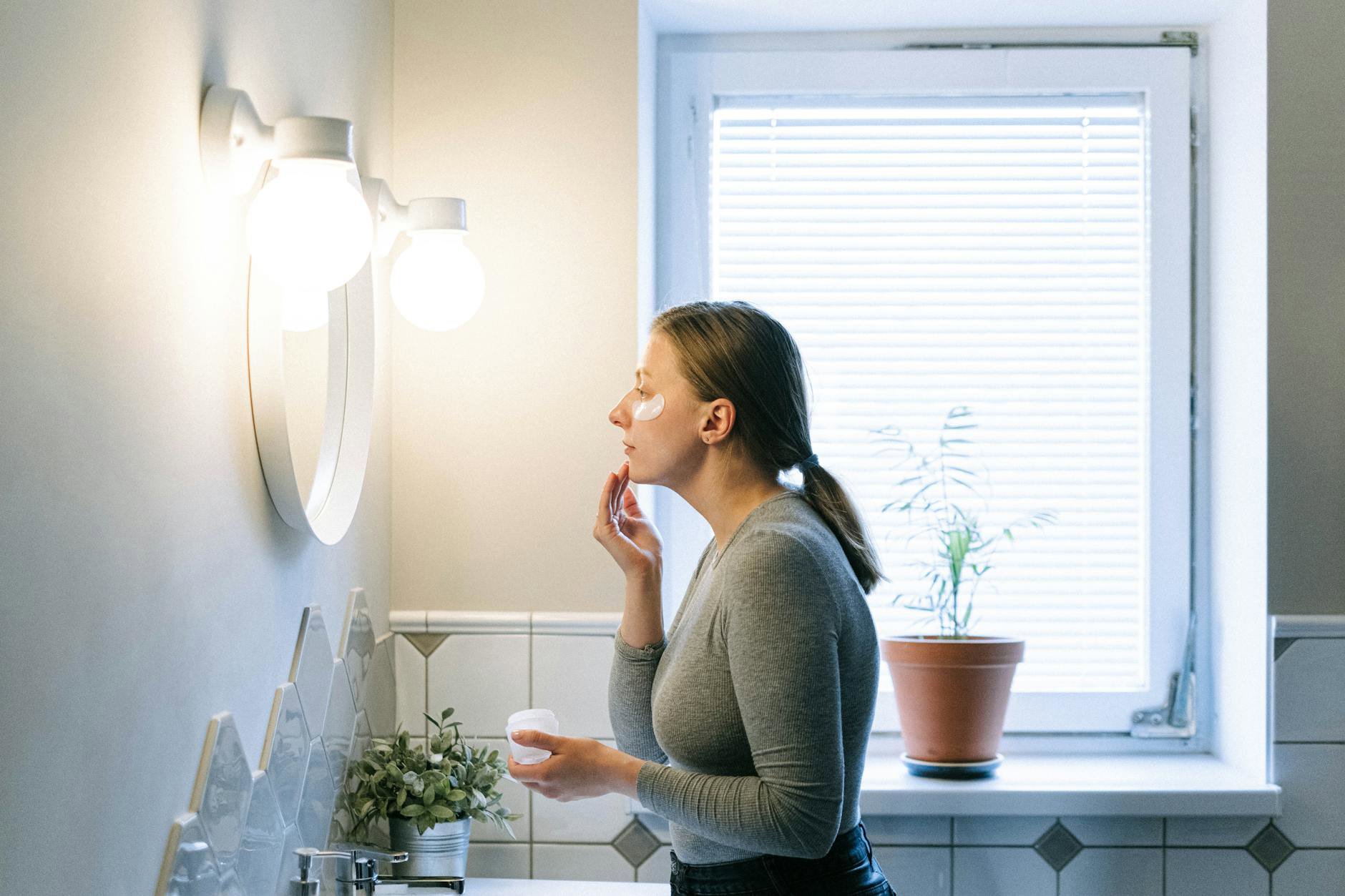
Skincare tools have quietly become one of the fastest-growing “categories inside the category” in Canada. That IndexBox market analysis headline isn’t just industry noise—our merchant feeds show a steady rise in new device listings, more frequent promos, and a wider spread of price points than we saw even two years ago.
But growth doesn’t equal value. Tools can help, yet only when they match a real skin goal, a realistic schedule, and Canada’s climate reality: long dry seasons, indoor heating, and a barrier that already works overtime.
Our take: buy fewer tools, use them more consistently, and spend the rest of your budget on the formulas that make the results stick.
Where the hype goes off the rails: brands sell “high-tech” as if technology replaces basics. It doesn’t. A device can amplify outcomes, but it can’t cancel dehydration, a sensitized barrier, or an inconsistent SPF habit.
What’s driving the Canada tool boom (and why it matters)
Across Canadian retailers, devices now sit beside staples like Day Face Moisturisers and masks, not tucked away as niche accessories. FASHION Magazine’s “high-tech beauty tools” roundup reflects what we see in pricing: more brands enter the space, and more shoppers treat tools as long-term investments.
Three forces push that demand. First, “testing culture” content (think those marathon eye-serum and eye-cream roundups) trained shoppers to expect measurable change. Second, the Dyson Airwrap alternative discourse made women more comfortable comparing tool ecosystems by performance-per-dollar. Third, Canadian shoppers have become sharper about import markups. If a tool costs significantly more here than in the US, the value case needs to be airtight.
There’s also a practical driver: Canadian winters punish the skin barrier. When skin feels rough, tight, and dull, a tool that offers immediate sensory feedback—vibration, warmth, microcurrent “tingle”—feels convincing. That doesn’t mean it’s the best use of money.
So we approach tools the same way we approach Anti Ageing Face Serums: pick the smallest number of interventions that you can actually sustain, then protect the results with barrier care and SPF.
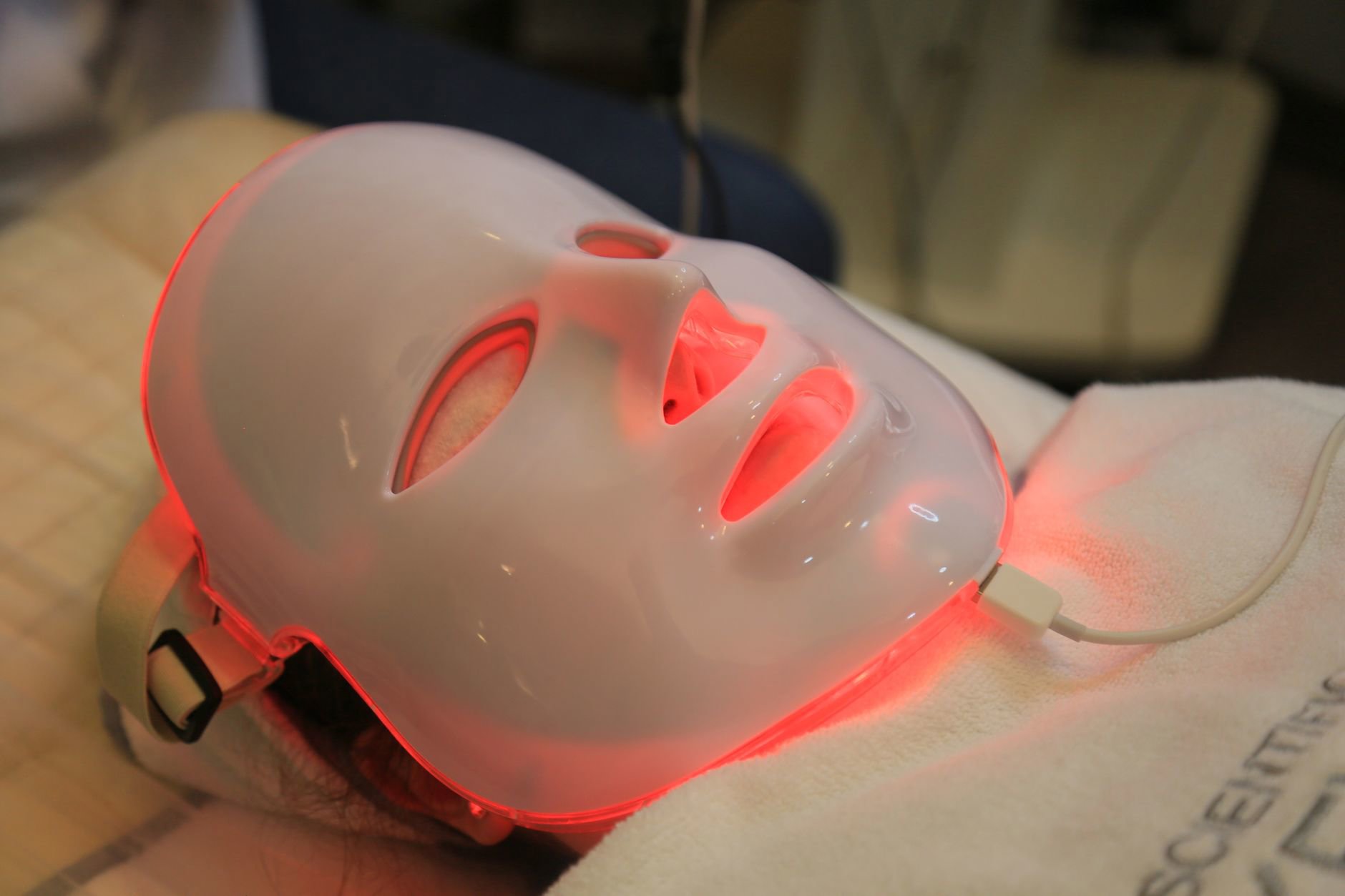
LED masks in Canada: the best “slow win” if you choose carefully
LED sits in a sweet spot: it’s non-invasive, it plays well with sensitive skin when used correctly, and it doesn’t rely on a momentary cosmetic effect. It’s also one of the easiest categories for marketing to overpromise. You’ll see claims that blur acne, redness, pigmentation, and “tightening” into one vague miracle. Don’t buy that.
What LED can realistically do: red light may support inflammation control and collagen signalling over time; blue light can help acne-prone skin, but it can also feel drying. In Canada, dryness already runs high in winter, so blue-light-heavy devices need more thoughtful aftercare.
What to look for when shopping in Canada: clear wavelength information, session guidance, and a return policy from a Canadian retailer (or a Canadian warranty, if you buy direct). If a brand hides specs, we treat that as a skip. Also check whether the device has eye protection guidance. “Close your eyes” doesn’t count as guidance.
How to use LED without wrecking your barrier (step-by-step):
- Cleanse gently and pat dry. Skip harsh scrubs and high-foaming cleansers right before LED; consider a mild option from the Foam & Wash Cleansers category only if your skin tolerates it.
- Use LED on dry skin unless your device brand explicitly allows slip products.
- Keep your actives simple that day: avoid stacking strong acids and retinoids “because you’re being extra.”
- Moisturise immediately after with a barrier-supporting cream. In winter, follow with a thin occlusive layer on the driest zones.
Canada-specific tip: if your home humidity drops in winter, LED can feel more drying than expected. A bedroom humidifier plus a richer Night Face Moisturisers routine often improves comfort enough to keep you consistent—consistency drives results more than an extra setting on the device.
Microcurrent devices: great for “event-face,” finicky for real life
Microcurrent sits at the centre of “skin-tightening” conversations, alongside those big lists of firming creams and lifting claims. Here’s the grounded version: microcurrent can give a short-term lifted look for some women, especially around the cheek and jaw area, but it demands technique and repetition.
Why many women quit microcurrent: it’s time-consuming, it requires conductive gel, and the results fade if you stop. If you don’t see yourself committing to at least several sessions per week for the first month, we’d steer your budget toward formulas that improve skin quality daily.
Technique matters more than the device tier. The most common mistake we see is rushing and dragging. You want slow, controlled glides, with consistent contact and enough conductive slip to avoid tugging.
Microcurrent “do it properly” routine:
- Cleanse and fully remove sunscreen and base makeup.
- Apply conductive gel in sections (don’t coat the whole face and let it dry).
- Work one zone at a time: neck (if your device allows), jaw, cheeks, then forehead.
- Finish with a simple moisturiser. If you use retinoids, separate them from microcurrent nights if your skin tends to sting.
Product pairing that makes sense: if “tightening” is your goal, pairing microcurrent with a well-formulated peptide or retinoid routine can make the overall plan more coherent. If you’re shopping brands with wide Canadian availability, browse lines from Clinique or Estée Lauder for straightforward, barrier-respecting options—then check current pricing across retailers before you commit.
Hair tools stole the spotlight—so shop them like appliances, not treats
That “skip the $600 price tag” Airwrap-alternatives headline captures a real shift: women now comparison-shop hair tools the way they shop coffee machines. Good. Hair tools cost enough that you should demand durability, warranty support, and replacement parts.
Our Canada-first rule: if the brand doesn’t offer Canadian warranty service, skip it unless the savings are substantial and you accept the risk. Cross-border returns on a malfunctioning hot tool can erase any deal.
What to compare beyond price: heat control increments, airflow strength, attachment quality, and whether the tool suits your hair density and length. A cheaper multi-styler can still work well, but only if it holds tension and doesn’t force you into excessive heat passes.
Also remember the hidden cost: heat damage drives more spending later on masks and trims. If you’re already doing frequent blowouts, build a care plan around Moisturising & Nourishing Shampoos and a weekly Hair Masks rotation, not just a heat protectant “sometimes.”
Practical technique upgrade (that costs $0): rough-dry to 70–80% first, then style. Canadian winter air plus indoor heating can make hair feel dry; fewer high-heat minutes helps more than chasing the hottest setting.
Eye serums and eye tools: don’t confuse “awake” with “repaired”
Those huge “hundreds of hours of testing” eye-serum and eye-cream lists share a theme: women want to look rested fast. The catch: many “instant” eye effects come from reflectors, film formers, and temporary depuffing—not actual long-term change.
So where do tools fit? Cooling wands, vibration pens, and warmed eye masks can reduce the look of puffiness for some women, mainly by supporting fluid movement and relaxing tension. They won’t erase genetic dark circles or rebuild lost volume.
Canada-specific issue: winter dehydration makes under-eyes look crepey, and aggressive tools can worsen it. If you use an eye tool, keep pressure feather-light and limit sessions. The skin there does not “toughen up.” It just gets irritated.
What we’d actually prioritise for eyes:
- Daily SPF taken up to the orbital bone (carefully) from the SPF Protection Products category.
- A simple hydrator (glycerin, hyaluronic acid, panthenol) under moisturiser.
- Retinoids only if tolerated, and introduced slowly. If you want a targeted option, many women look at retinol eye products from Shiseido or Lancôme, but check current Canadian stock and pricing before choosing.
- Concealer technique: thin layers and strategic placement beat heavy coverage that cracks by noon.
Body smoothing: the “one ingredient” trend has a point—if you pick the right one
Cosmopolitan’s body-lotion ingredient callout reflects a real derm-backed truth: consistent keratolytics and humectants often outperform sporadic scrubbing. If your goal involves “baby-smooth,” you want to target the bonds between dead skin cells and support water content in the stratum corneum.
Ingredients that earn their keep: lactic acid (gentler AHA for many women), urea (excellent for roughness), and salicylic acid for bumps and clogged pores on the body. In Canada’s dry months, urea plus ceramides can feel more comfortable than higher-acid options.
How to build a body routine that works in Canadian winter:
- Shower with lukewarm water. Hot water plus indoor heating equals tight, itchy skin.
- Apply lotion within 3 minutes of towelling off. Damp skin holds water; use it.
- Alternate: exfoliating body lotion 3–4 nights weekly, plain barrier body cream on the other nights.
- For rough heels and KP-prone arms, use a higher-urea product and seal with a thicker layer.
Don’t forget friction zones. If you shave, apply your exfoliating lotion on non-shave nights to reduce sting. If you wax, give skin a calm window first.

Hyperpigmentation: devices can help, but sunscreen still sets the ceiling
Chatelaine’s hyperpigmentation picks land on the most expensive truth in skincare: brightening takes time, and the results plateau without daily UV discipline. In Canada, many women under-apply sunscreen because cold weather doesn’t “feel sunny.” UVA still shows up, and it still darkens marks.
Where tools fit: LED (especially red) can support inflammation control, which matters if your pigmentation follows irritation. At-home exfoliating devices and aggressive cleansing brushes can backfire by triggering more inflammation, which can worsen post-inflammatory hyperpigmentation.
Ingredient strategy that pairs well with tool routines:
- Vitamin C in the morning, if your skin tolerates it.
- Niacinamide for barrier support and tone-evening.
- Azelaic acid if you deal with redness plus marks.
- Retinoids at night for cell turnover, introduced slowly.
Then lock it in with sunscreen. If you spend on one thing for hyperpigmentation, spend on a formula you will wear daily. The best brightening routine fails when the SPF sits unused because it pills under makeup or feels greasy.
Makeup tip for Canadian humidity swings: when winter air dries you out, heavy matte bases can catch on texture and make spots look more obvious. Consider hydrating base prep and lighter coverage, then spot-conceal. If you need tools here, a damp sponge from the Makeup Brushes & Applicators category often beats a new gadget purchase.
How to shop tools in Canada without overpaying (or regretting it)
Tool shopping goes wrong in predictable ways: impulse buying during a promo, buying a device that duplicates what you already own, or buying a US-viral tool that hasn’t launched widely in Canada. The last one matters. If replacement heads and warranty support don’t exist here, you’re buying a future headache.
Our checklist before you click “buy”:
- Define one goal: acne control, redness, lifting look, faster blowouts, smoother body texture. One device rarely does all of it.
- Check Canadian retailers first: Sephora Canada, Shoppers Drug Mart, The Bay, Well.ca, Murale. You want easy returns.
- Budget for consumables: conductive gel, replacement brush heads, filter cleaning tools, attachments.
- Time cost: if it takes 15 minutes per use and you won’t do that, it’s not “worth it,” even on sale.
- Barrier plan: if you add a tool, simplify actives for two weeks and watch for irritation.
Where we see the best value: LED for long-term skin calm and glow; a dependable hair tool with Canadian warranty; and “low-tech” upgrades like better cleansing habits, consistent moisturising, and daily SPF. Tools that demand perfect technique and constant upkeep can still work, but they suit a narrower slice of real life.
What this means for Canadian shoppers right now
The tool trend will keep expanding, and the marketing will keep getting louder. That’s fine. The smarter move involves treating tools like you treat a major skincare active: you introduce one change, you track your skin, and you don’t stack five new variables at once.
For Canada specifically, we’d put barrier protection at the centre. Cold outdoor air plus indoor heating creates a constant dehydration loop. Any tool that increases warmth, stimulation, or exfoliation needs a compensating plan: gentler cleansing, richer moisturising, and SPF every morning, even when it’s grey outside.
If you want the most practical path: pick one “slow win” tool (often LED), pair it with a simple routine you can repeat, and resist buying the next device until you’ve given the first one a fair 8–12 weeks.
Over to you
Which tool are you most tempted by right now—LED, microcurrent, a blowout tool, or a body-smoothing device—and what’s the one result you actually want from it?