TikTok makes beauty feel urgent. A product “sells out in hours,” a hack “changes everything,” and suddenly your cart looks like a dare.
Our take: most viral beauty isn’t bad—it’s just unvetted. The risk in Canada comes from two things TikTok rarely mentions: our climate (dry indoor heat, sharp winter swings) and our pricing (the Canada premium plus slower restocks).
So we’re borrowing the premise of a TikTok Trend Tracker and making it practical. Not a roundup. A filter. If a trend can’t pass the barrier, budget, and availability test, we’d skip it.
The Canada reality check: climate, stock, and the “viral tax”
Viral products often look cheaper in US feeds, then land here with a price bump—or don’t land at all. That gap matters when a trend pushes you to buy fast, before you can compare retailers or wait for a points event.
Canada also punishes fragile routines. Cold air outside plus indoor heating inside can spike dryness and sensitivity, which makes “strong and fast” actives feel harsher than TikTok admits. If your skin stings when you apply a basic moisturiser, you don’t need another exfoliating toner. You need repair.
We suggest using a three-question screen before you buy anything viral:
- Can you buy it from a Canadian retailer you trust? Sephora Canada, Shoppers Drug Mart, Well.ca, Murale, or The Bay make returns and ingredient verification simpler.
- Does the trend fit your current barrier status? If you have flaking, tightness, or random redness, treat that as a “no” on aggressive actives.
- Is the trend duplicating what you already own? Most routines already have cleanser, moisturiser, and SPF. Viral shopping often adds a fourth exfoliant or a third serum.
If you want a quick browse that stays grounded in routine basics, start inside our skin care hub and work outward from there.
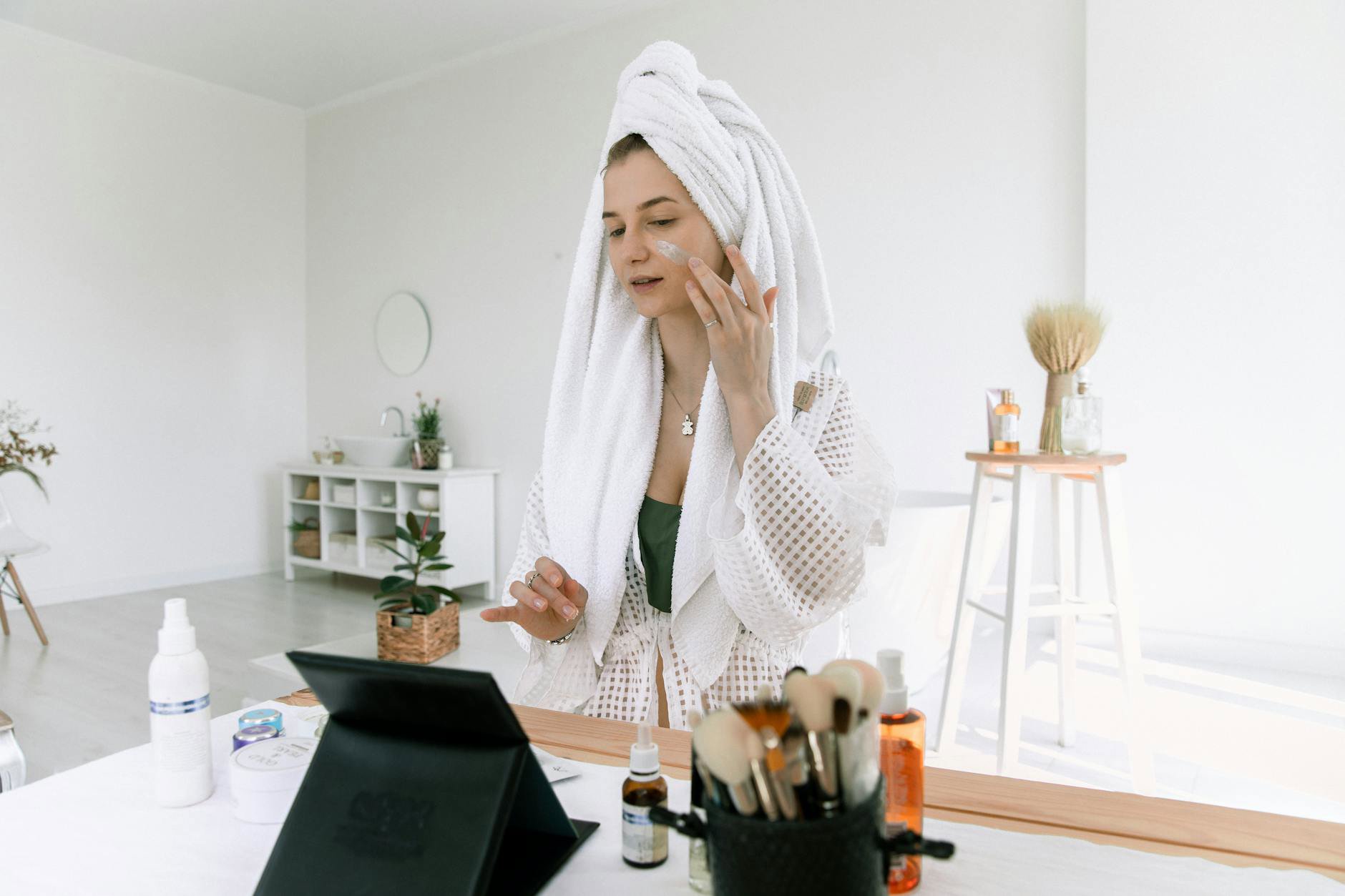
Viral “back to basics” skincare: what that actually means
Several 2026 trend reports push “back to basics,” and we agree with the direction. But “basic” still needs precision. In practice, it means fewer steps, better formulas, and consistent SPF.
A Canada-friendly basics routine looks like this:
- Gentle cleanse at night (and in the morning only if you need it). If your face feels squeaky, the cleanser runs too strong.
- One treatment lane (hydration, pigment, acne, or anti-ageing). Not all at once.
- Moisturiser that seals—especially in winter. Lightweight gel creams often fail in heated homes.
- Daily SPF year-round, not just in July.
Where TikTok goes wrong: it treats basics as “any cleanser + any moisturiser.” The details decide whether your skin calms down or keeps cycling through irritation. If you need a shopping shortlist, our category pages for Foam & Wash Cleansers and Day Face Moisturisers make it easier to compare formulas by retailer.
One more reality check: basics still take time. If a “reset” trend promises a new texture in 48 hours, it usually relies on exfoliation or dehydration tricks that won’t age well on Canadian skin in February.
K-beauty in Canada: buy the category, not the hype
K-beauty keeps booming in Canadian headlines, but TikTok often compresses it into one idea: glass skin. That finish comes from hydration layering + gentle exfoliation + strong sunscreen, not from a single viral essence.
Instead of chasing whatever sells out on Amazon that week, shop K-beauty by function:
- Hydrating toners/essences for tightness and dehydration (look for glycerin, hyaluronic acid, panthenol, beta-glucan).
- Barrier-support serums when your skin feels reactive (ceramides, cholesterol, fatty acids, centella).
- Daily sunscreen you will actually reapply. Texture matters more than marketing.
- Wash-off masks when you want comfort without changing your routine.
Ingredient science in plain terms: humectants (like glycerin) pull water in; occlusives (like petrolatum or dimethicone) slow water loss. Canadian winter needs both. If you only layer watery steps without sealing, you can end up feeling drier by midday.
Where to buy: we’d rather see you purchase from Sephora Canada, Shoppers, Well.ca, or a reputable K-beauty retailer with Canadian shipping and clear lot codes. If you do buy from marketplace listings, treat “viral” as a reason to double-check authenticity, not a reason to rush.
If you want a simple add-on that rarely backfires, a hydrating toner category browse via Face Toners tends to be safer than stacking multiple exfoliating liquids at once.
Exfoliation trends: the fastest way to wreck a barrier
Canadian dermatologists keep warning about trends they wish would end, and over-exfoliation sits near the top every year. TikTok loves a “peel” moment because it shows results on camera. Real skin doesn’t work like a time-lapse.
Here’s the quick science: exfoliants dissolve or loosen the bonds between dead skin cells. Used well, they smooth texture and help clogged pores. Used too often, they thin your stratum corneum’s protective function, which leads to sting, redness, and dehydration.
Use this Canada-friendly frequency guide as a starting point:
- Sensitive or dry-leaning skin: once weekly, or pause entirely during deep-winter flares.
- Combination skin: one to two times weekly, not nightly.
- Oily/acne-prone skin: two to three times weekly, with rest days.
- Retinoid users: keep exfoliation conservative. Don’t stack “strong + strong.”
Choose your lane. If clogged pores drive you nuts, a BHA makes more sense than a strong AHA. If dullness bothers you, a gentle AHA can help. If you want “glow” without irritation, you may not need exfoliation at all—you may need hydration and a better base routine.
When you shop, treat “tingle” as a warning sign, not proof of effectiveness. And if you already use an Anti Ageing Face Serums product with retinoids, keep your exfoliant modest and infrequent.
Viral makeup hacks: which ones translate to real life
Some hacks work because they fix a physics problem: slip, friction, and wear. Others work because the lighting changes. We prefer hacks that stay true in daylight and on the TTC.
Hack worth keeping: thin layers, set strategically. If you want concealer to last, apply less than you think, let it sit for 10–20 seconds, then blend the edge. Set only where you crease. This pairs well with most Liquid & Cream Concealers, from drugstore to prestige.
Hack to treat cautiously: heavy powder baking. In Canadian winter, baking can emphasize dryness and texture. If you love a matte under-eye, use a micro-amount of finely milled powder and press it in with a small puff, then brush off excess. Keep it tight to the crease zone.
Hack we’d skip: anything that uses skincare as primer “because it’s sticky.” Sticky doesn’t equal grippy. Some moisturisers pill under makeup, especially with high silicone foundations. If you need longevity, use an actual Face Primers formula matched to your base (hydrating for dry skin, oil-control for oily skin).
Tools matter more than TikTok admits. If your base looks streaky, it often comes from the wrong brush density or too much product at once. Our Makeup Brushes & Applicators category makes it easier to compare shapes and materials before you spend on a trendy tool.
“Clean,” microplastics, and packaging claims: how to shop without panic
Microplastics and sustainability headlines push a lot of anxiety into beauty shopping. Brands know this, and marketing can get slippery fast. We recommend a calm, practical approach: focus on what you can verify.
Start with the claim type:
- Ingredient claims (“microplastic-free,” “silicone-free,” “clean”) vary by definition. Always check the INCI list.
- Packaging claims (“recyclable,” “refillable”) depend on your local recycling rules. Canada’s rules vary by municipality.
- Corporate initiatives can signal direction, but they don’t guarantee that a specific product reduces waste in your home.
If you want lower-waste shopping that still stays convenient, you usually get more impact from buying fewer, larger, repeat-purchase essentials than from swapping every item for a niche “eco” version. A single reliable moisturiser you finish beats four half-used jars.
On the packaging front, refill systems can make sense when the refill stays meaningfully cheaper and easy to find in Canada. If the refill sells out for months or costs almost the same, the “refillable” label turns into clutter.
We also keep an eye on how brands respond when regulators get involved. It doesn’t tell you what to buy tomorrow morning, but it helps you decide which marketing claims deserve scepticism.
Shopping viral in Canada: a smarter, cheaper playbook
TikTok shopping pushes speed. Canadian shopping rewards patience. Stock cycles, points events, and retailer exclusives matter more here, especially when a trend product lands with limited shade ranges or sporadic restocks.
Our rules for buying viral without regret:
- Wait 72 hours before you buy. If you still want it after three sleeps, it’s more likely a real need.
- Price-compare across Canadian retailers before you check out. Sephora Canada isn’t always the best deal once points and promos come in.
- Don’t pay the “import convenience” premium unless you can’t find a close substitute in Canada.
- Buy one lane at a time: either skincare or makeup. Viral shopping often mixes both, then nothing integrates well.
- Use sets only when you can finish them. Minis look cute, but they can inflate cost per ml.
If you want to explore without overspending, we often see strong value in familiar brands with wide Canadian distribution, like Clinique for dependable basics and Sephora Collection for tools and trend-adjacent colour products that don’t cost prestige money.
Also watch for category substitutes. If a viral blush sells out, you don’t need that exact SKU to get the look. A similar undertone in a different formula often reads identical on skin, especially once you add bronzer or powder.
Build your own Trend Tracker: a repeatable checklist
If you like the entertainment of trend content, keep it. Just give yourself a structure that protects your skin and your wallet.
We use a simple checklist that works for most women in Canada:
- Routine role: What step does this replace? If it replaces nothing, treat it as optional.
- Ingredient fit: Does it add actives you already use (acids, retinoids, strong vitamin C)? Avoid doubling up.
- Climate fit: Will it still feel good in indoor heating? Gel-only hydration often fails here.
- Finish expectations: “Glass skin” on camera can equal greasy in daylight. Decide which you want.
- Return reality: Can you return it easily in Canada if it irritates or the shade misses?
- Budget ceiling: Set one before you watch more videos.
Then choose a “boring backbone” that never changes: cleanser, moisturiser, and SPF. You can experiment around that backbone with one trend product at a time. If your skin reacts, you’ll know which product caused it.
For backbone shopping, start with SPF Protection Products. Canadian sun exposure still adds up year-round, and SPF prevents more visible ageing than any viral serum.
Trends will keep coming. Your skin doesn’t need to keep up with all of them.
What this means for Canadian shoppers right now
Use TikTok for discovery, not decision-making. If a product looks compelling, move it into a slower lane: check ingredients, confirm it’s available from a Canadian retailer, and make sure it replaces something you already use.
Keep your routine stable through the harsh months and experiment more when humidity rises. Canadian winter plus aggressive actives often creates a cycle of “buy, sting, quit, repeat.” A calmer baseline saves money and gives better long-term results.
Which trend are you most tempted by right now—glass-skin layering, a new concealer hack, or a “back to basics” reset? Tell us what you’re considering, and we’ll help you pressure-test it for Canadian weather and Canadian pricing.