Waterless makeup has a marketing problem: brands pitch it as automatically “cleaner”, “more sustainable”, and “better performing”. Our take stays simpler. A formula without added water can make sense for Canadian routines because it often means less preservative load, more pigment per swipe, and less chance of makeup cracking in dry indoor heat.
But “waterless” does not mean gentle. It also does not mean long-wear. It definitely does not mean you should pay a premium without checking what you’re getting.
So we’re committing to a specific stance: waterless makeup can be worth buying in Canada when you want concentrated colour or a balm texture that resists winter dryness. For everything else, we’d treat it like any other product claim and shop by ingredients, format, and finish.
What “waterless” actually means (and what it doesn’t)
In most makeup, water sits at the top of the ingredient list. It helps spread pigments, gives slip, and keeps textures lightweight. In “waterless” or “anhydrous” formulas, brands skip added water and use oils, waxes, butters, silicones, or powder bases instead.
That shift changes the entire structure of a product. Without water, the formula often needs fewer classic preservatives because microbes love water. That can help some women who react to certain preservative systems. It also means the product can feel richer and more occlusive, which matters when Canadian winters hit and indoor heating runs constantly.
Here’s what waterless does not guarantee:
- “Clean”: anhydrous products can still include fragrance, essential oils, or sensitizing flavourants.
- Longer shelf life: less microbial risk does not stop oils from oxidizing or waxes from changing texture in heat.
- Better for acne: balm and oil bases can trap sweat and sunscreen on some skin types.
- Better value: smaller formats often look pricey because they feel dense and luxe.
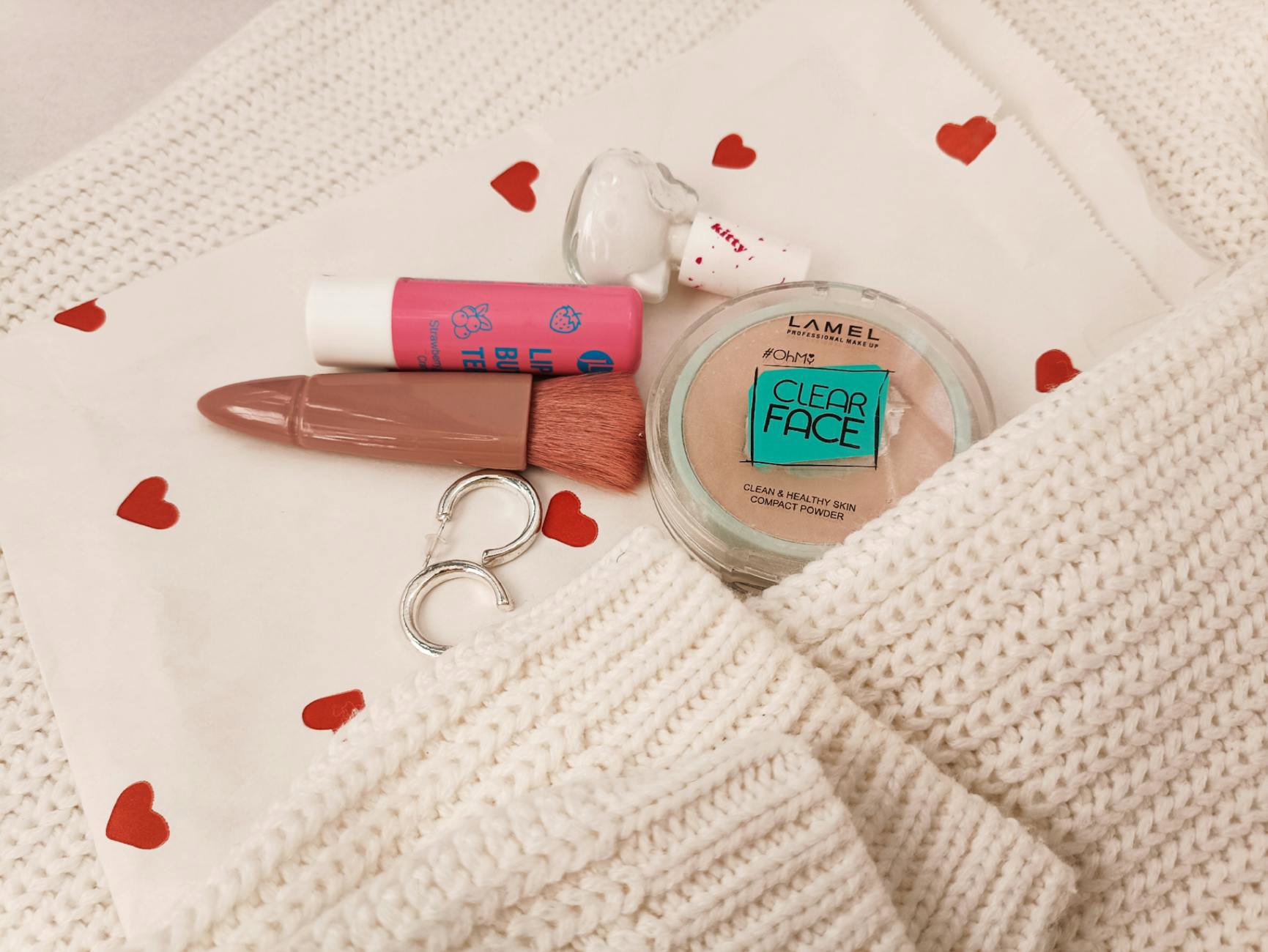
In our Canada market scans, waterless launches also show up in “portable” formats: sticks, balms, and pressed solids. That convenience can be real. It can also hide how little product you get.
Why waterless makeup keeps showing up in 2026 trend reports
Multiple 2026 trend roundups have circled the same consumer pressure points: tighter routines, more on-the-go formats, and sustainability claims that feel concrete. “Waterless” fits neatly into all three. It also plays well on short-form video because the textures look satisfying: balm-to-powder, blur sticks, solid highlighters, and concentrated pigment pots.
Canada adds a practical layer. Many women run a routine that already stacks SPF Protection Products under makeup. Then winter air pulls moisture fast, and base products can start to separate around the nose and mouth. Anhydrous and low-water formulas often grip better over skincare because waxes and silicones create a flexible film.
There’s also a shopping reality. Canadian launches lag the US often enough that shoppers order cross-border, then pay the premium twice: currency conversion plus shipping. We’d rather see women buy smart from Sephora Canada, Shoppers Drug Mart, The Bay, or Well.ca when possible, and only go cross-border when the shade range or formula truly has no substitute here.
One more factor: brands love “waterless” because it supports a premium story. That does not automatically mean the product performs better. It means you need a quick checklist before you buy.
The ingredient science that matters: waxes, oils, silicones, and powders
When you remove water, you need other ingredients to do the heavy lifting. That’s where performance lives. The same claim can produce totally different results depending on the base.
Waxes and butters (beeswax, carnauba, synthetic waxes, shea butter) create structure. They help sticks keep their shape and help pigments adhere. In a Canadian winter, that structure can stop makeup from looking “dusty” by noon. The tradeoff: heavy wax can feel draggy on dry patches, and it can cling if you apply without enough slip underneath.
Oils and emollients (squalane, hydrogenated polyisobutene, plant oils) provide glide. They also dissolve some pigments well, which is why anhydrous lip and cheek balms can look more saturated. The risk: some oils oxidize, which can shift scent and colour over time. If you prefer minimal scent, watch for added fragrance in balm products.
Silicones (dimethicone, trimethicone) smooth texture and help with blur. They also reduce transepidermal water loss by forming a breathable film. For women who love a perfected base, silicone-heavy waterless primers can work well under Liquid Foundations. The downside: if your sunscreen pills, silicones can magnify the problem unless you let layers set.
Powder systems show up in “functional” waterless makeup too. Think pressed powders and baked formulas that claim skincare-like benefits. Powders can look sharp in humid summer weather, but Canada’s indoor winter air can make them emphasize texture. When brands combine powders with emollient binders, you get that “cream-powder” feel that tends to wear better on drier skin.
If a brand only says “waterless”, we’d ignore the claim and read the first 10 ingredients. That’s where you’ll see whether it’s wax-forward, silicone-forward, or oil-forward.
Where waterless formulas actually win in a Canadian routine
We see four categories where waterless formats earn their keep. Not because they’re trendy, but because they solve common wear problems in Canada.
1) Lip colour that doesn’t turn flaky. Many women switch to richer lip textures in winter because matte liquids can crack. Anhydrous lipsticks and balm stains often feel more comfortable. Look for classic bullet lipsticks or balm sticks from brands like MAC or Charlotte Tilbury rather than chasing every viral drop. Pair with Lip Balms & Creams at night, not right before lipstick, to avoid slip.
2) Cream blush and bronzer that stays put over sunscreen. Balmy cheek products often fuse with SPF layers better than watery tints. The key is technique: warm the product on the back of your hand, then press in with a dense brush or sponge. That stops you from disturbing sunscreen.
3) Stick concealers for targeted coverage. If you spot-conceal redness or under-eye darkness, a waxy stick can deliver coverage without a lot of product. You still need hydration underneath. A thin layer of eye cream or moisturiser, then wait two minutes, then apply. If you want alternatives, compare formats in our Liquid & Cream Concealers category and decide based on finish.
4) Primers for dry indoor air. In January, many women find their base looks fine at 8 a.m. and rough by lunch. Silicone-rich primers can reduce that mid-day breakdown. If you already use a rich moisturiser, keep primer placement strategic: centre face only, not everywhere.
Where we’d stay sceptical: “waterless mascara” or anything claiming skincare-level hydration without water. Mascara performance comes down to film formers, wax balance, and brush design, not whether water appears on the label.
Step-by-step: how to wear waterless makeup without pilling, patchiness, or greasy breakdown
Waterless textures can look flawless or messy depending on layering. In Canada, layering matters because most women combine SPF, moisturiser, and makeup, then face temperature swings between outdoors and heated interiors.
Step 1: Keep skincare thin in the T-zone. Use your richer moisturiser where you get dry: cheeks, jaw, under-eye. Use a lighter layer on the nose and around the mouth. If you need ideas, browse Day Face Moisturisers and pick by texture, not marketing claims.
Step 2: Let sunscreen set. Give it a full 3–5 minutes. If you apply balm products immediately, you risk lifting SPF and creating uneven protection. That wait time also reduces pilling with silicone bases.
Step 3: Warm balm products before they hit your face. Swipe a stick blush or bronzer onto the back of your hand first. Then pick up with a brush and stipple. This avoids the “stripe” effect and prevents you from tugging on dry winter skin.
Step 4: Set only where you need it. Many women over-powder in winter and wonder why they look textured. Use a small amount of setting powder on the sides of the nose and under the eyes. Leave cheeks more natural so balms can flex.
Step 5: Fix shine with blotting, not more product. If you get oily in summer, blot first. Then touch up with a tiny amount of powder or a powder blush. Adding more balm over oil can turn into a slippery layer that slides.
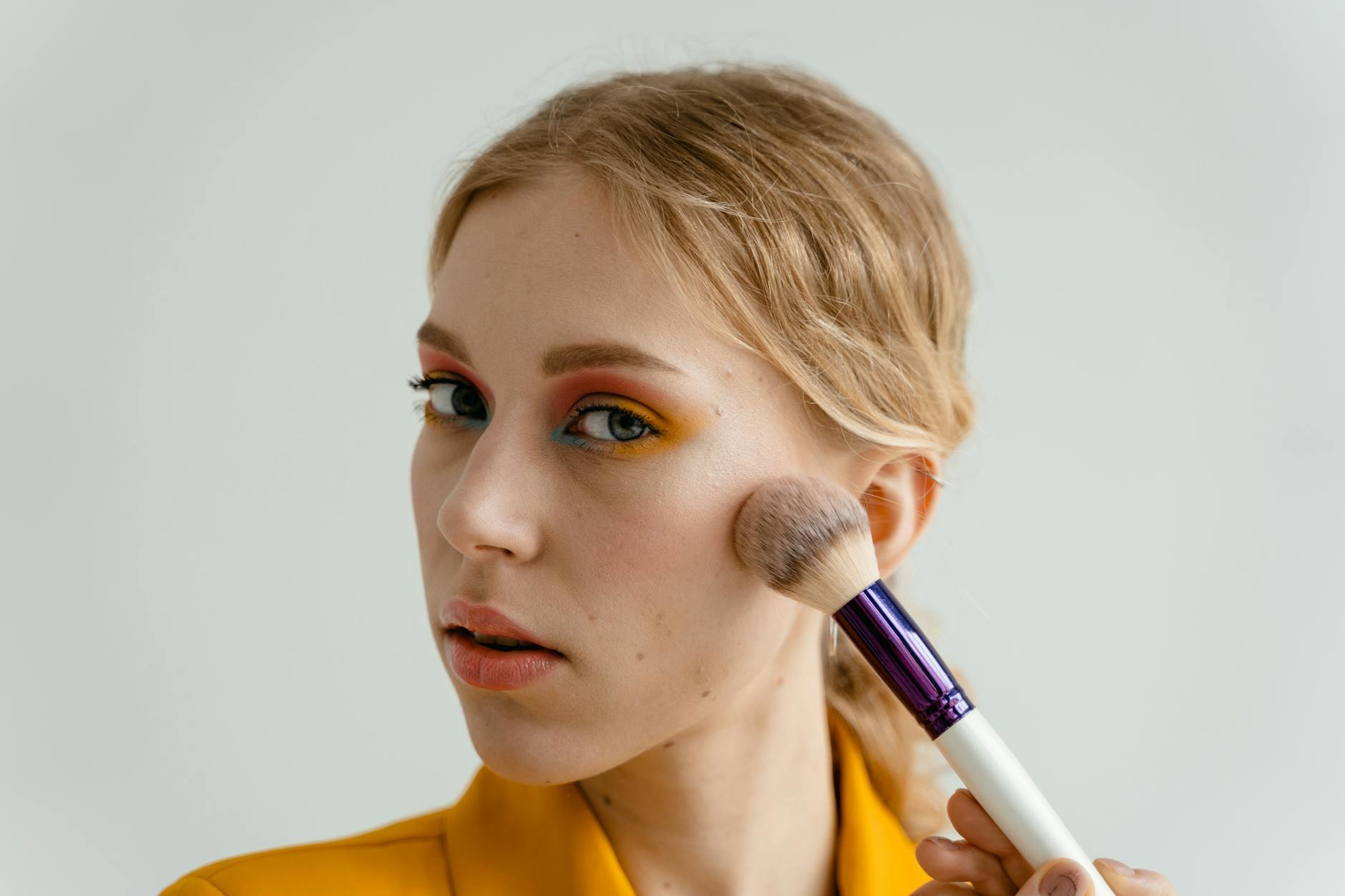
This is also where tools matter. Dense brushes place balm precisely; fluffy brushes diffuse powders. Our shopping pages for Makeup Brushes & Applicators help you compare options across retailers without guessing.
Canada shopping rules: where the value is, and where the premium hides
Because you asked for practical advice, here’s the blunt truth: Canadian beauty pricing already runs higher than US pricing for the same item often enough that paying extra for a “waterless” label can sting. We see the biggest overpay risk in small-format sticks and balms that look generous but contain less product than you expect.
Before buying, check three things on the product page:
- Net weight (g) or volume (mL). Compare it to what you already use.
- Finish description: dewy balm, satin, balm-to-powder. Those wear differently in winter versus summer.
- Fragrance: anhydrous products can hold scent longer because there’s no water to dilute it.
- Packaging: pots invite finger use; sticks reduce contamination. That matters for longevity.
Retailer strategy matters too. Sephora Canada often gets the buzziest launches first (for example, the recent attention around Natasha Denona’s return to Sephora Canada in ELLE Canada). Shoppers Drug Mart tends to win on points events and frequent promos. The Bay can surprise with beauty markdowns during larger sale periods. Well.ca often excels for skincare-adjacent makeup and fragrance-free options.
If you want to experiment without regret, start with a single waterless category where the payoff is obvious: a cream blush stick or a bullet lipstick. Skip building a whole “waterless routine” in one checkout.
What we’d buy (and what we’d skip): smart picks by category
We can’t responsibly quote prices without a live price-intelligence block, so we’ll focus on real, Canada-available product types and brand families that consistently show up across major retailers.
Worth prioritizing:
- Eye shadow palettes with baked or cream-enhanced textures: they can wear well through humidity swings. If you want performance-first options, brands like Natasha Denona (at Sephora Canada) sit in the “pay for pigment” tier. For more budget-friendly colour play, compare Morphe and Revolution palettes and shop by undertone.
- Bullet lipsticks and creamy long-wear lip formulas: these often run anhydrous or low-water. For classic shade ranges, Clinique, Lancôme, and MAC offer predictable finishes and undertones. If you want to browse by finish, our Lipsticks page helps you compare quickly.
- Silicone-forward primers: they can reduce winter patchiness when used lightly. If you tend to pill, choose one smoothing layer and stop there. More layers usually backfire.
- Cream bronzers and blushes in stick form: these suit Canadian winter dryness better than watery tints for many women, especially if you wear SPF daily.
We’d skip or approach carefully:
- Anything claiming “skincare benefits” without naming the active. If it can’t tell you what it does, it probably doesn’t do much.
- Strongly fragranced balm products if you deal with sensitivity around the nose and mouth in winter.
- Pot formats if you know you won’t use a spatula or wash hands before dipping in.
- “Waterless” as the only reason to buy. Performance comes first. Always.
One more practical note: if you already own favourites, you can often mimic the “waterless” effect by swapping technique. Use less base, more targeted concealing, and cream products where you get dry. You may not need a whole new bag.
How to spot trend-driven marketing (and still have fun with it)
Canadian beauty headlines keep circling the same theme: trend acceleration. Gen Z-focused brands target “trend-driven” shoppers, and viral hacks move product fast. That doesn’t mean you have to opt out. It means you shop with guardrails.
We like these guardrails for waterless launches:
- Choose one new format at a time: stick blush or balm foundation, not both in one order.
- Match the format to your climate week: if the humidex climbs, powder blush may wear better than balm. If the furnace runs, balms look smoother than powders.
- Check shade flexibility: sheer balms forgive undertone mismatch. Full-coverage sticks do not.
- Prioritise return policies: especially for complexion products. Canada’s shade-matching can feel harder when you shop online.
If you want to indulge in the trend, do it in categories where you control the outcome: blush, bronzer, lips, and eyes. Complexion “waterless foundations” can look great, but they punish the wrong prep and the wrong shade.
And if a product pitches itself as sustainable because it “saves water,” check the packaging. A waterless stick in heavy plastic with no refill option can cancel out the virtue story quickly.
What this means for your makeup bag this season
For Canadian women, waterless makeup isn’t a new religion. It’s a tool. When you use it that way, it earns a spot in your routine.
Start with your biggest pain point. If winter dryness makes your base look rough, try a targeted primer plus cream colour. If your lipstick turns flaky, switch to a creamier bullet formula and treat lips at night. If your sunscreen and makeup fight, change layering and wait times before you buy anything new.
Most of all, shop by function. “Waterless” can signal concentration and comfort, but it never replaces reading the ingredient list and choosing the right finish for Canadian weather swings.
Tell us how you’re shopping the trend
Are you buying waterless makeup for sustainability claims, for wear, or for convenience in your bag?
If you share the product type you’re considering (stick blush, balm foundation, primer, lipstick) and your skin situation (dry, oily, sensitive, combo), we’ll point you toward the formats that tend to work best in Canada.