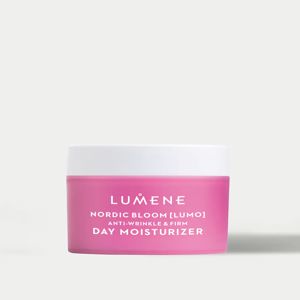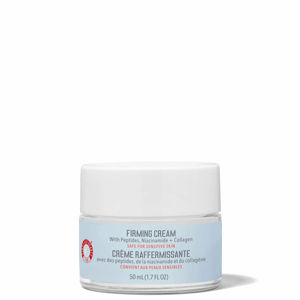

Our price tracker throws up the same pattern every quarter: day creams with built‑in SPF hold their price, while night creams turn up in sets, bundles, and short‑run promos. The gap doesn’t come down to marketing spin. Retailers handle AM and PM moisturisers differently because brands build them for different jobs.
That matters for your face and for your wallet. Buy smart, and you cut duplicates and get better results. Buy on autopilot, and you pay twice for one outcome.
So, do you need both? Sometimes yes. Sometimes no. The data points to a middle path: pick one great all‑rounder, then add a targeted PM treatment if your skin goals demand it.
Why day and night moisturisers exist in the first place
Skin follows a rhythm. During the day it defends. UV, pollution, and heat push it hard. At night it shifts gear into repair. Beauty marketers didn’t invent that split; dermatology research mapped it years ago. Brands simply build creams around those two daily phases.
Day creams usually chase three aims: shield, hydrate, and sit well under makeup. Many include UV filters, antioxidants, and light textures that don’t pill under foundation. Night creams usually focus on recovery. You’ll often see retinoids, peptides, ceramides, and richer emollients that lock in water while you sleep.
Across our merchant feed, the UK market reflects that logic. Boots and Superdrug sell day creams that bundle SPF to simplify your morning. Space NK and department stores push night creams with higher‑ticket actives and denser textures. That split changes how discounting lands. Day creams with SPF tend to hold firm because they replace two steps. Night creams drop more often because brands place them in sets, especially around gifting season.
UK seasons shape the brief as well. Indoor heating from October to March dries skin. Summer brings short heat spikes. Many women in Britain switch textures by season more than by age. Lighter gel‑creams in July, cushier balms in January. The AM/PM split gives you another lever to tune comfort and results.
{{IMAGE:woman applying day cream by window}}What makes a day cream a day cream
Brands build day creams to defend and streamline your morning. SPF leads the design when it appears. UV filters fight photo‑ageing better than any other daytime ingredient. Antioxidants like vitamin C, ferulic acid, and green tea add a second shield against pollution and blue light. Many formulas also add film‑formers or silicones that help makeup glide.
Texture matters. A good day cream sinks fast, leaves minimal tack, and doesn’t pill. That finish keeps your base smooth. If you love a glassy glow, you can pick a dewy finish. If you prefer transfer control under a mask or scarf, you can pick a satin finish. Either way, aim for comfort and grip rather than slip.
Consider your SPF strategy. If your moisturiser includes SPF, treat it as your sunscreen and apply enough. If you prefer a separate sunscreen, you can skip SPF inside your day cream and chase other actives. Many women go with a simple hydrator plus dedicated SPF because it gives more control over reapplication.
Examples that define the category include Charlotte Tilbury’s famed Magic Cream as a makeup‑friendly hydrator, and classic “defence” ranges like Clinique’s Superdefense day creams with SPF. You can browse current options in Day Face Moisturisers and filter by SPF level, finish, or skin type. Add your shortlist to a GlamGeek wishlist and we’ll ping you when a retailer drops the price.
What makes a night cream a night cream
Night creams target repair. Brands lean into ingredients that support barrier and collagen. You’ll see retinoids, peptide blends, ceramides, cholesterol, and fatty acids. Many formulas add humectants like glycerin and hyaluronic acid, then seal them with richer emollients and occlusives to reduce transepidermal water loss while you sleep.
No one needs SPF in bed, so brands skip UV filters. That frees space for more actives or cushier textures. You can expect a thicker feel. That weight can soothe tight, heated, or wind‑stressed skin after a long day. It also helps buffer stronger actives like retinol.
Some night creams fold in low‑strength acids to nudge dullness. Others use encapsulated retinol or retinal to boost firmness and refine texture. If your skin runs sensitive, you can pick peptide‑led or ceramide‑rich formulas that avoid strong exfoliants. You don’t have to choose irritation to get results.
Explore what’s trending under Night Face Moisturisers. Our tracker often spots deeper cuts on PM creams at Lookfantastic and Cult Beauty during seasonal promos, and in John Lewis or Space NK value sets. Add a product to your wishlist to catch those short windows.
AM vs PM ingredients: what to pair and what to park
Vitamin C makes sense in the morning. It scavenges free radicals and brightens. Pair it with SPF for stronger daytime defence. Niacinamide plays well both morning and night because it calms, supports barrier, and smooths pores. Hyaluronic acid also fits both slots; you can layer it under almost anything.
Save retinoids for night. Retinol and retinal support collagen and even tone, but they can feel drying. Night textures cushion that effect. Acids like glycolic or salicylic also fit best at night. They smooth and clear, but they can increase sun sensitivity. Keep them away from your morning unless a brand designs the system for AM use and you commit to sunscreen.
Fragrance sits on a spectrum. Some women enjoy a soft scent at night because it feels cosy. Others react to perfume in leave‑on products. If you flush or sting, steer towards fragrance‑free PM formulas. You can keep scent in your cleanser and rinse it away instead.
Peptides and ceramides suit any time. You can build a routine around them if you dislike acids or retinoids. Many night creams use that route for gentle firming and recovery.
Skin type, age, and the UK climate: how to tune your duo
Oily and combination skin: look for gel‑cream day formulas that control shine without stripping. SPF often adds slip, so pick lighter textures or silica‑blended finishes. At night, you can still use a richer cream. Aim for barrier‑supporting lipids plus a retinoid or salicylic acid if congestion builds.
Normal to dry skin: choose a day cream that hydrates but doesn’t smother. If you like radiance under foundation, pick a satin glow rather than a heavy sheen. At night, lean into ceramides, squalane, and shea. You can press a few drops of face oil over your cream when radiators crank up.
Sensitive skin: simplify your actives. Morning can focus on niacinamide and SPF. Night can centre on ceramides and peptides. If you want retinol, start with a low dose and buffer it with your moisturiser. Increase slowly. Patch test. You control the pace.
Mature or perimenopausal skin: dryness and sensitivity often increase. Many women do better with a dedicated night cream that brings lipids and advanced actives together, then a flexible day routine that pairs hydration with high‑protection SPF. Collagen support matters, but comfort helps you stay consistent.
Seasonal edits: British winters challenge barrier function. You can keep your day cream and upgrade your night cream when heating kicks in. In warmer weeks, you can drop to a lighter PM texture. Build the switch into your budget with an eye on set deals and jumbo formats when retailers load them online.
How to build AM and PM routines that don’t clash
Keep mornings simple. Cleanse, apply a targeted serum if you need one, moisturise, then use sunscreen if your day cream doesn’t include it. If you want more grip for makeup, you can add a primer or pick a moisturiser that smooths. Explore Day Face Moisturisers and SPF Protection Products together to find the right pair.
At night, aim for repair. Cleanse, use retinoids or acids if they suit your skin, then lock with a night cream. If you use both an acid and a retinoid, split them across nights. Don’t stack every strong active on the same evening. Your barrier pays the price.
Watch for pilling. If your layers ball up, reduce steps, shorten dry‑down time between products, or switch textures. Light serums under gels; richer serums under creams. Test one change at a time so you can see the difference.
Balance actives across the day. Example: vitamin C in the morning, retinol at night. Or niacinamide morning and evening, with an acid once or twice a week at night. Consistency wins over complexity.
Budget, discounts, and where to spend
You don’t need luxury price tags for a strong routine. Spend on SPF you like and will apply generously. Spend on actives that address your main concern. Save on basic hydration if your serum already does the heavy lifting.
Our data shows common promo patterns. Boots runs Advantage Card events that lift points on skincare. Superdrug rotates multibuys and member prices on high‑street ranges. Space NK, Cult Beauty, and Lookfantastic push tiered money‑off codes and brand events. John Lewis and department stores build value sets with a night cream in the mix. You can catch those with our alerts.
Day creams with SPF rarely join deep markdowns. Brands guard them because they replace sunscreen and moisturiser. Night creams show more price movement. You’ll also see them in gift sets with full or half sizes. Use GlamGeek to compare live prices across retailers so you don’t overpay.
Want a short list fast? Head to Anti Ageing Face Creams, filter by concern, and tap the heart to add picks to your wishlist. We’ll email you when Boots, Superdrug, Space NK, Cult Beauty, John Lewis, or Lookfantastic drop the price.
Do you actually need both a day and a night cream?
Start with your sunscreen habit. If you wear a separate SPF every morning, you might not need a day cream with SPF. You can use a single, well‑chosen moisturiser morning and night, then layer SPF on top. Keep that cream fragrance‑light, non‑irritating, and compatible with makeup.
If you want a retinoid or stronger actives, a dedicated night cream helps. It cushions without loading your morning with irritants. It also helps you avoid clashes with vitamin C or repeated acids.
Texture can decide it for you. Many women want a fast, makeup‑friendly finish at 7am and a comfort blanket at 10pm. One jar rarely nails both. If you miss either brief, you end up buying extra products to patch the gap anyway.
Short answer: you don’t always need two. You need the right coverage across 24 hours. If one cream and a separate sunscreen cover that, fine. If a two‑cream system keeps your skin happier and your routine simpler, that also counts as a win.
{{IMAGE:woman night skincare routine}}Popular day/night pairings that actually make sense
Brands often launch moisturisers in AM/PM duos so textures and actives play nicely together. You don’t have to buy both, but matched sets make planning easier.
Charlotte Tilbury’s Magic Cream for day and Magic Night Cream work as a classic glide‑by‑day, cushion‑by‑night pair. The day jar sits well under foundation. The night jar brings occlusives and oils to seal things in. You can explore the brand on our Charlotte Tilbury page and track retailer pricing.
Clinique’s Superdefense day creams focus on daily defence, while Smart Night targets repair. Coverage spans oil‑free gels to richer creams. If you like clean, fragrance‑free formulas, check our Clinique brand page for options and current pricing across Boots, John Lewis, and Lookfantastic.
Estée Lauder’s Revitalizing Supreme+ range includes day and night creams that centre on firming and barrier support, with a separate SPF day option in some lines. For brand promos and value sets, watch our Estée Lauder page. Department stores often bundle the night cream in seasonal kits.
Clarins keeps things straightforward with Multi‑Active Day and Multi‑Active Night for early signs of ageing, and richer lines for drier skins. Browse offers on our Clarins page, and add favourites to your wishlist to catch price drops across Space NK, John Lewis, and Boots.
If you prefer Japanese textures, Shiseido’s Benefiance line offers a smooth, cushiony day cream with SPF and a richer night partner. UK pricing moves with retailer events, so compare before you click. You can follow Shiseido offers through our site under the brand directory.
High street more your speed? Garnier and The Body Shop build simple day/night pairs across vitamin C, hyaluronic, and ceramide themes. These lines ride frequent drugstore promos. Check our category pages and keep an eye on multibuys at Boots and Superdrug before you load your basket.
How to shop smarter: test textures, then lock the price
Texture sinks or floats a purchase. Ask for samples or use travel sizes to test slip under makeup and comfort overnight. One lunch‑break swatch won’t tell you how a cream behaves at 7am in winter under central heating.
Audit your routine before you buy. If your serum already brings a retinoid or acids, you can keep your night cream simpler. If your morning serum brings vitamin C, your day cream can focus on hydration and finish.
Use our comparison before you commit. We track prices across Boots, Superdrug, Space NK, John Lewis, Cult Beauty, and Lookfantastic so you don’t have to. Some retailers include gifts with purchase that change the real value. Others price match quietly for short windows. Add the product to your GlamGeek wishlist to catch those moves.
Consider refillable formats and jumbo sizes if you plan to stick with a formula. Big jars often carry stronger per‑ml value. Sets can beat single‑item deals, especially when a night cream sits inside as the hero product.
Sample AM and PM routines by concern
Brightening and protection (normal skin): morning with a gentle cleanse, vitamin C serum, a hydrator from Day Face Moisturisers, and SPF. Night with a retinol serum and a ceramide‑rich night cream. Keep acids to once or twice a week.
Sensitivity and redness: morning with a hydrating toner if you like, niacinamide, a plain day cream, and high‑protection SPF. Night with a peptide serum and a fragrance‑free barrier cream from Night Face Moisturisers. Skip strong acids. Introduce retinol very slowly, or use retinaldehyde at a low dose.
Dehydration from heating: morning with hyaluronic acid, a humectant‑rich day cream, and SPF. Night with a richer cream that packs glycerin, squalane, and shea. Press a thin oil layer over your night cream when radiators blast. That extra seal reduces overnight water loss.
Congestion and texture: morning with niacinamide, a light day cream, and SPF. Night with salicylic or azelaic acid on alternate evenings and a non‑greasy night cream. Introduce retinol once the barrier settles.
Common myths to skip
Myth: “Night creams clog pores.” Truth: texture matters more than the time of day. You can pick non‑comedogenic rich creams that comfort without congestion. Patch test and adjust.
Myth: “SPF in day cream removes the need for separate sunscreen.” Truth: you need enough product to hit the labelled protection. Many women apply too little moisturiser. If you prefer a lighter layer, use a separate SPF and apply a generous amount.
Myth: “You can’t use acids and retinoids together ever.” Truth: you can, but most skins benefit from spacing. Try acids a few nights per week and retinoids on others. Watch your barrier and step back if you see irritation.
Myth: “Luxury always works better.” Truth: texture and actives drive results. Many high‑street creams deliver excellent hydration and comfort. Spend where you need potency. Save where you can on simple moisture.
What this means for your routine and your budget
Match the job to the hour. Use defence by day and repair by night. You don’t have to buy both jars on day one. Start with your biggest gap, then add the second step if your skin or makeup needs it.
Let your serum lead the actives. If the serum handles brightening or firming, your cream can focus on texture, comfort, and barrier. That shift cuts duplicate actives and keeps irritation down.
Use GlamGeek to shop the timing, not the hype. Our comparison highlights real‑time prices across Boots, Superdrug, Space NK, John Lewis, Cult Beauty, and Lookfantastic. Add products to your wishlist for alerts. Check our category filters for finish, skin type, and key ingredients. You’ll avoid paying premium for packaging and catch better value in sets, especially for night creams.
Still unsure? A quick decision checklist
- Do you apply a dedicated sunscreen every morning? If yes, you can use one moisturiser for both times and layer SPF on top.
- Do you want retinol or stronger actives? If yes, pick a night cream to cushion them and keep mornings calm.
- Does makeup slide by noon? If yes, choose a day cream with a satin finish that grips. You can also try a primer.
- Does your skin feel tight at night in winter? If yes, upgrade your PM texture when heating goes on.
- Are you duplicating actives across serum and cream? If yes, simplify. Let one product lead and the other support.
The bottom line
You don’t buy jars; you buy outcomes. Day creams focus on protection and makeup readiness. Night creams focus on repair and comfort. Many women benefit from both because each one answers a different brief. Others run one moisturiser and a separate SPF and get great results. Your skin, your budget, your call.
However you choose, compare prices before you commit. Our feed tracks stock and promos across major UK retailers. Tap the heart on product pages to save a shortlist and we’ll nudge you when the numbers move.
Tell us how you build your AM/PM duo
Do you keep one moisturiser and change your SPF, or do you rate a matched day/night pair? Share your picks and add them to your GlamGeek wishlist. We’ll help you track prices and catch the next good offer.