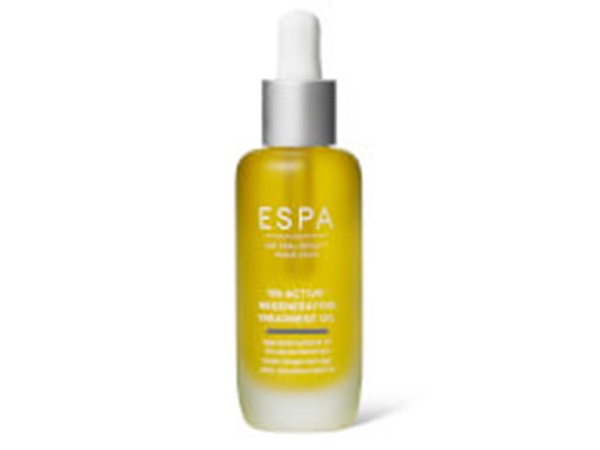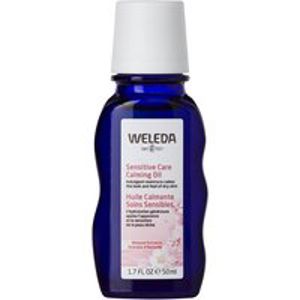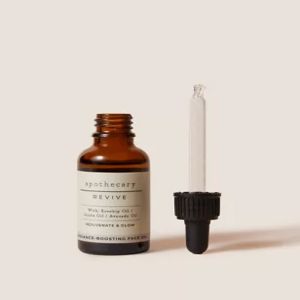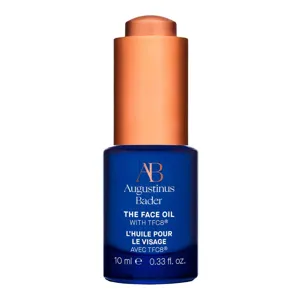

Our price tracker flags bigger discounts on face oils from late October to January. Retailers lean into colder weather. Shoppers look for extra comfort when heating dries skin out. Yet many women still pick oils that clash with their skin type and routine.
That mismatch wastes money. It also risks breakouts or irritation. You can avoid both with the right ingredient map and a few no-nonsense rules.
We track pricing across Boots, Superdrug, Space NK, John Lewis, Cult Beauty and Lookfantastic. We also see what actually sells. Lightweight squalane and linoleic-rich blends move fastest in winter. Heavy nut oils sit on shelves for longer. That pattern repeats each year.
Why face oils surged, and what changed
GlamGeek has watched oil textures grow since 2010. Early hits leaned on classic plant oils. Brands now build smarter blends with esters, cholesterol, ceramides and antioxidants. That shift reduces greasiness. It also boosts barrier support.
We see steeper promos around Black Friday and Boxing Day. We also see a second wave before Mother’s Day. Stock fluctuates then. Price gaps appear between high street and luxury counters. Women chase rosehip and squalane during both windows. Those SKUs often sell out first.
Formulators now label fatty acid profiles more clearly. You meet “oleic-rich” for comfort and “linoleic-rich” for congestion-prone skin. That labelling helps. It still confuses many shoppers who only want one clear answer. You won’t get one single oil that suits all faces. You will get a clear short list per skin type.
Essentials: a few drops go far. Most faces need 2–4 drops at night. Daytime use needs restraint. SPF sits on top. Oil can disturb that film. You need a careful plan for layering. We cover that below.
{{IMAGE:woman applying face oil close-up}}How face oils work on skin
Face oils sit in the emollient and occlusive camp. They soften skin and slow water loss. They also carry antioxidants and soothing lipids. Think vitamin E, coenzyme Q10, and plant sterols. Some blends include ceramide precursors for extra support.
You meet three main families. Triglyceride oils like avocado or olive feel plush. Hydrocarbon oils like mineral oil and squalane feel light and stable. Ester oils like C12-15 alkyl benzoate give a dry-touch finish. Brands often mix all three. That mix controls glide and afterfeel.
Skin barriers love lipids. Skin dislikes irritation and oxidation. Fresh, stable oils help the barrier bounce back after acids or retinoids. Rancid oils do the opposite. Dark bottles slow oxidation. Vitamin E helps too. So store oils away from heat and sun. Replace open bottles within 6–12 months.
One more myth crops up. Oils do not replace moisturisers. Moisturisers bring humectants and barrier lipids in a water-rich base. Oils lock that in. Pair both for steady hydration. Use oil to finish your night routine. Use a lighter hand in the morning.
Dry or dehydrated skin: choose comfort that seals, not smothers
Dry skin lacks oil. Dehydrated skin lacks water. Many faces show both from October to March. Central heating and chilly winds strain the barrier. You need an oil that cushions and seals without clogging pores.
Reach for oleic-rich or mixed-profile oils. Avocado, meadowfoam, camellia and marula give plush slip. Squalane adds light comfort and solid stability. Evening primrose and borage supply gamma-linolenic acid for calm skin. Oat kernel oil soothes rough patches fast. You can spot these on labels across brands like Clarins, The Body Shop and Clinique.
Layering matters. Use a hydrating toner or essence first. Try something from our Face Toners category. Follow with a humectant serum. Seal with your night cream. Tap 2–4 drops of oil over the cream. That order traps water and boosts bounce by morning. Shop winter creams in Night Face Moisturisers if your barrier needs more cover.
Want a sudden glow under makeup? Mix one drop into moisturiser. Keep oils away from the last SPF step. Oil can thin the sunscreen film. We explain the why in the layering section below.
Oily or acne-prone skin: think light, linoleic and steady
Many oily skins run low in linoleic acid. That deficit can thicken sebum. Pores clog faster then. Linoleic-rich oils sink better and feel lighter. Look for grape seed, safflower, hemp seed and rosehip. Squalane also works well when you want zero residue. Several brands like L'Oréal and Garnier offer light textures at high-street prices.
Patch test on the jawline for a week. Hold the rest of your routine steady. Add 1–2 drops at night over moisturiser. Skip fragrant essential oils if your skin flares. Watch for algae extracts if you react easily. That mix can trigger fungal acne for some women.
“Non-comedogenic” on a box helps. It doesn’t guarantee clear skin for all. Comedogenic ratings come from old data. Brands test on back skin, not faces. Use ratings as a nudge, not a rule. Your patch test gives the final call.
You can still treat spots while you use oil. Keep actives simple on oil nights. Retinoids and benzoyl peroxide dry skin fast. Layer humectants and a light moisturiser first. Add a drop or two of oil last. If redness rises, reduce frequency to two nights per week.
Sensitive or reactive skin: protect the barrier and keep it simple
Sensitivity peaks in winter. Heating, wind and hot showers chip away at the barrier. You need bland, fragrance-free blends. Reach for oat kernel, meadowfoam, squalane and borage. Mineral oil also calms many faces. It carries a dull reputation online. Dermatologists still rate it for stability and low irritation.
A short INCI list helps. You want the oil near the top. You also want antioxidant support like tocopherol. Skip essential oils if you react to fragrance. Linalool, limonene and citral often trigger stinging. Brands now label allergens more clearly. Check that box twice.
Store the bottle well. Heat and light speed up oxidation. Oxidised oils raise sting risk. Choose amber glass or opaque packaging when you can. You will find these cues in many lines from Estée Lauder and Shiseido, but always scan the INCI. Our product pages list full ingredients where available.
Want a fragrance treat without flare-ups? Keep that for body care. Reserve face oils for calm, low-risk support. Your barrier will thank you in February.
Mature skin and dullness: chase antioxidants and cushion
Mature skin needs comfort and daily defence. Fine lines show faster when water escapes. Pollution and UV also drive dullness. You can address both with smart blends. Look for squalane, meadowfoam and camellia for cushion. Add rosehip or sea buckthorn for carotenoids. Seek coenzyme Q10 or vitamin E for extra antioxidant cover.
Bakuchiol appears in many oil serums now. Brands pitch it as a gentler retinoid alternative. It won’t copy prescription results. It can still smooth texture with steady use. Pair it with a rich night cream to reduce dryness. Browse our Anti Ageing Face Creams and Anti Ageing Face Serums if you plan a full routine.
Apply 2–4 drops at night over moisturiser. Massage along cheekbones and marionette lines. Use light pressure. You support lymph flow and boost glow. If you use a retinoid, alternate nights with your oil. That pattern reduces irritation and still lifts radiance over time.
We track strong value sets in late autumn. Many bundles add an oil to a cream and serum. You can often pay less per millilitre. Check our Skin Care Sets and set a wishlist alert. We ping you when prices drop.
{{IMAGE:flatlay face oil bottles amber glass and botanicals}}Combination skin and seasonal shifts: customise by zone
Combination skin sets traps. Cheeks crave comfort. The T-zone rebels. You get the best results when you treat zones differently. Use a plusher oil for cheeks. Use squalane or a dry-touch ester blend for the T-zone.
Try a two-drop rule. Press one drop into each cheek over moisturiser. Tap any excess along the jaw. Avoid the nose and inner forehead. You can mix a single drop into moisturiser instead. That tweak keeps shine down.
Summer calls for lighter hands. Many women retire oils in heatwaves. You can still use one drop at night for recovery. Air conditioning also dries skin. If your office runs cold air all day, carry a hydrating mist. Save your oil step for bedtime.
We see oily T-zones struggle with rich cleansers. Switch to a gentle gel in warmer months. Our Foam & Wash Cleansers category lists options across budgets. Balance the cleanse, not only the final oil step.
Textures and labels: decoding pure oils, esters and blends
Oil labels feel busy. You can sort them fast when you know a few tells. Pure plant oils list one main oil near the top. Rosehip, hemp seed and grapeseed run thin. Avocado and olive run plush. Squalane reads light and silky. Esters like C13-15 alkane, caprylic/capric triglyceride and isopropyl palmitate give slip without weight. Brands blend them to hit a finish target.
“Dry oil” signals fast feel. That tag often means a higher ester ratio. “Treatment oil” signals added actives. You might see bakuchiol, vitamin C derivatives or sea buckthorn. Watch placement on the list. If the active sits near the end, expect a gentle nudge, not a punch.
Cold-pressed oils carry more scent and colour. They also oxidise faster. Refined oils smell softer and last longer. Sensitive faces often prefer refined versions. Dark or opaque bottles shield light. Airless pumps cut oxygen. Both features slow rancidity. We rate those details in our reviews.
Some brands add fragrance for a spa vibe. If you love scent, test before you buy. If your skin reacts often, choose fragrance-free. You can filter by brand families on GlamGeek. Explore oil-forward lines at Clarins, accessible picks at Garnier and L'Oréal, or luxe textures at Estée Lauder and Shiseido.
Layering rules: where oils fit with serums, creams and SPF
Water-based layers go first. Oils and balms finish. That order reduces pilling and patchy makeup. Follow this simple map at night: cleanse, tone, serum, cream, then oil. Our Face Toners help pre-hydrate. Our Day Face Serums list hydrators and brighteners for morning. Save richer oils for evening.
SPF always sits last in the morning. Oil under SPF can disrupt the film. Film gaps reduce protection. If you crave glow by day, mix a single drop into moisturiser. Let that set fully. Apply sunscreen on top. Keep the oil away from the final SPF surface. Our SPF Protection Products category spans mineral and chemical filters if you plan a swap.
Retinoids and acids need care. Pair acids with a bland oil on non-acid nights. Pair retinoids with a light oil to cut flakes. If irritation rises, back off actives first. Keep the oil step steady for comfort while you reset the barrier.
Foundation mixing works when you keep ratios tight. Start with one drop per pump of base. Blend on the back of your hand. Apply with fingers or a brush. You gain slip and a dewier finish. Too much oil will wreck wear time. Reduce the drop count if your T-zone shines.
Patch testing, storage and shelf life: protect your results
Patch test every new oil. Choose a clear area near the jaw or neck. Apply a tiny amount for five nights. Watch for stinging or new bumps. Hold all other changes. A clean test gives a clean read.
Store oils in a cool cupboard. Keep caps tight. Heat and light speed rancidity. Many unrefined oils peak within 3–6 months after opening. Refined oils often last longer. Trust your senses. If the scent turns sharp or paint-like, bin it. Don’t stretch an old bottle through another winter.
Travel bottles need care. Decant only what you will use. Use glass or aluminium where you can. Plastic can leach scent over time. Wipe droppers. Oil residue attracts dust and bacteria. Clean tools protect your face as well as your product.
Our price tracker spots strong mini sets around gift season. Minis let you test textures without a big outlay. Add picks to your wishlist. We ping you when discounts land across Boots, Superdrug, Space NK and Lookfantastic.
When to skip oil, and what to use instead
Some routines don’t need oil. Very humid summers add enough surface moisture. Heavy creams may already seal well. If your sunscreen sits thick, extra oil can push it over the edge.
If you still feel dry, raise humectants first. Try a hydrating serum and a richer cream. Browse our Day Face Moisturisers for lighter sealants. Use a cream with ceramides and cholesterol for resilience. Bring oil back only if tightness lingers.
If clogged pores flare each time you use oil, consider a gel-cream instead. Balance exfoliation with care. Over-exfoliation causes flakes and breakouts together. Choose gentle acids once or twice a week. Shop our Face Exfoliants and keep the rest of your routine calm.
What this means for your shopping list
Match fatty acid profile to your skin. Dry cheeks love oleic-rich or mixed oils. Oily zones prefer linoleic-rich or squalane. Sensitive faces thrive on fragrance-free blends with vitamin E. Mature skin likes comfort with antioxidant support.
Build a routine that respects order. Hydrate first. Moisturise next. Seal with oil at night. Keep oil away from the final SPF layer each morning. Mix a single drop into moisturiser for daytime glow if you must.
Buy in season and watch our comparison tool. We track prices across major UK retailers every day. You can spot real deals at Boots and Superdrug, and luxe markdowns at Space NK and John Lewis. Add favourites to your GlamGeek wishlist. We ping you when prices move.
Keep the bottle fresh. Store it well. Replace it on time. A fresh oil helps the barrier. A stale oil spoils hard work fast.
Your next step
Shortlist three oils tonight. One for comfort. One for the T-zone. One wild card for texture. Check our brand hubs for ideas across budgets: Clarins, The Body Shop, Clinique, Estée Lauder, L'Oréal, Garnier and Shiseido. Add them to your wishlist and watch for a drop.
Which oils actually work for your skin type, and which ones always misbehave? Tell us the wins and the fails. We’ll keep tracking prices and patterns, and we’ll surface the standouts when they go on offer.