Refillable pumps, aluminium bottles and “nature-positive” badges now crowd UK shelves. Our price tracker shows more refills and larger formats in 2024–2026 than at any time since we began tracking in 2010. Shoppers get the message: waste less, spend smart, skip the greenwash.
But not every refill saves plastic. Not every “green” label holds up. Some formats cut emissions and clutter. Others cost more and complicate recycling. The trick is to separate the helpful from the hype, so you use up what you buy and avoid paying for packaging theatre.
We’ve pulled together what works in 2026, grounded in data from our merchant feed and thousands of shopper reviews. Think practical swaps, credible signals, and buying tactics that suit the UK high street and climate.
Context: how we got here, and why claims now face tougher checks
UK shoppers started seeing “clean” and “eco” everywhere around 2019. Then came the clampdowns. The Competition and Markets Authority set out the Green Claims Code, and brands now risk scrutiny if they overstate environmental benefits. That pressure has filtered into beauty. The claims feel less airy and more specific in 2026.
Plastic rules changed the stakes too. The UK’s plastic packaging tax pushed companies to use more recycled content where feasible. Retailers have backed refills, pouches and bar formats on shelves. Our feed shows a steady rise in refill SKUs listed by Boots, Space NK and Lookfantastic, particularly in skincare and haircare.
Yet the bin still tells the truth. Mixed-material pumps rarely recycle at kerbside. Glass looks premium but weighs more in transit. A refill pouch works only when you actually refill the bottle several times. The biggest sustainability wins often come from the boring end of the scale: fewer steps, larger sizes you finish, and ingredients that do more with less.
Pricing patterns matter as well. Across our tracker, we often see big-size body wash and shampoo formats carry lower unit pricing than standard bottles. Seasonal bundles at department stores can add minis you won’t use. Price is a sustainability lever, because wasted spend usually means wasted packaging too.
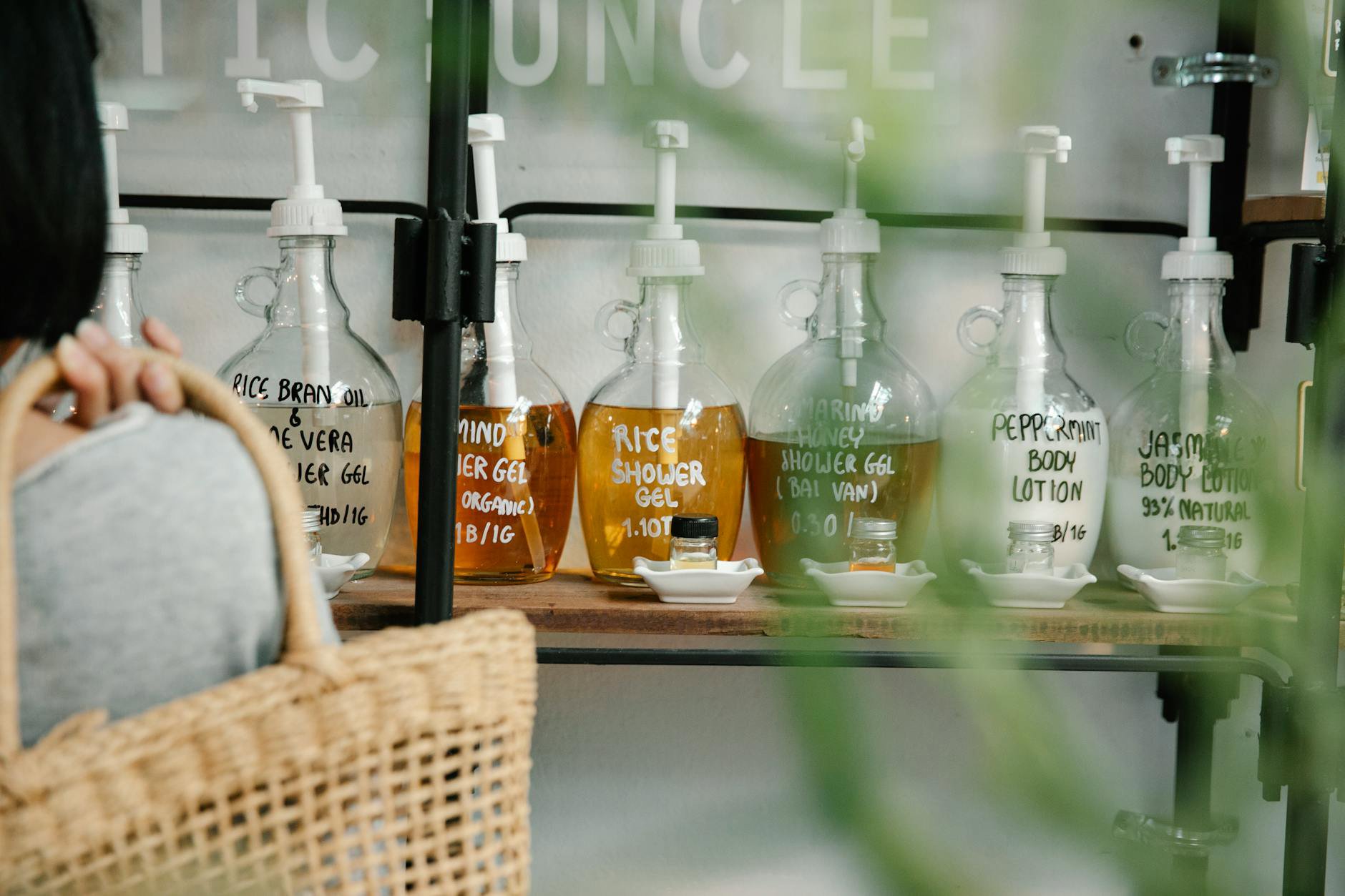
{{IMAGE:sustainable beauty flatlay recyclable jars pumps woman hands}}Refill culture that actually saves waste and money
Refills can be brilliant. They can also be busywork. The difference lies in format, durability and genuine unit-cost savings. If the refill pouch reduces plastic by a clear margin and the original bottle survives several rounds, you win on waste and spend. If the refill system uses a complex plastic pod you swap every six weeks, the benefit shrinks.
We rate simple pouches that top up a robust container. They store flat, cut freight volume, and reduce new components. Aluminium or PET bottles with standard threads keep things easy because you can replace the pump when it breaks. Cartridge systems with bespoke valves lock you into one brand and complicate local recycling. Refill lipsticks and powder compacts do work if you love the case and plan to keep it for years. The best ones use magnetic pans and standard sizes rather than hard-to-source inserts.
Look for clear refill claims, not vague greenness. “Uses 70% less plastic” means something if the bottle lasts. “Eco-friendly pack” does not. Check the maths: will you actually buy that refill twice, or do you hop brands every sale? A refill you never purchase isn’t a saving. If you want low-fuss, stick to refillable staples you always finish, like cleanser, shampoo and body lotion, rather than seasonal lip shades you might not pan.
UK stockists now carry a broad spread of refills. Boots and Superdrug often stock mainstream haircare pouches. Space NK and Cult Beauty list premium skincare refills and chic aluminium bottles. John Lewis and Lookfantastic sit in the middle, with both pouches and premium cartridge formats. Use our comparison tool and wishlist on GlamGeek to watch prices across these retailers; add your preferred refill and we’ll ping you when the price dips.
Packaging choices that matter (and ones that don’t)
Start with reuse, then refill, then recycle. Reuse beats all because you avoid new material. A sturdy pump bottle that survives a year’s refills outperforms three fragile ones, even if those claim recycled content. Aluminium usually recycles well and resists bathroom knocks. Glass suits serums and fragrance but adds weight in transport. Black plastic remains patchy in kerbside systems, though detection tech has improved. Mixed-material pumps still cause problems.
If you want an easy win, keep pumps and misters when you can, and buy your next product in a cap-only bottle. Swap pumps across compatible neck sizes. That cuts one of the trickiest bits to recycle. Rinse bottles before bins or kerbside boxes, and remove metal springs where obvious. Many local councils publish clear plastic-type rules. Check those rather than base choices on generic advice from a brand’s FAQ.
Watch the label language. “Made with recycled plastic” tells you part of the story. How much? Where? “100% recyclable” also fades if the cap, label or dispenser fails local sorting. We’ve seen better disclosure in 2026: exact percentages of post-consumer recycled (PCR) content and clearer instructions on disassembly. Prioritise brands that publish those details over vague green seals. Premium perfume houses now talk up refillable fountains and lightweight caps. That cuts metal and plastic trims that add zero benefit to wear.
Finally, don’t confuse weight with worth. Heavy jars can feel luxe but do little for skin and cost the planet more in freight. A lighter pot with a refill insert often performs better across its life cycle. If you like the look of a heavy case, commit to it for several refill rounds.
Ingredients and formats with a smaller footprint
Formulas can reduce waste when they stretch further and replace multiple steps. High-coverage SPFs reduce the need for extra “protective” layers. Balms and oils remove makeup without cotton pads. Concentrates and anhydrous sticks strip water and bulk from the pack-out. The key is performance per millilitre and how often you repurchase.
Consider a streamlined routine that suits the UK’s damp winters and dry indoor heating. A barrier-supporting moisturiser with ceramides and cholesterol will work harder than a lightweight gel you top up three times a day. Browse our Day Face Moisturisers to compare textures and claims, then shortlist options that offer refill pods or large formats. For sun care, daily protection remains non-negotiable. Look for high UVA rating and textures you’ll apply generously. Our SPF Protection Products section groups face and body options across high street and premium retailers.
Bars and sticks now feel far less scratchy than early versions. Cleansing bars with pH-balanced surfactants perform well and ship without heavy bottles. Solid shampoos work best on normal to oily roots. Very dry or textured hair often prefers a creamy liquid. Try a bar for travel and gym kits to avoid decanting and leaks.
Sensitive skin often tolerates fewer actives better than many. A gentle leave-on exfoliant twice a week can reduce the need for frequent clay masks or scrubs that you rinse away. If retinoids suit you, a well-formulated serum or cream may replace multiple brightening and texture products over the year. Less overlap means fewer half-used tubes.
Fragrance: refills, concentrations and longer wear
Perfume generates some of beauty’s heaviest vessels and trims. Refill systems here can make a real dent. Many department-store counters now refill signature bottles in-store, and some brands sell larger refill formats to top up at home. Concentration also matters. A well-built eau de parfum or extrait you wear sparingly reduces spritzes and glass throughput. A light eau de toilette may need more sprays and faster repurchase.
We’ve seen big houses push refillable icons since 2024. Look for streamlined caps and cases, lighter-weight glass and branded refill bottles that lock to the neck without spills. Browse our Eau de Parfum Perfumes to filter by brand and size. You can save favourites to a GlamGeek wishlist and compare where Boots, John Lewis or Space NK list better promotions. If you already own a bottle from a refill-friendly line, check counter refilling before you bin it. Many charge less than a fresh boxed bottle and cut the packaging fuss.
Watch nature-positive language in fragrance too. “Natural” doesn’t equal low impact. Some naturals carry land-use and biodiversity concerns. Many lab-made aroma molecules use less land and can improve consistency and wear. Prioritise brands with transparent sourcing for naturals, RSPO-certified palm-oil derivatives where used in bases, and clear refill availability on the core sizes women buy most.
Makeup: refillable winners vs glossy greenwash
Colour cosmetics have chased sustainability through refillable bullets, magnetic palettes and pan swaps. The wins tend to cluster around products you repeat: pressed powders, bronzers, brow waxes. Refillable lipsticks pay off only if you stick to the case and rebuy the same line. If you love collector packaging or seasonal shades, refills save less.
We rate pan-based systems that accept standard sizes and avoid tiny hinges that snap. Custom palettes from brands like MAC keep cases in play for years. Many premium houses now offer refillable powder compacts and bullets; look for clean, magnetised mechanics and replacement pans stocked widely. If you’re set on glam cases, check long-term refill availability before splurging. An empty case without inserts creates waste and frustration.
On the mid-price end, refillable lip and face products from brands such as Charlotte Tilbury have improved fit and closure tolerances in recent seasons. Stockists like Space NK, Cult Beauty and John Lewis carry refills more consistently than they did two years ago. Use GlamGeek to set price alerts on your chosen shade so you can rebuy the insert during a sale rather than the full case.
If you want to cut packaging fastest, skip novelty minis you’ll never finish. Buy everyday staples in formats you pan or toss every quarter. Our Liquid Foundations hub helps you filter by finish and coverage to reduce shade guesswork and returns. A good match means fewer duplicate bottles gathering dust.
{{IMAGE:woman applying refillable lipstick sustainable makeup}}Hair and body: big sizes, bars and fewer plastics
Hair and body care generate the most empties by volume, so small tweaks pay off. Large-format shampoo and body wash cut cost per use and pack weight per millilitre. Many haircare lines now sell refill pouches that top up a durable bathroom bottle. That beats buying a new pump every month. Salon brands such as Kérastase offer refill systems for bestsellers, which you’ll find at retailers like Lookfantastic and Space NK. High-street brands such as Garnier also push bar formats and lighter bottles across Boots and Superdrug.
Pick formats by hair type and use-up habits. If you finish conditioner slower than shampoo, buy a smaller conditioner to avoid stale product. For curls and coils, a richer mask used weekly may replace multiple leave-ins. Our Hair Masks category shows size, texture and ingredient filters so you can sort options before you buy.
Body lotion pumps help you stick with daily application through winter heating. That beats buying one ultra-rich balm you use for a week and abandon. Look for lightweight but occlusive textures with glycerin and urea to sustain moisture on cold days. This reduces impulse top-ups with multiple oils and butters. If you prefer tubs, choose ones with wide openings for easy last-scrape so nothing goes to waste.
Shower bars travel well and reduce leaks. Keep them dry between uses on a draining dish to extend life. If your household runs through body wash, a 750 ml bottle with a reused pump often outperforms multiple 250 ml flip-tops, both on cost and plastic weight.
Reading “nature-positive” claims without rose‑tinted glasses
“Nature-positive” has become the phrase of the year. In practice, it covers biodiversity, land use, water and community impact. The label works when brands back it with traceable sourcing and time-bound goals. It fails when it floats over a rainforest photo without data.
Look for third-party standards you can verify. For plant oils and surfactants, RSPO certification signals better palm-oil governance. For organic claims, UK shoppers can look for Soil Association/COSMOS logos. Cruelty-free remains complex in a global industry; the Leaping Bunny remains the strictest scheme. “Vegan” does not equal low impact by default. It can reduce animal inputs yet still use high-plastic packaging.
Mica sourcing deserves a mention. Ethical mica initiatives now publish supplier lists and audits. Brands that call out synthetic mica or verified sources give you more to go on than a general “ethically sourced” line. On sunscreens, “reef-friendly” claims vary by jurisdiction. UK waters differ from tropical reefs, and no single label fits every marine setting. Prioritise broad-spectrum protection you will apply in full amounts; that protects your skin and avoids the waste of bottles that linger unused after a chalky first try.
Packaging claims around compostables and bioplastics still muddle. Many industrially compostable packs will not break down in a home bin or at kerbside. Paper-based bottles often conceal plastic liners. If you can’t see a clear end-of-life route through your council, pick a refill or a simple, lighter pack you know you’ll finish.
Smarter buying: price data, returns and routine planning
Waste hides in scattershot shopping. The easiest sustainability lever is a tighter plan and better timing. Build a simple wishlist on GlamGeek with the staples you repeat. We track prices across Boots, Superdrug, Space NK, Cult Beauty, John Lewis, Lookfantastic and Beauty Bay so you don’t have to. You’ll get a ping when a trusted formula drops in price at a reputable retailer. That beats panic-buys from a random marketplace listing you’ll regret.
Treat returns as a last resort. Each trip adds packaging and shipping emissions. Reduce misses on colour by using swatch galleries and shade-finder tools. Our Liquid Foundations section has filters for undertone and finish to narrow options. When possible, shade-test in store at Boots or department counters before you commit online. The same goes for mascara and lip: filter our Mascaras or Lipsticks by brush, finish and wear to avoid duplicates that end up in a drawer.
Watch gift sets and multibuys. Space NK and department stores run strong promotions but sometimes bundle minis you don’t need. If a set contains three shades you’ll never wear, skip it and buy the single refill you’ll finish. On the high street, Boots and Superdrug run multi-save deals on shower gel and shampoo; compare unit prices before you add to basket. Bigger works only when you finish it.
Finally, pace your routine with the UK climate. Cold months favour richer night creams, which help you avoid constant top-ups of lighter gels. Humid spells allow you to scale back and rely on a gel moisturiser plus SPF. Keep one open cleanser, one moisturiser and one sunscreen in rotation. Empties move faster and less goes stale.
Brand case notes: what we’re seeing across categories
Premium makeup leans hard into refills. Cases from brands like Charlotte Tilbury and refillable palettes from MAC get better engineering each year. We look for brands that keep inserts in stock and avoid changing pan sizes every season. If you buy the case, commit to at least two refill rounds to make the material pay back.
Haircare hits the biggest volume gains. Salon-backed ranges like Kérastase now push refill pouches and sleek reusable bottles, stocked by Lookfantastic and Space NK. Mainstream lines such as Garnier sell bars and lighter bottles at Boots and Superdrug that reduce freight bulk. Our hair categories show size ranges and refill availability where listed, so shortlisting takes minutes.
Fragrance shows luxe-led progress. Houses including Lancôme and Guerlain have leaned into refills and lighter glass on signature lines, with counters offering top-ups at major department stores. Browse our Eau de Parfum Perfumes to compare sizes and note where refills appear in the listing carousel.
Skincare now speaks in specifics. PCR percentages show up more. Brands publish instructions on taking apart pumps and lids. When a cream offers a refill pod, the second purchase tends to carry a lower RRP. We track those shifts across Boots, John Lewis and Cult Beauty. Add the pod to your GlamGeek wishlist and set an alert so you rebuy the insert, not the jar, during a promo window.
What this means for your bathroom shelf in 2026
Trim the duplicate steps. Keep your everyday routine tight and choose formats you fully use. Put your refill budget where you finish product fastest: cleanser, shampoo, body lotion and pressed powder. Buy refills or pouches for those and stick with the case or bottle long enough to offset the initial material hit.
Interrogate the label once, then relax. Check PCR percentages, recyclable parts and refill compatibility when you buy. After that, focus on finishing the bottle. A near-empty pump creates more waste than a slightly less perfect materials spec you empty with ease. Your bin and your bank balance will confirm which products deliver real value.
Let data do the heavy lifting. Use GlamGeek’s comparison to watch stable favourites across Boots, Superdrug, Space NK, Lookfantastic, Beauty Bay, Cult Beauty and John Lewis. Add items to a wishlist. We’ll nudge you when a refill or large size hits a better price. You save cash and avoid impulse purchases that don’t suit your skin, hair or fragrance taste.
And when the marketing turns misty—“nature-positive”, “planet-kind”, a leaf icon with no details—look for the receipts: RSPO where palm derivatives show up, recognised cruelty-free marks, COSMOS/Soil Association for organic claims, and practical end-of-life guidance for the pack. If the proof exists, brands will show it.
Sign‑off
What swaps have actually cut waste and spend in your routine—refill pouches, bigger bottles, or fewer steps? Tell us which claims you trust and which you skip. Add your next refill to a GlamGeek wishlist and we’ll alert you when the price drops at a trusted UK retailer.