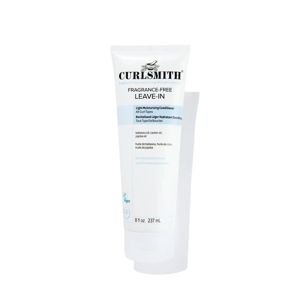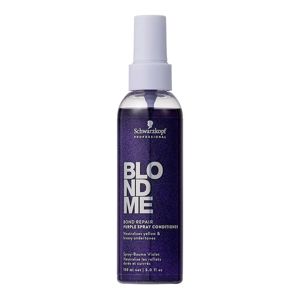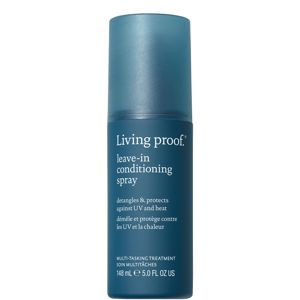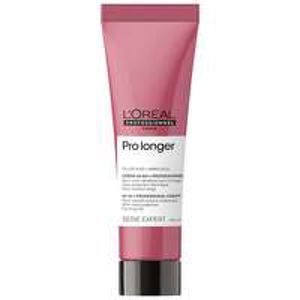
Leave-in conditioner and hair oil can both make hair feel softer and look smoother, but they solve different problems. Leave-in conditioners add water-based hydration, slip and manageability; oils mainly seal, lubricate and add shine. If you choose based on what your hair lacks—moisture, protection, or surface smoothing—you’ll get better results with less product.
For most UK hair types dealing with indoor heating in winter and humidity spikes year-round, we see the best outcomes when leave-in conditioner does the “prep” and a tiny amount of oil (if you use one) does the “polish”. The order matters. So does dosage.
This guide breaks down the differences, who should prioritise which, and how to build a routine that controls frizz and dryness without turning lengths flat.
Quick answer: they aren’t interchangeable
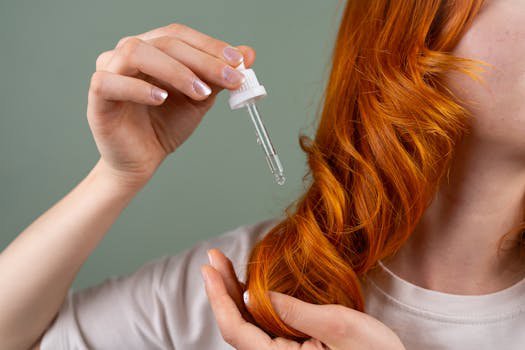
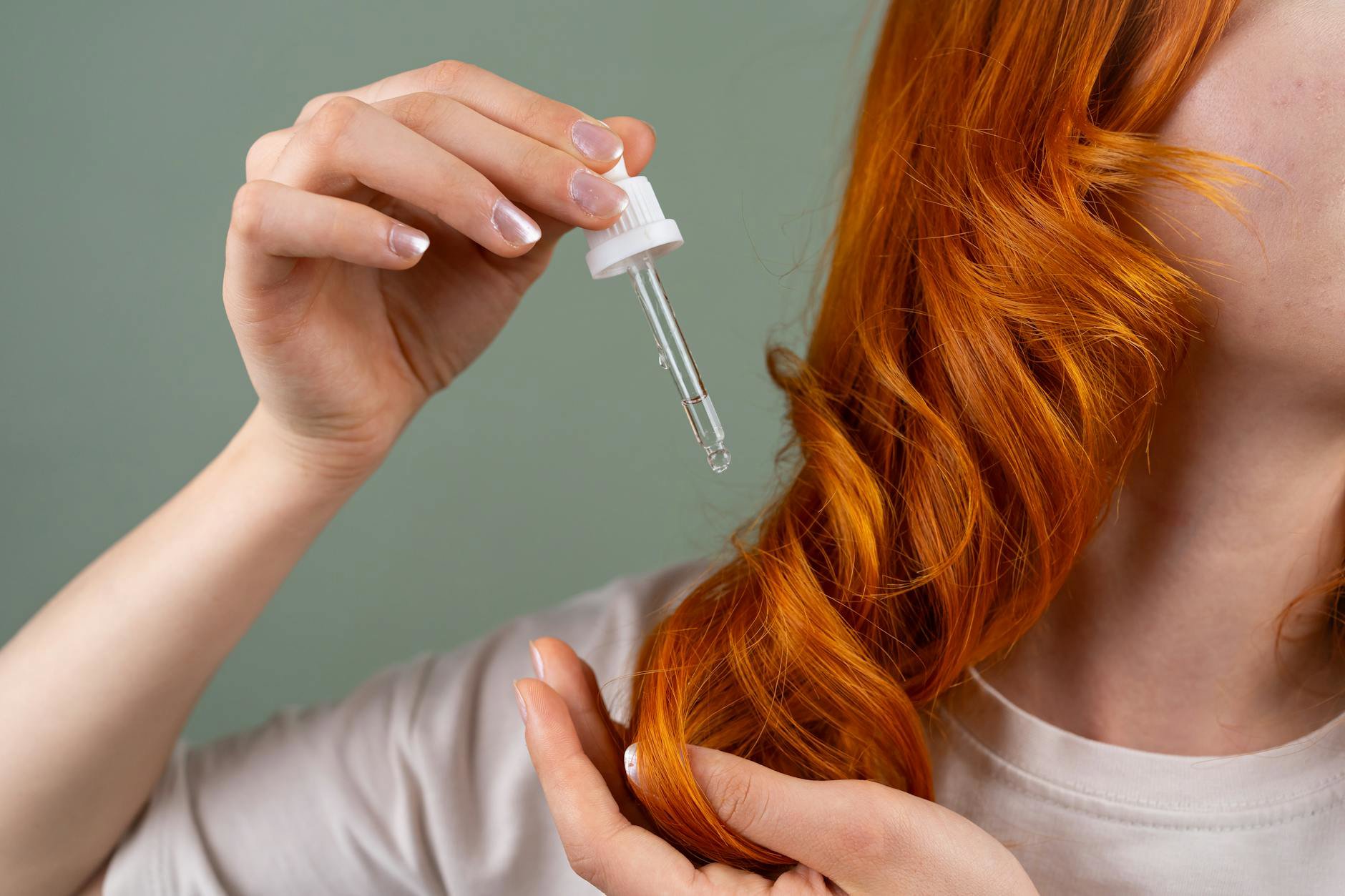
Hair oil tends to behave like a sealant: it coats the cuticle, reduces friction, and boosts shine. That can make hair look healthier fast, but it doesn’t replace lost water. If your hair feels rough because it’s dehydrated, oil alone often gives a glossy top layer while the inside still feels thirsty.
Leave-in conditioner behaves more like a hydrator + detangler + protector. Most formulas mix water, conditioning agents and emollients, so they help hair hold onto moisture, detangle with less breakage, and style with less stress. The feel can range from weightless mist to rich cream.
Which is “better” depends on the goal. For dryness and tangles, leave-in usually wins. For shine and flyaways, oil usually wins. For damage and breakage, the best pick often sits in the leave-in category—especially treatments that claim strengthening or repair.
- Choose a leave-in when hair feels dry, tangles easily, looks frizzy after washing, or you need heat/humidity help.
- Choose oil (or oil-like finishing) when ends look dull, you get surface frizz, or you need slip for styling.
- Layer when hair needs both moisture and
- Skip oil first if hair goes limp fast or you struggle with build-up.
Because this is GlamGeek, we’ll also say the quiet part out loud: the “best” product is the one you can use consistently without over-applying. Our price tracking across UK retailers shows leave-ins sit across a wide band, from mini sizes around £5 to luxury options above £30, so there’s room to pick by budget and texture preference.
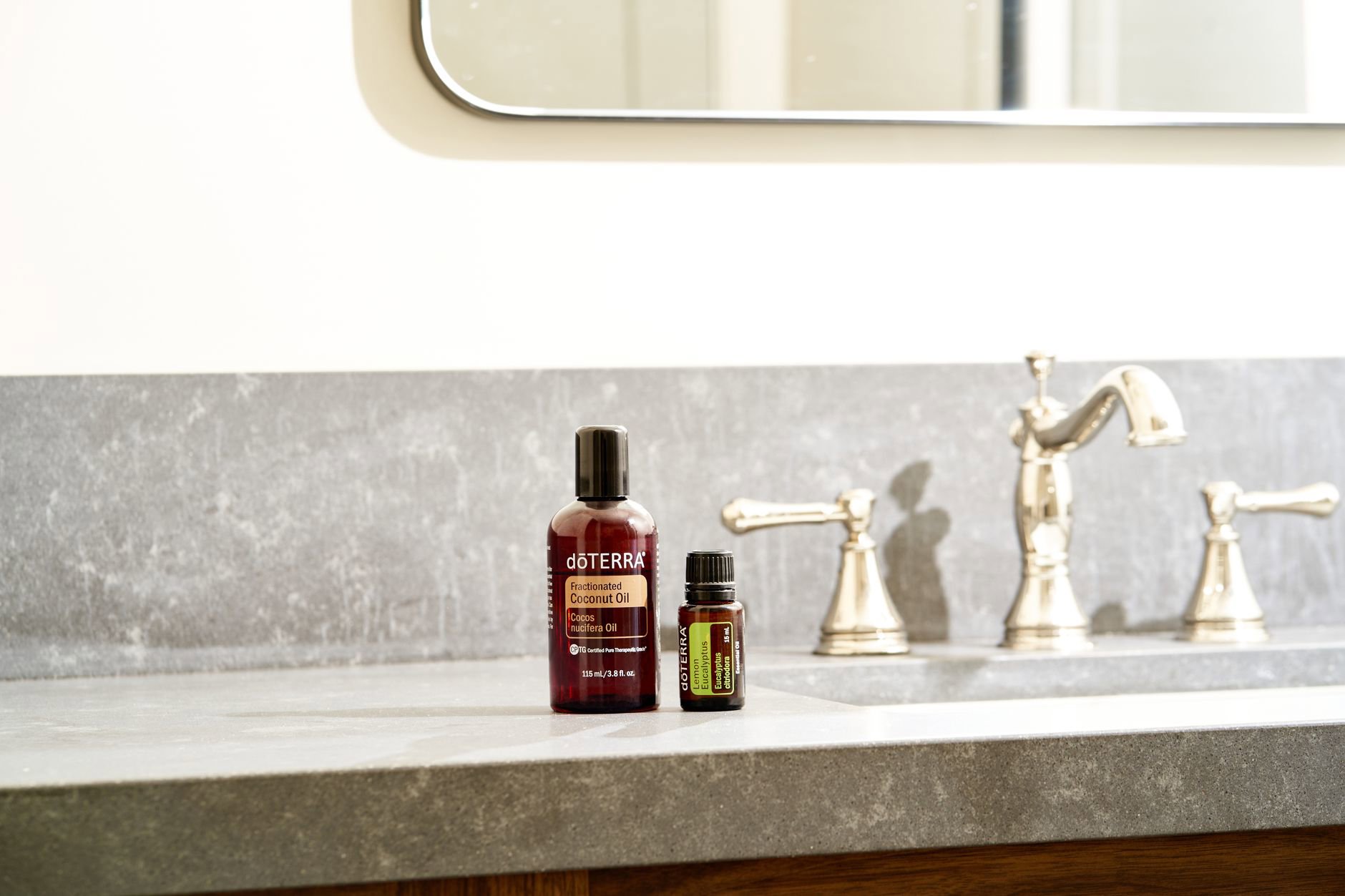
What leave-in conditioner actually does (and why it often beats oil for frizz)
Frizz often starts with a moisture imbalance. Hair absorbs water from humid air, swells unevenly, and the cuticle lifts. Oils can reduce that swelling by coating the surface, but many people need a conditioning base first—otherwise the hair still feels rough underneath.
Leave-in conditioner helps in three key ways:
- Hydration: water-based formulas can rehydrate the fibre after washing.
- Slip: conditioning agents help strands glide past each other, so you detangle with less breakage.
- Manageability: the right leave-in can make styling easier, so hair gets less mechanical damage.
If you want a clear example of “conditioning first”, look at Philip Kingsley Daily Damage Defence Leave-In Conditioner (from £19.50). It’s a leave-in conditioning spray designed to detangle on wet or dry hair, improve manageability, reduce breakage, boost shine and help with frizz control. That combination—slip + frizz help + breakage reduction—sits right in leave-in territory.
For hair that frizzes in damp weather but gets weighed down easily, a lighter mist can make more sense than a creamy leave-in. Davines Dede Hair Mist (from £25.00) targets fine, delicate lengths and aims to maintain moisture levels while limiting frizz, without flattening the hair. It also uses mineral-rich red celery extract in the formula description, which signals a “light conditioning support” approach rather than heavy oils.
And for the air-dry crowd, a leave-in that doubles as a styling helper can reduce frizz simply by improving how the hair sets. Curlsmith Weightless Air Dry Cream (from £10.00) positions itself as a versatile leave-in with a lightweight silky texture, plus moisturising ingredients like castor oil, babassu, jojoba and murumuru butter to nourish without the heavy feel many people associate with oils.
What hair oils do well—and where they fall short
Hair oils excel at surface effects: shine, reduced flyaways, and that “silky” feel when you run fingers through the ends. Oils also reduce friction, which can mean fewer snapped hairs during styling and less roughness from clothing and scarves.
But oils do not hydrate in the way most people mean it. Oil does not supply water. If you put oil on hair that already feels dry and tangly, you can end up with hair that looks shinier yet still feels straw-like. That’s why “oil made my hair greasy but not softer” is such a common complaint.
There’s also the build-up issue. Oils and heavy silicones can accumulate, especially if you refresh daily. Then hair starts to feel coated, styles drop faster, and shampooing needs to get more aggressive. That cycle can make ends feel even drier over time.
So how does this help you choose a leave-in? It tells you when to prioritise the leave-in step. If your hair needs water + conditioning, pick a leave-in with the texture you can actually tolerate. If you still want a polished finish, use a minimal amount of oil afterwards.
One more nuance: some leave-ins include oil-like ingredients (plant oils, butters, or smoothing agents). That can give you the “oil look” with better manageability. For example, amika Hydro Rush Intense Moisture Leave-In Conditioner (from £8.00) includes hyaluronic acid and squalane in its description, and it claims 3x more hydration while detangling. Squalane reads like an oil, but the product still sits in a leave-in conditioning base.
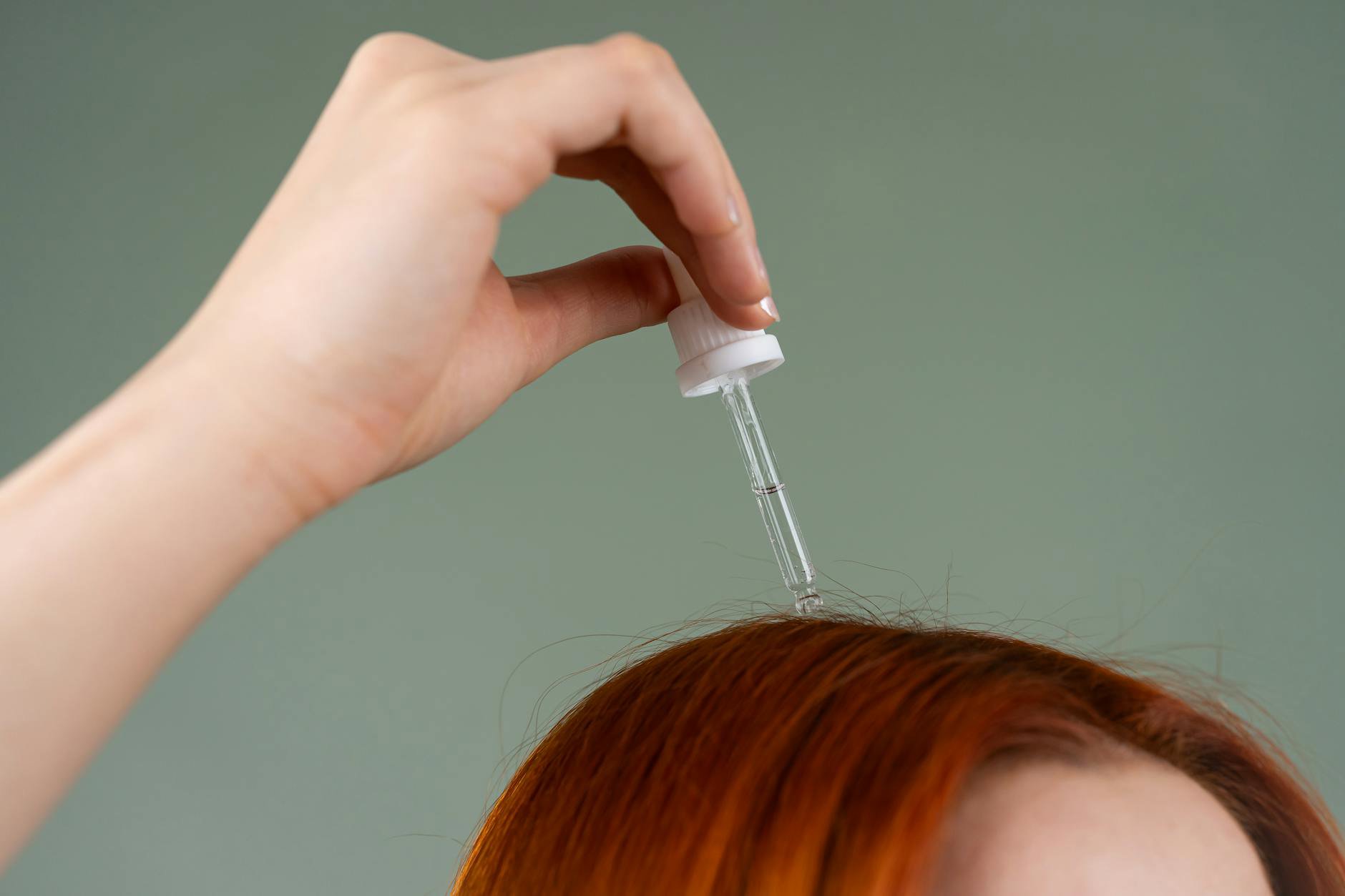
Choosing by hair concern: dryness, frizz, damage, thinning, curls
Most people don’t shop by ingredient list. They shop by problem. Here’s how we’d match concerns to leave-in types, using only leave-ins from our tracked list.
Dryness (hair feels rough, ends feel crunchy)
Start with a hydrating leave-in that also detangles, because dryness and tangles feed each other. amika Hydro Rush Intense Moisture Leave-In Conditioner (from £8.00) targets long-lasting moisture and detangling, with hyaluronic acid and squalane called out. That’s a strong “hydrate first” signal.
If you want nourishment with an air-dry friendly feel, Curlsmith Weightless Air Dry Cream (from £10.00) blends lightweight texture with oils and butters in the description, which can help coarser hair feel less parched without relying on a separate oil step.
Frizz (humidity + flyaways, especially around the crown)
For frizz that kicks off the moment you step outside, look for explicit humidity/frizz claims. Kérastase Discipline Fluidissime Spray (from £29.05) focuses on smoothness and manageability for fine and sensitised hair and includes thermo-protective agents designed to protect from frizz and humidity for up to 72 hours.
If frizz comes with tangles and general daily wear, Philip Kingsley Daily Damage Defence Leave-In Conditioner (from £19.50) covers detangling, breakage reduction and frizz control in one spray format.
Damage (bleach, heat, snapping ends)
Damage needs more than shine. It needs support that reduces breakage and improves feel over time. Two leave-ins in our list speak directly to repair and strengthening.
- Olaplex No.6 Bond Smoother (from £5.01) positions itself as a leave-in repairing treatment that strengthens, hydrates and moisturises, and it claims frizz reduction for up to 72 hours.
- Aveda Botanical Repair Strengthening Leave-In Treatment (from £13.50) focuses on strengthening and guarding against future damage by maintaining essential bonds in the hair fibre.
For more intensive “repair mask but leave-in” behaviour, K18 Biomimetic Hairscience Leave-In Molecular Repair Mask (from £12.00) claims it reverses damage in 4 minutes to restore strength, softness, smoothness and bounce. That’s a different proposition from oil shine.
Thinning hair (breakage-related shedding, fragile lengths)
Thinning concerns often involve breakage, not just density. Aveda Invati Ultra Advanced Fortifying Leave-In Treatment (from £18.00) explicitly targets hair fall due to breakage and claims reduced hair fall by 77% due to breakage, plus stronger, more resilient hair and frizz reduction for 24 hours.
Curls and waves (definition + softness without crunch)
Curly hair often needs both moisture and controlled friction. Kérastase Curl Manifesto Creme De Jour Fondamentale Leave In Conditioner (from £34.05) targets curly to coily hair with Manuka Honey and Ceramides in the description, aiming to hydrate and smooth while keeping a lightweight texture.
For curl definition and manageability, Color Wow Cocktail (from £25.00) gets positioned for curly and wavy hair to improve manageability without weighing hair down, with a coconut-infused leave-in treatment and a shine-enhancing gloss in the bundle description.
Ingredient science, without the marketing fog
Most “oil vs leave-in” confusion comes from texture. A creamy leave-in can feel oily, and a silicone-heavy oil can feel like a conditioner. The better way to think about it: water-based conditioning vs lipid-based sealing.
Leave-in conditioners usually combine water with conditioning agents and emollients. That lets them deliver hydration and slip at the same time. In our list, you can see that split in product formats: sprays like Davines Dede Hair Mist and Philip Kingsley Daily Damage Defence aim for detangling and manageability without weight.
Some leave-ins call out specific “hydration tech”. amika Hydro Rush names hyaluronic acid and squalane. Hyaluronic acid links to water-binding hydration; squalane adds lightweight emollience. That pairing often suits hair that needs softness but hates grease.
Others focus on damage pathways. Aveda Botanical Repair Strengthening Leave-In Treatment mentions maintaining essential bonds in the hair fibre. K18 frames its claim as molecular repair with results in 4 minutes. That “internal support” message differs from oils, which mostly affect the surface.
And then there’s humidity and heat. Kérastase Discipline Fluidissime calls out thermo-protective agents plus anti-frizz and humidity protection up to 72 hours. That’s the kind of claim oil marketing often borrows, but here it sits in a treatment spray format.
One more practical point: if your hair dislikes oils, you don’t need to force it. A leave-in that includes a small amount of oil-like emollients can give you shine and slip with less build-up risk than layering multiple products.
How to choose the right leave-in texture (and avoid the “greasy but still frizzy” trap)
Texture matters as much as ingredients. Our merchant feeds show shoppers bounce between mists, creams and treatment masks depending on hair thickness and styling habits. Matching texture to hair density saves money and frustration.
Go mist if your hair is fine, gets oily at the roots, or collapses after styling. Davines Dede Hair Mist (from £25.00) targets fine, delicate hair while maintaining moisture and bounce. Philip Kingsley Daily Damage Defence (from £19.50) also suits people who want detangling and frizz support without a heavy finish.
Go lightweight cream if your hair is wavy, curly, or medium density and you want softness that lasts. Curlsmith Weightless Air Dry Cream (from £10.00) sits in this sweet spot, and it works for air-drying routines where a mist sometimes feels too thin.
Go treatment cream if you heat style, bleach, or struggle with persistent frizz. Olaplex No.6 Bond Smoother (from £5.01) offers a concentrated styling crème format with repair and frizz claims for up to 72 hours, plus faster blow-dry time in the description. That makes it a practical pick for people who want fewer steps.
Go repair mask leave-in if hair feels compromised and doesn’t bounce back. K18 (from £12.00) targets strength, softness and bounce with a 4-minute claim. Use it when you care more about recovery than instant gloss.
The “greasy but still frizzy” trap usually comes from applying a rich product too close to the roots, or applying too much on hair that still holds plenty of water. Keep leave-in focused on mid-lengths to ends, then add more only if hair still feels rough once it dries.
Layering leave-in and oil (without weighing hair down)
Many routines work best with layering, but the sequence should support how hair absorbs products. Water-based leave-ins go first. Oils (if used) go last, because oils can block water-based hydration from getting in.
Even if you plan to use oil, a leave-in sets the foundation. If you skip straight to oil, you often seal in dryness. That’s the opposite of what most people want.
Here are three layering templates that suit common UK hair scenarios. Each one uses a leave-in as the anchor step.
- Fine hair + frizz in humidity: Start with Kérastase Discipline Fluidissime Spray (from £29.05) on towel-dried hair, focusing on the outer layer and ends. Then use a pin-head amount of oil only on the last 5–8 cm of hair.
- Curly hair + dryness: Apply Kérastase Curl Manifesto Creme De Jour (from £34.05) or Curlsmith Weightless Air Dry Cream (from £10.00) in sections. Scrunch. Let it set. Add a tiny amount of oil to hands and glaze over the canopy if needed.
- Damaged hair + heat styling: Work Olaplex No.6 (from £5.01) through damp hair before blow-drying. If ends still look dry after styling, add a minimal oil finish just to the tips.
- Everyday detangling + breakage worries: Mist Philip Kingsley Daily Damage Defence (from £19.50) on wet or dry hair as needed. Use oil only on days you want extra shine.
Two rules keep layering effective. First: reduce oil when you increase leave-in. Second: if hair feels coated, don’t add more leave-in the next day—rinse or wash, then restart.
Buying smart in the UK: price, sizes, and where routines go wrong
Leave-in conditioners sit in a wider price range than most people expect. In our price tracking, you’ll see mini sizes and promos pull entry points down, while premium curl and discipline lines hold higher pricing. That makes it worth comparing retailers like Boots, Superdrug, Space NK, John Lewis, Cult Beauty and Lookfantastic before you commit to a full size.
From the products in this guide, prices start low enough to trial a texture without a big spend—Olaplex No.6 shows from £5.01, and amika Hydro Rush shows from £8.00. At the other end, curl-focused and salon positioning can push higher: Kérastase Curl Manifesto lists from £34.05.
Bundles can look like value, but check what you’ll actually use. Sol de Janeiro Brazilian Joia Milky Leave-In Conditioner (from £21.00) appears inside a set described with shampoo and conditioner, plus fragrance notes and SOL Seal Technology™. If you only want the leave-in, compare the set price against standalone options that match your hair concern more directly.
Common routine mistakes we see in reviews and Q&As:
- Using oil instead of leave-in for dryness, then wondering why tangles persist.
- Applying leave-in on soaking wet hair and losing control of dosage as it drips away.
- Refreshing daily with heavy layers instead of re-wetting and using a small amount.
- Choosing by scent rather than hair density and styling habits.
If you like cross-category browsing, GlamGeek lists broader hair care alongside skin care and makeup, but keep your routine edits focused. Hair responds best when you change one variable at a time.
Practical tips you can use today (no extra shopping required)
Start with this quick test: after washing, towel-dry and apply a small amount of leave-in to one side of your hair only. Let hair dry naturally. If that side feels softer, tangles less and frizzes less, you need more leave-in in your routine. If it feels heavy, you need a lighter texture or less product.
Then refine technique. Use this simple method:
- Blot hair with a towel until it feels damp, not dripping.
- Apply leave-in to mid-lengths and ends first.
- Comb through gently for even distribution.
- Add a second tiny layer only to areas that still feel rough.
- Wait until hair dries before deciding you need “more”.
If you layer oil, apply it last, on dry hair, using less than you think. One extra drop often turns “polished” into “flat”.
For targeted picks, keep it simple: choose Davines Dede Hair Mist for fine hair, Kérastase Discipline Fluidissime for humidity frizz, Olaplex No.6 for styling + frizz, and K18 when damage recovery takes priority.
Which side are you on right now: hair that feels dry and tangly, or hair that feels fine but looks frizzy and dull? Tell us your hair type and your main complaint, and we’ll point you to the leave-in texture that makes the most sense.