
“Value” has replaced “volume” in beauty marketing, and not quietly. Across trade and consumer headlines this spring, the message stays the same: buy less, buy better, and make it count.
We agree with the direction. We just don’t trust the execution.
Our price tracker shows why: the biggest “value” wins often come from timing and formulation choices, not from a shiny sustainability badge on a full-price launch.
Context: value is the story—sustainability is the proof
Several UK-facing industry pieces have pushed the same theme: beauty has entered a “sustainable value” era, where brands talk about impact and shoppers demand justification for every repurchase. That framing rings true in our data.
Across our merchant feed, the products that move fastest when prices drop tend to share two traits: they replace more than one step (so you buy fewer things), and they suit real-life skin and hair in Britain (indoor heating dryness, damp frizz, and the occasional warm spell).
It also helps when the discount is blunt. This week’s clearest example sits in haircare: Grow Gorgeous Intense Conditioner has dropped from £48.50 to £9.00 (81% off) at lookfantastic. That sort of swing changes the “value” conversation instantly, because it turns a premium formula into a pragmatic refill.

Meanwhile, the sustainability conversation has moved beyond vague claims. Packaging innovation headlines and “benchmark” standards for sustainability communication point to a tougher environment for greenwashing. That matters, because the easiest way to waste money (and product) still looks the same: buying something that irritates you, doesn’t fit your routine, and ends up half-used at the back of a drawer.
How we define “sustainable value” (and how to spot the fakes)
We judge sustainable value with three questions. They sound simple, but they cut through most marketing.
1) Will you finish it? If the texture, scent, or actives make it a chore, it’s not value. Half a bottle that “should” work costs more than a smaller product you actually use up.
2) Does it reduce steps? Multi-taskers can genuinely lower waste: one solid cleansing option instead of two mediocre ones; an SPF you enjoy wearing instead of an “eco” SPF you avoid.
3) Does the price match the promise? A sustainability story does not automatically justify a luxury price. When our feed shows 50%+ drops on big-name formulas, it proves how much margin sits in “premium positioning”.
Greenwash red flags we’d treat as a hard pause:
- “Clean” with no ingredient rationale (and no allergy guidance).
- Vague “ocean-friendly” claims without UVA/UVB clarity for SPF.
- Refillable packaging where refills barely cost less than the original.
- “Derm-approved” language with no actual clinical context.
If you want a safer shopping rabbit hole, start with proven categories on GlamGeek, like skin care staples you repurchase anyway, then apply sustainability filters to what already works.
Buy fewer bottles: the rinse-off category where value is easiest
Rinse-off products create a lot of plastic churn, but they also offer the simplest “use it up” wins. That’s why we like starting with cleansers, micellar waters, and conditioners before chasing niche serum trends.
From this week’s feed, Nuxe 3-In-1 Hydrating Micellar Water sits at £13.50 at lookfantastic with a 5.0/5 rating. Micellar waters can replace a separate first cleanse for many women who wear light makeup, and that single swap can cut both spend and packaging over a year. If you prefer a foaming wash, browse Foam & Wash Cleansers and prioritise fragrance tolerance and barrier-friendly surfactants.
Haircare offers an even sharper value moment. Grow Gorgeous Intense Conditioner at £9.00 (down from £48.50) at lookfantastic sits in “stock up” territory if your hair gets dry from central heating or heat styling. Conditioners are also easier to finish than masks, which often get skipped.
How to make a conditioner purchase more “sustainable” in practice (not just in branding):
- Use a measured amount (start with a 10p coin size for shoulder-length hair).
- Comb through in the shower to reduce breakage and product waste.
- Rinse in cooler water to help cut frizz in damp weather.
- Commit to finishing one bottle before opening another.
That last point sounds basic, but it’s the biggest waste reducer we see in real shopping patterns.
Don’t overbuy actives: trends like retinal still need restraint
Trend reports keep circling “skin longevity”, barrier care, and a tighter edit of actives. We’re on board, especially because Britain’s seasonal swings punish over-exfoliation: cold wind plus indoor heating can turn “glow goals” into flaking within days.
Retinoids (including retinal) and pigment helpers such as tranexamic acid can be useful, but sustainable value comes from consistency, not from owning five half-finished bottles. If you want one active lane, pick it and give it time.
This week’s cleanest value example in our feed is not a niche launch; it’s a mainstream formula on a hard discount. L'Oréal Revitalift Clinical 12% Pure Vitamin C Serum has dropped from £31.99 to £15.99 (50% off) at lookfantastic. Vitamin C works best when you actually apply it most mornings, and a 50% drop makes it easier to commit without “saving it for best”. You can explore similar formulas under Day Face Serums.
Practical routine placement (so you don’t waste product):
- AM: cleanse, vitamin C, moisturiser, SPF.
- PM: cleanse, moisturiser; add a retinoid on alternate nights only if your skin tolerates it.
- Skip extra acids on the same night as retinoids until your barrier feels stable.
- If stinging lasts more than a few uses, stop and reassess.
Value means fewer “panic purchases” to fix irritation later.
Barrier-first skincare is the anti-waste strategy
If we had to pick one sustainability move that also saves money, it’s this: protect your barrier so you stop buying “repair” products you didn’t need.
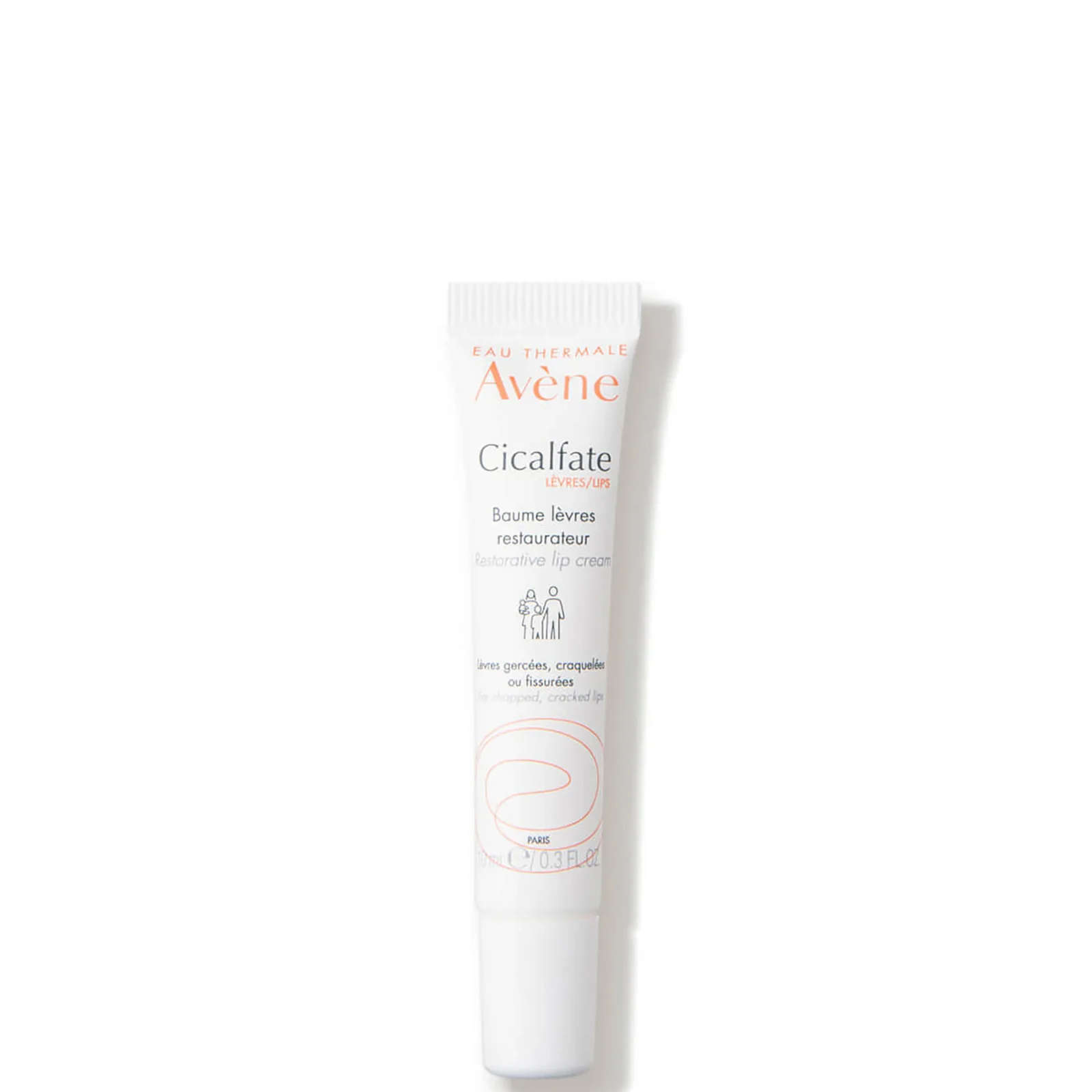
Our feed shows a strong discount on a classic recovery-style product: Avène Cicalfate+ Hydrating Skin Recovery Emulsion is £17.06 (down from £34.87, 51% off) at YesStyle. Cica-style formulas often suit women who react to overuse of actives or who get tightness in winter.
To keep barrier care from turning into clutter, set a simple decision rule:
- If your skin feels comfortable, stick to your normal moisturiser and SPF.
- If you get persistent tightness or flaky patches, swap in one recovery moisturiser for 2–3 weeks.
- Only add extra steps (like masks) if you can explain what they solve.
- Patch test when you change actives or introduce new fragrance.
For everyday hydration, we also like the “boring but reliable” end of the market because you finish it. In our low-price list, NO7 Good Intent Skin Sip Moisture Milk sits at £14.95 at no7 Beauty with a 5.0/5 rating, and NO7 Good Intent Dew Bank Water Cream also sits at £14.95 with a 5.0/5 rating. If you want to browse alternatives, start with Day Face Moisturisers and filter by skin concern.
We’d rather see one moisturiser emptied than three “sustainable” jars started.
SPF: the “sustainable” choice is the one you’ll wear daily
SPF creates a specific type of waste: you buy it with good intentions, dislike the finish, then underuse it. That’s wasted money and wasted packaging, and it shows up in repeat purchase behaviour across retailers.
So our rule stays firm: the best SPF is the one you can wear most days without thinking about it. If you want a value-led pick from this week’s data, NO7 Good Intent Glow Guard Spf30 sits at £7.95 at no7 Beauty with a 5.0/5 rating. For many women, an SPF 30 that layers well under makeup gets used more consistently than an SPF 50 that pills.
How to stop SPF waste in the real world:
- Use a dedicated step, not a “SPF moisturiser” you apply too thinly.
- Apply, then wait 2–3 minutes before makeup to reduce pilling.
- If you wear foundation, choose formulas that don’t fight your base (silicone-on-silicone often behaves best).
- Keep one SPF open at a time.
For browsing, start at SPF Protection Products and filter by finish (dewy vs matte) and sensitivity needs.
Makeup value: buy minis, buy tools, and stop chasing “viral”
BeautyTok-style hacks and “wildest tips” headlines keep driving novelty purchases. Some look fun. Many create waste because the result doesn’t suit real faces, real lighting, or real commutes.
Value-led makeup shopping looks different: pick a colour story you’ll actually wear, and invest in application so products perform better. This week, our feed shows Anastasia Beverly Hills Mini Modern Renaissance Eye Shadow Palette at £14.50 (down from £29.00, 50% off) at lookfantastic. Minis often deliver better value than full palettes because you finish shades instead of letting them expire.
We also like spending on tools when the price makes sense. VIEVE The Modern Makeup Sponge sits at £14.00 at Sephora with a 5.0/5 rating. A good sponge can reduce foundation waste because you use less product to get the same coverage. If you want to compare, browse Makeup Brushes & Applicators and prioritise washability.
If you want a small “try it without regret” lip buy, our restock list shows NYX Wedding Soft Matte Lip Cream back in stock at lookfantastic for £5.60. That’s a sensible price point for experimenting with a trend shade without building a drawer of barely-used lip products. You can browse similar finishes under Lipsticks or explore the wider NYX range.
Our sceptical take: if a technique requires kitchen tools, it probably won’t become a staple. Buy what you’ll repeat.
When luxury hits a 12-month low, decide with a checklist
Luxury beauty has started to lean hard on sustainability narratives: better sourcing, better packaging, fewer but finer purchases. That can be valid, but only if the price aligns with your actual usage.
Our tracker flags several 12-month lows this week, and they illustrate the point. 111SKIN Celestial Black Diamond Cream sits at £148.00 at lookfantastic (lowest in 12 months). Yves Saint Laurent Le Vestiaire Des Parfums - Caban sits at £180.00 at YSL Beauty (lowest in 12 months). Those prices still sit firmly in luxury territory, but a 12-month low changes the risk calculation if you already know you like that product category.
Use a luxury “sustainable value” checklist before you buy:
- Repurchase likelihood: would you buy it again, or does it just look good on a shelf?
- Cost per use: does it replace another product you’d otherwise buy?
- Packaging reality: will you reuse or recycle it properly, or will it become clutter?
- Ingredient fit: does it match your skin’s tolerance, especially in winter?
If you’re shopping luxury skincare, compare it against proven staples in Anti Ageing Face Creams and Anti Ageing Face Serums. If you’re shopping scent, start with Eau de Parfum Perfumes and filter by concentration and season.
Luxury can be “buy less” if you truly buy less. If it becomes “buy luxury as well”, it’s just extra consumption with nicer fonts.
What this means for your 2026 shopping list
The sustainable value era will reward women who shop like editors: fewer categories, clearer rules, and zero guilt about ignoring hype. Trends will keep coming, but your routine doesn’t need to chase them.
Our practical takeaways, based on this week’s pricing data:
- If you need to restock haircare, the Grow Gorgeous Intense Conditioner drop to £9.00 at lookfantastic is the sort of discount that justifies buying ahead.
- If you want a single active that earns its place, the L'Oréal Revitalift Clinical 12% Pure Vitamin C Serum at £15.99 offers strong value without niche-markup.
- If your skin barrier feels fragile, Avène Cicalfate+ Emulsion at £17.06 gives you a targeted “reset” option at half price.
- If you keep abandoning SPF, start with a wearable texture at a low risk price, like NO7 Good Intent Glow Guard Spf30 at £7.95.
- If you want to play with makeup trends, do it with minis and one good tool, not five “viral” products you won’t finish.
Most importantly: the most sustainable purchase often looks boring. It’s the one you finish.
Over to you
Which beauty category do you find hardest to buy “less but better” in—skincare actives, SPF, haircare, or makeup?
If you tell us what you’re trying to cut back on (and what always ends up half-used), we’ll pull the most sensible value picks from our tracker for that category.