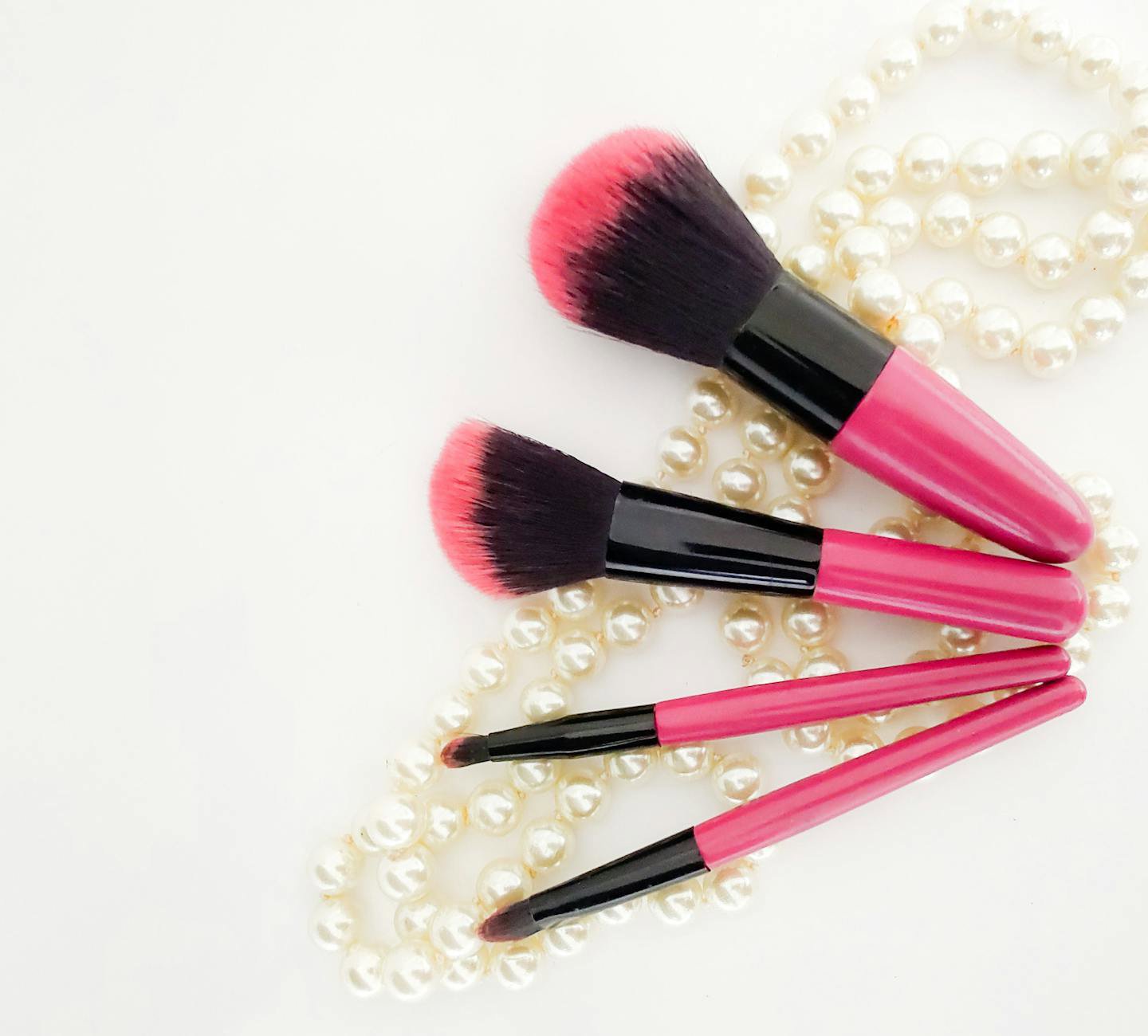
It was during a particularly stubborn breakout that I realised the true villain in my skincare saga might be my makeup brushes. There they were, innocuously sitting on my bathroom shelf, looking innocent as ever, much like my cat when she's just knocked over a plant. Yet, after some probing, I found my brushes were akin to tiny bacterial breeding grounds. For those of us with acne-prone skin, maintaining clean brushes isn't just a good practice — it's essential.
Why? Because every time you sweep that brush across your face, you're transferring oils, dirt, and bacteria back onto your skin, potentially causing or exacerbating breakouts. Here's how to properly clean your makeup brushes without triggering your skin.
Understanding the Basics of Brush Hygiene
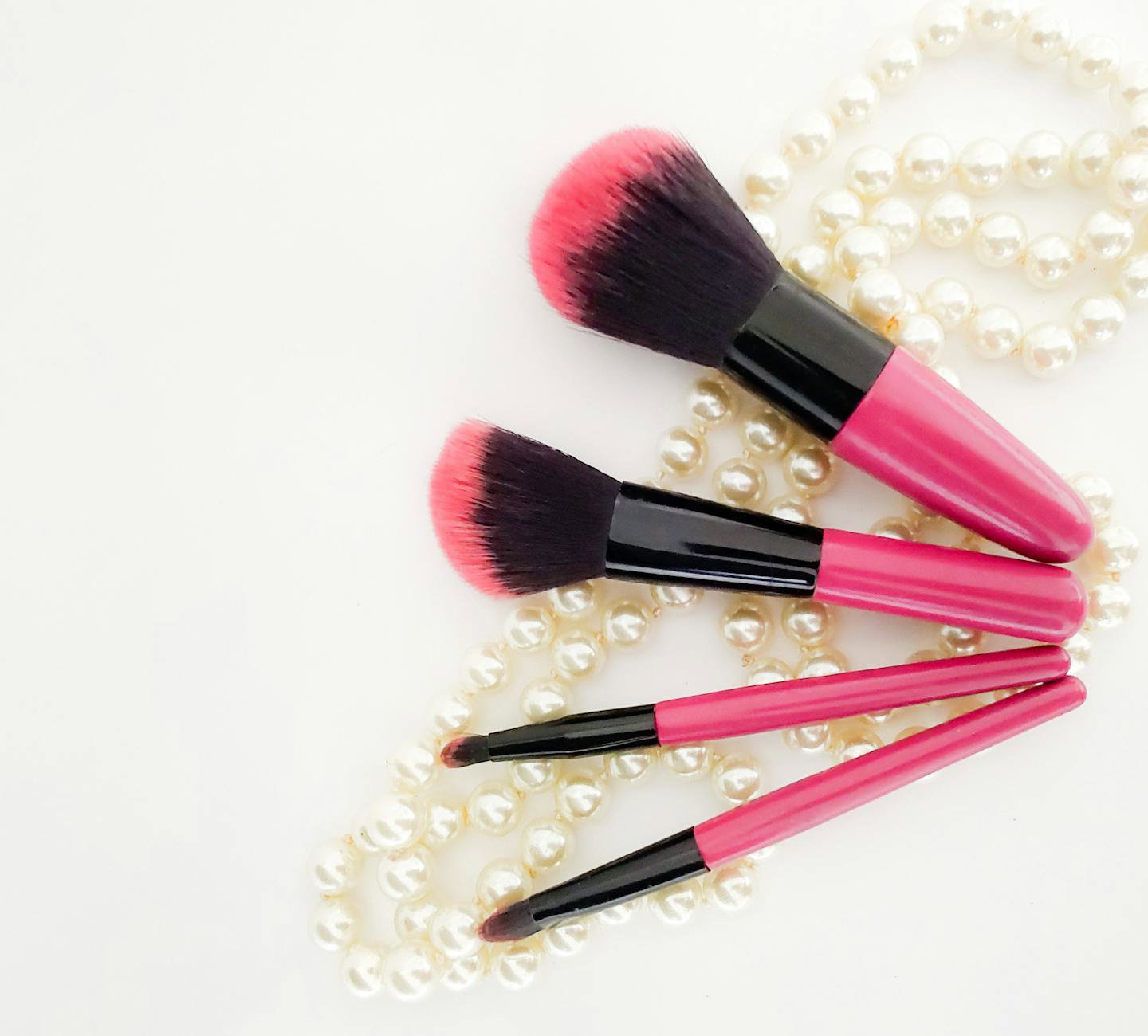
Makeup brushes are a staple in any beauty enthusiast's toolkit, yet they are often overlooked in terms of hygiene. A 2013 study published in the Journal of Cosmetic Science highlighted the significant bacterial build-up on frequently used makeup applicators. If you're prone to acne, this becomes even more crucial.
So, how often should you clean your brushes? Ideally, you should clean them weekly. For those used in heavier applications, like foundation or concealer, consider a twice-weekly cleanse. The MAC 170 Synthetic Rounded Slant Brush, priced around £16.80, is perfect for thick creams and liquids and needs regular cleaning to maintain its efficacy and hygiene.
Brush hygiene doesn't stop at frequency. You should also consider the environment you store them in. Keeping them in a damp bathroom can encourage bacterial growth, so try storing them in a cool, dry place.
Selecting the Right Cleaning Products
Given that we're dealing with acne-prone skin, choosing the appropriate cleaning products is pivotal. While there are specific brush cleaners in the market, a DIY approach can be just as effective if done right. Opt for gentle, fragrance-free cleansers that won't irritate your skin or damage the brush fibres.
For instance, using a gentle facial cleanser can be a great alternative. Avoid anything containing alcohol or harsh sulfates. Using a mild shampoo can also suffice, especially for brushes with natural bristles. Brushes like the Sigma E45 Small Tapered Blending Brush, which costs about £7.88, can benefit from such gentle cleansers to prevent bristle damage.
If you prefer a purpose-made solution, several brands offer brush cleansers designed to eliminate bacteria without harming your skin. These are particularly useful if you often use liquid foundations or cream products, as they tend to leave more residue on brushes.
Step-by-Step Guide to Cleaning Brushes
Let’s get hands-on. Cleaning your brushes thoroughly yet gently is key:
- Wet the bristles: Hold the brush under lukewarm running water, avoiding the wooden handle to prevent loosening of the glue.
- Apply cleaner: Dispense a small amount of the cleanser onto your palm or a brush cleaning mat. The Estée Lauder Double Wear Foundation Pump can help dispense just the right amount of liquid.
- Swirl gently: Swirl the brush in the cleanser, working up a lather. This helps break down oils and makeup residue embedded in the bristles.
- Rinse thoroughly: Rinse the bristles under water until it runs clear, ensuring all residues are washed away.
- Reshape and dry: Gently squeeze out excess water with a towel, reshape the bristles, and lay flat to dry over the edge of a table. This maintains the brush's shape and prevents mildew.
Repeat this process regularly, especially for brushes that have been in contact with liquid or cream products. The longevity and performance of your brushes will thank you.
Understanding Ingredients for Acne-Prone Skin
When selecting a cleaner for your brushes, being mindful of the ingredients can prevent potential skin irritation. Here are a few that those with acne-prone skin should be wary of:
- Alcohol: Common in many cleaning solutions, but it can be drying and irritating to sensitive skin.
- Fragrances: Often unnecessary and can cause allergic reactions or irritation.
- Sulfates: These can strip too much natural oil from the brush fibers, leading to brittle bristles.
Instead, look for ingredients like natural oils (e.g., coconut oil) or tea tree oil, which has antibacterial properties. These ingredients can help maintain the integrity of the brush and the health of your skin.
Extra Care: Sensitive Skin Considerations
When your skin is particularly sensitive, perhaps during a breakout, you may want to take additional precautions. Incorporating a cleansing tool like the Elemis Exfoliating Body Brush isn't directly relevant for face makeup, but it illustrates the importance of exfoliation in a gentle manner to reduce skin cell build-up that can clog pores.
Post-cleanse, ensure your brushes are entirely dry before use to avoid creating a damp environment where bacteria can thrive. It's these little attentions to detail that can make a significant difference in skin health.
When to Replace Your Brushes
While cleaning is crucial, sometimes brushes simply need replacing. Regular cleaning won't fix bristles that have become misshaped or shed excessively. Brushes such as the Sisley Paris Phyto-Sourcils Perfect Eyebrow Pencil need to be replaced when they no longer provide precise application.
How often should you replace them? As a rule of thumb, every three to six months for frequently used brushes. If you notice persistent skin issues even after diligent cleaning, it might be time to say farewell to your old tools.
Practical Maintenance Tips for Everyday Use
Aside from weekly washes, there are daily habits you can adopt to extend the life of your brushes and protect your skin:
- Quick clean: Use a brush cleanser spray for a quick clean after each use.
- Storage: Store brushes upright in a dry area to prevent water accumulation and bacteria growth.
- Avoid sharing: Keep your brushes personal to limit cross-contamination.
These habits can significantly reduce bacterial transfer and the resulting skin irritation.
Choosing Quality Brushes
Invest in quality brushes that are easier to clean and last longer. Brands like MAC and Lancôme offer brushes that maintain their shape and performance even after several washes.
One such investment is the Hourglass Ambient Lighting Edit Brush priced at approximately £39.00. This double-ended brush is versatile for powder, blush, bronzer, and highlighter, making it a valuable addition to any makeup kit.
Quality brushes tend to have better bristle retention and are less prone to shedding, which not only makes the application smoother but also helps in maintaining hygiene standards.
Final Thoughts
Cleaning your makeup brushes might seem like a mundane chore, but it's a simple step to safeguard your skin, especially if you're prone to breakouts. With products like the Doll Beauty Solid Start Foundation Brush, you'll find cleaning becomes second nature with the right routine.
What are your go-to methods or products for keeping your brushes pristine? Share your experiences, and let's help each other maintain clearer, healthier skin.