Retail promotions keep climbing on long-wear bases, yet search interest for “skin-like finish” holds steady. That tells a clear story. Women want a soft-focus blur that lasts through work, weather, and late trains. Not a mask.
Our price tracker shows frequent bundle deals on primers with foundations, especially around bank holidays. Brands push all-day claims and glowy finishes. Shoppers still reward formulas that blur texture and keep their place from 8am to 8pm. We see repeat clicks on satin bases and micro-milled powders across major retailers. That mix earns loyalty.
This guide sets out a 2026 blur routine that reads the room. It trims faff. It respects skin texture. It survives real life.
Context: why blur rules 2026
Complexion trends cycle, but texture always matters. Filters turned “soft focus” into a visual habit years ago. Base products followed. Brands now promise 12–16 hour wear with a lit-from-within finish. Some deliver. Plenty overpromise.
UK weather keeps skin guessing. Damp air and drizzle sit next to office heating from October to March. Summer throws the odd heatwave and packed trains. Your base needs flexibility more than drama. A blurring routine should flex with humidity, sweat, and time. Weighty, flat-matte bases crack under that pressure. Pure dew slides off. The middle path wins.
Across our merchant feed, satin and soft-matte foundations hold demand. Tints and skin-like concealers grow with them. Primers that smooth pores lead cart adds during retailer events. Loose blurring powders earn the most wishlist alerts next to cult setting sprays. We also track wider price swings on complexion staples than on lip or eye. Check our comparison before you click. We scan Boots, Superdrug, Space NK, John Lewis, Cult Beauty and Lookfantastic so you don’t need five tabs open.
The headline for 2026: focus on texture handling, not full opacity. You want diffusion, grip, and breathability. Think lens, not plaster.
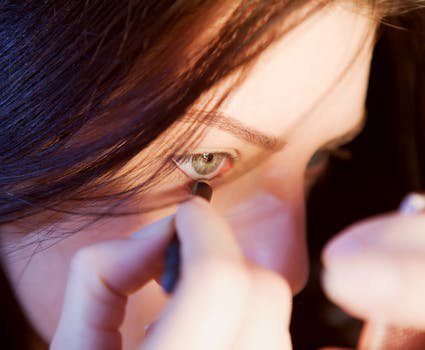
{{IMAGE:soft focus makeup woman natural light}}The blur brief: what a soft-focus base actually does
Blur doesn’t hide skin. It diffuses edges so pores look quieter, fine lines read softer, and redness loses its hard outline. You keep dimension. You avoid the grey, flat look that heavy mattes create. The effect sits between glow and matte: hazy, clean, and steady.
How do formulas achieve that? Three levers do the heavy lifting. First, micro-fine powders like silica or mica scatter light. They soften texture without chalk. Second, elastomer polymers stretch with movement. They reduce creasing and keep pigment even through expression. Third, film-formers add grip so base holds up under heat and humidity. Brands mix those in different ratios. You can choose the balance you want.
Technique amplifies or ruins the chemistry. Heavy layers kill blur because product gathers in texture and halos around pores. Thin, strategic layers keep edges soft. Tool choice matters as well. Brushes shear and diffuse. Damp sponges press and smooth. Fingers warm and meld. Use the right tool for the step, not one tool for all.
Shade choice supports the effect. A near-perfect undertone reduces the amount of product you need. Match tone to neck, not cheek flush. Slightly sheer textures forgive small errors. Thick, high-pigment creams do not. Keep your base thin and your corrections precise and you’ll get that clouded finish every time.
Prep that powers blur: skincare, SPF, and timing
Skincare sets the stage. You won’t get true blur over rough patches or a slick T‑zone. Build a prep routine that softens texture and balances oil without stripping.
Exfoliate with a gentle chemical option two or three evenings a week. That smooths texture so light scatters evenly. You can browse options under Face Exfoliants and build a rhythm that your skin tolerates. Avoid harsh scrubs right before makeup. They lift micro-flakes and cause pilling with primer.
Hydrate smartly. Use a light serum or gel moisturiser in the morning. Aim for humectants like glycerin or hyaluronic acid and a touch of niacinamide for oil balance. Gel-cream textures sit well under blurring primers. You can compare textures and reviews in Day Face Moisturisers. In colder months, layer a lotion-serum under a cream around cheeks. Keep T‑zones lighter. That mix respects UK indoor heating without flooding pores.
Never skip SPF. Choose a comfortable formula that won’t swamp your base. Gel or milk textures suit oily skin. Creamy SPF suits dry cheeks in winter. Let SPF set for 10–15 minutes before primer. That wait reduces pilling and patching. Our shoppers often shortlist light gels in SPF Protection Products for weekday wear. Add your SPF to a GlamGeek wishlist and we’ll ping you when a Space NK or Boots offer lands.
Blot shine before you prime if you run oily. Press a thin tissue over the T‑zone. Don’t rub. That quick step preserves hydration on the rest of the face while taking down slip in the centre. Your primer will grab better and your base will last longer.
Primers that actually blur (and how to pair them)
Primer sets the blur tone. Choose it based on your foundation chemistry and your needs. Get this pairing right and you cut the number of touch-ups you need later.
Silicone-rich blurring primers fill pores and soften fine lines. They shine on noses, between brows, and along smile lines. They suit soft-matte and satin foundations. Water-based gels boost hydration and add grip without a heavy feel. They suit tints, skin-like foundations, and women who dislike the classic silicone slip.
Patch test the combo on your jaw. If the base pills, switch lanes. Pair water-heavy with water-heavy. Pair silicone-heavy with silicone-heavy. Mixed stacks can clash. Spread primer thinly and give it a minute to settle before base. Spot-prime only where texture calls for it. Skip cheeks if skin reads smooth already. That restraint keeps dimension.
You’ll find a wide range in Face Primers. We rate silky blurring options for party seasons and cloudier gel-grip options for commutes. Across our merchant feed, these often drop into bundles with foundations at Boots and Lookfantastic. Our tracker flags those sets early, so add your top pick to your wishlist.
If you love glow but fight midday slip, layer a small amount of glow booster under a pore-blur primer. Keep the glow on high planes only. Brands like Charlotte Tilbury build a whole look around soft-focus radiance. Their glow layers flatter many complexions, but never skip the texture pass in the T‑zone. One pump too many and the blur fades by lunch.
Base that looks like skin: tint, foundation, and concealer strategy
Choose coverage with intent. If you want blur that holds up, you need grip and flexibility, not full paint. Satin and soft-matte formulas keep that balance. Dewy tints can blur too if you handle shine zones with primer and powder.
Sheer to medium bases flatter most textural concerns. You can build thin layers where you need more. Many women overcorrect with foundation and then fight cakiness all day. Switch the order. Lay a thin base, then correct only the stubborn spots with a precise concealer.
We see steady demand for long-wear satins from brands like Estée Lauder, and soft-focus offerings from Charlotte Tilbury. High-street lines from L’Oréal continue to anchor the budget end. You can compare textures and finish claims under Liquid Foundations. Check our price grid before you buy. Retailers set different RRPs and rotate promos on shade ranges at different times.
Application determines the finish. Buff a thin layer with a medium-density brush to spread product fast. Then press with a damp sponge to smooth over pores and laugh lines. That two-step routine creates the “filter” look without heavy layers. Build with a second whisper-light pass only where needed.
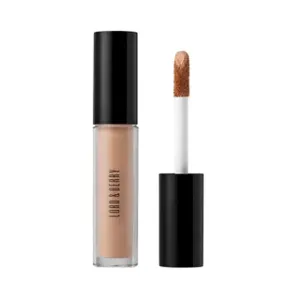
Reach for a concealer that matches your base tone for redness and blemishes. Pick a half-shade lighter for the inner corner and the darkest part of the under-eye. Place dots, let them set for 20–30 seconds, then tap to settle. That short set time thickens the texture slightly so it grips without extra powder. Browse options under Liquid & Cream Concealers and check shade availability across Boots and Cult Beauty on our product pages. Shade sellouts hit under-eye favourites first during spring events.
Adjust with the season. In damp winters, run a hair lighter on powder and heavier on primer grip. In summer heat, switch to a lighter base and increase powder discipline. UK weather doesn’t reward a single routine all year.
Powder for blur, not chalk: technique that keeps skin moving
Powder decides whether your blur reads like skin or plaster. You must set high-movement zones without killing life in the face. Choose texture before you chase trend words.
Micro‑milled loose powders usually blur best. They use smaller particles that scatter light and avoid clumping. Silica-based options control shine and feel weightless. Talc-heavy options can mute glow more strongly. Pressed powders suit bags and touch-ups but can stack too fast at home. You can love both. Use loose for the first set and pressed for day two top-ups.
Technique matters more than grams per jar. Load a small puff, fold it, and knead powder in so it disappears into the fabric. Press and roll on the sides of the nose, between brows, and on the chin. Use the leftover for under-eyes with a tiny tap. Skip heavy baking unless you shoot under hot lights. Baking locks an area but removes flexibility. Textured cheeks and smiles don’t forgive that grip.
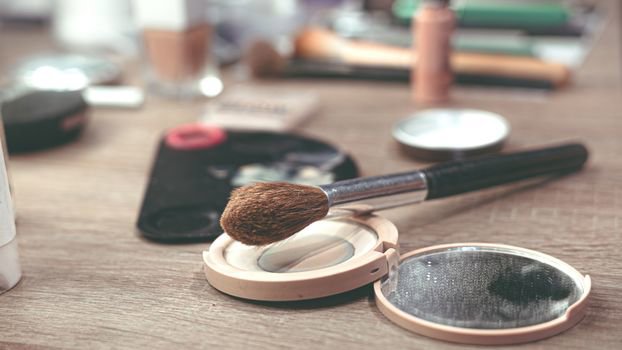
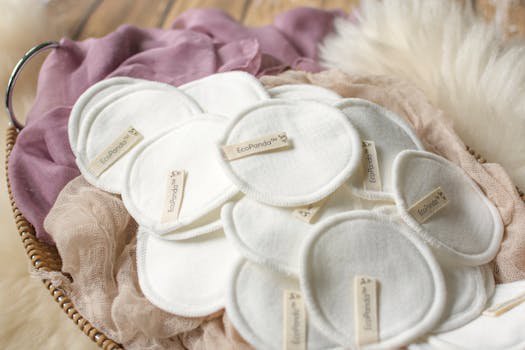
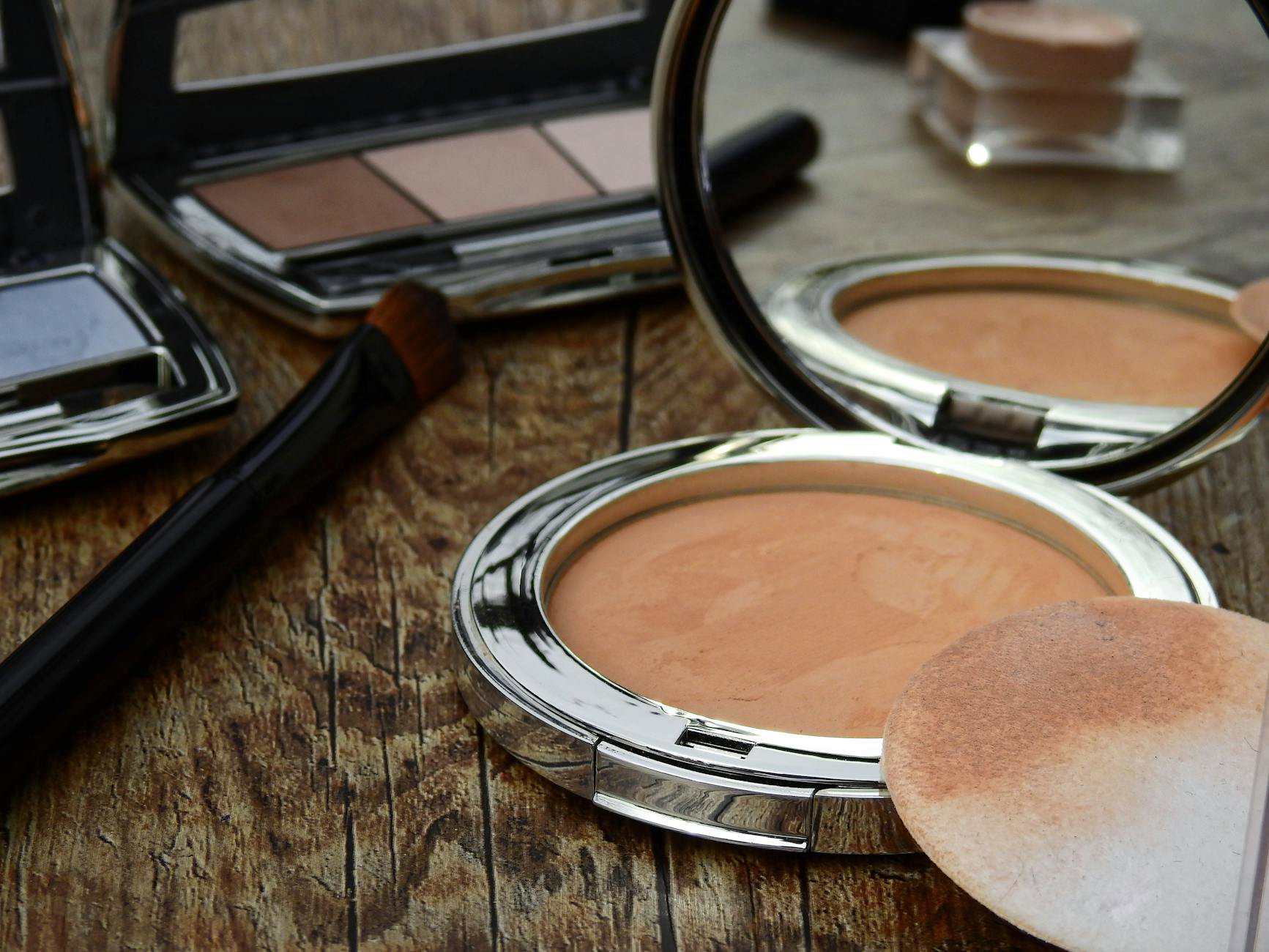
Want the luminous blur? Powder first, then mist lightly, then add a touch more powder on the nose only. That sandwich softens edges and keeps pores quiet all day. Keep powders off the highest point of cheekbones if you want glow there. A final whisper of a soft-focus powder over the centre forehead can tie the look together. Fans of classic pearl powders, like the famous bead compacts, still reach for them to brighten without a frost effect. They flatter mature skin when used sparingly.
{{IMAGE:woman applying powder soft focus}}Lock it and live in it: mists, tools, and on-the-go upkeep
Setting sprays finish the blur and add resilience. Pick the mist by your base. Hydrating sprays relax powder and add slip. Long-wear sprays add grip and resist sweat. You can layer both. Mist hydrating first to melt layers. Then mist a hold spray before you head out. Aim the nozzles up and let the mist fall so you avoid wet spots that can streak.
Carry a tiny kit for real life. Pack blot papers, a pressed blurring powder, and a small hydrating spray. Blot first, then tap a touch of powder only where shine returns, then mist. That order revives blur without a heavy stack. Skip reapplying foundation after lunch unless you need it for a meeting. Concealer touch-ups look cleaner and won’t disturb your base.
Tools decide the blend. A medium foundation brush builds a thin, even layer fast. A damp sponge finishes and pushes product into texture. A small fluffy brush fits around the nose and mouth for powder detail. You can compare sets and single tools in Makeup Brushes & Applicators. Look for soft, domed shapes for diffusing and dense, flat edges for pressing.
Edit shine where you want structure. Keep some glow on tops of cheeks and across the bridge of the nose if your skin tolerates it. Powder the inner cheeks, sides of the nose, and centre forehead to keep features defined. That placement preserves dimension. Your makeup reads like skin instead of a flat panel.
When rain hits, tilt your face up and let drops fall. Don’t wipe. Pat dry with a tissue when you reach shelter, then press a little powder on the T‑zone and mist once. That routine restores the soft haze without streaks. It works for gym exits too. Let sweat cool, blot, then reset.
What this means: a blur routine you can repeat and afford
Great blur follows a simple order. Smooth the canvas with consistent exfoliation and balanced hydration. Choose a primer that matches your base chemistry. Apply a thin, satin-leaning foundation and correct with concealer only where needed. Set the high-movement zones with micro‑milled powder and keep the glow where you want it. Lock with a smart mist combo and maintain with blot, powder, mist. That sequence holds up through commutes, meetings, and dinners.
You don’t need a luxury-only bag to nail this. Budget primers and powders often match premium blur, and our data shows they go on promotion more often at Boots and Superdrug. Premium bases often shade-match better and wear longer through long days. Use our comparison on each GlamGeek product page to check shade stock and current pricing across Superdrug, Boots, Space NK, John Lewis, Cult Beauty and Lookfantastic. Add the contenders to your wishlist. We’ll alert you when a retailer pushes a markdown or bundles a set.
If you want names to start with, explore satin long-wear from Estée Lauder, soft-focus glow layers from Charlotte Tilbury, and reliable high-street foundations within Liquid Foundations. Round that out with a versatile corrector from Liquid & Cream Concealers and a blurring primer from Face Primers. Keep SPF tight and comfortable from SPF Protection Products and pick a weekday moisturiser from Day Face Moisturisers. That basket covers the bases for 2026.
Sign-off
Which blur formulas truly hold up on your commute or school run? Tell us the primer-and-foundation pair that survives your day. Add your favourites to a GlamGeek wishlist and we’ll keep watch on prices across your go-to retailers. Ready to build a blur kit that works as hard as you do?