Our price tracker shows a new wave of launches hitting Irish retailers every week. Boots Ireland, Brown Thomas and Lookfantastic Ireland refresh their “new in” sections so often that a steady routine can feel out of reach. That constant churn drives clicks. It also drives clutter.
If your bathroom shelf feels louder than your results, you’re not alone. We see interest spike when newness floods the feed, then sag as products sit half-used. Beauty burnout isn’t drama. It’s data. Too many steps. Too many promises. Not enough consistency for real change.
This reset trims the noise and builds a routine built for Irish life in 2026: damp air, short winter days, central heating, and unpredictable sun. We focus on habits that stick, ingredients that earn their place, and smarter shopping that keeps costs in check.
Context: why Irish women feel beauty fatigue now
GlamGeek has tracked beauty pricing and promotions since 2010. Over that time, new product drops have sped up, and seasonal edits have bloomed into weekly pushes. A splashy launch today can feel old by next Friday. That pace stresses decision-making and thins commitment.
Lockdowns from 2020 led many women to expand skincare steps. By 2023, makeup bounced back for work and social life, while budgets met rising costs. Our platform saw wishlists grow longer, but repeat purchases narrowed. Fewer re-buys means fewer products earning trust over time.
Irish weather adds another twist. Humidity stays high, yet indoor heating dehydrates skin for months each year. UV may look low, but UVA still hits through clouds and windows. The result: redness, dehydration, and dullness for many complexions that juggle too many actives and not enough basics.
Here’s the shift we rate for 2026: fewer steps, tighter ingredient choices, and simple rules that save time and money. It doesn’t kill joy. It protects it.
{{IMAGE:Irish woman minimal skincare routine bathroom light}}The four-step weekday core that actually sticks
Complexity kills consistency. A steady four-step core handles most weekdays. You can add a targeted fifth when you need it, then return to baseline. Keep each bottle easy to reach. Keep backup stock minimal.
Morning:
- Cleanse (gentle): Choose a low-foam gel or milk. Look for glycerin or betaine. Skip stripping sulfates if your skin runs dry or tight. See our Foam & Wash Cleansers for options across budgets.
- Treat (single focus): Pick either vitamin C, niacinamide, or azelaic acid in the morning. One active wins over a cocktail you’ll abandon. You’ll find targeted picks under Anti Ageing Face Serums.
- Moisturise: Aim for a light gel-cream with humectants and ceramides. If your makeup pills, switch to a thinner texture. Our Day Face Moisturisers filters help sort textures.
- SPF: Broad-spectrum, fragrance-free if you’re sensitive. SPF still matters in Ireland. Check our SPF Protection Products to compare textures and filters.
Evening:
- Cleanse (again): Massage for 20–30 seconds. If you wear long-wear makeup, use a gentle oil, then a gel. No need for more.
- Treat (single focus): Rotate retinoid on two to four nights a week. Use azelaic acid or niacinamide on buffer nights. Keep exfoliating acids to one night a week at most if you run sensitive.
- Moisturise: Use a richer cream if radiators run hot. If you feel greasy, use a light layer and seal dry spots with a dab of balm.
That’s it. Four core steps most days. Your skin sees steady inputs. You save minutes and money. Results show when you stop changing lanes.
Ingredient shortlists that earn their place
Trends bounce. Solid actives stick. Focus on a shortlist that fits Irish skin’s usual mix of humidity, wind, and indoor heating.
Morning shortlist:
- Vitamin C (L-ascorbic acid or stable derivatives): Targets dullness and supports UV defence under SPF. Sensitive skin often tolerates derivatives better.
- Niacinamide (2–5%): Calms redness, supports barrier, and helps with oil control. It layers well under most formulas.
- Azelaic acid: Helps redness-prone and blemish-prone skin. Use in thin layers to avoid pilling under makeup.
Evening shortlist:
- Retinoids: Build slowly. Expect 6–12 weeks for texture results. Buffer with moisturiser on colder, drier nights.
- Ceramides, cholesterol, fatty acids: Refill a stressed barrier. Look for these in night creams during heating season.
- Mild polyhydroxy acids: Useful once a week if you want glow without sting. Don’t stack with retinoids on the same night.
Skip the chase for every acid, peptide, and booster. Your skin can’t use everything at once. If you want to try a new molecule, park another product first. One in, one out. Give it at least four weeks before you judge.
Brands across budgets offer these basics. You’ll find vitamin C and niacinamide within Clinique and L'Oréal. For barrier support, scan Clarins and pharmacy brands. We track prices across Boots, McCauley, Meaghers, and Lookfantastic, so check our comparison before you tap “buy”. Add your shortlist to a GlamGeek wishlist and we’ll ping you when the price moves.
Makeup that cooperates with a simpler routine
Makeup should work with your skincare, not against it. In our reviews, women report the same pain points: pilling over sunscreen, patchy wear on dehydrated cheeks, and mascara smudge in drizzle. Solve the base, then edit colour.
Base:
- Primer is optional. If you love one, pick silicone-light textures. See Face Primers and filter by finish.
- Choose a flexible base over full coverage for weekdays. Tinted moisturiser or sheer foundation moves better on weather-beaten skin. Browse Liquid Foundations and look for hydrating claims.
- Conceal where needed. Use liquid concealers thinly. Our Liquid & Cream Concealers page helps compare wands and pots.
Eyes and lips:
- Choose tubing or smudge-resistant formulas for damp days. Check our Mascaras to compare brushes and claims.
- Cream blush and contour sit well in cold air and heating. Powder can work if you set only the T-zone.
- Pick one statement: eye or lip. It cuts time and still looks polished. See Lipsticks for shades, or keep shine soft with Lip Glosses.
Look to brands that balance payoff with skin-friendlier formulas. MAC still sets the standard for wearable shades. Charlotte Tilbury nails quick “one-and-done” looks. If you want purse-friendly edits for experiments, browse Revolution. Add potential shades to your GlamGeek wishlist. You’ll catch a discount without refreshing five retailer tabs.
Where to save and where to spend in 2026
Our data across Irish retailers shows frequent promos on cleansers and mascaras. Price gaps shrink on hero serums and a few prestige icons. Spend where formulas change outcomes. Save where formulas change less.
Spend a bit more on:
- Retinoids that suit your skin. Texture and tolerance matter. Watch for brand-led events at Brown Thomas or Arnotts for the prestige end.
- Sunscreen you’ll use daily. Texture rules compliance. If you hate the feel, you won’t reapply. Filter options live under SPF Protection Products.
- Shade-critical items like foundation and concealer. A better match saves tweaks and time.
Save on:
- Gentle cleansers. Many affordable formulas perform well. Pharmacy shelves and brands like Garnier often compete hard on price.
- Basic moisturisers without heavy fragrance. Texture and ceramide content matter more than a luxury label for many skins.
- Mascara. Formulas turn over fast and promotions run often. Compare brushes and returns rather than hype.
Before checkout, run a quick GlamGeek price check. We pull pricing from Boots Ireland, Lookfantastic Ireland, McCauley, Meaghers and more. Sometimes a UK retailer shipping to Ireland comes in lower during a flash promo. Factor delivery thresholds and returns. Add the product to your wishlist and we’ll alert you when it drops again.
{{IMAGE:Irish woman checking beauty prices on phone at home}}Timing, habit loops, and the seven-minute test
Routines collapse when they sprawl. Cap your weekday routine at about seven minutes, end to end. That constraint forces better picks and kinder layers.
Build habit loops around fixed cues:
- Morning: Cleanse while the kettle boils. Treat while the tea steeps. Moisturise and SPF before you grab keys.
- Evening: Cleanse right after brushing teeth. Treat while your moisturiser sits out. Finish before you open streaming apps.
Batch tasks on Sundays:
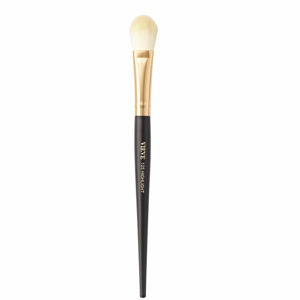
- Wash and dry makeup brushes. See our Makeup Brushes & Applicators to replace shedding tools.
- Refill travel bottles if you commute or gym.
- Check your wishlist and set one purchase goal if a price lands well.
Use a two-tray system:
- Tray A: Weekday core. It never changes.
- Tray B: Experimental slot. One product rotates in at a time. When Tray B holds something new, pause anything similar. That rule avoids clashes and keeps results clear.
If skin flares, strip back to Tray A for a week. Your barrier gets a breather. Your brain does too.
Seasonal switches for Irish weather
Ireland doesn’t bake, but skin still shifts through the year. Plan small seasonal edits instead of full overhauls.
Autumn–winter:
- Increase ceramides and squalane at night. Humidifiers help, but richer cream does the heavy lift.
- Keep retinoid nights steady. Layer moisturiser first if you feel tight.
- Choose cream blush and hydrating foundation. Powder sparingly. A satin finish reads fresher in grey light.
Spring–summer:
- Lighten moisturiser textures in the morning. Gel-creams reduce pilling under SPF.
- Consider a mineral-leaning SPF if you flush, or a lighter chemical blend if you need a thinner feel.
- Set the T-zone with a small amount of powder. Blot papers beat heavy baking in humid air.
Hair also needs micro-switches. Central heating stresses ends, while drizzle ruins volume. If you colour or heat-style, protect the mid-lengths:
- Use a moisturising shampoo and a light conditioner during the week. Shop Moisturising & Nourishing Shampoos and matching Moisturising & Nourishing Conditioners.
- Add a weekly mask during peak heating season. Our Hair Masks category spans budget to luxe, including options from Kérastase.
- Heat-protect every time you style. A basic spray often matches pricier picks on performance.
Sunscreen that you’ll actually wear in Ireland
Clouds don’t block UVA. Glass doesn’t either. You still need SPF most days. The right texture makes or breaks compliance, especially in a damp climate.
What to look for:
- Broad-spectrum with high UVA protection claims.
- Light, non-greasy finish that layers with primer or foundation.
- Fragrance-free if you struggle with redness or fragrance sensitivity.
Application tips for better wear:
- Apply after moisturiser, before makeup. Give it a minute to settle.
- Use enough to cover face and neck. Two finger-lengths of product often serves as a quick guide.
- Top up with a mist or a thin gel in summer days. Avoid heavy reapplication over cream blush to cut pilling.
Pharmacy brands like Garnier push competitive textures. Prestige counters at Brown Thomas and Arnotts stock premium filters from Shiseido. Our SPF Protection Products hub groups filters and finishes so you can compare before you commit. Save picks to your wishlist and catch price drops at Boots or Lookfantastic Ireland.
A smarter shopping plan for Irish retailers
Churn happens at checkout as much as on TikTok. A simple plan cuts cost and clutter.
Before you buy:
- Set a monthly cap. One product in, one out. Use our wishlist to track wants across retailers.
- Check GlamGeek’s comparison. We pull prices from Boots Ireland, Brown Thomas, Arnotts, McCauley, Meaghers and Lookfantastic Ireland. Promotions swing week to week.
- Consider UK retailers that ship to Ireland during heavy promos. Check VAT treatment, shipping minimums, and returns. A small saving can vanish with fees.
Where to buy what:
- Pharmacy: Cleansers, lotions, and SPF often sit at strong price points. Look for multipacks during seasonal events.
- Department stores: Best for matching foundation and exploring shade ranges from Lancôme, Estée Lauder, and Guerlain.
- Online specialists: Lookfantastic Ireland and others run codes. Compare final baskets with shipping included.
Use GlamGeek alerts for rebuys. When your staple drops, you’ll know. No doomscrolling required.
Red flags that warn of impending burnout
Burnout creeps in quietly. Watch for signs that your routine has outgrown your life.
- You buy a second serum and forget to finish the first.
- Your skin stings more often than it glows.
- You skip steps most nights, then binge-mask on Sunday.
- You can’t name the job of three products on your sink.
Fix it fast with a 30-day reset:
- Freeze new purchases for one month. Add wants to our wishlist instead.
- Run the four-step core only. One treat in the morning, one at night.
- Replace only what you finish. If you miss it, you’ll know it earned a place.
Keep makeup edits tight during the reset. A sheer base, cream blush, a steady mascara, and a lip that matches your mood. Add a neutral palette for evenings and stop there. You’ll save minutes and headspace.
Putting it together: a week that looks realistic
Here’s a sample rhythm that fits office days, gym nights, and weather swings. Adjust to your skin type and diary.
Monday–Friday mornings:
- Cleanser, vitamin C or niacinamide, moisturiser, SPF.
- Makeup edit: flexible base from Liquid Foundations, cream blush, mascara, and a neutral lip.
Monday, Wednesday, Friday evenings:
- Cleanser, retinoid, moisturiser. If tight, moisturiser before and after the retinoid.
Tuesday, Thursday evenings:
- Cleanser, azelaic acid or niacinamide, richer night cream. No extra acid on these nights.
Weekend:
- One gentle exfoliation session on Saturday or Sunday if you need it.
- Wash brushes. Restock cotton pads or refill pump bottles.
- Check GlamGeek price alerts and plan the next refill, not another experiment.
Hair add-on:
- Midweek: moisturising shampoo and conditioner. End the shower with cool water for shine.
- Weekend: a mask from our Hair Masks category if ends feel dry. Brands like Kérastase sit at the luxe end; pharmacy options also perform well.
What this means: results without the faff
This approach trades novelty for predictability. Skin responds to steady inputs. You save time and money and still enjoy the fun bits. Irish weather asks for balance, not bravado. Hydrate, protect, and pace your actives. Makeup follows more easily when the base behaves.
The market won’t slow. Newness will keep rolling through Boots Ireland, Brown Thomas, Arnotts, McCauley and Lookfantastic Ireland each week. You don’t need to. Anchor your routine to four steps most days. Pick one “play” slot. Use GlamGeek to price-check and set alerts. Your bathroom stays calmer. Your skin does too.
Tell us where you’re simplifying
What step will you cut first, and what will you keep for the long haul? Share your keeper products on GlamGeek, add new wants to your wishlist, and compare prices before you buy. We’ll keep tracking the numbers so your routine can stay simple.