Our price tracker lights up when TikTok crowns a new must-have. Cushion compacts sell out in days. Lip oils yo-yo between full RRP and flash promo within a week. LED masks move from niche to “out of stock” at three major Irish retailers at once. Hype moves fast. Prices follow.
Some TikTok trends hold up under real-world use. Others drain your budget and clog your top shelf. Ireland adds its own twist: damp air, frequent drizzle, and small sunlight windows. Skin behaves differently here, and makeup does too. The question we hear most is simple. Which 2026 TikTok trends actually earn a place in an Irish routine?
We took the pulse of what’s trending on Irish For You pages and matched it with what we see across Boots Ireland, Brown Thomas, Arnotts, McCauley, Meaghers and Lookfantastic Ireland. Here’s what deserves your money, and what to skip until the next scroll.
Context: TikTok trends meet Irish shelves
GlamGeek has tracked beauty prices since 2010. TikTok shifted timelines. In 2024 and 2025 we saw viral items jump from soft launch to citywide sell-out over a single weekend. The stock returns, then the promos roll in, then a new video spikes interest again. That loop now defines how Irish shoppers meet new beauty.
We see three patterns. First, short, sharp stockouts on new formats, like cushion foundations and lip oils. Second, wider price swings on devices and premium skincare during retail events. Third, shade gaps on new makeup when launches arrive in Ireland a beat after the UK or US. That lag affects your options more than the hype lets on. If a colour looks perfect on a viral video, you may still hit a “not available” filter in-store in Dublin or Cork.
Climate matters too. Ireland’s air stays moist for most of the year, and SPF still matters every morning. Dewy trends look glossy here without much effort. Matte claims work harder, especially on commutes with drizzle and scarves. When we weigh TikTok advice, we check how it plays with humidity, patchy sunlight and office heating. Some trends shine under those conditions. Others melt by lunchtime.
We also look at the buy button. Our data shows frequent discount windows across big names, but never at the same time. A cushion compact can sit full price at one retailer while another runs a category promo. LED masks drop during bank holiday sales and go right back up on Tuesday. If you add products to your GlamGeek wishlist, we’ll ping you when the price moves so you don’t chase a trend at peak cost.
{{IMAGE:Irish woman applying cushion foundation in natural light}}Cushion foundations and micro-bases: the Irish-friendly glow
Cushion compacts cycle back every few years. In 2026 they hit TikTok hard. The appeal makes sense in Ireland. Cushions give thin, flexible coverage with a dewy finish that doesn’t fight humid air. You tap on a veil, then build where you want more. That suits office days, quick commutes and nights out when you want skin to look like skin.
Look for claims like “hydrating,” “transfer-resistant,” and “SPF”. SPF inside makeup never replaces a dedicated sunscreen, but it helps. A hydrating cushion on top of a separate SPF keeps glow without slide. Pair with a gripping primer just on the T-zone if you get shine. You can browse Face Primers and compare textures. We see frequent promos on primers at Lookfantastic Ireland versus in-store offers at Boots.
Shade range remains the catch. Local counters don’t always stock the full global palette. If your undertone runs olive or very deep, check brand shade maps before you chase a viral cushion. Brands like Shiseido and Charlotte Tilbury often ship broader shade spans online than you’ll find on a small stand. Use our product pages under Liquid Foundations to see retailer availability in one place. Add your shade to a wishlist to catch restocks without refreshing tabs.
Technique matters more than filters. Start with hydrated skin, tap the cushion puff from centre out, and leave the jawline light. Build under the eyes with a creamier concealer if you need it. TikTok loves a full-coverage reveal. Real life in Irish daylight rewards sheerness with strategic spot-conceal. You’ll use less product and dodge clumping when scarves and collars brush your cheeks.
LED masks: when red light is worth the spend
As LED masks fill For You pages, the claims stretch. Here’s where we land. Red and near-infrared LEDs have the most evidence for tone, texture and firmness over steady use. Blue LEDs help with surface blemishes. TikTok’s seven-colour strobe shows well on camera, but you don’t need a rainbow to see skin benefits.
For Irish buyers, check four boxes. First, eye safety. Choose a mask that shields eyes or supply goggles. Second, wavelength and power consistency. Brands should state nm ranges for red and blue. Third, certification and a clear returns policy from an Irish or EU retailer. Fourth, build and comfort. If you won’t wear it for 10 minutes, you won’t use it.
We track wide price gaps on devices across Brown Thomas, Arnotts, Boots and Lookfantastic. Discounts land around bank holidays and seasonal events, then vanish. If an LED mask lives on your wishlist, let GlamGeek watch prices so you can buy during a genuine dip, not a false “was/now” moment. Pair LED evenings with a simple serum and moisturiser. Skip harsh acids on light days. Hydrating options in Day Face Serums and Day Face Moisturisers support barrier repair while you test the routine.
Set realistic timelines. You’ll need weeks, not days, for visible changes. Keep sessions short and regular. Stop if your skin stings or feels tight after use. More light time does not mean better results. TikTok clips compress months into seconds. Your skin still works at human speed.
Skin flooding, slugging 2.0 and damp-skin layering
Hydration layering thrives in Ireland. Air moisture helps humectants hold water. Skin flooding—layering thin hydrating steps on damp skin—can boost bounce without greasiness. The trick lies in product order and restraint. You need humectants first, then a light occlusive to lock them in. Skip heavy slugging during the day unless your skin runs very dry. Leave thicker balms for night, or you’ll risk midday slide under makeup.
Layer like this. Cleanse. Pat on a watery serum with glycerin or hyaluronic acid. Add a mist if you love that step. Seal with a mid-weight moisturiser that lists squalane or ceramides. Top with sunscreen. You’ll find a range of hydrating picks under Day Face Serums and Day Face Moisturisers. Brands like Clinique and Garnier run frequent category deals. Our tracker often catches a serum promo at one retailer while another only discounts moisturisers. It pays to compare before checkout.
Patch-test any strong actives you add on top. If you use retinoids or acids, alternate nights instead of stacking. The damp-skin method boosts penetration, which can tip skin into irritation when heat or wind hit your face. Ireland’s weather changes by the hour. Keep your barrier happy and your makeup sits better, cushions included.
Don’t skip SPF. Short sun windows still add up. A lightweight gel-cream SPF fits over hydrating layers without pilling. Browse SPF Protection Products and set a wishlist alert. We see fast sell-through on trending filters after one viral clip, then a quiet restock with no fanfare. Alerts catch that bounce.
Lip oils, jelly balms and the return of soft colour
Lip oils refuse to fade. In 2026 the textures get smarter—grippy, non-sticky, and stain-adjacent. TikTok loves the quick swipe and plush shine. Irish air keeps lips happier with cushier films, especially on windy days. Oils and jelly balms seal moisture against cold and central heating without the heavy feel of gloss from a decade ago.
Look for esters and plant oils atop the INCI rather than only silicone. A tint that leaves behind a soft stain earns its keep on commutes and coffees. Layer a balm under oil if your lips chap easily. For options, check Lip Glosses and Lip Balms & Creams. We often spot a broader shade range online than in local stands. Brands like L'Oréal and Clarins rotate shades between retailers, so the exact tint that trended may pop up cheaper at one store this week and another next week.
Want a polished lip without faff? Use a neutral lip liner to sketch the Cupid’s bow, blend with a finger, then press on a jelly balm. Keep a creamy lipstick for days you need staying power. You can cross-check colours under Lipsticks and watch for bundle offers. Our data shows bundles surfacing after viral spikes as retailers catch up with demand. Add shades to your wishlist and we’ll flag multipack or set pricing that beats singles.
Skip any viral at-home “lip plump” hack that suggests irritant oils on bare skin. They can sting and dry lips out within hours. A glide of oil over balm gives cushion without the itch.
{{IMAGE:Irish woman using LED face mask at home}}Tubing mascaras and micro-brushes: smudge-proof wins
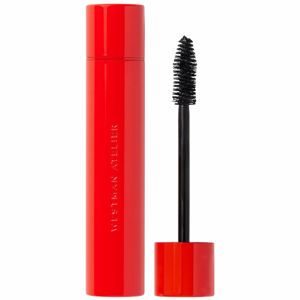
Ireland tests mascara claims. Wind, drizzle and scarves nudge pigment onto lids and lower lash lines. Tubing formulas fix that for many users. They form little sleeves around each lash that slide off with warm water. TikTok calls them travel-safe, gym-safe, and brunch-safe for a reason. We rate them for commutes and long days.
Watch the brush. Micro-brushes catch short lashes and inner corners. Comb through, then wiggle at the base to lift. If you want more volume, layer a standard fibre formula on just the outer third. Keep a clean spoolie to de-clump. Browse options under Mascaras. Brands like MAC and Lancôme often stagger promos across retailers. One will run a category event while another offers a free mini. Our tracker captures these small perks. They matter when the RRP sits firm.
Skip waterproof for daily wear if tubing satisfies you. True waterproof formulas need more work to remove and can stress lashes in winter. Save them for weddings or sea swims. For everyday Irish weather, tubing strikes the sweet spot between hold and gentle removal.
Softer brows: lamination look without the salon
The laminated brow trend softens in 2026. TikTok still loves lift, but the finish looks more real—fluffy, not crispy. Clear gels and wax-pomades get you there at home. Use a spoolie to brush hairs up and out. Press the tail flat with your fingertip for staying power. Then fill gaps with a micro-pencil or a fine-tipped pen. Short strokes beat sharp lines.
Match tone to your hair’s root, not the lightest highlight. Warm tones can turn orange under office lights. Cool down with ashy taupe if in doubt. To clean the edge, tap a touch of concealer under the arch and blend. That trick lifts the eye on camera and in person. You can pick up tools under Makeup Brushes & Applicators and tidy edges with products in Liquid & Cream Concealers. Budget brands like Revolution offer strong gels and pens when you want to test the look before investing.
Salon lamination lasts, but strong solutions can make brows brittle. If your feed pushes DIY perm kits, scroll past. Stick to styling products. In Ireland’s damp air, a clear gel holds better than soap brows for many women. Soap foams when rain hits. Gels dry clear and flex as you move.
Pimple patches, microneedles and acne “hacks”
Hydrocolloid pimple patches work. They keep fingers off spots and help flatten whiteheads. TikTok tricks them up with hearts and stars, but the function stays the same. If you get occasional breakouts, keep a pack in your stash. Look for a snug edge so water can’t sneak under during showers. Save them for night if you wear makeup by day.
Microneedle patches add a twist. Tiny cones deliver actives like salicylic acid or retinoids deeper into a spot. They can speed up a deep, stubborn blemish, but you must respect actives. Don’t stack a microneedle patch with strong exfoliants or a retinoid serum the same night. If you try them, buffer with a bland moisturiser and skip acids for 48 hours.
Stick with reputable Irish or EU retailers and check ingredient lists. If you want to support patches with a routine, pair them with a mild cleanser and a once-or-twice weekly exfoliant. Explore options under Face Exfoliants and Foam & Wash Cleansers. Add your favourites to your GlamGeek wishlist and we’ll alert you when a sale hits one step of your routine. We often see treatment categories go on promo while moisturisers stay full price, or the reverse.
Skip viral toothpaste or clove oil spot hacks. They can irritate and then linger under makeup. A clear hydrocolloid dot beats a stingy quick fix every time.
Heatless curls, bond repair and frizz-taming for damp days
Heatless curl ribbons and belts filled Irish feeds through 2025, and they still pop in 2026. They suit our climate when you plan ahead. Wrap damp, not wet, hair at night and let the ribbon do the work. In the morning, smooth with a light serum. No steam, no extra swell. That keeps curls springy when you step into drizzle.
Bond repair remains the other big hair story. It sits between trend and staple now. If you colour or heat-style, bond-targeting masks help keep ends intact. Use them weekly, then rotate a standard moisturising mask as needed. You’ll find options under Hair Masks, plus everyday washes in Moisturising & Nourishing Shampoos and Moisturising & Nourishing Conditioners. We often see salon brands like Kérastase discounted online while high street stays steady. Check the price comparison before you stock up.
Frizz tips TikTok doesn’t always mention: blot with a cotton T-shirt, not a towel, and apply leave-in on sopping hair to trap water. For bus commutes and misty walks, tuck a silk scrunchie in your bag. If rain ramps up, twist hair into a low bun. Release indoors for controlled waves. Not glamorous on video, very effective in life.
Perfume layering clips: lovely content, mixed results
Perfume layering videos look romantic. “Vanilla plus citrus equals date-night magic.” Sometimes they hit. Sometimes they clash. Ireland’s damp, mild air can swell sweet notes and mute clean musks. What smells airy in a dry studio can turn dense on a Liffey-side stroll.
Try this instead of random stacks. Pick a base you love in Eau de Parfum Perfumes. Add a lighter spritz in Eau de Toilette Perfumes to brighten the top without clogging the base. Keep to the same family—citrus on citrus, woods on woods—before you mix gourmand twists. Houses like Guerlain, Estée Lauder and Lancôme often build lines that layer well within the brand.
Use pulse points sparingly and test in real air. Walk outside. See how it blooms on a rainy afternoon. Retailers sometimes limit returns on fragrance, so add your shortlist to a wishlist and track mini sizes or gift sets under Skin Care Sets and Makeup Sets. Sets help you try combinations without paying for two full bottles.
What this means: shop smarter than the scroll
TikTok serves energy and speed. Your skin, hair and budget need a cooler head. Build a shortlist before you buy. Compare shades and formats across Irish retailers on GlamGeek. Check the price graph on our product pages. If a device or prestige serum spiked last week, odds favour a promo window soon. Add it to your wishlist and let the alert do the waiting.
Keep climate in mind. Dewy cushions, lip oils and tubing mascaras align with Irish air. Heavy slugging by day or thick matte bases need extra care to survive drizzle and scarves. If a hack asks you to mix kitchen oils or apply harsh DIY treatments, skip it. Your barrier pays for those clicks.
Choose trends that fit your routine, not the other way around. One LED session or a new tint won’t change everything. A simple stack—hydrating serum, moisturiser, SPF, soft base, smudge-proof lashes, conditioning hair care—delivers daily wins. That foundation lets you try trends on your terms. Use our comparison across Boots Ireland, Brown Thomas, Arnotts, Meaghers, McCauley and Lookfantastic Ireland. We track the swings so you don’t have to watch every sale.
Over to you
Which 2026 TikTok trend actually earned a place on your face or in your hair? Tell us what you want us to track next—cushion concealers, new lip oils, bond creams, or the latest at-home LED. Add your picks to a GlamGeek wishlist and we’ll ping you when the price drops or a shade restocks.