Our price tracker has watched a curious shift across Irish beauty shelves: the weirder the skincare trend sounds, the faster it lands online. Salmon DNA serums. Bird-poo facials. Cryo tools that claim to reset your pores before your coffee cools. Even the gadgets look space-age. Some of it delivers. A lot wastes money. And a few fads risk a sensitised, sulky skin barrier in Ireland’s damp, changeable climate.
We cut through the noise with evidence, not hype. We weigh each trend against Irish conditions, common skin concerns, and what retailers here actually stock. Then we offer a smart swap when the trend doesn’t stack up. If you love a side of science with your skincare, this is for you.
What’s driving the weirdness?
Since 2010, we’ve tracked prices and availability across six major Irish retailers: Boots Ireland, Brown Thomas, Arnotts, McCauley Pharmacy, Meaghers Pharmacy, and Lookfantastic Ireland. In the past few years, our feed shows a steady rise in devices, cosmeceutical claims, and imported niche ingredients. Some launches hit Ireland late compared to the UK or US. Others skip us entirely, which makes price-comparison and timing matter even more.
Social buzz fuels plenty of this. One viral video can send a product soaring, especially when it looks novel or even a bit outrageous. Retailers respond by expanding assortments of LED masks, microcurrent tools, at-home microneedling lookalikes, and fermented actives. Meanwhile EU rules keep some claims on a tight leash, so labels here often talk around the trend with words like “inspired by” or “complex”.
Irish skin lives with a damp, mild climate and low UVB most of the year. You still get UVA all year, which drives pigmentation and fine lines. You also get wind, rain, central heating, and plenty of dehydration. Redness and sensitivity crop up often. Any trend that chips away at the barrier hits harder here. Any trend that supports it earns a second look.
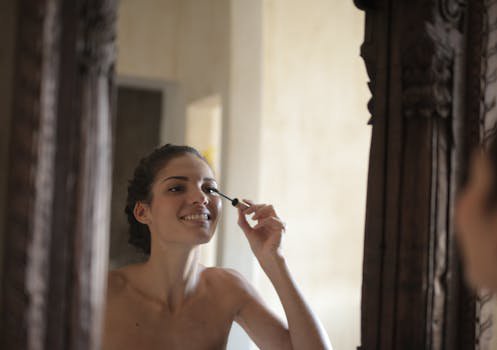
{{IMAGE:Irish woman testing skincare at bathroom mirror}}Salmon DNA, placentas and exosomes: science or soft science?
Let’s start with the buzziest bio words. Salmon DNA (often marketed as PDRN), placental extracts, and exosomes pop up in headlines and clinic menus. In clinics, injectables with polynucleotides have some evidence for texture and healing. That sits squarely in medical territory. Over-the-counter creams and serums can’t mimic injection results. Some brands hint at similar effects with “DNA fragments” or “exosome-inspired vesicles”, but the claims get fuzzy in the EU. Many brands avoid the exosome term here altogether.
Topically, you want a path to collagen support and a calmer barrier without legal grey zones. Peptides, retinoids, niacinamide, and sunscreen still deliver that path. They aren’t as headline-worthy as salmon or stem-cell talk, but the data and long-term outcomes look stronger.
Try this instead: a peptide or retinoid serum at night and a broad-spectrum SPF in the morning. Browse proven options in Anti Ageing Face Serums and Day Face Serums. For sun protection in a cloudy country, see our picks in SPF Protection Products. Brands like Estée Lauder, Clinique, and Shiseido anchor their claims to well-studied actives and often list their filters clearly for Irish buyers.
Verdict: skip the splashy bio buzzwords on cosmetic labels and buy the proven building blocks. Clinics are another story; discuss injectables with a qualified practitioner, not Instagram.
Bird-poo facials and snail mucin: ferments that divide opinion
Uguisu no fun—often called a bird-poo facial—leans on historical practice and shock value. It uses powdered, sanitised droppings for “brightening”. Modern brightening pathways don’t require that. You can get exfoliation and glow from polyhydroxy acids, mild lactic acid, or azelaic acid without the ick factor and with better quality control.
Snail mucin sits in a different bucket. Dermatology literature lists mucopolysaccharides like hyaluronic acid and glycoproteins as helpful for wound healing and hydration. Many women find snail formulas cushiony and well-tolerated. In Ireland’s damp air, humectants work nicely, but pair them with ceramides or squalane or they pull water from your skin on dry indoor days.
Try this instead: use PHA toners a few nights a week for smoothness and pair with a humectant-rich moisturiser. Explore Face Exfoliants and then seal with something from Day Face Moisturisers or Night Face Moisturisers. We rate simple, budget-friendly hydrators from Garnier and L'Oréal when you want to test texture without overspending. Add favourites to your GlamGeek wishlist and we’ll ping you if prices drop across Boots, Meaghers or Lookfantastic Ireland.
Verdict: skip bird-poo gimmicks. Consider snail mucin if you enjoy cushy hydration, but you can get similar results from hyaluronic acid plus ceramides and PHAs.
At-home microneedling vs microneedle patches: a cleaner compromise
Dermarollers promise glow and collagen from your sofa. They also risk contamination and micro-tears if you can’t sterilise like a clinic. Many women with redness or barrier issues in Ireland find that home-rolling throws skin off for weeks. The tool also complicates actives; you can’t pair it safely with high-strength acids or retinoids without guidance.
Microneedle patches offer a tidier middle ground. Their tiny, dissolving cones (often hyaluronic acid or vitamin C) create a microchannel and then melt. You get targeted delivery for fine lines or the odd breakout without dragging needles across your whole face. The effects look modest but visible for a night-out fix, especially under the eyes or over a single deep spot.
Try this instead: leave true needling to a professional. Use microcone patches for occasional targets, and build routine collagen support with a retinoid or a peptide serum. Shop Anti Ageing Face Serums for the daily workhorses, then save patches for last-minute smoothness. If a UK device brand hasn’t launched in Ireland yet, set a GlamGeek alert on the brand page so we can flag local stock when it lands.
Verdict: skip at-home dermarolling unless you love risk. Say yes to single-use microcone patches for quick wins.
LED masks, microcurrent and EMS: gadgets that can justify the plug
Red and near-infrared LED have solid studies for mild collagen support and reduced redness when you hit consistent doses. Blue LED helps with acne bacteria. The key: correct wavelength, adequate irradiance, and regular sessions. Many masks on Irish shelves hit those specs and publish them. The session feels like a nap for your face and suits our long winter evenings.
Microcurrent and EMS deliver a fleeting lifted look by stimulating facial muscles. Results fade when you stop, but for events or regular upkeep, they can help. They pair well with hydrating serums and a lot of patience. No device replaces sunscreen or retinoids, but a good one adds a gentle edge without barrier drama.
Buying tip: check for published wavelengths and safety certifications. Compare retailer bundles; Boots Ireland, Brown Thomas and Lookfantastic Ireland rotate sets with gels or travel cases. Add the device to your GlamGeek wishlist to catch a price dip. It happens.
Verdict: try LED if you want calm and bounce over time. Use microcurrent for short-term lift. Skip anything that hides specs or looks like a toy.
{{IMAGE:woman using LED mask at home}}Slugging, skin flooding and the damp-climate reality
Slugging (occluding skin with a heavy balm) took off for a reason. It traps water and lets the barrier repair. In Ireland, full-face slugging can feel sweaty. Central heating and wind still strip moisture, but the air often holds plenty already. Many women get the benefits by “micro-slugging” only on cheeks, around the mouth, or over retinoid hotspots.
Skin flooding—layering watery hydrators—works best when you then seal them. Without a final cream, those layers can wick moisture out once you step into cold air. A mid-weight ceramide cream at night often beats four watery layers. Keep acids to a few nights per week and pick PHAs over harsh peels if you flush easily.
Try this instead: lock hydrating serums under a ceramide cream on damp skin. Browse barrier-friendly picks in Night Face Moisturisers and daytime options in Day Face Moisturisers. If you wear makeup, add a smoothing, non-drying base; our Face Primers category has hydrating formulas that don’t pill under Liquid Foundations. For a luxe-feel moisturiser, check brand hubs like Charlotte Tilbury or Clarins; watch for gift-with-purchase cycles at Brown Thomas and Arnotts.
Verdict: try micro-slugging and smart sealing. Skip full-face petrolatum every night unless your barrier screams for it.
Face taping and instant-contour hoaxes
Face taping claims to smooth wrinkles by holding skin in place. The effect vanishes when you remove the tape, and adhesives can trigger dermatitis or broken capillaries. Contour stickers and secret-lift tapes create angles for a selfie, not for real life. Irish wind and rain expose that trick fast.
Silicone patches get lumped in with tape, but they differ. They occlude the skin and reduce transepidermal water loss overnight, which can soften a crease temporarily. That’s not collagen synthesis. It’s plumping. If you enjoy the ritual, fine, but don’t expect long-term change.
Try this instead: bank steady gains with peptides, retinoids and sunscreen. Target texture with PHAs and keep the barrier calm. Find essentials in Anti Ageing Face Creams and your daily shield in SPF Protection Products. If you want the lift look for a night out, microcurrent wins over tape every time.
Verdict: skip tape and Insta illusions. Choose actives and devices with honest, repeatable effects.
Icing, cryo sticks and cold plunges for puffy mornings
Cold reduces swelling by constricting blood vessels, so ice rollers and cryo sticks earn their place for short-term depuffing. Under-eye bags look better after a chilled massage. The catch: cold can aggravate rosacea and trigger redness rebound. Irish mornings can already feel bracing; hyper-cold treatments stack that stress.
Try this instead: keep tools cool, not freezing. Massage for a minute with a hydrating serum and stop if you flush. Caffeine serums and light gel masks support the effect without shock. See options in Day Face Serums and stash a soothing pick from Face Masks for tired days. If redness dogs you, prioritise niacinamide and sun protection; Clinique and Shiseido both offer gentle, fragrance-aware options.
Verdict: try cool tools for puffiness. Skip extreme icing if you blush or sting easily.
Oxygen facials, CO2 masks and the vampire vibe
Oxygen facials sound high-tech, but many treatments just push air and serum across the skin. Skin doesn’t hold extra oxygen like a sponge. You still get glow from hydration and massage rather than the oxygen itself. CO2 carboxy masks increase local circulation and can brighten briefly, but they don’t replace consistent exfoliation or retinoids.
PRP—the vampire facial—belongs in regulated clinics, not bathrooms. It uses your own plasma to promote healing. It can improve texture and acne scarring when delivered by trained professionals. It also carries downtime and risks. TikTok filters don’t show that.
Try this instead: build glow with low-irritation acids like PHAs, layer a retinoid as tolerated, and finish with SPF every morning. Shop Face Exfoliants for gentle options, then lock in results with SPF Protection Products. If you plan a clinic procedure, sort your at-home routine first; you’ll heal better with a calm barrier.
Verdict: skip oxygen facials and save your budget for proven at-home steps or a vetted clinic plan.
Bee venom, propolis and sting-in-the-tail actives
Bee venom creams claim a micro-sting that “tricks” skin into plumping. Some users enjoy short-term firmness. Others end up patchy. If you react to bees or have sensitive skin, avoid these products. Propolis and honey extracts hydrate and soothe for many women, but they can still trigger reactions.
Try this instead: seek peptides and niacinamide for firmness and barrier repair without the allergen risk. Scan ingredient lists in Anti Ageing Face Serums and support with a calm cleanser from Foam & Wash Cleansers. Patch test behind the ear for a few nights and keep antihistamines out of your skincare plan.
Verdict: treat bee venom as a niche experiment at best. Propolis can sit in the soothing camp, but always patch test.
DIY SPF, kitchen hacks and the “natural” trap
Homemade sunscreen. Toners brewed from salt water. Lemon on dark spots. These hacks resurface every summer and leave a trail of irritation behind them. SPF requires lab-tested filters and strict validation to hit SPF 30–50 on your face. Kitchen mixtures can’t provide that protection. Lemon and vinegar bring acid without control and often cause post-inflammatory pigmentation, especially after incidental sun.
Try this instead: pick a sunscreen you enjoy using every day, rain or shine, and reapply if you’re outdoors. Consider a hydrating base if your SPF feels drying; many gels and milky textures layer well under makeup. Browse SPF Protection Products and set a price alert. We track shifts across Boots Ireland, McCauley and Lookfantastic Ireland, so you don’t have to. If you want a makeup-skincare hybrid, brands like MAC and Charlotte Tilbury offer bases that play nicely with sunscreen and don’t pill under Lipsticks or Mascaras.
Verdict: skip DIY SPF and kitchen acids. Use a tested sunscreen and build glow with safe actives.
What this means: a trend-by-trend cheat sheet
We organised our takeaways into three buckets to keep your routine—and your budget—focused.
Worth trying
- LED masks with published wavelengths and certifications. Consistency matters; expect calm and subtle firmness over weeks.
- Microcurrent/EMS for short-term lift. Pairs well with hydrating serums, especially before events.
- Snail mucin if you like cushy hydration. You can also reach for hyaluronic acid plus ceramides to get a similar feel.
- Microneedle patches for targeted smoothing of lines or the odd breakout.
- Micro-slugging dry zones with a ceramide-rich cream. Full-face only when your barrier needs it.
Proceed with caution
- Bee venom and propolis. Patch test and skip if you’re allergy-prone.
- Cryo tools and icing. Keep it cool, not freezing, and avoid if you blush or sting.
- Clinic-only procedures like PRP or polynucleotide injections. Vet the clinic and prep your barrier.
Better to skip
- Bird-poo facials. Opt for PHAs or azelaic acid for glow.
- At-home dermarolling. The hygiene burden and risk outweigh the gains for most women.
- Face taping and instant-lift stickers. They fool cameras, not time.
- Oxygen facials that sell sizzle more than substance.
- DIY SPF or kitchen acids. Use lab-tested formulas.
Our bigger message stays simple. Irish skin thrives on barrier respect, gentle exfoliation, and daily SPF. The climate helps humectants work but punishes over-exfoliation. Trend-chasing only pays when the ingredient or device builds on those basics.
Buying smart in Ireland: timing, stock and swaps
Irish retail runs on staggered launches and short promo windows. A UK or US trend sometimes lands here months later. When it does, the best deal may not sit at the first retailer you check. We’ve seen meaningful price gaps on the same serum across Boots Ireland and Lookfantastic Ireland. Brown Thomas and Arnotts often add exclusive sets, while McCauley and Meaghers rotate pharmacy-led promos.
Use GlamGeek’s comparison pages before you commit. Add LED devices and serums to your wishlist so we can alert you to drops. If a device or buzzy ingredient hasn’t reached Ireland, hold your euros and set an alert on the brand page. Many launches arrive quietly; an email nudge beats constant refreshing.
When a trend doesn’t suit you, look for a swap with similar outcomes. Want brightness without bird-poo? Pick PHAs. Want lift without tape? Microcurrent. Want glass skin without risky microneedling? Choose a retinoid and a hydrating primer from Face Primers before your Liquid Foundations. You get the look and keep your barrier intact.
Routine templates that beat the trends
Trend-resistant routines don’t look flashy, but they work, especially in this climate. Here are two templates that absorb new products without wrecking your skin.
Calming-and-glow routine for Irish mornings
- Gentle cleanse or rinse. Try fragrance-aware options in Foam & Wash Cleansers.
- Hydrating serum with hyaluronic acid and niacinamide. Check Day Face Serums.
- Moisturiser that seals, not smothers. See Day Face Moisturisers.
- SPF every day, rain or shine. Browse SPF Protection Products and set an alert for your favourite.
- Optional: LED mask the night before, or a quick microcurrent session if you need lift.
Barrier-first evening routine
- Makeup off, gentle cleanse.
- PHA or azelaic acid two to three nights per week for smoothness. See Face Exfoliants.
- Retinoid or peptide serum from Anti Ageing Face Serums.
- Mid-weight ceramide moisturiser from Night Face Moisturisers. Micro-slug dry spots if needed.
- Optional: microneedle patch on a line or blemish before bed.
These skeletons accept new products without clashes. They also keep you from stacking every trend at once, which triggers the redness-and-flakes spiral Irish women know too well in winter.
What to remember before you hit “add to basket”
Patch test new actives. Trends love to bundle multiple acids or fragrance for “sensory” impact. Your barrier won’t love that cocktail. Introduce one novelty at a time and give it a full skin cycle—about 28 days—before you judge.
Match the trend to the problem. If your issue is dehydration and fine lines, LED and humectants help. If your issue is pigmentation, retinoids and SPF matter more than oxygen or tape. If your issue is breakouts, blue LED and consistent cleansing beat lemon and salt water by a mile.
Finally, price-check. We track the same product across multiple Irish retailers every day. Promotions, bundles and gift-with-purchase offers swing value in your favour when you time it well. Add wishlists. Wait a week. Let the price come to you.
The bottom line for Irish skin
We love a quirky ingredient as much as anyone, but Irish skin rewards pragmatism. Choose proven actives and tools, and treat trends as icing, not the cake. You don’t need bird droppings, kitchen acids or mystery exosomes to get healthy glow. You need a calm barrier, steady exfoliation, and sunscreen even when the sky looks grey.
When a trend looks tempting, ask three things. Does it respect the barrier? Does evidence support it outside of marketing? Can you buy it from a trusted Irish retailer at a fair price? If the answers skew no, skip and swap. Our categories—from Day Face Moisturisers to Anti Ageing Face Serums—stack the deck with tested options, and our price tracker catches the best moment to buy.
Your turn
Which weird trend tempts you enough to pay your own euros—LED masks, microcone patches, snail mucin—or would you rather bank on PHAs and a great SPF? Add your picks to your GlamGeek wishlist and we’ll alert you when the price drops at Boots Ireland, Brown Thomas, Arnotts, McCauley Pharmacy, Meaghers Pharmacy or Lookfantastic Ireland. Then tell us in the reviews what worked for your skin in this climate. We’ll keep tracking the data—and the deals.