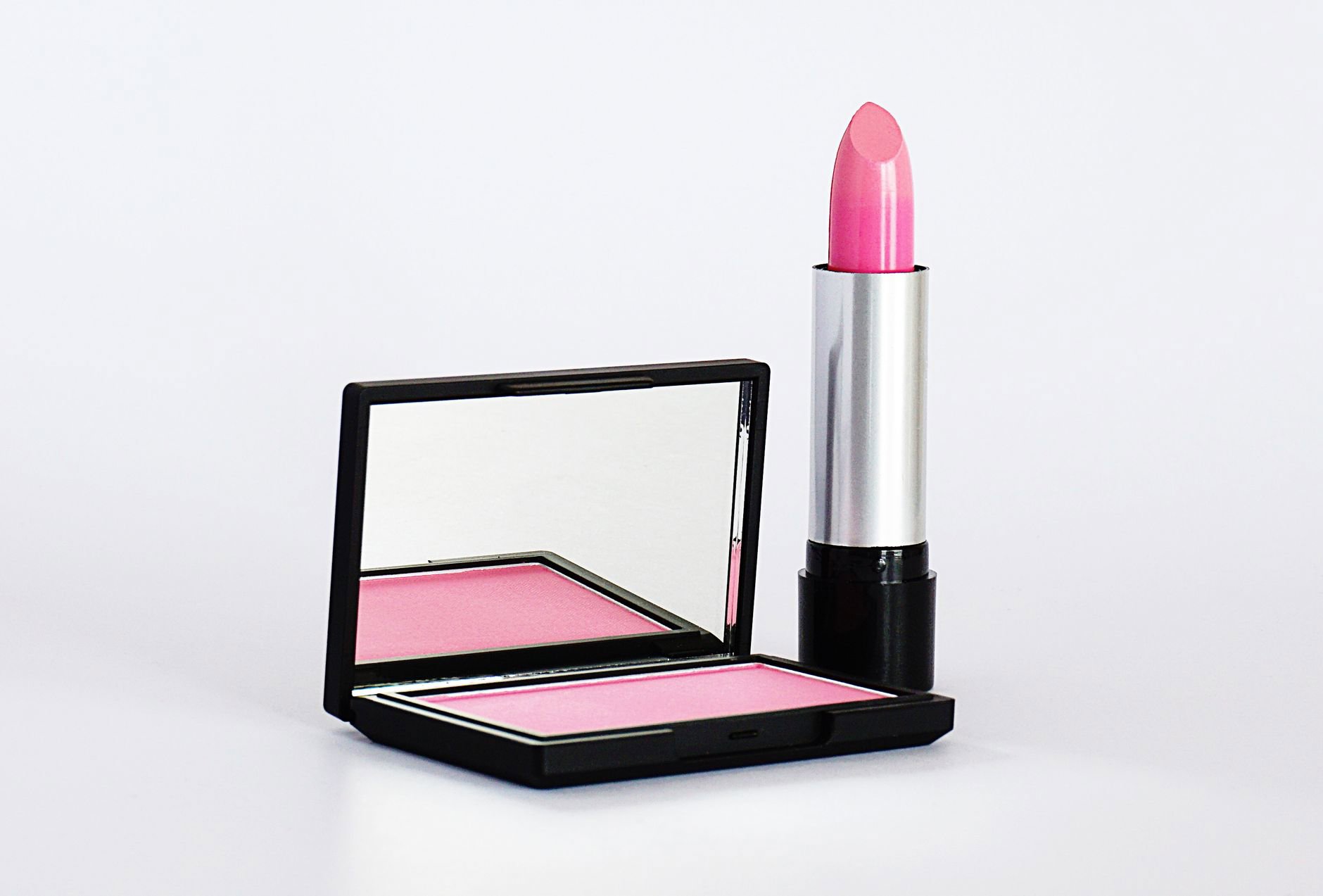
Powder blush does expire in practice, even when it looks “fine”: pigments, binders and surface oils change over time, and repeated brush contact can introduce bacteria that affects performance and hygiene. Most powder blushes last years when stored well, but you should replace them sooner if you spot smell, texture, or application changes.
Powder formulas generally outlast creams and liquids because they contain less water. Less water usually means fewer microbes can grow.
But “longer-lasting” does not mean “forever”. The real-world shelf life depends on three things: how you store it, how you apply it, and whether the powder includes oils or skincare-style ingredients that can go off sooner.
Our GlamGeek price tracker also shows people keep powder blushes for a long time because shades don’t get used up quickly. That makes expiry guidance more important here than with faster-finished basics.
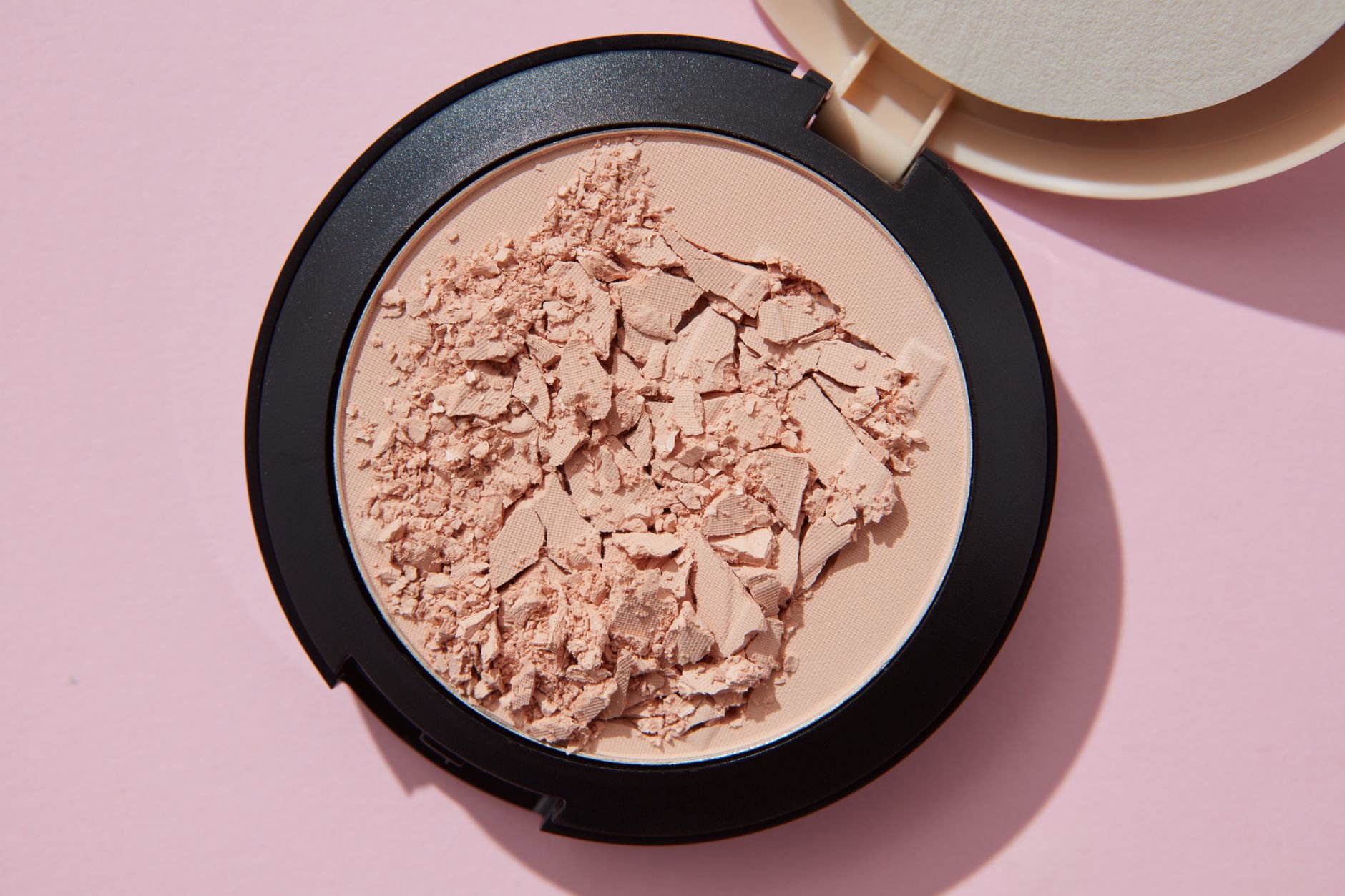
In Ireland’s damp climate, storage matters. Moisture, bathroom heat swings and steamy air can push a pressed powder towards hardpan, odd texture, and reduced payoff long before the “official” date.
What “expiry” means for powder blush (and why it still matters)
When brands talk about expiry, they usually mean product stability and safety within a defined window. For powder blush, that window covers pigment performance, the integrity of binders, and how well preservatives (if any) keep contamination in check.
Pressed powder blushes contain pigments plus binders that help the powder press into a pan and adhere to skin. Many also include emollients or oils for slip and glow. Those oilier elements can oxidise over time, which can shift texture and scent.
Microbes still matter with powders. Each dip of a brush can transfer skin oils, skincare residue and moisture onto the surface. Over months, that creates a thin film that changes how the blush picks up and blends. You see it as patchiness, a stiff top layer, or a colour that suddenly looks dull.
That is why the first “expiry” sign often shows up as performance, not irritation.
If you want a powder blush that stays consistent, look for formulas described as finely milled and buildable. Finely milled powders tend to blend with less pressure, so you disturb the surface less. Examples from our tracked selection include Surratt Artistique Blush (from €20.34), which brands itself as ultra-finely milled and soft-focus, and Fenty Beauty Cheeks Suede Powder Blush (from €21.56), described as airy-soft and diffused.
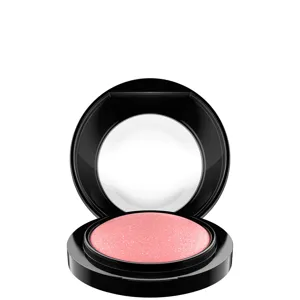
Glowy, hybrid powders can feel more “creamy” because they often rely on emollients or pearl blends. Those can still last well, but they may show changes sooner if stored in humid spots. Two examples in that glowier lane are MAC Mineralize Blush (from €31.64), a baked mineral blush with a luminous pearlised finish, and Hourglass Ambient Strobe Lighting Blush (from €34.00), which pairs radiance with vivid colour for a soft-focus finish.
How long does powder blush last? Realistic timelines
You will see a lot of broad advice online, but the most useful approach comes from combining the label guidance with real-world habits.
Most powder blushes comfortably last 24–36 months after opening when you store them well and apply with clean tools. Many people use them longer without obvious issues, but performance tends to drift. The drift often shows up as patchy blend, weaker pigment, or that “it just doesn’t sit right” feeling.
Here’s a practical way to set expectations:
- Heavily used, carried in a bag, applied on-the-go: plan closer to 18–24 months. More heat cycles and more contamination.
- Used a few times a week at home: 24–36 months fits most powders.
- Occasional shade (wedding guest pink, summer coral): 36 months can be fine, but you must watch for texture and smell changes.
- Oil-infused or “hydrating” powders: treat them more cautiously if you notice scent or surface change.
Oil-infused is not automatically bad. It can mean a better finish on drier cheeks. It just changes what you monitor.
For example, RMS beauty Re Dimension Hydra Powder Blush (from €40.00) includes buriti oil and jojoba seed oil in the description. That can support a luminous, comfortable feel, but it also means you should store it away from heat and keep the surface clean.
Similarly, By Terry To Tan Blush Powder (from €51.75) gets described as hydrating thanks to shea butter and glycerin. That makes it a good candidate for people who dislike chalky blush, but it is not the compact to leave in a steamy bathroom.
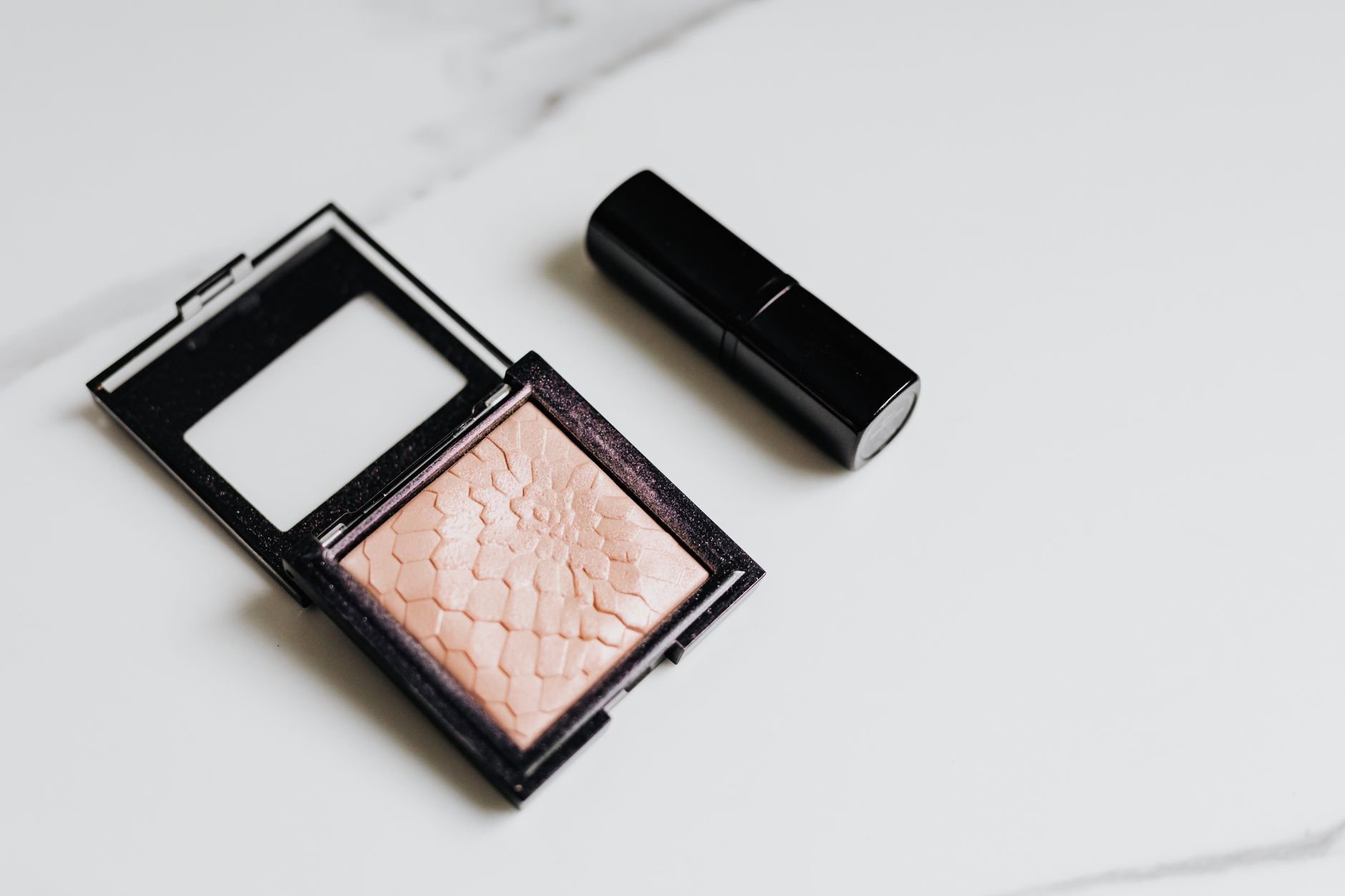
Reading expiry and PAO labels: what to look for on the box
Two systems show up on cosmetics: an expiry date and a PAO (Period After Opening). Powder blushes more often rely on PAO.
The PAO symbol looks like an open jar with “6M”, “12M”, “24M” and so on. That number tells you how many months the brand expects the product to perform and remain safe after you open it. If a powder blush shows 24M, treat it as a two-year clock once you start using it.
An expiry date (sometimes “EXP” or a date stamp) tends to appear when a product has a defined minimum durability period. If you see a date, follow it. If you see both, use whichever ends sooner.
Three label-reading tips that save hassle:
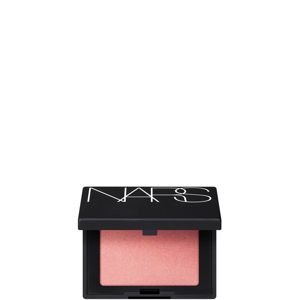
- Mark the open date: write the month/year on the compact base with a small label. People do this with Nars Blush (from €32.66) because refillable compacts often stay in rotation for years.
- Don’t ignore refills: the refill might arrive “new”, but the compact and your brush habits still drive contamination. Keep the whole system clean.
- Check retailer listings for PAO details: not every merchant displays it clearly. When you shop across Boots Ireland, Brown Thomas, Arnotts, McCauley Pharmacy, and Lookfantastic Ireland, packaging photos can vary.
One more: if you buy backup compacts, store them sealed in a cool, dry place. The PAO clock starts when you open them, not when you buy them, but heat can still age unopened product.
If you want to browse brands while you compare availability in Ireland, our internal brand hubs can help for context, including MAC and Shiseido. (We still recommend sticking to the specific powder blushes linked in this guide.)
The tell-tale signs your powder blush has gone off
Most expired powder blush does not look dramatic. It looks subtly wrong.
Start with scent. Powder blush should smell like… almost nothing. If you notice a new waxy, crayon-like, or stale oil smell, treat that as an early warning. Oilier powders and luminous baked formulas can show this first.
Next, watch the surface. A shiny, slick layer often means hardpan: oils from skin or Day Face Moisturisers and SPF Protection Products transferred onto the powder. Hardpan does not always mean the blush is unsafe, but it usually means it won’t perform the way it used to.
Then there’s texture shift. If the blush starts to crumble, develop gritty bits, or press into a stiff “cake”, replace it. Crumbling can happen after drops, but it can also reflect binder breakdown.
Performance changes count too:
- Patchy application: blush grabs in one area and refuses to blend out.
- Muted colour payoff: you swirl and swirl and still get barely any pigment.
- Odd overlaying: your blush looks chalky on top of base products that used to work.
- New irritation: stinging or itch on the cheeks can signal contamination or oxidised oils.
Some formulas aim for a “soft-focus” look, so low sheen or diffused edges can be normal. MAC Skinfinish Colourstruck Blush (from €32.20) describes a soft-focus finish with a velvety, weightless feel. If it stops blending seamlessly and starts sitting in patches, that change matters.
When you want to compare whether a performance issue comes from the blush or your base, test it on bare skin. Laura Mercier Blush Colour Infusion Blusher (from €36.00) specifically notes it works well on bare skin. If it suddenly struggles on bare skin, that points back to the compact.
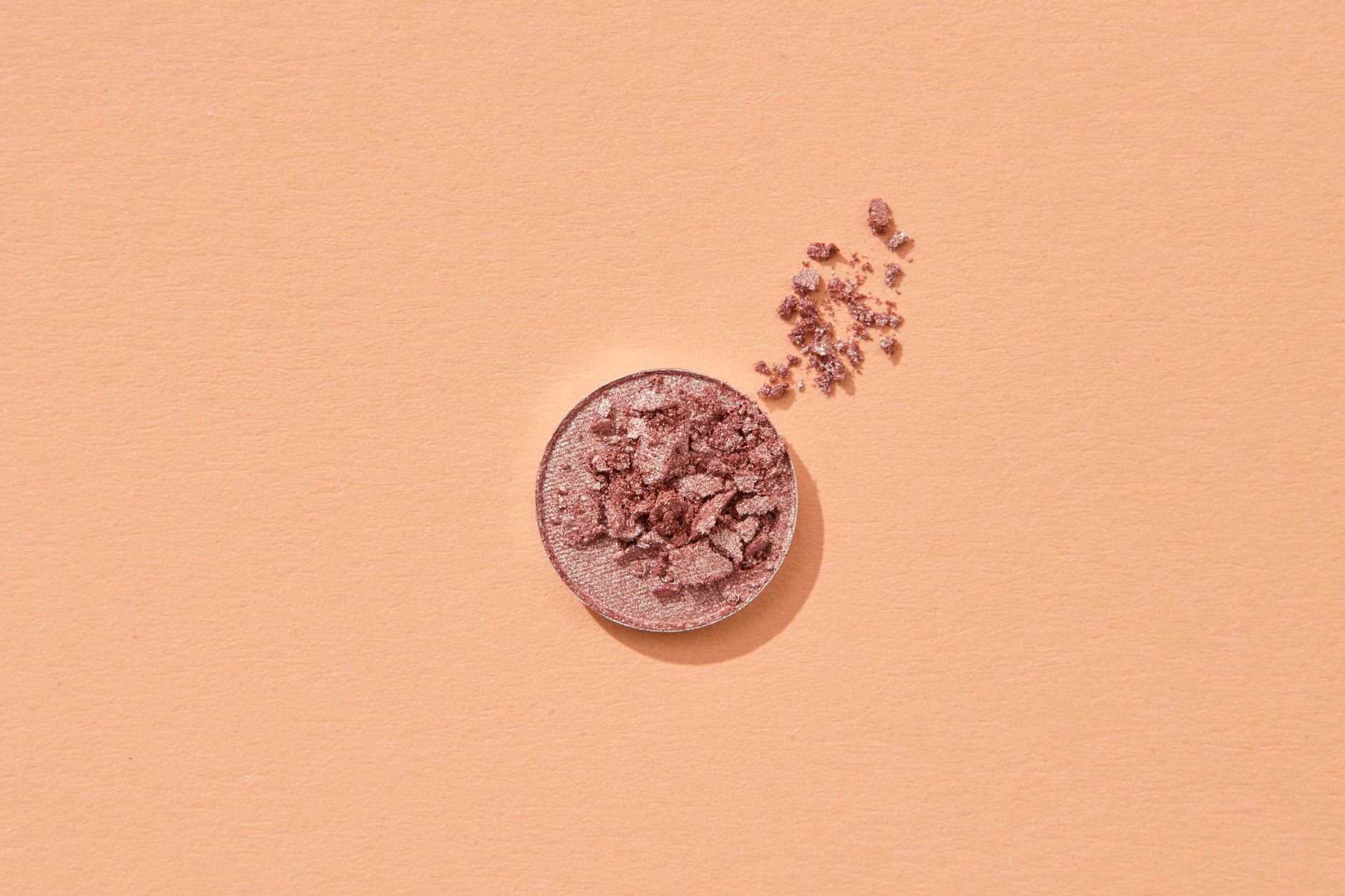
Storage and handling: how to extend shelf life in a damp climate
Storage does more than prevent breakage. It controls moisture and heat, which drives the most common powder blush problems.
Keep powder blush out of the bathroom if you can. Irish homes often run humid, and bathrooms spike humidity daily. That moisture can sit on the compact surface and encourage hardpan and texture change. A bedroom drawer beats a bathroom shelf.
Close the lid fully every time. It sounds obvious, but loose hinges and half-closed lids invite damp air and dust. If your compact lives in a makeup bag, also watch for cracked lids that let in moisture.
Handle it with clean tools. We won’t recommend a specific tool here, but you can explore options in Makeup Brushes & Applicators. The key behaviour: don’t use a brush that still has yesterday’s base products and face oils on it.
Quick hygiene wins that actually work:
- Don’t share blush: shared compacts pick up different skin flora fast.
- Avoid dipping after skincare: let moisturiser and SPF set before blush. You reduce oil transfer.
- Scrape hardpan safely: use clean tissue to wipe the top layer, or gently scrape with a sanitised spatula. Remove the shiny film, not half the pan.
- Keep it cool: don’t store in a car or near radiators. Heat speeds up oil oxidation.
If you like luminous powders, give them extra care. SUQQU Blurring Color Blush (from €36.80) includes micro-pearls for luminescence and a smooth graduation of shades. Pearly formulas can show surface glazing sooner if oils transfer onto them.
Multi-use powders also see more contact. Shiseido Color + Glow Enhancer (from €49.45) gets described as suitable for cheeks, eyes and facial contours. If you use one compact across zones, keep an eye on cleanliness and replace sooner if irritation appears.
Ingredient and formula clues: which powders tend to “turn” sooner
Brands rarely publish full stability data, but the product description still gives useful hints.
Look for words like hydrating, oil, butter, and luminous. Those often indicate more emollients or pearl blends. Emollients can improve comfort, but they also create more opportunity for oxidation and scent shift if the compact sits in heat.
Examples where the description signals added emollients include RMS beauty Re Dimension Hydra Powder Blush (from €40.00) with buriti and jojoba seed oils, and By Terry To Tan Blush Powder (from €51.75) with shea butter and glycerin.
Mineral or baked powders often feel drier and can last a long time, but they can still hardpan. MAC Mineralize Blush (from €31.64) describes a lightweight baked mineral formula with a luminous finish. If you notice a glazed surface, clean it rather than forcing your brush harder.
Finely milled, buildable powders often age gracefully because you can apply with a light hand. Two to compare:
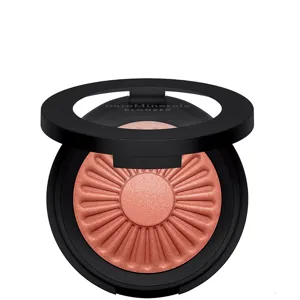
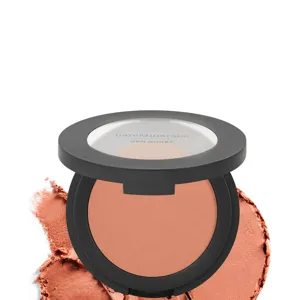
- bareMinerals Gen Nude Powder Blush (from €25.30): buildable, designed to blur and diffuse light for a soft-focus effect.
- Make Up For Ever Artist Face Powders Blush (from €24.84): highly pigmented, buildable and blendable.
None of that guarantees a longer shelf life, but it changes how you use the compact. Less pressure, less digging, less contamination.
One more clue: refillable packaging. Nars Blush (from €32.66) mentions a refillable formula and an innovative blend of pure pigments, including mineral and naturally-derived pigments. Refills can reduce waste, but you still need to clean the compact and treat each refill like a fresh PAO cycle once opened.
Worth replacing vs worth reviving: a practical decision guide
Not every “old” blush needs the bin. Some just need surface maintenance.
We’d split it like this:
- Revive it if the blush looks normal but has hardpan, or it picks up poorly. Remove the top layer and reassess.
- Replace it if you notice smell changes, mould spots, repeated irritation, gritty texture, or persistent patchiness.
- Replace it if it crumbles and you can’t press it back without changing performance.
- Replace it if it passed its PAO by a wide margin and you can’t remember when you opened it.
People often keep “special occasion” shades for ages. If you want a realistic replacement plan, aim for one everyday powder blush and one statement shade. You will finish or replace them on a healthier cycle.
From our current tracked pricing, the better value picks for regular rotation tend to sit in the low-to-mid €20s. Two examples: Surratt Artistique Blush from €20.34 and Fenty Beauty Cheeks Suede Powder Blush from €21.56. If you replace a blush every 2–3 years, those numbers feel more reasonable than hanging onto a questionable compact for “savings”.
If you want a glow finish that can also stand in for a highlighter-style effect, bareMinerals Gen Nude Highlighting Blush (from €25.30) combines blush pigment with light-reflecting properties in one powder. That can reduce how many compacts you keep open at once.
On the pricier end, you should still replace when needed. Shiseido Color + Glow Enhancer (from €49.45) and By Terry To Tan Blush Powder (from €51.75) cost enough that people hesitate, but irritation costs more than a replacement.
Shopping note for Irish readers: shade ranges and stock can differ across Boots Ireland versus department stores like Brown Thomas and Arnotts, and sometimes UK-based retailers shipping to Ireland run sharper discounts. Our price tracking shows those gaps come and go, so it pays to compare before you repurchase.
Practical tips you can use today (no new products required)
Start by checking your blush drawer and doing a quick audit. Find the PAO symbol on each box or compact, then write “Opened: MM/YY” on a small sticker underneath. If you cannot remember, set a conservative date and watch for the signs listed above.
Next, clean up how you apply. Let your base set before blush, especially after SPF Protection Products. Keep your application tools clean and dry, and avoid applying blush in a steamy room. Damp air plus fresh skincare is a hardpan recipe.
If a compact has hardpan right now, don’t grind your brush harder. Wipe the top layer with a clean tissue, or gently scrape the shiny film away with a sanitised tool, then dust off loose powder. If the blush still applies patchy after that, it likely aged beyond its best.
Finally, store powder blushes like you store good jewellery: closed, cool, and away from humidity. A drawer organiser beats an open countertop. Always.
Powder Blush Expiry FAQ
Does powder blush actually expire if it’s a dry product?
Yes. Powder blush usually lasts longer than liquid makeup, but it still changes over time. Oils and binders can oxidise, and repeated brush contact can transfer skin oils and bacteria onto the surface. Even without visible mould, you can see performance drop through patchiness, hardpan, or a change in smell.
How many years can you keep powder blush after opening?
Many powder blushes perform well for about 24–36 months after opening when stored cool and dry. If you carry it daily, store it in a humid bathroom, or notice scent and texture changes, plan to replace sooner. Always follow the PAO symbol on the packaging if it appears.
What is the PAO symbol on makeup, and how do you read it?
PAO means Period After Opening. It appears as an open-jar icon with a number like 12M or 24M. That number tells you how many months the brand expects the product to remain stable and safe after you start using it. Mark your opening date so the timeline stays clear.
Can you sanitise powder blush to make it safe again?
You can reduce surface contamination by wiping or gently scraping off the top layer and keeping tools clean, but you cannot fully “reset” an old blush. If it smells off, causes irritation, looks mouldy, or keeps applying patchy after removing hardpan, replacing it remains the safer choice.
Why does my powder blush go hard and stop picking up on the brush?
That usually comes from hardpan: a shiny film of skin oils, skincare, or SPF on the powder surface. It blocks pickup and makes blush apply unevenly. Store the compact away from humidity, let base products set before application, and clean the surface gently if hardpan forms.