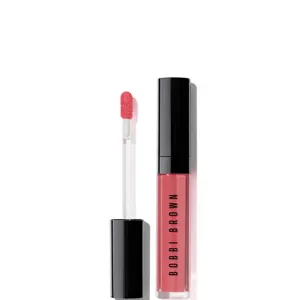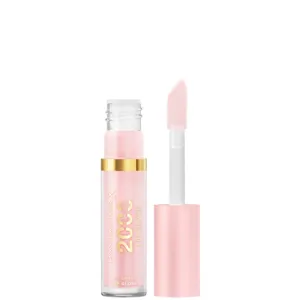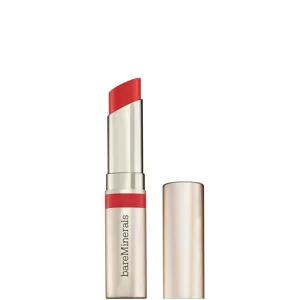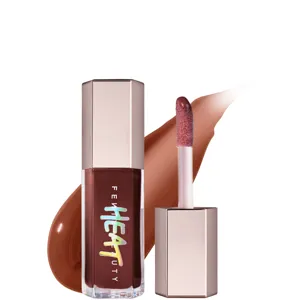
Dry, chapped lips and lip gloss can coexist — but only if you prep like you mean it. The goal is simple: remove loose flakes, rehydrate the surface, then choose a gloss texture that smooths rather than clings.
Skip the “just add more shine” approach. Gloss catches light, so it also catches texture.
In our GlamGeek price tracker, the glosses that look best over imperfect lips usually share one trait: they behave like treatment-first formulas (balmy, oil-gloss hybrids, or conditioning glosses) instead of thin lacquers that grip every dry patch.
Why gloss shows every flake (and how to stop it)
Lip skin has no oil glands, a thinner outer layer, and it loses water fast. In Ireland’s damp, mild climate, lips still dry out because wind, indoor heating, and constant wet-to-dry cycling pull moisture from the surface.
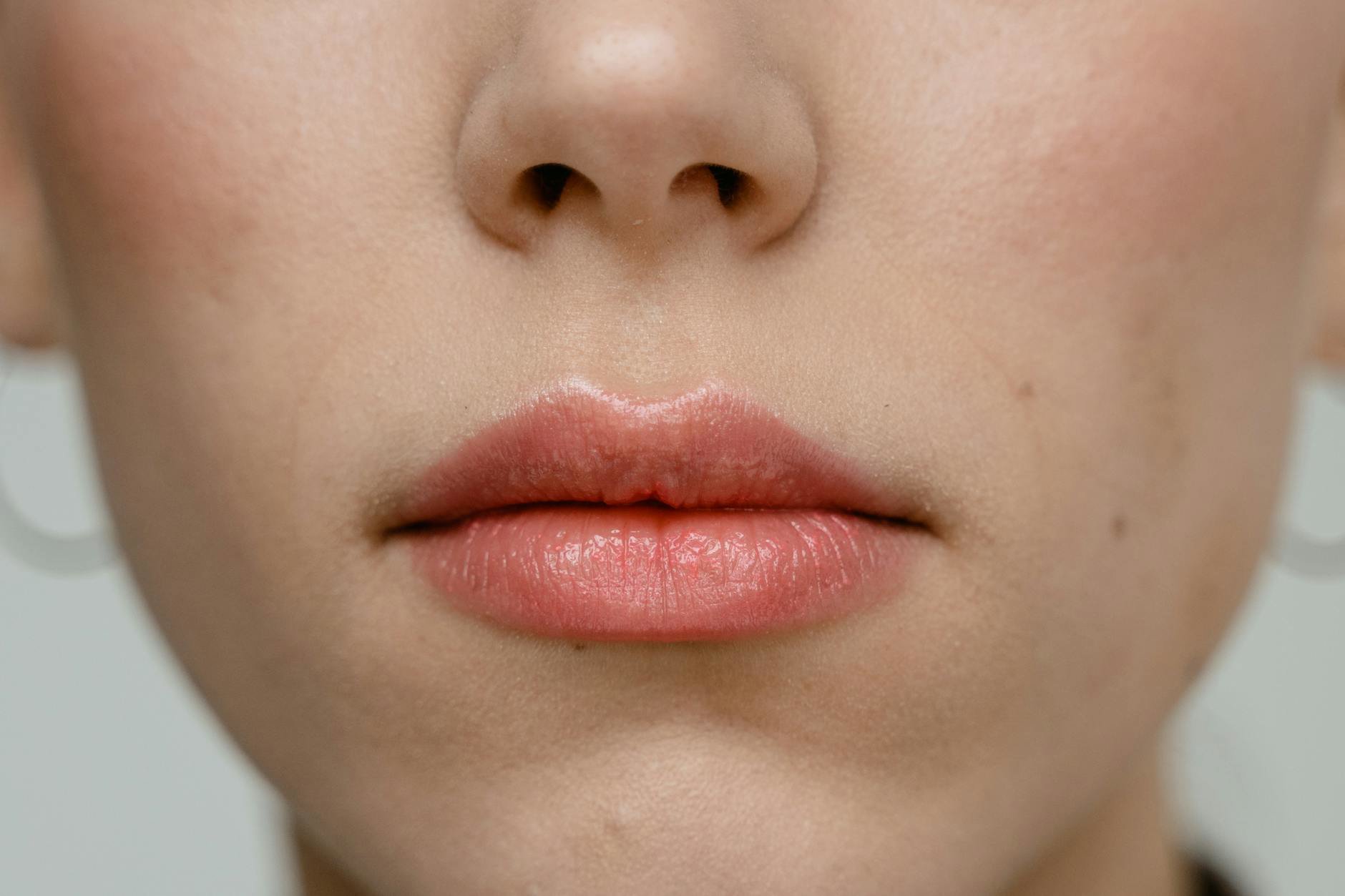
Gloss makes the problem more obvious for two reasons. First, high shine creates contrast: smooth areas reflect evenly, rough areas scatter light and look bumpy. Second, many glosses have “slip” but not much cushion, so the film can separate around flaky edges.
You fix that by managing two layers of dryness:
- Loose surface flakes (dead skin that needs gentle removal).
- Dehydration (lack of water in the outer layer, which needs humectants and occlusion).
- Barrier weakness (micro-cracks that need conditioning and time).
- Product behaviour (some gloss formulas cling more than others).
One more factor matters: plumping. Some “plumping” effects rely on stimulation that can worsen chapping. If lips feel raw, choose sting-free volume claims instead. The description for RMS beauty Liplights Cream Lip Gloss calls out a sting-free volumiser, which makes it a safer bet for compromised lips.
The 10-minute rescue routine (when you want gloss today)
If you need your gloss to behave within the hour, keep prep short and controlled. Over-scrubbing creates more texture than it removes.
Step 1: Soften (2 minutes). Hold a warm, damp cloth to lips. Warmth loosens flakes so you do less mechanical rubbing.
Step 2: Micro-exfoliate (15–20 seconds). Use the same cloth and tiny circular motions. Stop as soon as the loose skin lifts. If you see redness, you went too far.
Step 3: Rehydrate (1 minute). Apply a thin layer of a gloss that includes hydration-forward actives. Two standouts from our product list:
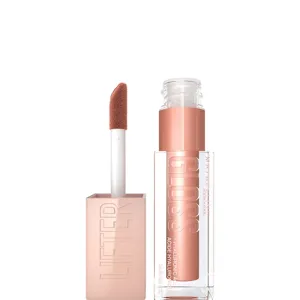
- Maybelline Lifter Gloss Hydrating Lip Gloss With Hyaluronic Acid (from €10.11) — the description highlights hyaluronic acid for hydration and a fuller, shinier appearance.
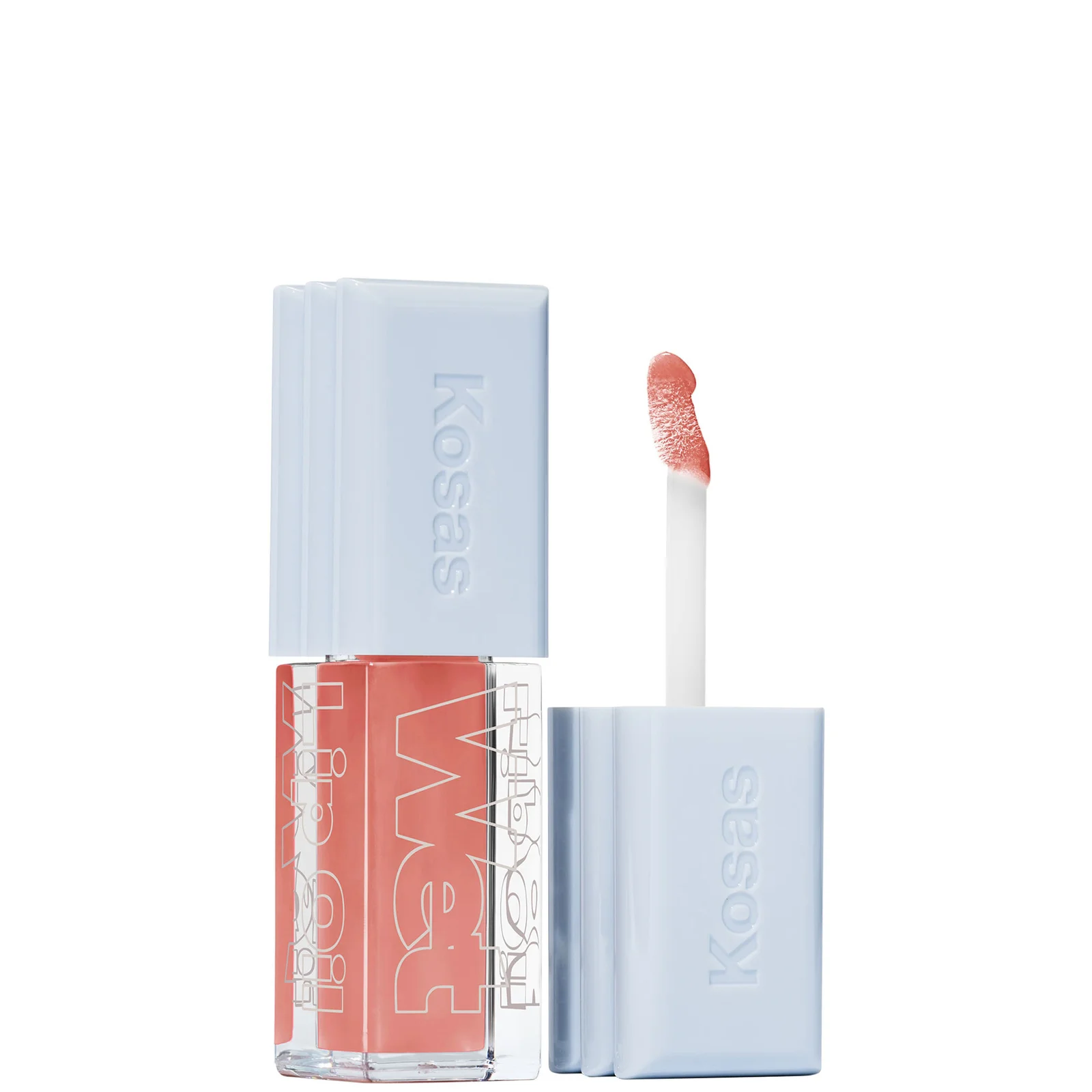
- Kosas Wet Lip Oil Gloss (from €23.00) — described as a dual-action oil gloss with hyaluronic acid and collagen-enhancing peptides.
Step 4: Seal (2 minutes). Let that first thin layer sit. Then add a second layer, concentrating on the centre of the lips. Keep edges lighter so product doesn’t gather in micro-cracks.
Step 5: Finish for even shine (10 seconds). Press lips together once. Don’t rub. Rubbing lifts flakes and creates pilling.
This routine works because it tackles texture first, then uses a gloss formula as the “hydration + slip” layer. It also avoids the common mistake: applying a thick coat immediately and hoping it levels itself.
The 7-day lip reset (so gloss stops picking up texture)
When chapping keeps coming back, you need consistency more than intensity. A weekly reset plan aims for fewer flakes, not a squeaky-clean surface.
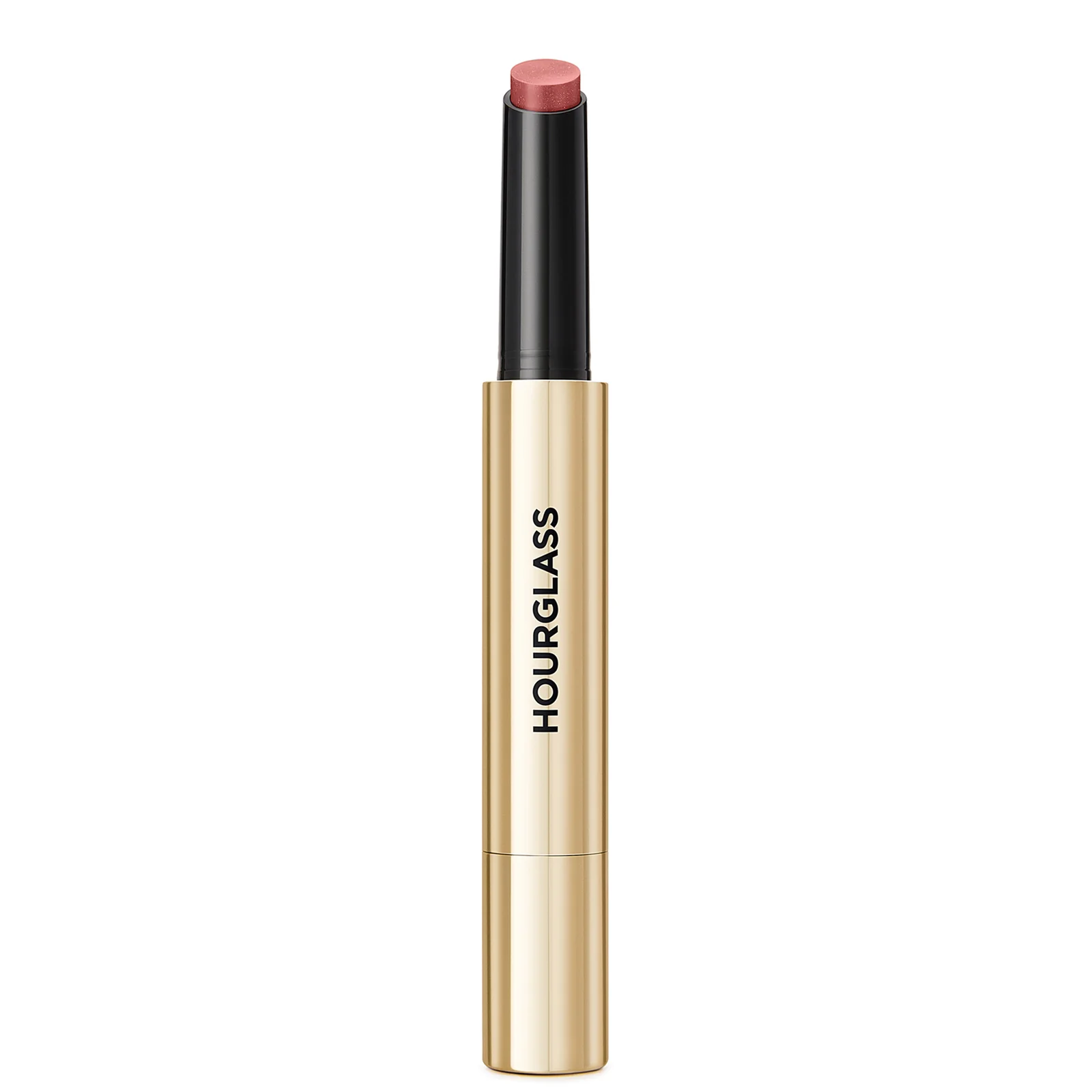
Day 1–2: Conditioning gloss only. Choose a balm-gloss hybrid that behaves like ongoing care. Our data shows shoppers often treat these as handbag staples because they replace multiple steps. The description for Hourglass Phantom Volumizing Glossy Balm (from €39.50) positions it as gloss, lipstick, and balm in one, with a Conditioning Complex for nourishment.
Day 3: Gentle exfoliation once. Repeat the warm cloth method. Then go straight back to a nourishing gloss layer. If you want a plush, smoothing film, Laura Mercier Lip Glacè (from €20.93) claims up to 24 hours of intense moisture with a balm-like texture and mirror shine.
Day 4–6: Hydrate + cushion. Rotate between hydration-focused and buttery formulas. Sisley Le Phyto-Gloss Lipgloss (from €52.90) describes a Hydrobooster Complex aimed at rich moisture and nutrients. By Terry Baume De Rose Aceites Labiales (from €25.76) highlights a gentle botanical blend and Diamond Glow Complex for multidimensional shine.
Day 7: Assess and simplify. If lips still shed, drop exfoliation and focus on conditioning for another week. Persistent cracking can mean irritation from flavourings, fragrance, or aggressive plumping habits.
Keep SPF in mind too. Ireland gets less intense sun for much of the year, but UV still contributes to dryness. Pair gloss days with SPF Protection Products in the broader routine so lips do not fight a constant losing battle.
Choosing the right gloss texture for dry lips (what to buy, and why)
Not all gloss finishes behave the same on chapped lips. The easiest win comes from matching texture to your lip condition that day.
If lips feel tight and papery: go for balm-gloss hybrids and conditioning complexes. Hourglass Phantom Volumizing Glossy Balm (from €39.50) fits that brief on description alone, and it can reduce the need for layering.
If lips look flaky but not sore: choose a high-shine gloss that stays comfortable and non-sticky, so you avoid overworking it. Kevyn Aucoin Glass Glow Lip Gloss (from €27.60) describes a three-dimensional, high-impact shine with a non-sticky, lightweight feel.
If you want volume without regret: prioritise “no sting” language. Two products in this list speak directly to that concern:
- Hourglass Unreal High Shine Volumizing Lip Gloss (from €34.00) — the description claims long-lasting volume without the sting of traditional plumpers.
- RMS beauty Liplights Cream Lip Gloss (from €33.00) — described as sting-free, with plumping peptides and soothing botanical butters.
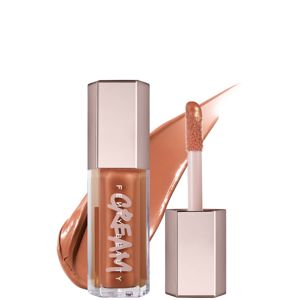
If you want pigment plus shine: pick formulas that mention hyper-pigmented colour or a wet-look finish, because they can visually “blur” unevenness. Fenty Beauty Gloss Bomb Universal Lip Luminizer (from €13.80) calls out hyper-pigmented colour and explosive shine, with visible plumping. Fenty Beauty Gloss Bomb Cream Colour Drip Lip Cream (from €18.40) describes a dew-drenched, fuller-looking wet-look finish with a moisture-locking formula.
Where to shop in Ireland depends on shade and stock. Readers often check Boots Ireland first, then Brown Thomas or Arnotts for premium counters. When an item runs scarce locally, Lookfantastic Ireland can fill gaps, though shipping timelines vary by brand.
Ingredient cheat sheet: what helps, what tends to backfire
Marketing loves vague “nourishing” claims. We prefer ingredient signals that predict how a gloss will sit on dry lips.
Look for humectants when lips feel dehydrated. Hyaluronic acid draws water into the surface layer. You get that call-out in Maybelline Lifter Gloss Hydrating Lip Gloss With Hyaluronic Acid (from €10.11) and in Kosas Wet Lip Oil Gloss (from €23.00). In practice, humectants work best when the formula also reduces water loss, so the hydration stays put.
Prioritise cushioning agents when lips look textured. Botanical butters and conditioning complexes create a thicker, more even film. RMS describes “soothing botanical butters” in RMS beauty Liplights Cream Lip Gloss. Hourglass describes a Conditioning Complex in Hourglass Phantom Volumizing Glossy Balm.
Be cautious with strong plumping sensations on compromised lips. If your lips already sting from dryness, adding a plumper can keep the irritation loop going. If you still want the fuller look, stick to “without the sting” options like Hourglass Unreal High Shine Volumizing Lip Gloss (from €34.00) or a sting-free peptide approach like RMS beauty Liplights Cream Lip Gloss (from €33.00).
Shimmer can hide or highlight texture. Light-reflecting particles can blur small lines, but they can also catch on larger flakes. If you know you have lifting skin, start with smoother “glassy” finishes. The description for Glossier Glassy High-Shine Lip Gloss (from €24.00) focuses on a glassy, non-sticky finish and long-lasting wear, which usually suits “I just want shine” days.
If you like comparing brands across categories, GlamGeek also tracks brand pages such as MAC, Clinique, Lancôme, and Sisley. For this guide, we stick to the glosses listed above.
Application tricks that stop gloss from bunching and cracking
Dry lips make gloss migrate. Technique fixes a lot of that.
Use the “centre-out” placement. Place most product on the centre of the bottom lip, then press lips together once. Add a small amount to the centre of the top lip. This keeps the wettest layer away from the lip line where cracks sit.
Layer thin, not thick. Two thin layers level out better than one heavy coat. Heavy coats slide, then collect at the corners. That collection reads as dryness even when it is just excess product.
Pick your finish based on your plan. If you want to top up often, choose a forgiving, comfortable gloss. Fenty Beauty Gloss Bomb Universal Lip Luminizer (from €13.80) works well for quick refreshes because it pairs strong shine with visible plumping. If you want a more “one-and-done” feel, Laura Mercier Lip Glacè (from €20.93) claims up to 24 hours of moisture, which suits people who dislike constant reapplication.
Don’t use your lips as a blender. Rubbing lips together breaks the film and lifts flakes. Press once, then leave it alone.
Tools matter too, but we keep this guide gloss-only. If you want to browse options, GlamGeek categorises Makeup Brushes & Applicators separately.
Quick comparison: which gloss to choose for your lip condition
When readers filter by finish, comfort, and price, these are the pairings that make the most sense for dry or chapped lips.
Best “prep plus gloss” hybrids
- Hourglass Phantom Volumizing Glossy Balm — from €39.50. Gloss, lipstick, and balm positioning, with a Conditioning Complex.
- Laura Mercier Lip Glacè — from €20.93. Balm-like texture with mirror shine, claims up to 24 hours of moisture.
Best hydration-forward glosses for tight lips
- Maybelline Lifter Gloss Hydrating Lip Gloss With Hyaluronic Acid — from €10.11. Hyaluronic acid focus at a lower entry price.
- Kosas Wet Lip Oil Gloss — from €23.00. Hyaluronic acid plus peptides in an oil-gloss format.
Best options when you want fullness but lips feel sensitive
- Hourglass Unreal High Shine Volumizing Lip Gloss — from €34.00. Claims volume without traditional plumper sting.
- RMS beauty Liplights Cream Lip Gloss — from €33.00. Sting-free volumiser with plumping peptides and botanical butters.
Best high-shine “distraction” finishes for mild texture
- Kevyn Aucoin Glass Glow Lip Gloss — from €27.60. Three-dimensional, high-impact shine with a non-sticky feel.
- Glossier Glassy High-Shine Lip Gloss — from €24.00. Glassy, non-sticky finish and long-lasting wear.
For shoppers who like a plush, tinted feel, Sisley Le Phyto-Gloss Lipgloss (from €52.90) and By Terry Baume De Rose Aceites Labiales (from €25.76) sit in the “skincare-meets-gloss” camp based on their moisture and glow complexes.
Practical tips you can use today (and common mistakes to avoid)
Keep exfoliation rare. Once or twice a week suits most people. Daily scrubbing makes lips feel smooth for an hour, then worse by evening.
Apply gloss to dry lips, not wet lips. Water left on the surface evaporates and can increase tightness. Pat dry after your warm cloth step, then apply your hydrating gloss.
Choose the right reapplication strategy. If lips start to flake midday, don’t stack more gloss on top of lifting skin. Wipe gently with a tissue, press a thin layer of a conditioning option (like Hourglass Phantom Volumizing Glossy Balm), then add shine where needed.
Stop licking your lips. It feels helpful for seconds. Saliva evaporates fast and leaves lips drier.
Watch the corners. Gloss collects there first. Use less product at the edges, and focus shine on the centre where it looks freshest.
When you want to pair your finished look with other categories, GlamGeek keeps browsing organised under makeup and skin care. For this query, the win comes from better prep plus a more forgiving gloss formula.
Sign-off: what’s your biggest gloss problem?
Dryness can look like a gloss issue, but it usually starts with prep and formula choice. Which happens more for you: flaking at the centre, cracking at the corners, or gloss that slides off within an hour?
If you tell us your top annoyance and the finish you like (clear, tinted, or shimmer), we can point you to the most suitable gloss from the list above and the prep routine that matches it.