Choosing the right concealer shade comes down to two decisions: what you’re concealing (under-eyes, blemishes, redness) and what finish you want (brightened vs perfectly matched). When those two line up, concealer looks like skin. When they don’t, you get the classics: grey under-eyes, orange spots, or a halo around blemishes.
Liquid and cream concealers also behave differently on the face. A radiant, skincare-infused liquid can look forgiving under the eyes, while a soft-matte cream can hide a blemish without sliding. Shade choice needs to account for that.
We’ll break down undertones in plain English, show how many shades to buy (often two), and share the shade-matching checks that prevent regret. We’ll also point to specific liquid and cream concealers worth comparing in Ireland, using the prices in our tracker.
The basics: skin tone, undertone, and why concealer goes wrong
Most shade mistakes happen because people match concealer like they match foundation: one shade for everything, tested on the hand, judged under shop lighting. Concealer needs a more targeted approach.
Skin tone describes depth (fair to deep). Undertone describes the hue running through the skin (cool, warm, neutral, olive). Two people can share the same depth and still need different undertones. If the undertone fights your skin, concealer turns ashy, peachy, or oddly “flat”.
Then there’s the problem colour. Under-eye darkness often reads blue, purple, or brown. Redness sits on a red-to-pink spectrum. Blemishes can look red, purple, or even grey. Your concealer shade should either match the surrounding skin (spot concealing) or shift the area brighter (under-eye brightening). Those are different jobs.
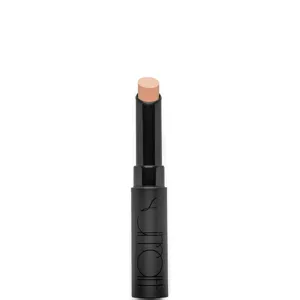
Finish matters too. A radiant formula can reflect light and make darkness look reduced, even with less coverage. A soft-matte formula can look more exact on spots, but the wrong undertone shows faster because it doesn’t “glow” its way out of trouble. That’s why a cult classic like Nars Radiant Creamy Concealer (from €14.95) often suits under-eyes, while a targeted cream like Nars Soft Matte Complete Concealer (from €31.00) makes sense for blemishes.
Under-eyes: choose a brightening shade (but not a ghost shade)
For under-eyes, most people look best with a concealer that runs slightly lighter than their skin tone. Not three shades lighter. Not “as light as possible”. Just enough to lift the shadow.
Here’s the key: undertone still has to match. If you go lighter but miss undertone, the under-eye turns grey (too cool/ashy) or orange (too warm/peachy). In Ireland’s daylight—often soft and overcast—undertone errors show up as a dull cast rather than an obvious mismatch.
What we tend to see across our merchant feed is that shoppers buy one “brightening” concealer, then try to use it on blemishes too. That’s when the under-eye looks fine, but spots look highlighted. If you want one product to start, pick the under-eye shade first. Under-eye mistakes feel louder in photos and video calls.
Liquid & cream picks that suit under-eye brightening:
- MAC Studio Radiance 24Hr Luminous Lift Concealer (from €24.15): medium coverage with a radiant, skin-like finish, developed with 80% skincare ingredients and hydrating actives like hyaluronic acid, niacinamide, and vitamin C. This type of ingredient mix can help the under-eye look smoother because hydration reduces the look of fine texture.
- Nars Radiant Creamy Concealer (from €14.95): buildable medium-to-full coverage with a glowing finish. A glow finish can make a slightly-too-dark shade look more forgiving than a flat matte.
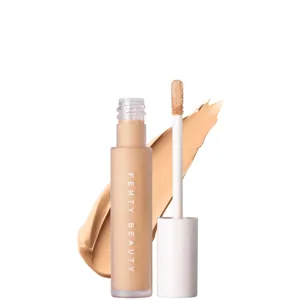
- Fenty Beauty Pro Filt'R Instant Retouch Concealer (from €22.08): soft-matte, medium-to-full coverage and designed to brighten. With 50 shades, you can usually find a close undertone match and then go one step lighter for lift.
- Charlotte Tilbury Beautiful Skin Radiant Concealer (from €28.00): medium, buildable coverage designed to brighten and contour. This is the sort of formula that works best when the shade leans “right undertone, slightly lighter”.
Blemishes and dark spots: match your skin exactly (no brightening)
Spot concealing needs the opposite rule: match the surrounding skin as closely as possible. If your blemish concealer runs lighter, it turns into a beacon. If it runs darker, it can look like a bruise.
Undertone matters more here than under the eyes. Why? A blemish sits on the surface and reads as a distinct patch. A mismatched undertone creates a visible “dot”, even if the depth looks close.
Cream formulas often excel for spots because they can grip and stay put. The product type matters, but shade match matters more.
Liquid & cream picks that suit spot concealing:
- Nars Soft Matte Complete Concealer (from €31.00): an oil-free formula that targets dark spots, under-eye circles, and breakouts, and helps smooth the look of uneven texture. Soft-matte finishes typically look most seamless when the shade match is near-perfect.
- Make Up For Ever Hd Skin Concealer (from €24.15): designed for long wear and seamless correcting across under eyes, blemishes, and redness, with skincare ingredients including hyaluronic acid and niacinamide. If you want one concealer to do more than one job, this sort of description signals versatility.
- Natasha Denona Hy-Glam Concealer (from €31.28): a hybrid correcting formula aimed at discolouration from dark circles to acne scars, with a weightless feel. Weightless textures tend to look less “stuck on” when you need to build coverage in a small area.
- Fenty Beauty Pro Filt'R Instant Retouch Concealer (from €22.08): if you already own it for under-eyes, choose a second, skin-match shade for blemishes rather than forcing the brightening shade to do both jobs.
One more thing. If you conceal a raised blemish, a too-light shade catches light and looks textured. A close match hides both colour and height.
Redness: undertone matching beats “going yellow”
Redness around the nose, chin, or cheeks pushes many people toward yellow-toned concealers. Sometimes that works. Often it just looks sallow.
Instead, treat redness like a skin-match problem first. If your undertone runs cool or neutral, a strongly warm concealer can create a yellow patch. If your undertone runs warm, a cool concealer can turn the redness grey-lilac. Neither looks like calm skin.
Coverage level also changes the outcome. Medium coverage can let a hint of natural skin show through, which reads believable. Full coverage can look mask-like if the undertone sits off.
Concealers from our list that make sense for redness coverage:
- Make Up For Ever Hd Skin Concealer (from €24.15): designed to cover redness and more, with long wear. When redness flares throughout the day, long wear helps prevent the “patchy pink comeback”.
- Nars Soft Matte Complete Concealer (from €31.00): the soft-matte finish can reduce the look of redness because shine can make redness look stronger. Shade match needs to stay tight.
- VIEVE Modern Radiance Concealer (from €33.00): a hydrating liquid concealer with hyaluronic acid, designed to brighten and cover dark circles and hyperpigmentation. Hydration helps when redness sits on dry patches, because dry edges catch attention.
Irish weather adds a twist. Damp air plus indoor heating can leave skin dehydrated but shiny in places. A concealer that reads too matte can cling, and a too-radiant shade can make redness look like flush. Match undertone first, then pick finish.
Undertones made practical: warm, cool, neutral, olive
Undertone talk can feel like a guessing game, so we prefer checks that you can do quickly and repeatably. You don’t need perfect labels. You need a direction.
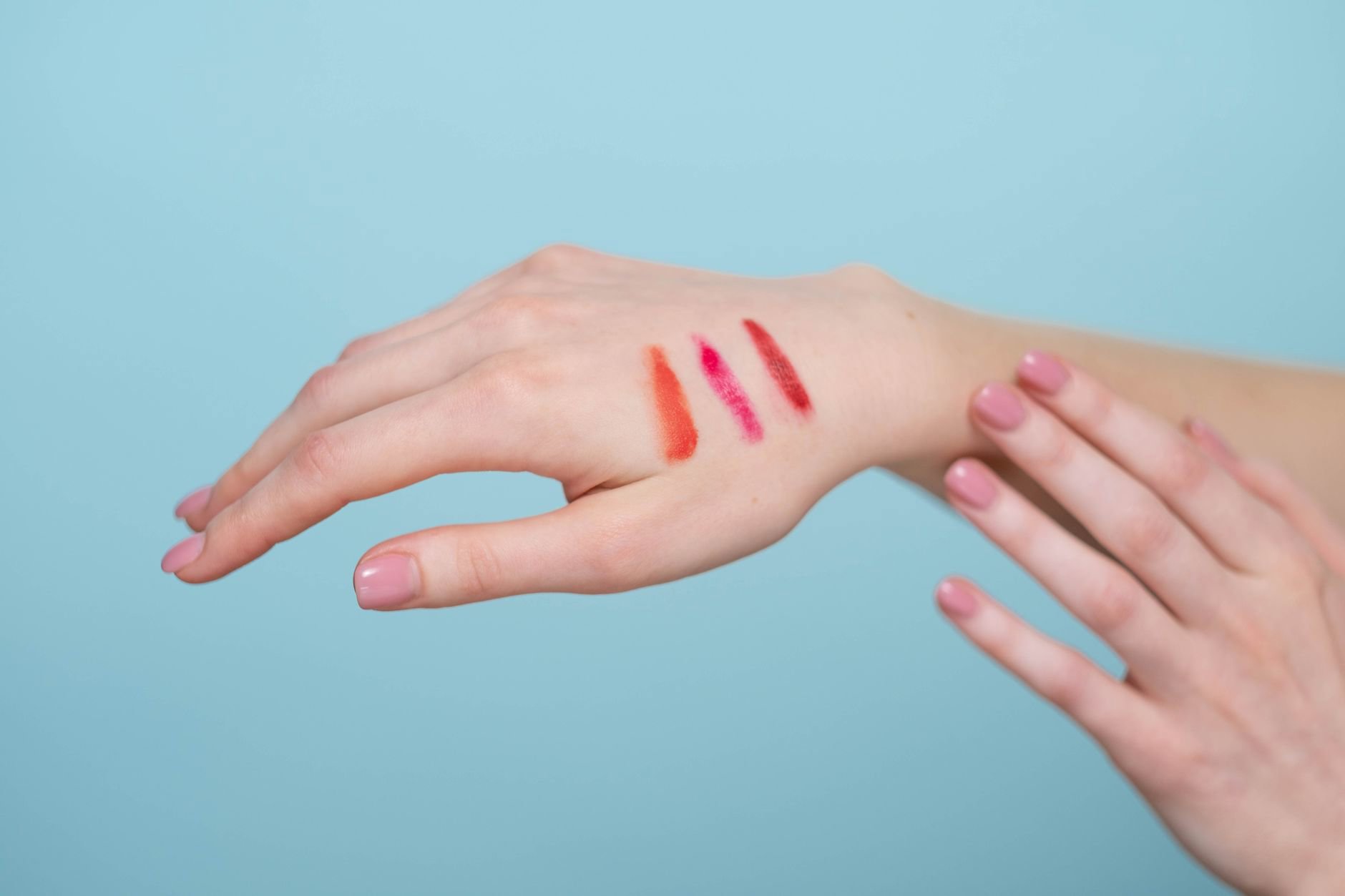
Warm undertones usually suit shades described as golden or warm. Cool undertones usually suit shades described as rosy or cool. Neutral undertones often sit between, and can wear both if the depth matches. Olive undertones can look green-grey in some lights and often struggle with shades that pull too pink or too orange.
Two fast checks work well:
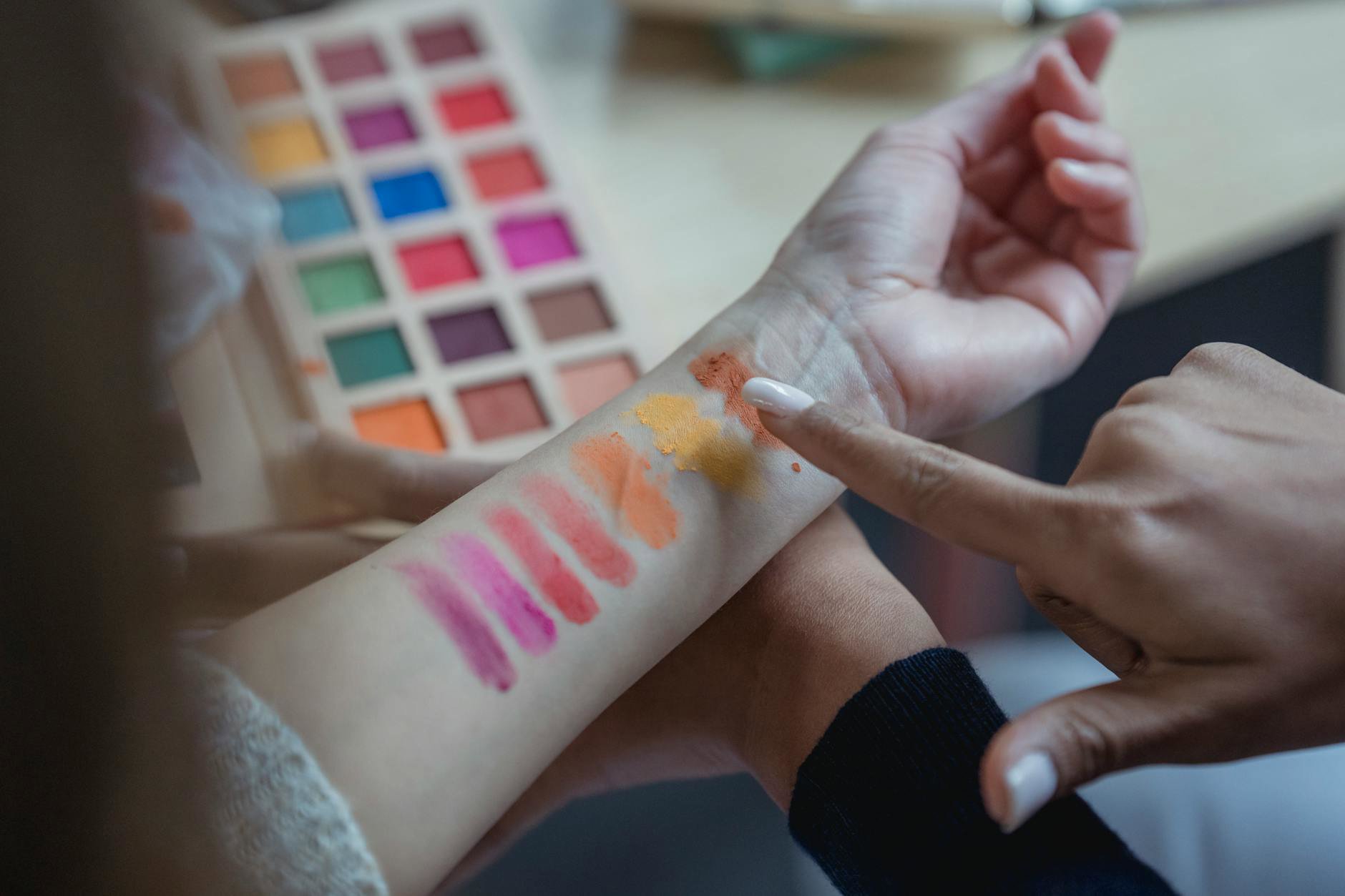
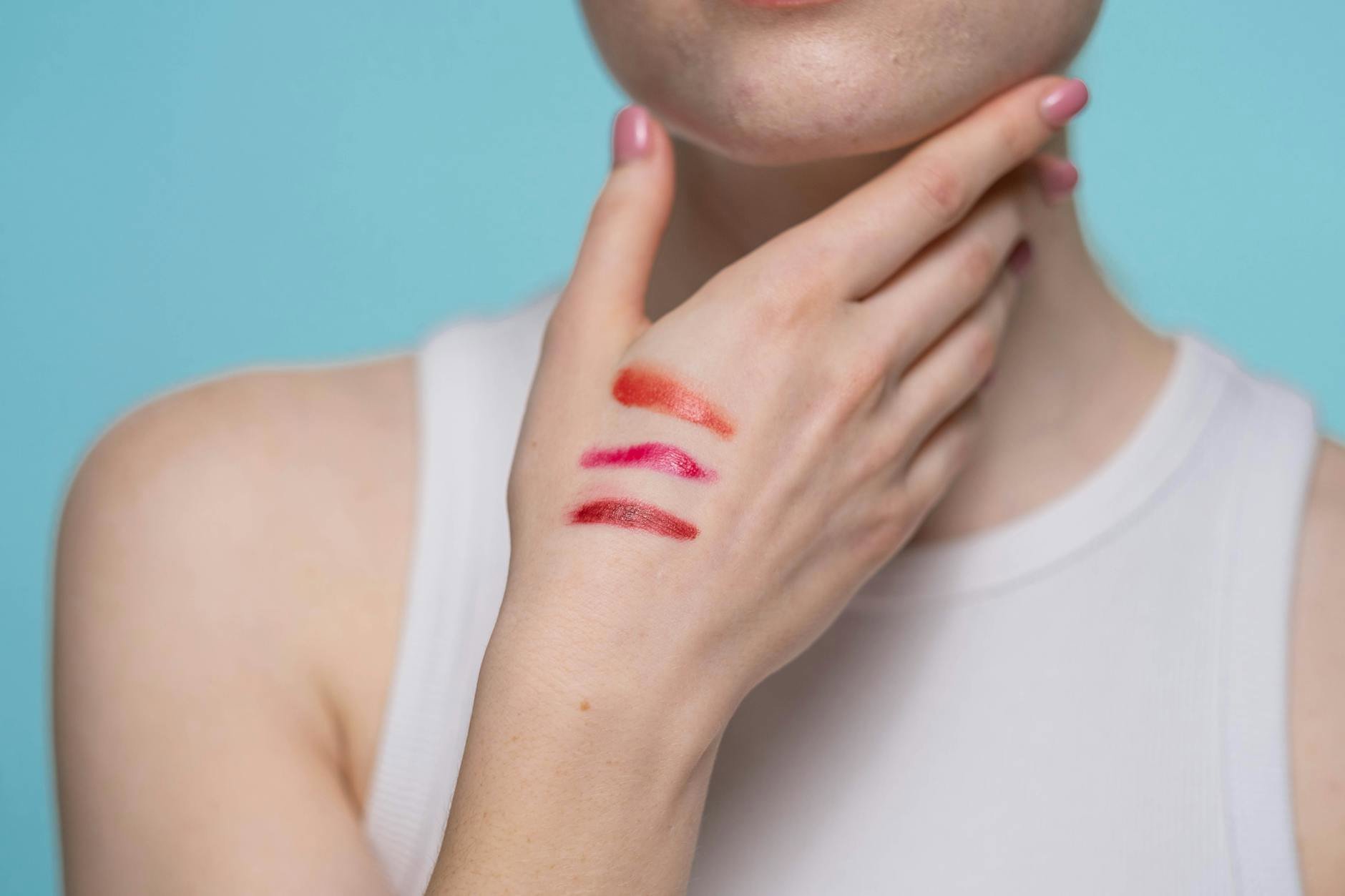
- Jawline check in daylight: swipe a tiny amount near the jaw and look by a window. A match should “disappear” into face and neck. If it turns grey, the undertone runs off. If it turns peachy, same issue.
- Oxidation check: wait 5–10 minutes. Some concealers deepen or warm slightly as they set. If the shade shifts, match to the set colour, not the fresh swatch.
- Under-eye cast check: apply a dot where darkness sits and blend. If the area looks brighter but also dull, you likely went too light or too cool.
- Redness neutralisation check: tap concealer over redness and step back. If the area looks yellowed rather than calm, the undertone runs too warm.
Shade ranges help when you sit between undertones. That’s where broad offerings like Fenty Beauty Pro Filt'R Instant Retouch Concealer (from €22.08) can reduce compromise because the brand offers 50 skin-matching shades.
If you want a more radiant finish while you fine-tune undertone, Glossier Stretch Balm Concealer For Dewy Buildable Coverage (from €31.00) sits in the “dewy, buildable” category. Dewy finishes can look more forgiving on minor undertone mismatch, but they won’t fix a wrong depth.
Do you need one concealer shade or two? A simple decision tree
Many people do best with two shades: one for under-eyes (brightening) and one for spots/redness (skin match). That sounds like extra spend, but it reduces waste. A single wrong “do-it-all” shade often ends up ignored.
Use this decision tree:
- If you mainly conceal under-eyes: buy one concealer, one shade lighter than skin, undertone matched. Start with a brightening-leaning formula like MAC Studio Radiance 24Hr Luminous Lift Concealer (from €24.15) or Nars Radiant Creamy Concealer (from €14.95).
- If you mainly spot conceal: buy one concealer that matches your skin exactly. A targeted option like Nars Soft Matte Complete Concealer (from €31.00) makes sense because it aims at dark spots and breakouts.
- If you do both regularly: buy two shades in the same concealer family if possible. It reduces texture differences on the face. A range with many shades helps, such as Fenty Beauty Pro Filt'R Instant Retouch Concealer (from €22.08).
- If you travel or top up on the go: minis can help you test shade direction without committing. Hourglass Vanish Airbrush Concealer (from €38.40) comes as a travel size and uses light-reflecting micro-spherical powders to blur and brighten for up to 16 hours, per the brand description.
Where to buy in Ireland depends on brand, but we regularly see these lines across major retailers like Boots Ireland, Brown Thomas and Arnotts, plus Irish-facing beauty e-tailers. The price tracking shows that cross-border shipping can look tempting, but returns and shade exchanges matter with concealer.
If you’re browsing by brand, our navigation pages can help you compare availability quickly: MAC, Charlotte Tilbury, and Lancôme sit among the most-searched in Ireland for complexion.
Ingredients and finish: how formula changes shade perception
Two concealers in the same shade depth can look different once applied. Formula changes how light hits the skin, and that changes perceived colour.
Radiant and light-reflecting finishes often make a shade appear slightly lighter on the face. That can help under-eyes, but it can also make a spot concealer look too bright. Hourglass Vanish Airbrush Concealer (from €38.40) uses light-reflecting micro-spherical powders, which can boost that effect.
Soft-matte finishes tend to show undertone errors more clearly because they don’t bounce light. That’s why exact matching matters with products like Nars Soft Matte Complete Concealer (from €31.00).
Skincare ingredients can also change how concealer sits, which affects shade. Hydration reduces the look of texture, so the shade reads smoother and more even. Examples from the product descriptions include:
- Hyaluronic acid: found in MAC Studio Radiance 24Hr Luminous Lift Concealer (from €24.15), Make Up For Ever HD Skin Concealer (from €24.15), and VIEVE Modern Radiance Concealer (from €33.00). Hydrated skin tends to show less “cakey” light patches.
- Niacinamide: listed in MAC Studio Radiance 24Hr Luminous Lift Concealer (from €24.15) and Make Up For Ever HD Skin Concealer (from €24.15). It often appears in formulas aimed at a smoother, more even look.
- Vitamin C: included in the MAC formula description. Brightening ingredients can pair well with under-eye brightening shades, but shade still does the heavy lifting.
If your under-eye area runs dry, a radiant, hydrating formula often lets you choose a slightly lighter shade without emphasising texture. If you chase a matte finish under dry eyes, you may “see” the shade more because the formula sits on top.
Common shade-matching mistakes (and the fast fixes)
Most concealer shade regret comes from a handful of repeat offenders. The good news: each one has a simple correction.
Mistake 1: testing on your hand
Hands run darker, redder, and more exposed than the face. Fix: test on the jawline and under-eye area, then check in daylight.
Mistake 2: choosing “brightening” for blemishes
A bright under-eye shade highlights spots. Fix: keep a second shade for blemishes that matches your skin. If you want a two-shade setup within one brand family, pick a range with many undertones, such as Fenty Beauty Pro Filt'R Instant Retouch Concealer (from €22.08).
Mistake 3: going too light under the eyes
Too light often turns grey in photos. Fix: go only one shade lighter, then use a thin layer. Build coverage where darkness sits, not across the whole under-eye.
Mistake 4: ignoring oxidation
Some formulas deepen after a few minutes. Fix: let the swatch set before deciding. If you can, wear it for an hour before committing.
Mistake 5: buying “neutral” by default
Neutral shades still vary. Fix: decide whether you lean warm, cool, or olive, then choose a neutral that leans that direction.
If you want to compare multiple brands quickly, use our makeup navigation to jump between ranges. For tools, you can browse Makeup Brushes & Applicators for application options, but shade choice should come first.
Practical steps: a 10-minute shade-picking routine you can use today
Do this once, write down the results, and your future self will thank you.
Step 1: decide your use case. Under-eyes only, spots only, or both. If it’s both, plan for two shades. If budget stays tight, start with under-eyes and pick a buildable formula like Nars Radiant Creamy Concealer (from €14.95).
Step 2: check undertone in daylight. Apply tiny swatches on the jawline in 2–3 close shades. Wait 10 minutes. Choose the one that disappears into both face and neck.
Step 3: pick your under-eye lift. Take that matched shade and go one shade lighter in the same undertone family. Test it under one eye only. If it brightens without turning grey, you’re there. If it looks dull, go less light or slightly warmer.
Step 4: stress-test in Irish lighting. Check near a window, then in indoor lighting. If you wear SPF daily (you should, even here), do the test over your usual base because SPF can change slip and reflect. You can browse SPF Protection Products separately, but keep it consistent during shade testing.
Step 5: choose finish based on area. Radiant works well for under-eyes, soft-matte often suits blemishes. If you buy one product for everything, pick a balanced option designed for multiple areas, such as Make Up For Ever HD Skin Concealer (from €24.15).
Sign-off: what are you trying to conceal most often?
If you tell us whether you’re mostly dealing with under-eye darkness, redness, or blemishes—and whether your skin leans warm, cool, neutral, or olive—we can point you toward the shade strategy that tends to work best with these liquid and cream concealers.
Which problem area do you reach for concealer for first?