Choosing the right face primer for your foundation comes down to one thing: compatibility. When the primer film and the foundation film “agree”, makeup sits smoothly, wears longer, and fades evenly. When they clash, you get the classics: pilling, patchiness, separation around the nose, and that heavy, cakey look by lunchtime.
We track face primer pricing across major retailers feeding the Irish market, and the pattern stays consistent: shoppers buy primers for a promised finish (glow, blur, grip), then blame their foundation when the base misbehaves. Most of the time, the fix sits in the pairing and the application method, not in buying a third foundation.
This guide breaks primers into five practical types—hydrating, mattifying, gripping, pore-filling, and illuminating—and shows how to pair each with common foundation formats and base chemistries.
Primer–foundation compatibility: what actually causes pilling and separation
Primer and foundation work like layered films. Each layer contains a mix of water, oils, and “film formers” that dry down into a flexible sheet. If the first layer never sets, or the second layer can’t anchor into it, your foundation slides, breaks, or rolls into little crumbs.
Pilling usually comes from friction plus incompatible textures. You rub or buff, the primer layer grips in one direction while the foundation drags in another, and the product balls up. Separation tends to show up when too much slip meets too much oil, or when a primer creates a smooth “non-stick” layer and the foundation can’t bind.
Ingredients matter, but you don’t need a chemistry degree. In primer descriptions, look for cues like gel, grippy-tacky, microspherical powders, light-scattering spheres, or silicone-free. Those words describe how the product behaves on skin—and how it will behave under foundation.
Two quick rules help most people in Ireland (where damp air can keep layers from setting):
- Let each layer set. Give primer 30–60 seconds before foundation.
- Match application method to the primer. Grippy gels prefer pressing; silky blurs tolerate buffing.
- Use less than you think. Too much primer often causes the “slip-and-slide” effect.
- Watch the T-zone. That’s where separation shows first, so test pairings there.
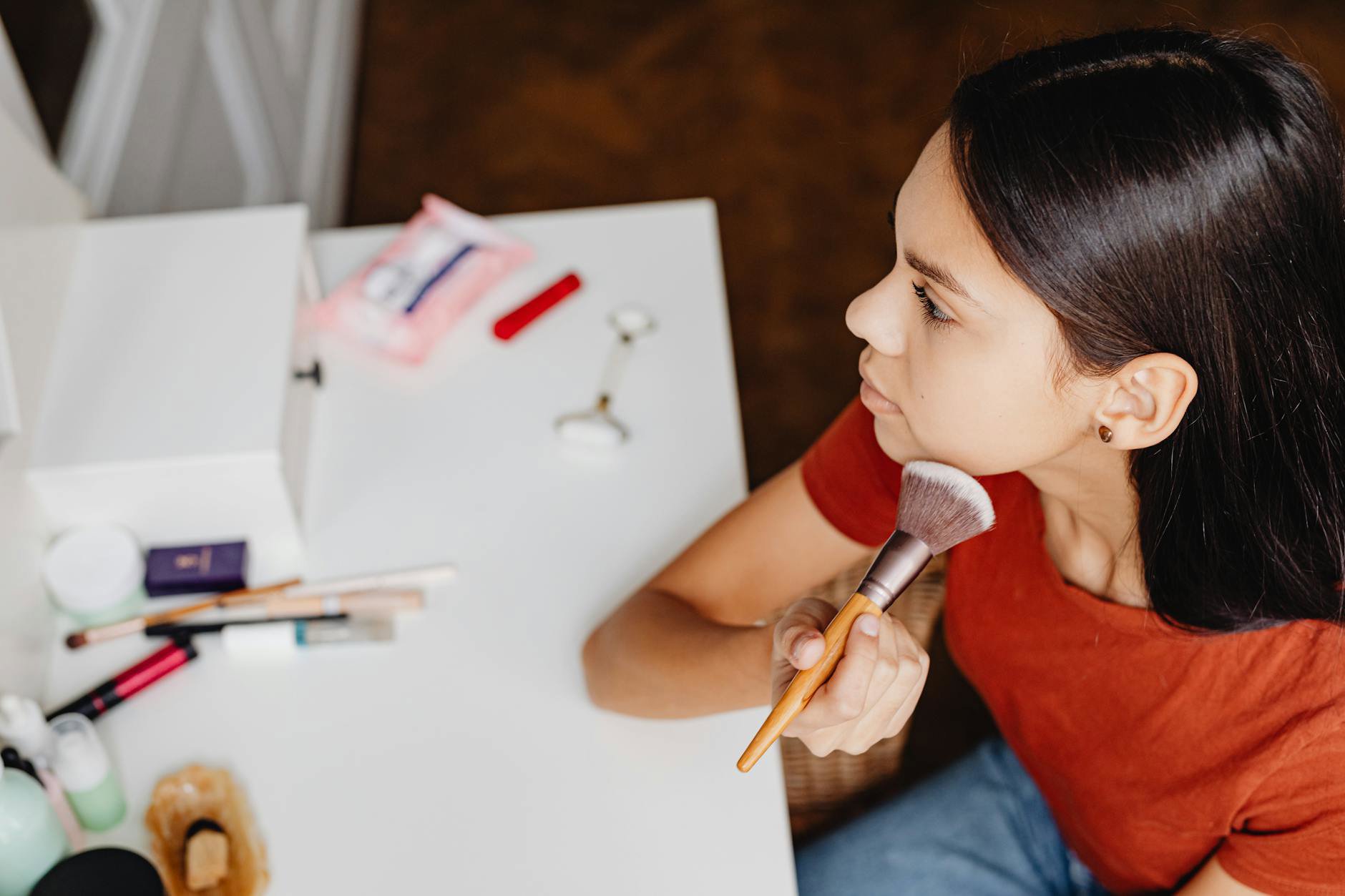
Hydrating primers: best for matte and powder foundations (and dry patches)
If your foundation clings to texture or turns chalky, a hydrating primer can act like a flexible cushion. The aim isn’t shine. It’s elasticity—so pigment moves with the skin rather than cracking on it.
Milk Makeup Hydro Grip Primer (from €16.56) suits this job well because it uses a silky gel texture that stays invisible while adding a natural, dewy finish and up to 12 hours of wear support. Hydrating gels pair especially well with foundations that dry down fast, because they slow that “grab” just enough to keep blending smooth.
For a softer, creamier prep step that still counts as a primer, Glossier Priming Moisturizer Lightweight Buildable Face Cream (from €33.00) targets a smooth, dewy canvas and reduces redness. This style often works under matte liquids and powder foundations when the goal is to stop dry patches from telegraphing through.
If you want hydration but also a more “makeup-like” smoothing feel, Rare Beauty Always An Optimist Pore Diffusing Primer (from €17.00) sits in the middle: a hydrating gel that extends wear and fights shine while blurring pores. That combination makes it a useful bridge primer for people who wear a luminous foundation but still break up around the nose.
Pairing tip: Hydrating primers tend to play nicest with matte liquids, soft-matte creams, and powder foundations. If you wear a very dewy liquid already, keep placement targeted—cheeks and around the mouth—then switch to a mattifying primer in the centre of the face.
Mattifying primers: for long wear under dewy liquids and creams
Mattifying primers do two jobs: they reduce surface shine and they create a base your foundation can cling to without sliding. In practice, that means fewer “split” areas on the sides of the nose and less breakdown on the chin.
Benefit The Porefessional Matte Smoothing And Blurring Face Primer (from €14.72) targets oily skin and offers a soft-focus base with pore refining for up to 12 hours, plus niacinamide in the formula. In day-to-day pairing terms, this kind of matte blur tends to sit well under luminous foundations that otherwise melt off in humid weather.
Fenty Beauty Grip Trip Mattifying + Blurring Primer (from €26.68) leans into the “grip plus matte” category. The description calls out a matte, grippy canvas designed to lock in makeup, with niacinamide to help reduce excess sheen. We like this style when your foundation looks great for two hours, then starts to travel.
Prefer a matte finish but hate that tight feeling? Laneige Smoothie Makeup Serum (from €17.71) takes a different route. It describes a silicone-free, featherlight hybrid texture, settling into a long-lasting matte finish, with ceramides called out as it sets. That “matte but not flat” approach can pair well with cream foundations that need smoothing without extra slip.
Pairing tip: Mattifying primers often pair best with dewy liquids and cream foundations. If your foundation already dries down matte, use mattifying primer only where you truly need it (usually the T-zone). Over-matting the whole face can make matte foundations look heavy.

Gripping primers: when your foundation slides, fades, or transfers
Gripping primers solve a specific problem: foundation that looks fine initially, then disappears or moves. They dry down with a slightly tacky feel, so foundation has something to “hold on to”.
Milk Makeup Hydro Grip Primer (from €16.56) fits here too, because it forms a layer that locks makeup in place for up to 12 hours. The key is application: spread a thin layer, then wait until it feels set before you go in with foundation. If you apply foundation while it still feels wet, you risk mixing the layers instead of stacking them.
Hourglass Vanish Airbrush Primer (from €22.08) describes a lightweight gel that forms a grippy-tacky base, with microspherical powders to help smooth uneven texture. That combination makes it a strong option when you want grip without a shiny finish, especially under medium-to-full coverage liquids.
How to stop grip primers from pilling:
- Use less than a pea-size for the whole face.
- Apply with fingertips and press, don’t rub.
- Wait 60 seconds in Ireland’s damp air.
- Switch foundation application from buffing to patting.
Grippy primers often pair best with foundations that set quickly (many long-wear liquids). With very emollient, oily foundations, grip can turn into drag. In that case, keep grip primer to the centre of the face and use a hydrating primer on the perimeter.
Pore-filling and blurring primers: smoothing texture without turning cakey
“Pore-filling” sounds like spackle, but the best blurring primers act more like soft focus. They sit in tiny dips and diffuse edges, so foundation doesn’t pool around pores or fine lines.
Benefit The Porefessional Primer (from €30.36) focuses on visibly smoothing the look of pores and fine lines and helps makeup apply more evenly. This type of primer usually suits medium-coverage liquids and creams that can emphasise texture if they grip too hard.
For a more matte, “filter finish” approach, Milk Makeup Pore Eclipse (from €20.70) positions itself as a lightweight, mattifying primer that blurs pores. We’d use this when pore visibility and midday shine show up together, and you want your foundation to keep its shape.
Rare Beauty Always An Optimist Pore Diffusing Primer (from €17.00) offers a gentler blur with hydration, which helps reduce the risk of cakiness. If your foundation already sits on the edge of “too matte”, a hydrating blur can smooth pores without turning the finish powdery.
Technique that matters: apply pore-blurring primer only where pores show (usually inner cheeks, nose, chin). If you spread it everywhere, you can accidentally make foundation slide on areas that never needed smoothing.
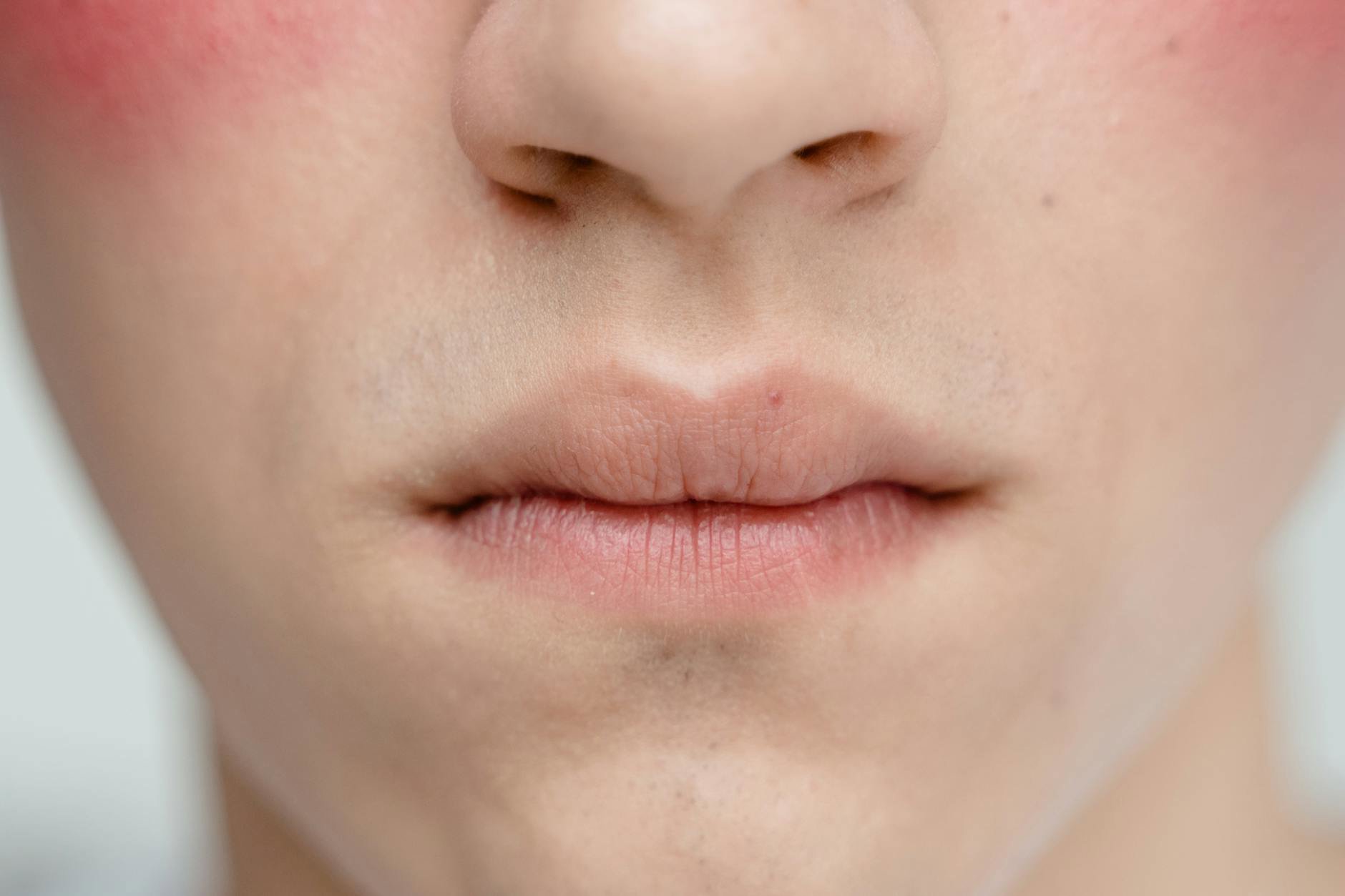
Illuminating and glow primers: when you want radiance that doesn’t break your base
Glow primers can make foundation look fresher, but they can also make it break down faster. The trick is choosing illumination that suits your foundation’s finish and your wear time goals.
Laura Mercier Pure Canvas Primer Illuminating (from €34.96) aims to enhance natural radiance and create a lit-from-within look, while locking in makeup for long-lasting wear. This kind of “polished glow” primer often pairs well with satin and natural-finish liquids, because it boosts radiance without forcing a greasy look.
Charlotte Tilbury Wonderglow Instant Soft-Focus Beauty Flash Primer (from €16.00) works three ways in its description: as a smooth base, alone to perk up tired-looking skin, or tapped on cheekbones like a subtle highlight. That versatility makes it useful when you want a glow effect but don’t want to change foundations.
Rodial Glass Primer (from €34.50) describes light-scattering technology with microscopic glow spheres to create a glass-skin effect. We’d pair this with lighter coverage liquids or skin tints, where radiance reads intentional rather than oily.
For a skincare-meets-makeup glow, Shiseido Revitalessence Skin Glow Primer (from €38.64) calls out up to 24 hours of luminosity and includes fermented kefir+ and niacinamide to blur pores and brighten. If you want glow but still worry about texture, this description signals a more balanced finish.
Pairing tip: If your foundation already looks dewy, treat glow primer like a highlighter base: apply on cheekbones and high points only. You keep the radiance, but you protect longevity in the T-zone.
Foundation format matching: liquid vs cream vs powder (with pairing examples)
Most people choose primer by skin type. Foundation format also matters. Liquids, creams, and powders each “sit” differently, so they need different prep.
Liquid foundation usually benefits from either grip (to boost wear) or blur (to smooth texture). If your liquid foundation separates, start with a thin layer of Hourglass Vanish Airbrush Primer (from €22.08) on the centre of the face, then use a tiny amount of Glossier Priming Moisturizer Lightweight Buildable Face Cream (from €33.00) on drier areas. Two primers can work, as long as you keep layers thin.
Cream foundation often needs shine control and a bit of structure, because creams can move. A pairing like Fenty Beauty Grip Trip Mattifying + Blurring Primer (from €26.68) in the T-zone, plus Charlotte Tilbury Wonderglow (from €16.00) on the cheeks, can keep the base anchored while still looking alive.
Powder foundation tends to grab dry patches and cling to peach fuzz. It usually pairs best with a hydrating or smoothing primer that doesn’t stay greasy. Milk Makeup Hydro Grip Primer (from €16.56) can work if you let it set fully, because it creates an even layer. If you want matte but smooth under powder, Laneige Smoothie Makeup Serum (from €17.71) offers a silicone-free, featherlight route to a balanced matte finish.
For anyone chasing a “skin glass” foundation look, Natasha Denona Hy-Gen Primer Serum (from €41.40) describes translucent luminosity and hydration for up to 72 hours, aiming for a glass-like, baby-skin effect. That makes it a logical match under sheer-to-medium liquids where glow reads as skin, not shimmer.
Readers also ask where to shop in Ireland. Availability shifts between Boots Ireland, Brown Thomas, Arnotts, McCauley Pharmacy, and Lookfantastic Ireland, and prices can vary by week. The price tracking often shows that premium primers fluctuate enough to justify comparing before checkout, especially in the €30–€40 band.
Practical application: a step-by-step routine that prevents cakiness
Even the best pairing fails if you apply too much, too fast, then buff aggressively. Most base issues come from that exact sequence.
Use this routine:
- Prep skin, then pause. If you use Day Face Moisturisers, wait until it feels absorbed before primer.
- Apply primer in thin zones. Blur/matte on the centre, hydrate/glow on the perimeter.
- Let primer set 30–60 seconds. Longer in damp weather.
- Press foundation on first. Patting reduces friction, which reduces pilling.
- Only then blend edges. Short, light strokes. No scrubbing.
Spot fixes for common problems: If you see pilling, stop and pat the area flat with clean fingers, then apply less foundation. If you see separation, you likely used too much slip (too much primer, or too much glow) in that zone. Next time, swap that area to a blurring or mattifying primer like Benefit The Porefessional Matte (from €14.72) or Milk Makeup Pore Eclipse (from €20.70).
Tools matter too, but we’d keep it simple: if you use tools, choose something from Makeup Brushes & Applicators that lets you press rather than buff. Buffing triggers pilling with grippy gels.
Finally, don’t skip SPF just because Ireland stays mild. If you wear SPF, let it set before primer, and keep layers thin. Thick stacks cause slippage. You can browse SPF Protection Products separately, but the same rule applies: absorption time prevents texture issues.
Quick cheat sheet: Grip primers for wear, blur primers for texture, matte primers for shine, glow primers for radiance, hydrating primers for comfort. Then match your foundation format and apply in zones.
If you want help narrowing it down, what foundation format do you wear most—liquid, cream, or powder—and what goes wrong first: shine, texture, or separation?
Related browsing: more brands readers often compare include Shiseido, Charlotte Tilbury, and Clinique, plus budget staples like NYX and KIKO (availability varies by retailer).