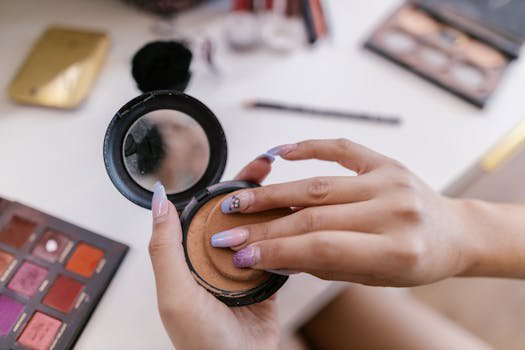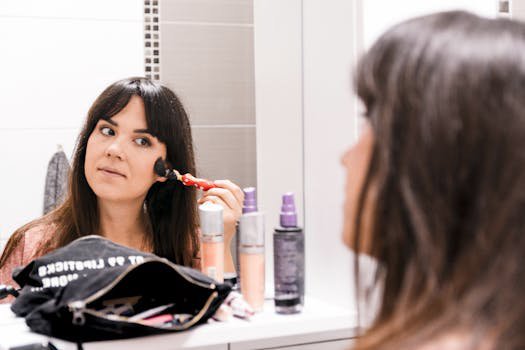
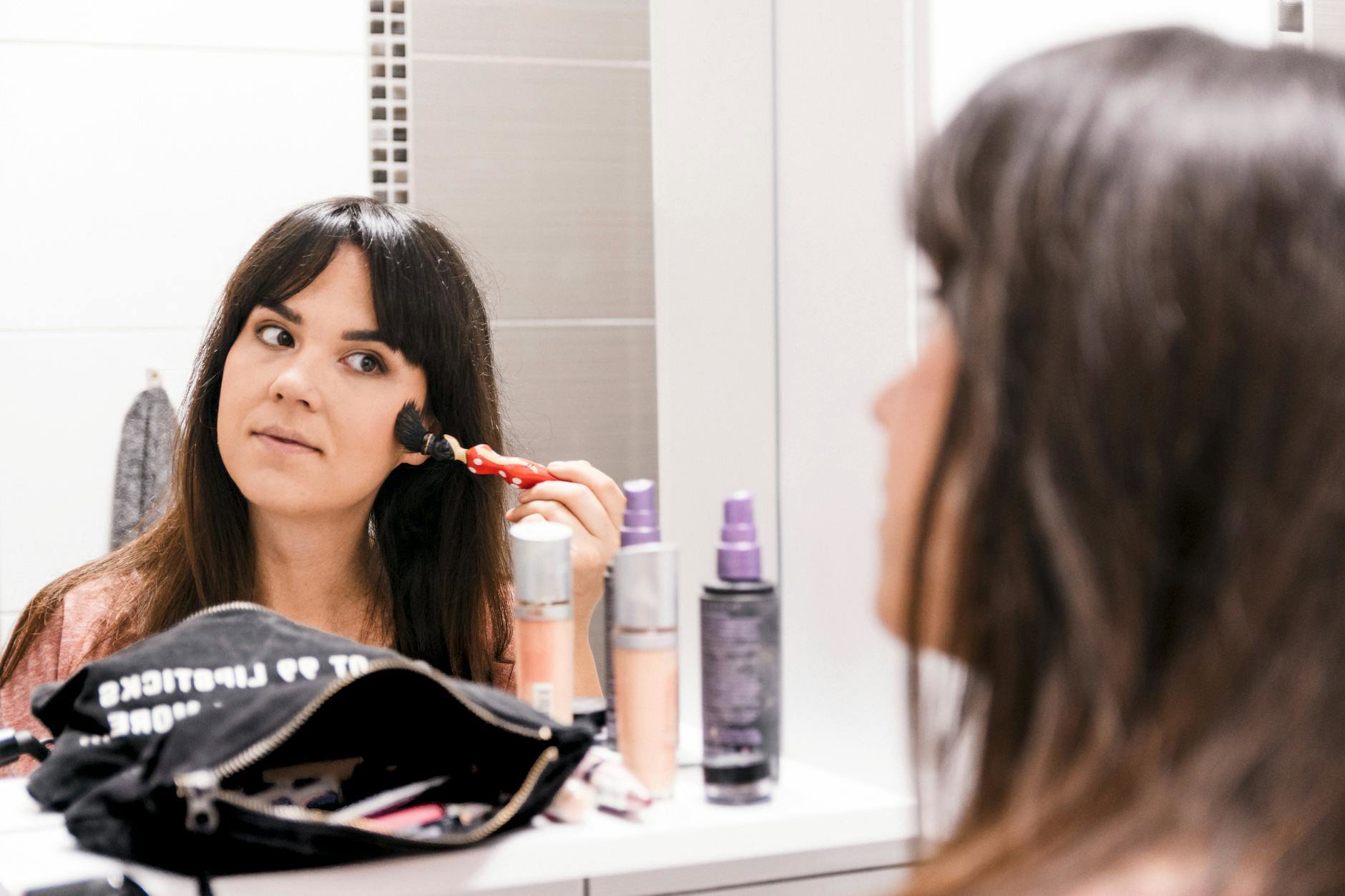
Our price tracker keeps a boring secret: hype rarely wins at checkout. Across 2025, the most-added-to-wishlist products on GlamGeek weren’t the buzziest serums. They were mascaras and day moisturisers that held up on wet commutes and long office days.
We also saw the viral pattern again and again. A trend spikes on Monday, stock vanishes by Wednesday, and a quieter retailer posts a better bundle that weekend. Women in Ireland don’t just chase a launch. They wait for proof and a decent promo.
That’s why we use a quick Hype Filter. It helps us sort big claims, TikTok noise, and “anti-ageing” promises in under a minute. Below, we share the exact checks we run, how we factor Ireland’s climate, and where the value often hides.
We’ve tracked Irish beauty pricing since 2010. Our feed covers Boots Ireland, Brown Thomas, Arnotts, Meaghers, McCauley, and Lookfantastic Ireland. That long view shows a cycle: brand RRPs inch up, but multi-buy deals, gift sets, and flash codes keep real prices flexible.
Since 2020, volatility increased. Freight shifts and supply squeezes nudged RRPs up. Retailers answered with sharper promotions, exclusive kits, and loyalty perks. Cross-border price gaps widened, then narrowed during key events. We see double-digit swings on hero SKUs within a single week, which makes timing matter as much as choice.
TikTok shortened the hype cycle. A lip oil can sell out in hours, then reappear in a value set the next day. Strong launches still break through, but steady performers win over a season. Wishlist activity and back-in-stock alerts tell the real story.
Ireland’s climate sets the brief. Damp air, low UV for much of the year, and central heating for long stretches. Skin craves barrier care and non-greasy SPF. Makeup needs grip without weight. Curls and fringes need humidity-smart hold. We tune our filter to that reality, not to desert-dry marketing fantasies.
{{IMAGE:Irish woman shopping for skincare in an Irish pharmacy}}The 60‑second hype filter we use in Ireland
We keep this short on purpose. Most hype falls at step two or three. If a product passes all seven, it earns a closer look and a place on the wishlist.
- Claim clarity: Can we restate the claim in plain language? “Smoother fine lines in eight weeks” makes sense. “Recode your beauty blueprint” dodges proof.
- Ingredient match: Does the INCI back the claim? Retinoids for lines. Azelaic or tranexamic for tone. Anything else for wrinkles needs strong data, not poetry.
- Dosage hints: Retail labels rarely show percentages, but position matters. Actives in the back third of INCI often sit low. That can still work for potent molecules, but we flag it.
- Delivery matters: Airless pumps beat jars for delicate actives. Opaque bottles protect vitamin C. Sunscreens need even glide, or you’ll under-apply.
- Mechanism vs texture: A glossy balm can feel lush and do nothing. A thin serum can do a lot. We check for proven actives and solid film-formers, not just silicone shine.
- Proof standard: In vitro tests start a story. Split-face or blinded human trials tell it. We scan brand pages and retailer copy for real study designs and time frames.
- Price reality: Hype loves full RRP. Real people buy on promo. Add it to your GlamGeek wishlist. We’ll ping you when it drops. Our comparison pulls in Boots, Brown Thomas, Arnotts, pharmacies, and Lookfantastic Ireland so you don’t have to refresh ten tabs.
One last pass: will you use it daily in Irish weather? If not, skip it. Compliance beats any fancy molecule you apply twice a month.
What “anti‑ageing” means in 2026: claims that hold up
The word still crowds labels. The evidence stays tight. Three pillars earn their keep: retinoids, broad‑spectrum SPF, and targeted pigment control. Everything else works around those anchors.
Retinoids: Retinol remains a strong over‑the‑counter choice. Retinal (retinaldehyde) gained ground thanks to faster conversion in skin and better texture options. Sensitive skin often accepts granactive retinoid (HPR), though study depth varies. Use these at night and phase them in. You don’t need a “pro” dose on week one.
SPF: Daily sunscreen prevents new lines better than any serum softens old ones. Look for the UVA circle logo on EU labels. It signals UVA protection at least a third of the SPF claim. Several premium formulas, including some from Shiseido, also share PPD or UVA metrics, which adds clarity. Choose a finish you enjoy, or compliance will fall apart by February.
Pigment and texture: Azelaic acid helps tone, redness, and mild breakouts. Tranexamic acid supports stubborn marks when you pair it with sunscreen. Vitamin C (L‑ascorbic acid) can brighten and support collagen, but it needs low pH, tight packaging, and a fresh stash. Niacinamide remains useful to calm oil and support barrier strength, though sky‑high percentages offer more irritation than results.
Peptides: We see bolder copy every year, but most peptide blends sit in support roles. Frame them as texture enhancers that might nudge firmness when you use them with retinoids and SPF. If a serum claims fast wrinkle reduction with only peptides, ask for the data chart. Then ask again.
For proven targets, check our Anti Ageing Face Serums category. Filter by rating and add your picks to the wishlist to catch the next promo window. Heritage lines from Estée Lauder, Lancôme, and Clinique often rotate gift‑with‑purchase offers that boost value without guessing on actives.
SPF for grey days: how to choose it, and actually wear it
Clouds don’t block UVA. Ireland gets low UVB much of the year, but UVA runs steady and deep. That means sunscreen still matters in October, not just July. The right texture turns duty into habit.
Start with format. Fluid lotions and gels suit humid commutes and combo skin. Creams help dry faces under office heating. The EU UVA circle logo confirms balanced protection. Some brands share PPD numbers as well. More data helps, but you can still win with the logo alone.
Filters set the feel. Modern filters like Uvinul A Plus and Tinosorb S sit in many EU formulas and avoid that chalky slip. If makeup pills on top, try a grip primer or a lighter SPF layer. Our team sees better compliance with sunscreens that sit under foundation without a fight. Check our SPF Protection Products page to compare textures and set alerts. We often see price differences between retailers, especially during multi‑buy events.
Reapply on long days. A cushiony gel or stick helps on the train without smearing mascara. Don’t mix sunscreens into foundation. That thins protection and gives you a patchy finish. Layer, let it set, then base.
One more Irish‑specific tip: carry a small tube. We see strong adherence when a commuter bag holds a 30–50 ml option alongside lip balm and travel hand cream. You’ll actually use it.
TikTok trends we rate, and the ones we’d skip
Short videos move fast, but skin still behaves like skin. Some trends fit the climate and our data. Others drain budgets while they chase views.
Worth the effort:
- Skin cycling: Rotating actives with buffer nights suits sensitive or barrier‑compromised skin. Retinoids land better when you aren’t inflamed.
- Slugging (selectively): Occlusive balm on cheekbones or around the nose helps in heating season. Full‑face slugging can trigger breakouts. Spot treat.
- Underpainting: Sheer contour and blush under base gives a filtered glow that lasts in humidity. Pair with a light base from our Liquid Foundations category and a solid grip primer.
- Mascara cocktails: Layering a tubing formula with a fibre lengthener can boost hold in drizzle. Our Mascaras page shows top‑rated combos by finish and removal ease.
We’d skip:
- DIY sunscreen hacks: They under‑protect and defeat makeup payoff. Use tested SPF, then set with powder or spray.
- SPF cocktailing: Mixing formulas can dilute filters and ball up under base. Apply one, let it set, then makeup.
- Pore vacuums on active routines: They can bruise or inflame. Use salicylic acid and a warm cloth instead.
Trends come and go. Your skin needs steady inputs: cleanse, moisturise, protect, and target with evidence. Viral tools can help, but only when they support those basics.
Ingredients that deserve the hype in 2026
Some lab heroes earned their spot this year. Others sound fancy and do little in a bottle. Here’s the quick read before you spend.
Retinal (retinaldehyde): It converts to retinoic acid one step faster than retinol. Many women report smoother texture with similar tolerance to mid‑strength retinol. Look for encapsulation or a light‑proof pump. Start two or three nights a week.
Azelaic acid: A steady worker for redness, texture, and uneven tone. It plays well with most routines. Expect a slow, even gain rather than a shocking before‑and‑after.
Tranexamic acid: It helps dark marks and uneven tone when you use it with SPF. Most over‑the‑counter serums sit at modest percentages. That still works with time and sunscreen.
Ectoin: We saw a jump in ectoin claims tied to barrier support. Early human data looks promising for hydration and calm. Frame it as a supportive moisturiser step rather than a line‑filler.
Peptides, selected: Signal peptides may support firmness over months. Copper peptides help some routines, but they can clash with vitamin C preferences. Read your routine, then add, not the other way round.
Polynucleotides: Clinics push them via injectables. Cosmetic creams use them for hydration stories, but topical proof for firming remains thin. Don’t expect a lift from a jar.
If you want to test one new ingredient, pick based on your main concern, not the loudest ad. Narrow to one serum at a time and hold for eight to twelve weeks. Our Day Face Serums category lets you sort by concern and rating, then set a price alert for your shortlist.
{{IMAGE:flatlay of women’s SPF, serums, and lipstick on a marble table}}Spend vs save in Ireland: where the value hides
Budget and luxury both win, but in different lanes. Our feed shows premium value in long‑wear textures and elegant SPF. Drugstore often wins on cleansers and colour fun.
Save here:
- Cleansers: You rinse them off. Buy gentle and boring. Keep a balm for makeup days and a gel for mornings. Spend the savings on sunscreen.
- Trend shades: Lip oils, gloss toppers, and pastel liners change every season. Choose value picks from brands like Revolution and keep three shades in play rather than one luxury impulse.
- Shower and body: Fragrant gels and easy body creams deliver joy, not clinical change. High street ranges beat boutique price tags for the same foam.
Spend or step up here:
- SPF you’ll wear daily: Finish and feel drive compliance. If a premium formula from Shiseido or a pharmacy favourite keeps you reaching for it, that’s value.
- Complexion anchors: Foundations and primers sit on your face for ten hours. A better shade match and finer pigments can save you from cakey touch‑ups. Compare across our Liquid Foundations listings and add your shade to the wishlist so you catch a rare markdown.
- Mascara tech: Tubing and hybrid polymers cost more to formulate but can stop smudge in drizzle. Drugstore wins often, but we still see loyal fans of L’Oréal and premium lines from Lancôme trading places during promos. Check our Mascaras page and watch the offers.
Hair sits in the middle. Premium masks from Kérastase give instant slip with less weight, which helps in wet weather. But you can still get soft lengths from a balanced pharmacy duo. Spend if your hair drinks conditioner and you hate residue. Save if your ends behave with basic care.
For fragrance‑style shower joy, high‑street classics like The Body Shop keep prices friendly and scents fresh. Buy on multi‑buy and you’re golden.
Where to buy, when to wait: Irish retailer patterns
Boots Ireland rotates multi‑buy and points events across makeup and skincare. Pharmacies run brand‑weeks with extra samples. Brown Thomas and Arnotts anchor premium counters and build strong gift‑with‑purchase edits during peak months. Lookfantastic Ireland leans on codes and bundles.
We track those pulses. We often see the same hero product move through different promos in one month. A stand‑alone markdown at one store, then a stacked code and gift at another. That’s why we push wishlists. Add the product on GlamGeek, switch on alerts, and you’ll get the ping when it drops or when a better bundle lands.
Cross‑border looks tempting when you scroll UK posts. Factor shipping, VAT handling, and returns. Some UK sites show lower base prices, then lose the edge after fees. Sometimes they still win. The only reliable tactic: check our comparison before you buy. If you can wait two weeks, you usually catch a stronger deal.
One more tactic: consider sets. Skincare and makeup kits pack value when they pair full‑sizes with minis you will use. We see strong redemption rates on seasonal edits, especially in premium ranges. If the hero sits in your routine already, a set beats a solo top‑up.
How we check claims: three fast case studies
We run the same steps each time a product floods our feed. Here’s how the filter looks in action.
1) “Plumping peptide” serum: The claim promises fewer lines in two weeks. We scan the INCI and find acetyl hexapeptide‑8 and palmitoyl tripeptide‑1. Good start. They sit mid‑list behind humectants, which suggests a modest dose. We look for split‑face or blinded trials in humans with time frames and numbers. If the brand shows only cell studies and a glossy bar chart, we file it as a texture hydrator. Verdict: buy on promo, pair with retinoid and SPF, and expect smoother feel rather than fast line shifts.
2) “Tubing mascara” that doesn’t smudge: The copy promises tube tech without warm water removal. We check for polymers like polyvinyl alcohol or acrylates copolymers that form films around the lash. We also look for fibres that can flake. If the list leans on waxes without tubing polymers, we expect smudge in drizzle. Verdict: pass, or test only if your routine already wins with a strong primer and you want more volume. Use our Mascaras page to spot proven tubing favourites and track offers.
3) “Glazed lip oil” that treats lips: The finish looks lush. The claim promises repair. We scan for hydrogenated polyisobutene or diisostearyl malate as the gloss base. That’s normal. Treatment claims need occlusives and real oils high on the list, like castor or jojoba, and barrier helpers like ceramides. If flavour and glitter crowd the top, we tag it as a fun topper, not a treatment. Verdict: buy at value prices. Save the spendy ticket for SPF or a base you wear daily.
These checks don’t take long. They cut through ad language and set the right bar. You don’t need a biochemistry degree. You just need a process and a wishlist.
What this means for your 2026 routine
Shop with a filter, not with fear. Use one proven active for your main goal, a sunscreen you enjoy, and textures that fit Irish weather. Trends can help when they support those anchors. Most won’t.
- Pick a pillar: retinoid, azelaic, vitamin C, or tranexamic. Start one, then hold for eight to twelve weeks.
- Wear SPF daily. Choose a finish you like. Check the UVA circle. Set a reapply habit you can keep.
- Spend where payoff lasts ten hours: base, SPF, mascara tech you trust.
- Save on cleansers and trend shades. Fun counts. You don’t need luxury for a pink gloss you’ll wear twice a week.
- Use GlamGeek to do the boring bits. Compare prices, read reviews, and set wishlist alerts. We track Boots, Brown Thomas, Arnotts, pharmacies, and Lookfantastic Ireland so you catch real value, not only loud launches.
If you want a one‑line rule, use this: buy textures you will use every day in Irish weather. Everything else is optional.
What trend do you want us to sanity‑check next? Tag the product, add it to your GlamGeek wishlist, and we’ll watch the price and the proof together.