
Two clicks. One trending moisturiser. A mystery courier. That’s the modern beauty shop. Our data shows Irish shoppers now split baskets across chemists, department stores, and marketplaces. The deals look tempting. The risk of counterfeits rises with them.
We shop with a filter in 2026. Who sold it, where it shipped from, and whether the batch code checks out now matter as much as the shade name. And yet you don’t need a lab to buy safely. You need a plan.
Here’s ours. Built from price tracking since 2010, cross‑checking what moves in Ireland, and the patterns we see when viral products peak and fakes follow. It’s blunt, practical, and designed for damp Irish weather and brighter screens.
Context: Ireland’s beauty buy now runs on trust, stock, and timing
Since 2010, GlamGeek has tracked Irish pricing across Boots, Brown Thomas, Arnotts, McCauley Pharmacy, Meaghers Pharmacy, and Lookfantastic Ireland. Promotions ebb and flow by season. Launches land in the UK first more often than not. Ireland catches up by weeks or months. That lag fuels grey imports and the fakes that ride alongside them.
Viral perfume discovery now happens online first. A creator posts. Searches spike the same day. We see wishlists fill, then stockouts spread. The gap between a sell‑out and a proper restock creates a honeytrap for counterfeits. Marketplace sellers push too‑good prices and fast shipping from unknown warehouses. Some bottles smell fine. Many do not.
Irish climate adds another layer. It’s mild and humid, with little sun. SPF still matters. Fragrance lasts longer on hydrated skin. Packaging suffers in damp air. Real products handle those basics well. Fakes fall apart fast. Labels lift. Pumps clog. Batch codes vanish under cheap ink.
We buy with those patterns in mind. We keep receipts. We put price alerts on. And we stick to authorised tables when the internet feels like a market stall.
{{IMAGE:Irish woman shopping beauty in Dublin store}}Where we actually buy in 2026: the safe shortlist (and why)
Authorised Irish retailers still anchor a safe basket. Boots Ireland, Brown Thomas, Arnotts, McCauley, Meaghers, and Lookfantastic Ireland stock core brands and handle returns cleanly. If you want Charlotte Tilbury, Estée Lauder, Lancôme or MAC, these channels keep you inside brand agreements. That protects your money and your skin.
We still rate brand sites for limited shades or early drops. Think Clinique gifts with purchase, a new Shiseido skincare set, or an exclusive Guerlain bottle. Shipping to Ireland often costs more. Returns can feel slower. But the chain of custody stays clear and the batch code checks out.
UK retailers sometimes run lower base prices or broader colour ranges. Post‑Brexit maths matters. You may pay VAT, duties, and admin fees on arrival. Some sites now collect Irish taxes at checkout. Many do not. If a UK price looks cheaper, calculate all-in landed cost and compare against Irish stock. Our product pages track multiple Irish merchants, so you can sanity‑check the local price before you click away.
We set a quick rule. If the seller cannot show a VAT invoice, a clear returns address, and an Irish‑friendly warranty, we pass. And we lean on GlamGeek price comparison to see who actually has it in stock and at what price that day. Add favourites to your wishlist and we’ll ping you when a price drops.
Viral perfumes without the regret: how we buy scent safely
Viral fragrance trends travel fast. Counterfeiters copy faster. We keep a short perfume checklist and stick to it, whether we chase a classic eau de parfum or a new media darling. Start with the seller. A product page should list brand authorisation, not just “fulfilled by” logistics. If that line looks vague, we close the tab.
Next, we validate packaging cues. Legit EU perfume boxes carry a full ingredient list, an address for the responsible person within the EEA, and a batch or lot code that prints cleanly. Test the batch code with a reputable checker, or ask the brand to confirm it if you feel doubt. Many counterfeits copy older batch formats and get the year wrong. The bottle can look good until you line it up against a real one under bright light.
We also look at price patterns across our feed. If most Irish retailers cluster around a narrow range and one seller sits far below, that’s a red flag. It could be grey import, short-dated stock, or a fake. Perfume oil itself tells the truth over a day. Fakes flare and fade fast, or dry down into sharp synthetics that feel harsh on damp Irish skin.
Buy sizes that fit your risk profile. Start small if the seller is new to you. Mini sets and discovery kits give you a safer way in. See our curated Eau de Parfum Perfumes and Eau de Toilette Perfumes to compare what major Irish stockists actually carry today. Add picks to your wishlist to get notified when authorised retailers restock or run a promotion.
K‑beauty and J‑beauty in Ireland: what we buy here, and what we import
K‑beauty remains a discovery hunt in Ireland. Some Irish pharmacies now carry a few names. Lookfantastic Ireland lists more. The full buzz still lives on international sites. That gap tempts grey market orders. We keep a simple boundary: we buy from EU‑based warehouses when we can. They obey EU cosmetic rules and keep shipping times predictable.
We trust established Japanese lines through local counters and Irish‑friendly sites. Shiseido anchors J‑beauty here, with proper customer care and returns handled in-region. For trend-led K‑beauty, we look for EU distribution partners who show a responsible person address on the product box. No address, no buy. We also check the PAO symbol, expiry date if present, and bilingual labelling. Many fakes skip these basics or translate poorly.
Irish weather shapes what works. Humidity favours light layers. We reach for hydrating toners, water gels, and daily SPF. Shop by category, not by hype. You’ll find broad options under Face Toners, Day Face Moisturisers, and SPF Protection Products. Compare Irish stock and check price per ml. For vitamin C, pick stable forms if you’re importing. Ascorbyl glucoside and 3‑O‑ethyl ascorbic acid travel better than L‑ascorbic acid in heat and transit.
One last import tip. If a UK or US launch hasn’t reached Ireland, wait a few weeks unless you know the seller and the route. Fakes rush in during that window. Use GlamGeek wishlists on the relevant category pages and we’ll flag when authorised Irish stock arrives.
Spotting counterfeits: a five‑point check before you pay
We never treat packaging as decoration. It’s data. A quick line‑by‑line check blocks most fakes before they land on your skin. Here’s the routine we follow, whether we buy a mascara or a moisturiser.
- Regulatory line: Look for an EU/EEA responsible person name and address. No address, no purchase.
- Batch or lot code: Crisp print, not smudged. Codes sit on box and bottle. They should match. If they don’t, walk away.
- Ingredients: EU INCI names spelt correctly. Typos scream counterfeit. So do inch‑long “fragrance” claims that hide poor quality perfume oils.
- UVA circle on SPF: Real EU sunscreens use a UVA symbol next to the SPF number. No symbol, no trust.
- Seller footprint: Can you see a VAT number, returns policy, phone number, and office address? Fakes hide behind contact forms.
We also compare weights and fills. Real 30 ml serums don’t slosh around like 25 ml in a 30 ml bottle. Pumps should prime smoothly. Brushes on Mascaras and doe‑foot applicators on Liquid & Cream Concealers feel precise, not gritty. If you shop for colour, compare shade names with the brand’s own list. Counterfeits often miss a few or invent extras.
Safety comes next. Don’t patch test a suspected fake. Return it. Ask the seller for a prepaid label and a written explanation. If they stall, run a chargeback with your bank. Send photos of the product, batch codes, and packaging differences. Your bank cares about evidence. So do brands.
Keep a record of everything you buy. Screenshot product pages, prices, and delivery promises. If something goes wrong later, you’ll have a clean trail for customer service or your card provider.
{{IMAGE:Irish woman checking batch code on beauty box}}Marketplaces in 2026: how we buy there without getting burned
Marketplaces can work. They also host counterfeits and grey imports. We treat them like digital flea markets and shop with strict rules. First, we check who actually sells the item. “Sold by X, fulfilled by Y” can hide third‑party stock behind a big brand’s warehouse. We prefer listings sold and shipped by the marketplace’s own retail arm when that retailer has brand authorisation in Ireland.
Next, we scan the seller’s catalogue. A genuine beauty seller carries coherent ranges. A fake peddler lists perfume next to phone chargers. We open a few product pages and look at Q&A threads. If they sidestep questions about origin, batch codes, or returns, we pass.
We read recent reviews and filter for Irish buyers if possible. Photographs from real customers help. You’ll spot off‑colour bottle caps or misaligned labels within seconds. But we don’t rely on five‑star averages. Ratings get gamed. We look for detail, proof, and a steady history of service.
Finally, we ask for a VAT invoice before delivery if the seller sits outside the EU. If they refuse, we don’t proceed. For any high‑value item, we open the parcel on camera. We keep the unboxing video until the return window closes. This takes 30 seconds and saves hours later if the product turns out wrong.
Smart price tactics that stay legit
Great prices exist at authorised counters. You just need timing. We see predictable dips around bank holidays, mid‑season events, and brand anniversaries. Gift‑with‑purchase can beat a straight discount when you need refills. A bonus cleanser or mini mascara brings real value when it replaces something you would have bought anyway.
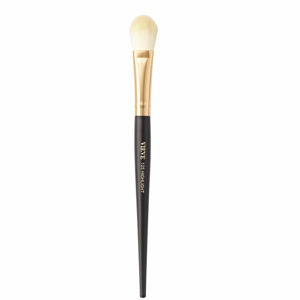
Bundles and sets deliver the best per‑ml maths. Check Skin Care Sets, seasonal makeup edits, and haircare duos for value. If you want a specific tool, buy quality once. Our Makeup Brushes & Applicators page shows options across price tiers from pro to purse‑friendly, including Morphe and KIKO.
We compare price per ml on serums and moisturisers. Flip the bottle, do the maths, then look at the ingredient panel. You’ll find smart buys under Anti Ageing Face Serums and Anti Ageing Face Creams from names like Garnier, L'Oréal, and Clarins. Pay for actives and proven textures, not for a bottle that lights up your shelf.
One more tip for makeup. Shop shade expansions when they land. Retailers often run launch promotions to encourage trial. Compare across our Liquid Foundations, Face Primers, Eye Shadow Palettes, and Lipsticks pages. Add your favourites to a wishlist and we’ll notify you when authorised Irish retailers drop prices or bring back sold‑out shades.
Labels, ingredients, and SPF you can trust
We shop the label with a clear head. Ingredient lists tell you what’s real and what’s theatre. For vitamin C, stabilised derivatives hold up better in transit and in steamy bathrooms. For retinoids, look for clearly named forms and sensible packaging. Opaque, airless pumps beat clear glass jars for anything that reacts with air or light.
SPF needs extra scrutiny in Ireland. We lack sun for months, yet UVA still ages skin. Real EU sunscreens show the SPF number and a UVA circle. Broad spectrum claims should match that symbol and a credible brand site. If a listing hides filters behind vague slogans, we scroll on. Compare authorised sunscreens under SPF Protection Products and buy from retailers who can handle a return if a batch feels off.
Fragrance claims demand caution too. Inspiration and clone lines crowd social feeds. Some deliver nice daytime scents. Many mask poor quality with heavy top notes. If you want heritage scent with proper support, stick to authorised counters from houses like Guerlain or departments that stock them. If you want a trend note, try brand‑run discovery sets first. Shop sets on our perfume category pages and use wishlists for price drops.
We roll our eyes at vague “clean” or “non‑toxic” tags. EU law already bans unsafe ingredients. Focus on your skin goals. Hydration for a damp climate. Barrier support in winter wind. Pigment precision for colour products. You’ll find honest staples across The Body Shop, Revolution, and heritage houses like Estée Lauder and Lancôme. Choose claims you can verify and packaging that protects actives.
Counterfeit traps we skip every time
Some patterns never pay off. We pass on sellers who watermark product photos with stock images instead of real shots. We avoid boxes with spellings that shift between photos. We ignore bulk discounts for luxury fragrance from unnamed warehouses. None of these end well.
We also skip oddball assortments. A page that sells a cult moisturiser, a discount designer scent, and a bag of batteries has one goal: cashflow. Not skincare. Real beauty retailers live in beauty most of the time. They carry tools, sponges, and lash glue next to makeup. You’ll see that coherence on trusted listings for False Lashes, Lip Glosses, and Foam & Wash Cleansers.
We treat deep discounts on just‑launched products as suspect. If a new foundation shade drops and one marketplace seller lists it far below Irish RRP on day two, that’s likely bait. We wait for authorised channel promos or free samples at counters. Our price tracker flags when multiple Irish retailers move together. That pattern signals a real promotion, not a lone seller dumping questionable stock.
Finally, we resist FOMO. No product disappears forever. Sold‑out today often means replenishment next week. Use GlamGeek wishlists and alerts. You’ll catch the next authorised restock without rolling dice on a too‑fast deal.
Returns, recycling, and the paper trail that protects you
Keep your proof as carefully as you keep your moisturiser. Save digital invoices and delivery notes. Photograph batch codes before you bin the box. If the product underperforms or looks off, you’ll have what you need to return it within policy windows.
If you hit a wall with a seller, escalate fast. Contact your card provider with a clear timeline, photos, and any brand emails that question authenticity. Most banks support chargebacks for counterfeit goods. Don’t ship fakes back without tracking. Keep the tracking number until the refund clears.
Recycling matters too. Real brands invest in packaging you can sort. Check local rules for plastics and cardboard. Many counters run take‑back programmes or give perks for empties. That benefit stretches value and keeps your shelf tidy. It also reduces the appeal of knock‑off sets stuffed with unusable minis.
For hair and body, buy big once you trust the product. One litre shampoos or body washes from known lines like Kérastase or ESPA lower cost per use and reduce waste. Explore our Moisturising & Nourishing Shampoos and Shower Gels & Body Washes to compare authorised Irish stock before you commit to a big bottle.
What this means for your next basket
Build your basket around authorised sellers, verifiable labels, and prices that track with the wider market. That habit filters out most counterfeits before they reach your door. It also gives you access to proper returns and support if a batch doesn’t suit you.
Use tools that cut noise. Check our price comparison for any product you plan to buy. If a UK site looks cheaper, calculate the full landed cost and compare. Add your shortlisted picks to a GlamGeek wishlist and let price alerts do the waiting. You’ll spend less time chasing codes and more time getting products you’ll actually finish.
Our 2026 shopping checklist for Irish beauty
Print it, save it, or stick it to your notes app. This keeps us honest when a viral launch tempts the cart.
- Seller authorised in Ireland or EU? Yes or no. Guessing doesn’t count.
- Clear returns policy and VAT invoice? If not, close the tab.
- EU label present: responsible person address, batch code, INCI list, PAO.
- For SPF: UVA circle on pack. Brand site lists filters.
- Price matches Irish range on GlamGeek? If not, ask why.
- Start small for new sellers: minis, discovery sets, or travel sizes.
- Keep receipts and box photos until the return window closes.
- Use GlamGeek wishlists for alerts instead of panic‑buying grey stock.
That’s it. No lab coat required. Just a rhythm that protects your wallet and your skin.
We’d love to hear where you’re finding the best authorised deals in Ireland right now. Which retailers feel most reliable for you, and what have you added to your GlamGeek wishlist for an alert?