Our price tracker shows a steady rise in niacinamide and retinol serums across Irish retailers. Boots Ireland runs frequent skincare promotions. Lookfantastic Ireland rotates discount codes. Brown Thomas and Arnotts stock prestige retinoids that sell out during gifting events. Interest keeps building, yet confusion lingers.
Here’s the truth. Neither ingredient replaces the other. Retinol chases wrinkles. Niacinamide steadies pores, tone and barrier. Most routines benefit from both, but timing and texture matter. The Irish climate matters too.
Why these two ingredients dominate anti‑ageing talk
Retinol has decades of research behind it. Dermatologists have used vitamin A derivatives to reduce wrinkles and roughness since the 1980s. Cosmetic retinol is gentler than prescription retinoic acid, but it still encourages smoother, firmer skin over time. Expect it to work on lines, texture and sun damage. Expect some dryness at the start.
Niacinamide is vitamin B3. Skincare formulators leaned into it over the last ten years because it strengthens the skin barrier, calms redness and refines the look of pores. It suits sensitive skin and oily skin. It pairs well with most actives, including retinol. That flexibility makes it a staple in many serums and moisturisers.
In Ireland, damp air and long months of cloud change the calculus. Skin loses fewer lipids in summer than in dry heat, yet wind and indoor heating bite in winter. UVA still penetrates cloud, so SPF stays non‑negotiable with retinoids. Retail access also shapes routines here. Boots Ireland covers high street launches. Brown Thomas and Arnotts lean luxury. McCauley and Meaghers serve solid derm brands. Lookfantastic Ireland mixes both and ships fast. Stock and promotions swing weekly, which our tracker logs in detail.
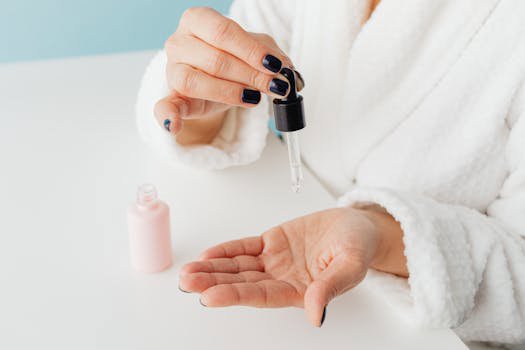
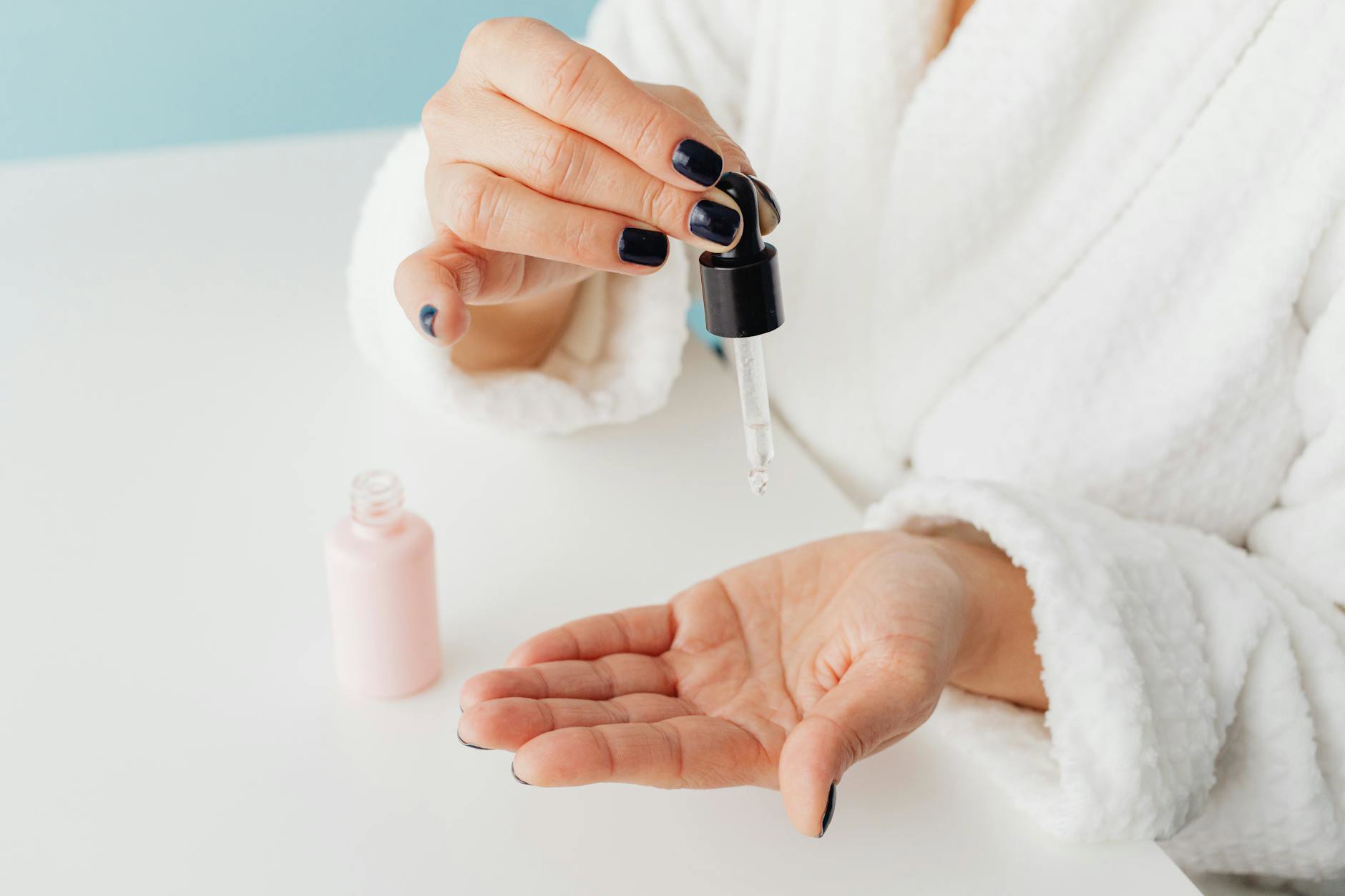
{{IMAGE:woman applying serum close-up niacinamide retinol}}Niacinamide: what it actually does
Niacinamide supports the skin’s barrier by helping produce ceramides and natural moisturising factors. That boost improves water retention and resilience. It also tempers sebum activity, which softens the look of enlarged pores and reduces midday shine. Formulators use it to address uneven tone because it slows the transfer of pigment to surface cells. That makes it a steady worker for post‑blemish marks and dullness.
For fine lines, niacinamide helps indirectly. A stronger barrier reduces micro‑inflammation. Better hydration plumps skin slightly, so fine creases look less sharp. It won’t remodel deeper wrinkles like retinol, but it raises the baseline. Many Irish users like it for redness and sensitivity in winter. It plays well with hyaluronic acid, peptides and sunscreen.
Concentration matters. Most people do well at 2–5%. Many serums market 10%. That higher level can work if your barrier sits in good shape. Pushing to 20% often adds irritation without extra payoff. Watch for tingling or unusual tightness. If that shows up, step down in strength or switch to a cream that lists niacinamide mid‑INCI rather than at the top.
Looking to start with a sensible option? Check our Anti Ageing Face Serums page for filters that surface niacinamide serums at different price points. Add a few to your wishlist and we’ll ping you when the price moves.
Retinol: what it actually does
Retinol speeds cell turnover and signals for more collagen production. That dual action smooths roughness and softens lines. It also fades uneven pigment with consistent use. Unlike niacinamide, retinol can annoy the skin at first. Skin may flake. It may sting on damp days or after a hot shower. That reaction often settles after a few weeks when you build tolerance step by step.
Strength and format define your experience. Low strengths sit around 0.1–0.3%. They suit beginners or sensitive skin. Mid strengths around 0.3–0.5% tackle early wrinkles. Higher strengths, up to 1%, suit those who already tolerate retinoids. Some brands use retinal (retinaldehyde), which converts to retinoic acid more efficiently than retinol, so it often feels stronger gram for gram. Cream formats cushion the punch. Water‑light serums hit faster but may sting more on a raw barrier.
Use retinol at night. Space it out at first. Try twice weekly, then every other night, then most nights if your skin stays calm. Avoid the immediate eye contour unless the formula says it suits that area. Always follow with moisturiser. Always use sunscreen in the morning. UVA hits Irish skin year round and makes retinoid progress stall if you skip SPF.
Plenty of Irish counters and sites stock credible formulas. You’ll find high‑street retinol options under L'Oréal and Garnier. Department stores and specialists carry prestige options from Estée Lauder, Clinique and Shiseido. Prices move a lot across retailers; check GlamGeek’s comparison before you commit.
Wrinkles, pores, texture: which wins where?
Wrinkles and firmness: retinol takes the lead. It works on the architecture of skin by nudging collagen and elastin support. You need months, not days, but the change runs deeper than a hydration boost. Niacinamide supports this by keeping the barrier calm so you can tolerate retinoids more often. Many brands pair both in complete routines for that reason.
Pores and shine: niacinamide wins. It won’t shrink the physical pore structure, but it will reduce the appearance of stretching by moderating oil flow and smoothing texture. That effect often shows within weeks. Retinol helps here too, but it feels like a long play. If enlarged pores top your list, start with daily niacinamide and add retinol later.
Texture and pigment: both help, in different ways. Retinol removes dull surface cells faster and encourages even replacement. That lifts rough patches and softens post‑acne marks. Niacinamide slows the transfer of pigment and calms redness, which often matters just as much in Irish complexions that flush easily. Use niacinamide in the morning for tone, retinol at night for turnover. Keep sunscreen daily or you chase your tail.
If you shop by brand family, you’ll see clear patterns. L'Oréal and Garnier push accessible retinol serums. Clinique and Estée Lauder focus on multi‑pathway anti‑ageing, often pairing retinoids with peptides and hydrators. Shiseido often leans on encapsulation and clever textures that cushion the skin in winter.
Can you use niacinamide and retinol together?
Yes. In fact, the pair makes sense. Niacinamide fortifies the barrier and tempers redness. That support often lets you use retinol more consistently. Consistency drives results with vitamin A.
Layering rules stay simple. Cleanse. Apply niacinamide if your serum feels water‑light. Wait a minute. Apply retinol. Follow with a moisturiser that contains ceramides or squalane. If you prefer to buffer, apply moisturiser first, then retinol on top. That softens the hit while you build tolerance. Drop exfoliating acids on retinol nights, especially in winter. Save AHAs or BHAs for alternate evenings.
You may see old rumours that niacinamide cancels out retinol. Lab data that sparked this worry used extreme heat and low pH. Bathroom shelves in Ireland don’t match those conditions. Modern formulas sit buffered and stable. You can apply both in one routine. You can also split them by time: niacinamide in the morning, retinol at night.
Want to track what works without guesswork? Add your current serum to your GlamGeek wishlist. We’ll alert you when your chosen formulas drop in price so you can repurchase on schedule.
Seasonal strategy for Irish weather
Our climate stays mild, windy and damp. Homes run warm in winter. Many women report surprise dryness in January rather than July. Retinol hates a fragile barrier, so plan your schedule around the season.
Winter: reduce retinol frequency for a few weeks if flaking spikes. Keep niacinamide in the morning under a richer moisturiser. Look for creams with ceramides, cholesterol and fatty acids. Seal it with a hydrating SPF. That stack protects against wind and indoor heat.
Spring and summer: humidity climbs. You may shift to lighter textures. Keep niacinamide daily if oily T‑zones rule your makeup day. Retinol can move back to every other night once your skin feels calm. Do not skip sunscreen. Clouds don’t block UVA. Our data shows retailers push more SPF sets from April through August. That tells you how brands see Irish demand.
Redness‑prone skin: niacinamide shines here. Use it twice daily if needed. Retinol still helps texture and lines, but go slow. Patch test on the jawline first. Stick to cream retinoids and avoid applying on damp skin. Dry the face for ten minutes after cleansing, then apply.
Choosing the right strength and texture
Start with what your skin tolerates today, not what trend posts push. That rule saves time and money.
Niacinamide: choose 2–5% for daily wear. Step to 10% only if you want a stronger oil‑modulating effect and your skin stays calm. Sensitive types often do better with niacinamide inside a moisturiser rather than a standalone serum.
Retinol: beginners do well at 0.1–0.3% two or three nights weekly. Step to 0.3–0.5% after six to eight weeks if your skin feels settled and you want more wrinkle focus. Stay at that level if you like the balance. Higher strengths only suit trained skin and diligent SPF users. Retinal often feels like a level up, so treat it with the same respect.
Texture: oily or combination skin often prefers thin serums or gel‑creams. Dry or mature skin often prefers cream formulas with occlusives. Encapsulated retinoids release slowly and often sting less. That format suits winter in Ireland. If the eye area shows lines first, pick an eye cream that lists a low retinoid level and cushiony emollients. Avoid undiluted face retinol around the orbital bone unless a brand labels it safe for eyes.
{{IMAGE:retinol night routine woman bathroom shelf}}Shopping smart in Ireland: where to buy and when to wait
Boots Ireland often runs multi‑buy or points events on skincare. Brown Thomas and Arnotts push curated edits and gift sets. McCauley and Meaghers carry pharmacy staples and trend launches. Lookfantastic Ireland offers frequent codes and ships nationwide. International launches sometimes hit the UK first, then filter into Irish stock weeks later. We flag those gaps in our feed so you can decide whether to wait or order from abroad.
Don’t rush at full price if your current bottle lasts. Prices swing between retailers. Our tracker sees regular discount cycles on both retinol and niacinamide lines. Add your picks to a GlamGeek wishlist. We’ll nudge you when the price moves. If you need refills fast, check bundle value. You’ll often find niacinamide plus moisturiser duos or retinol plus eye cream kits under Skin Care Sets. Those sets can undercut the cost of buying single items.
Prefer specific houses? Skim our brand pages for real user scores and historical pricing. You can compare retinol launches and bestsellers across L'Oréal, Garnier, Estée Lauder, Clinique and Shiseido in one place. One glance shows who runs value bundles, who sticks to the RRP, and who discounts during big events.
Build the rest of your routine around them
Cleanser: keep it gentle. A foaming wash that rinses clean works, but skip harsh scrubs. If your skin falls tight after cleansing, switch to a milder formula. Our category for Foam & Wash Cleansers lets you filter for sensitive options.
Morning: apply niacinamide after cleansing. Follow with a moisturiser that suits your skin type. Finish with sunscreen. Choose high protection even on grey days. If makeup sits on top, test your base. Some sunscreens pill under certain foundations. A hydrating base pairs better with retinol nights. You can browse hydrating long‑wear options under Liquid Foundations if you want lasting coverage without cling.
Evening: cleanse. Let skin dry. Apply retinol in a thin layer. Follow with moisturiser. If your skin complains, apply moisturiser first, then retinol. Keep exfoliating acids on alternate nights. Avoid stacking vitamin C and retinol in the same routine if you chase comfort. Most women see better tolerance when they split them morning and night.
Sunscreen: treat it as part of the retinol routine. The best retinoid plan fails without SPF. Shop formulas you enjoy using every day. We track a wide range under SPF Protection Products so you can find textures that suit Irish weather.
Makeup compatibility: retinoids can leave micro‑flaking that grips onto matte bases. On those nights, switch to a dewy foundation or add a thin, hydrating primer before makeup. If you need staying power for events, test the combo ahead of time. Many women in Ireland prefer a soft‑glow finish on retinol days because it flatters texture and avoids caking.
Brand shortlists by concern
Budget start for pores and oil: consider niacinamide‑first serums from mass brands. You’ll find them widely in Irish pharmacies and supermarkets. Pair with a simple moisturiser and a reliable SPF. Step up to retinol once pores look calmer and you want more line focus.
Wrinkles and texture with a cushioned feel: look for retinol in a cream base. Houses like Clinique and Estée Lauder often add peptides and hyaluronic acid for comfort. That design suits winter and drier skin types. It also suits retinoid beginners who fear flaking.
Advanced vitamin A: when you already tolerate retinol, browse encapsulated high‑strength options and retinal formats from science‑led lines. You’ll find them at counters in Brown Thomas and online at Lookfantastic Ireland. Shop carefully and stick to sunscreen daily. Weigh strength against comfort if you wear makeup most days.
Minimalist routine: niacinamide serum, barrier cream, sunscreen. That trio suits many Irish women who prefer a simple stack that works in wind and rain. Add retinol two or three nights a week when you want more help with lines or marks. That mix keeps things simple and effective.
Common mistakes to avoid
Starting too strong: jumping straight to high‑dose niacinamide or 1% retinol often backfires. Redness and peeling send you back to square one. Keep your ego out of the bottle. Build slowly.
Skipping SPF: clouds don’t protect you. UVA hits year round. If you invest in retinol but skip sunscreen, you waste money and time. Make SPF the final step every morning.
Mixing too many actives: glycolic, salicylic, vitamin C, retinol, niacinamide, peptides, acids again. That pile overwhelms many barriers. Simplify. Alternate strong actives by day and night or by days of the week.
Applying to wet skin: retinol penetrates faster on damp skin and can sting. Pat dry fully. If you feel tender, buffer with moisturiser either side of your retinol step.
Ignoring the neck: take what remains on your fingertips down your neck and across the chest if tolerated. Those areas show age early in Ireland because scarves rub and wind bites. Go slower there and use sunscreen generously.
What this means for your routine and your wallet
If wrinkles top your list, retinol deserves a place in your night routine. If pores, redness or oil come first, start with niacinamide and build comfort. Many women benefit from both: niacinamide every morning, retinol most nights. That pairing covers barrier, tone and structure. It also makes sense in our climate, which demands SPF and favours gentle hydration.
Take a strategic approach to shopping. Use GlamGeek’s comparison before you buy. Irish prices move weekly across Boots, Brown Thomas, Arnotts, McCauley, Meaghers and Lookfantastic Ireland. Add your shortlists to your wishlist and we’ll alert you when the numbers shift. Check brand pages for user scores and long‑term price trends on L'Oréal, Garnier, Clinique, Estée Lauder and Shiseido. Then buy when value peaks, not just when an influencer posts.
Build a routine you can keep all year. Keep niacinamide steady to support the barrier. Keep retinol consistent, but flexible with seasons. Keep SPF daily. That rhythm delivers more than any product switch ever will.
Over to you
Which concern tops your list right now: lines, pores or texture? Tell us what you want your serum to fix first, and we’ll suggest a niacinamide, a retinol, or a pairing that fits your budget. Add your picks to a GlamGeek wishlist and we’ll message you when prices drop at your favourite Irish retailers.