Yes, eye creams expire.
Some go “off” slowly (less effective, more irritating). Others turn quickly (separated texture, odd smell, stinging). Either way, the eye area tends to react first because the skin feels thinner and more sensitised.
Below, we break down typical unopened vs opened shelf life, how to read PAO and expiry labels, how to store eye creams in Irish homes (damp, mild, heated rooms), and the clear signs it’s time to toss.
Unopened vs opened: how long do eye creams usually last?
Most eye creams follow two clocks: the unopened shelf life (while sealed) and the opened shelf life (once air, light, and fingers get involved).
Unopened, many eye creams last roughly 2–3 years from manufacture. Brands often print an expiry date, a batch code, or both. That “long” timeline assumes a stable formula and sensible storage, not a radiator shelf.
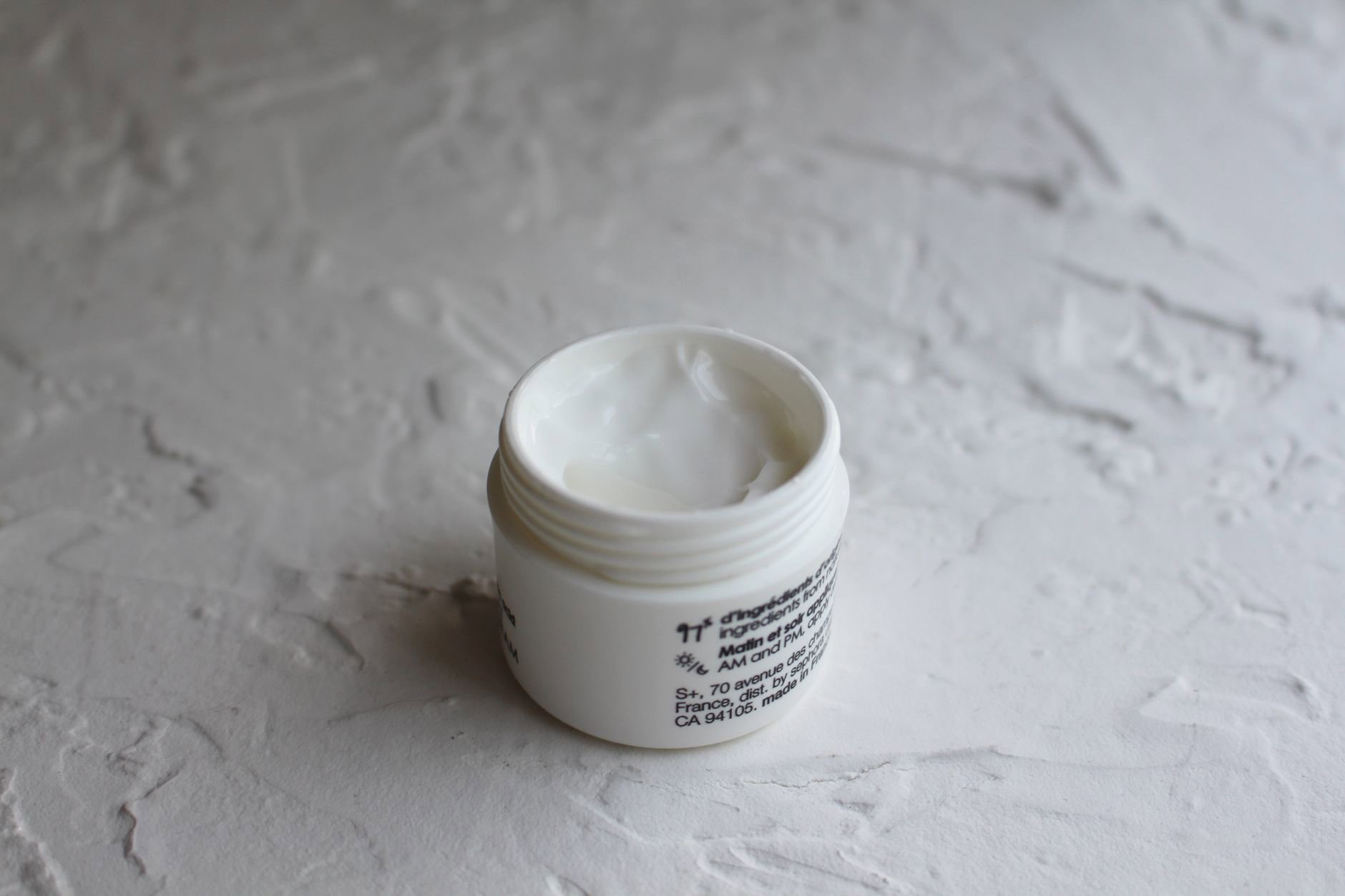
Opened, the more useful rule comes from the PAO symbol (the open jar icon). You’ll see “6M”, “12M”, or “24M”, which means use within that many months after opening. Eye products often sit at the shorter end because irritation risk matters more near the eyes.
Packaging changes the maths.
- Airless pumps usually protect formula better than open jars.
- Jars invite air and repeated contact, even with clean hands.
- Doe-foot or wand packaging (common in brightening “eye” hybrids) cycles product between skin and tube more than a pump does.
- Actives like retinoids and some peptides can lose performance faster once opened.
From our price tracker perspective, eye creams also tend to get used slowly. People dab tiny amounts, then keep the tube for ages. That behaviour makes the PAO more than a suggestion.
If you want a practical rule: write the open date on the box with a marker. It sounds basic. It works.
How to read expiry dates, PAO symbols, and batch codes
On an eye cream carton or tube, you typically find one of three date cues. Each means something different.
1) “EXP” or an explicit expiry date (for example, a month/year stamp). This sets a hard endpoint. You should treat it as non-negotiable, especially for anything used close to the eyes.
2) The PAO symbol (open jar with “6M/12M/24M”). This tells you how long the product should remain stable after opening. If you opened it last winter and it says 6M, assume it’s done even if it still “looks fine”.
3) A batch code (letters and numbers). This helps brands track production. Some shoppers use online batch lookups, but results can vary. If you cannot confirm the date, fall back on purchase date plus PAO.
One more detail that trips people up: “Best before” vs “use by” language. “Best before” often means quality may decline. “Use by” signals safety risk. Eye-area products sit closer to the second category in practice, because irritation can flare quickly.
Where should you look? Common spots include:
- Crimped end of a tube
- Base of a jar
- Bottom label on an outer box
- Back panel near the ingredients list
If you shop across retailers like Boots Ireland, Brown Thomas, Arnotts, McCauley Pharmacy, or Lookfantastic Ireland, keep the outer box for a week or two. Many brands place the clearest markings there.
The chemistry bit: why eye creams go bad (and which formulas spoil faster)
Eye creams “expire” for two main reasons: microbial growth and formula breakdown. Those sound technical, but the outcomes feel very everyday: a change in smell, separation, or new stinging.
Microbial risk rises when you introduce contamination. Fingers, damp bathrooms, and double-dipping matter. Preservatives slow growth, but they do not freeze time. Once a product reaches its preservative limit, irritation risk climbs.
Formula breakdown often comes from oxygen, heat, and light. Oils can oxidise. Emulsions can split. Some actives degrade. That can mean a product still feels “fine” but performs worse, or it becomes sensitising.
Some eye creams deserve extra caution because of how people use them and what they contain:
- Retinoid-led eye treatments: these can degrade with heat and light, and they can irritate when unstable. In our list, Murad Retinal Resculpt Eye Treatment (from €17.25) falls into the “active treatment” camp based on its name. We stick to the basics here: store it carefully and respect the PAO.
- “Instant effect” tighteners: formulas designed to temporarily tighten can misbehave when they dry out at the opening. Peter Thomas Roth Instant Firmx Eye Temporary Eye Tightener (from €25.30) claims fast-acting, temporary results with long-term benefits. That kind of product usually demands a clean nozzle and tight cap discipline.
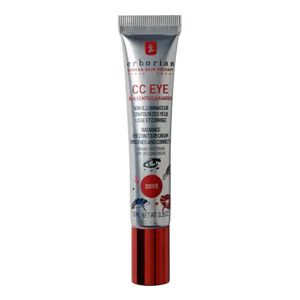
- Hybrid skincare-makeup eye products: these get applied closer to lashes and get exposed to more back-and-forth contact. Erborian Cc Eye A La Centella Asiática (from €31.05) describes itself as a hybrid that combines skincare nourishment with makeup-like coverage.
- SPF eye brighteners: filters can destabilise with heat, and performance relies on formula integrity. RMS beauty Refresh Eye Brightener Spf 30 (from €54.05) includes SPF 30 and aims to illuminate and smooth while protecting the eye area.
Hydration-heavy formulas can still spoil, too. Mario Badescu Hyaluronic Eye Cream (from €20.30) focuses on locking in moisture with a lightweight, whipped consistency. If that “whipped” feel turns watery or grainy, treat it as a warning.
Storage in real Irish homes: what helps (and what shortens shelf life)
Eye creams don’t need drama. They need stability.
In Ireland, the bigger issue often comes from indoor heating cycles and bathroom humidity. A product stored beside a hot shower today and a chilly windowsill tomorrow ages faster than one kept in a steady place.
We suggest three simple storage rules:
- Keep it cool and dry: a bedroom drawer beats a steamy bathroom ledge.
- Avoid direct sun: even if the sun feels scarce most of the year, UV still reaches windows and can destabilise formulas over time. For eye products that include SPF claims, check out the broader category for context: SPF Protection Products.
- Close the cap immediately: oxygen exposure drives oxidation and drying around the opening.
Should you refrigerate eye cream? Sometimes.
Chilling can make a formula feel soothing and may help keep texture stable. But repeated warm-to-cold swings can also stress emulsions. If you refrigerate, keep it consistent and avoid storing it in the door where temperatures bounce.
One more practical point: store jars upside down only if the lid seals perfectly. Otherwise, you risk leaks and more air exchange. With premium options like Natura Bissé Diamond Extreme Eye Cream (from €105.80) or Rodial Bee Venom Eye (from €166.75), you also want to protect the investment.

Signs an eye cream has gone bad (and what each sign usually means)
Eye creams don’t always show obvious mould or colour change. Often, the “sign” shows up on your skin first.
Use this checklist. If you see any one of these, stop using the product around the eyes.
1) Texture changes
Look for separation (oil sitting on top), clumping, graininess, or an unexpected watery feel. With hydrating textures like Mario Badescu Hyaluronic Eye Cream (from €20.30), a shift away from its described lightweight whipped consistency counts as a real red flag.
2) Smell changes
Rancid, sour, or “crayon” smells can signal oxidised oils. Even a subtle shift matters near the eye area. If you notice a new odour, don’t try to power through.
3) Colour changes
Some natural colour variation can happen with time, but sudden yellowing, darkening, or patchiness often points to breakdown. Treat visible change as evidence, not a mystery.
4) Stinging, watering, or new irritation
This is the one people ignore. Don’t. If your eyes water every time you apply, your skin may react to an unstable formula, contamination, or simply an expired product.
Be extra strict with high-activity products. Peter Thomas Roth Instant Firmx Eye Temporary Eye Tightener (from €25.30) aims for near-instant temporary results. If that “tightening” sensation turns into burning, you should stop.
5) Product dries out around the opening
Crusting at the cap can mean air exposure, product evaporation, and higher contamination risk. Wipe the nozzle clean with tissue, but don’t keep a product that repeatedly crusts and smells off.
When in doubt, toss. The cost of a new eye cream beats a week of irritated lids.
What to do with opened products: when to keep, when to toss (with examples)
People want a hard number. We get it.
But the most reliable decision combines three things: PAO timeline, sensory checks (smell/texture/colour), and skin feedback (stinging, redness, watery eyes). Here’s how we would apply that logic using products in our tracked set.
If you want a “safe bet” everyday eye cream
Kiehls Creamy Eye Treatment with Avocado (from €33.90) positions itself as ultra-nourishing and designed to help with puffiness, bags, and fatigue. With richer textures, monitor for any change in smell and any separation in the jar or tube.
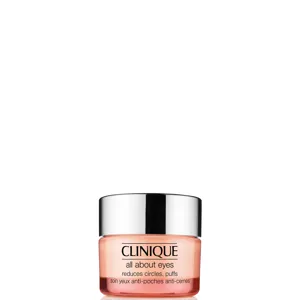
Clinique All About Eyes Eye Cream (from €40.25) sits in the same everyday category by name. If your main goal stays comfort and hydration, there’s no upside to stretching it beyond its PAO.
If you use a brightening tint or colour-correcting “eye cream”
These behave more like daily makeup in how they get handled.
- Milk Makeup Sunshine Under Eye Tint And Brighten (from €33.00) describes itself as a concealer with light coverage that helps minimise the look of dark circles.
- Erborian Cc Eye A La Centella Asiática (from €31.05) explicitly calls itself a skincare-makeup hybrid designed to brighten and smooth.
With these, we’d follow PAO tightly and keep the applicator area clean. If you apply over watery eyes or after eye drops, you introduce extra moisture into the product. Moisture speeds trouble.
If you choose premium eye creams
The price does not extend shelf life. It only raises the stakes.
Natura Bissé Diamond Extreme Eye Cream (from €105.80) markets itself as a rich, ultra-hydrating anti-ageing treatment that supports skin’s defence mechanisms and helps protect from environmental aggressors. That positioning fits buyers who keep an eye cream for months. Even so, you should still track opening date and store it away from heat.
Kate Somerville Kateceuticals Lifting Eye Cream (from €104.36) targets tired, dull eyes and common concerns. If you only use it occasionally, consider whether a smaller, simpler routine would keep products fresher overall.
If you want “overnight” positioning
Estée Lauder Advanced Night Repair Eye Supercharged Gel-Creme (from €23.00) describes overnight smoothing and visible reduction of dark circles. Gel-creams can dry at the opening. Keep threads clean, lid tight, and don’t store it where it bakes.
If you want to browse by brand while you compare prices, see Estée Lauder and Clinique hubs on GlamGeek for navigation.
Practical tips you can use today (without overcomplicating your routine)
Step 1: Find the PAO now. Pick up your eye cream and look for the open jar icon. If you cannot find it, check the outer box. If you threw the box away, use a conservative timeline and prioritise safety.
Step 2: Date it. Write “Opened: DD/MM” on the box or on a small sticker on the tube. People remember for a week. Then it’s gone.
Step 3: Do a 10-second sensory check once a week. A quick sniff and a quick look for separation prevents months of low-grade irritation. If you use a “tightening” product like Peter Thomas Roth Instant Firmx Eye Temporary Eye Tightener, check the nozzle for crusting before every use.
Step 4: Keep application hygienic. Wash hands, use a clean fingertip, and avoid touching the tube opening to skin. If you use hybrid tint products like Milk Makeup Sunshine Under Eye Tint And Brighten or Erborian Cc Eye A La Centella Asiática, don’t apply directly onto lashes or the waterline. Keep it to the orbital area.
Step 5: Store smarter. If your eye cream lives beside your toothpaste in the bathroom, move it to a drawer. Keep other categories organised separately (for example, Anti Ageing Face Serums or Day Face Moisturisers). Less clutter means less lost product and fewer half-expired tubes.
And if you want one simple “bin it” rule: any new stinging or watering equals stop. You can troubleshoot the rest later.
Which eye cream are you trying to finish right now, and how long has it been open? If you share the product name and your best guess at the opening date, we’ll help you decide whether it’s still within a sensible window.