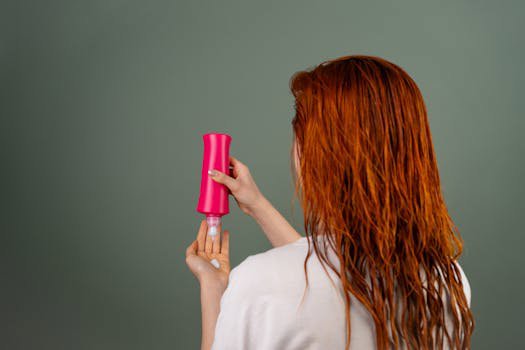
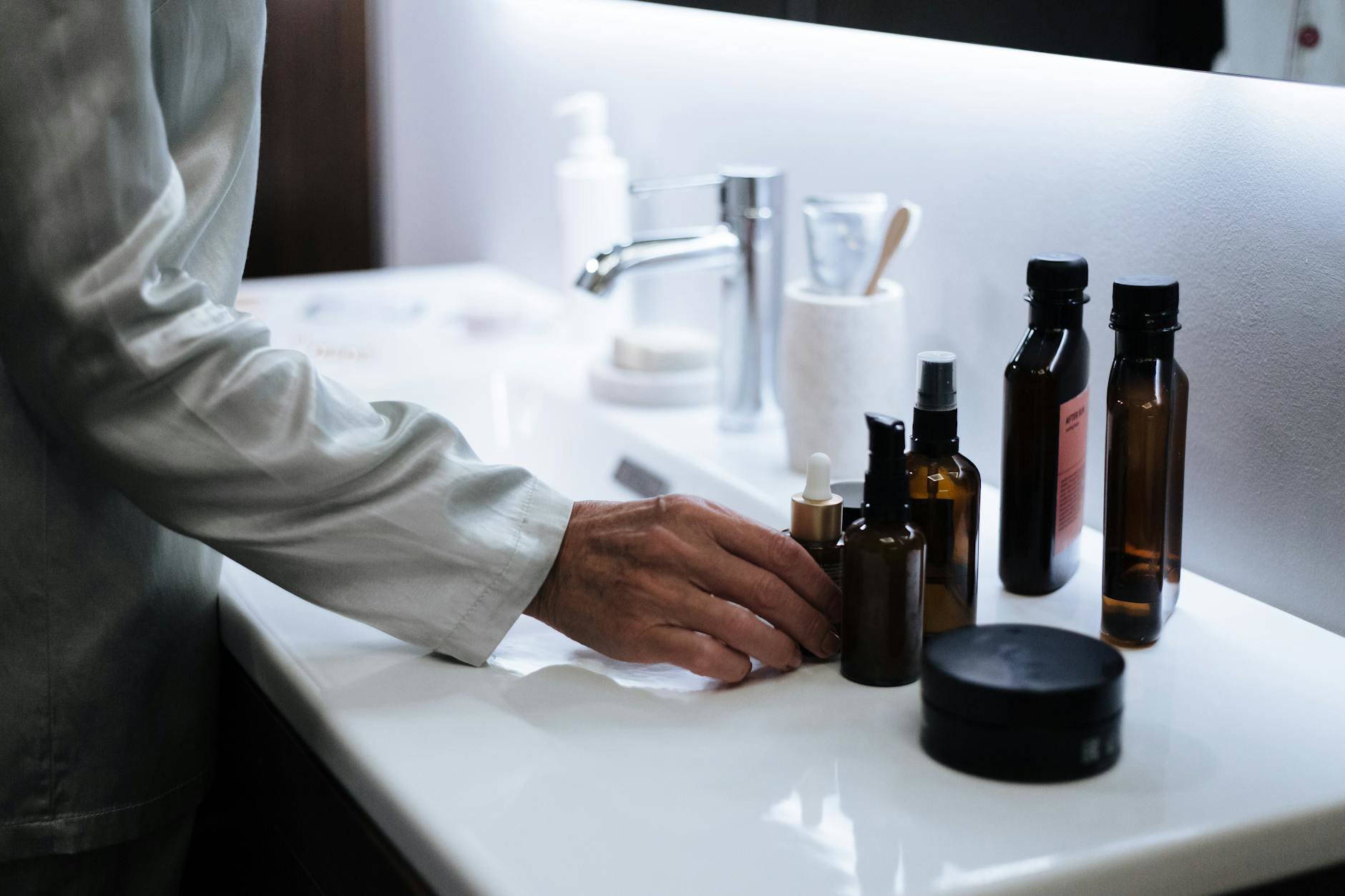
I don’t think beauty trends are the problem.
I think the speed is. One week it’s AI tools and LED everything, the next it’s “bare-minimum wellness”, and by Friday someone has rubbed baking soda on their face and called it “skin cycling”.
So here’s my counter-offer for 2026: an anti-trend beauty plan. It still feels lovely. It still smells good. It just doesn’t drain your bank account or your patience.
Context: the money maths behind “wellness-coded” beauty
A UK headline that stuck with me claimed Gen Z and Millennial women spend £6,648 a year on beauty and wellness trends. Even if your number sits nowhere near that, the direction feels familiar: little top-ups, “just one more” serum, a tool that promises salon results, a supplement you forget to take.
What changed in the last couple of years isn’t that we like products. We always have. It’s that beauty now borrows wellness language: “preventive care”, “self-care tech”, “adaptogens”, “rituals”, “nature-positive”. When a moisturizer sounds like mental healthcare, it gets harder to say no.
Meanwhile, the industry numbers tell their own story. Big reports keep pointing to growth, digital shopping, and a blur between beauty and wellness. You feel that every time an app suggests a new routine based on a selfie taken under your bathroom downlight.
I’m not here to shame any of it. I like a fancy face cream as much as the next woman. I just want us to buy with our eyes open.
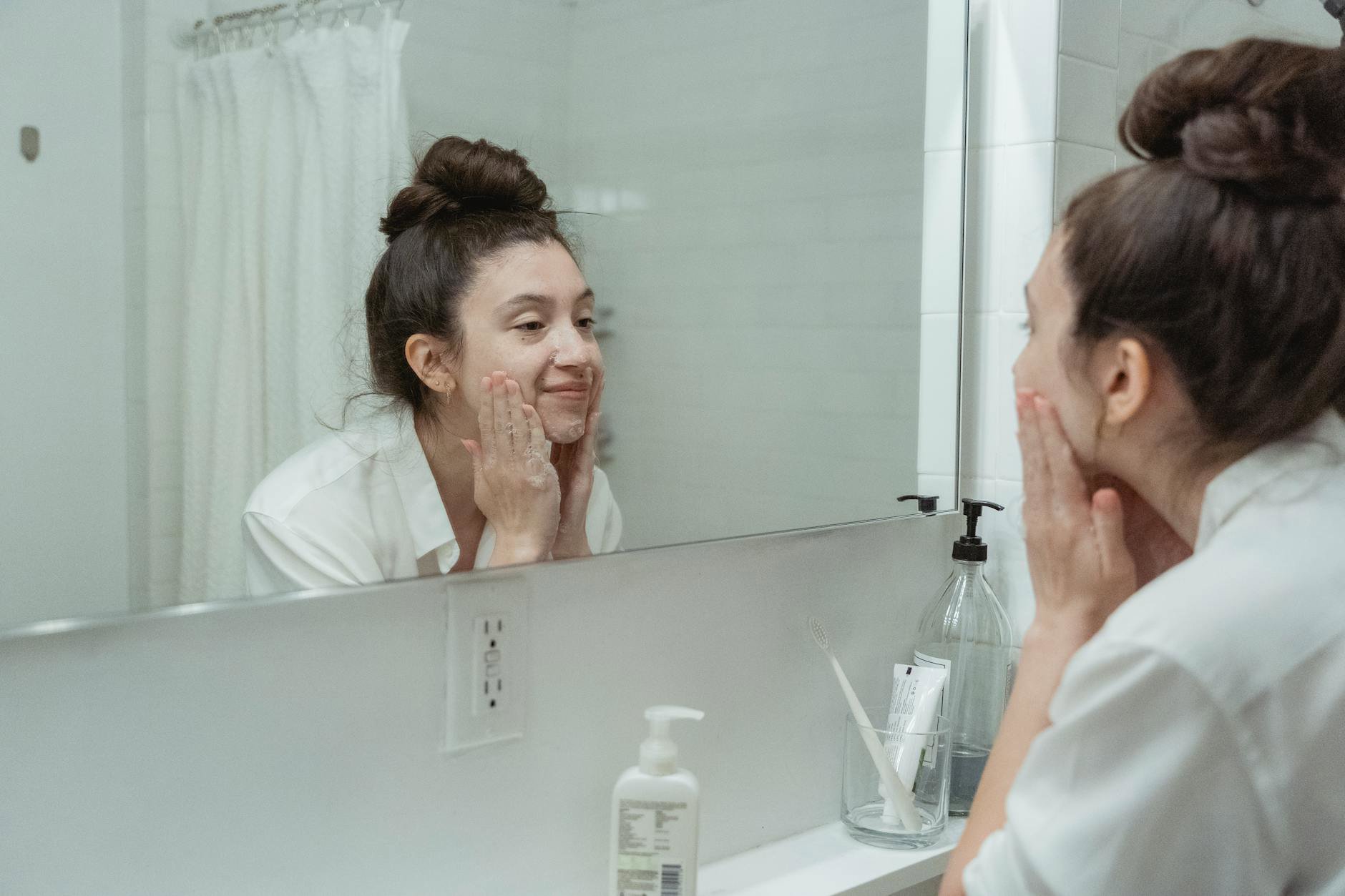
Rule one: build a “proof-first” core routine (then let trends orbit it)
If you only take one thing from this article, take this: pick a small core routine where every step has a job, then let trends sit around it like accessories.
My proof-first core looks like this: cleanse, moisturize, SPF in the morning; cleanse, moisturize at night; add one active that targets your main concern. That’s it. You can do it with Foam & Wash Cleansers, a solid Day Face Moisturizer, and reliable SPF Protection Products.
For actives, I stick to ingredients with decades of data behind them. Vitamin C for brightness, retinoids for lines and texture, azelaic acid for redness and breakouts, and niacinamide for barrier support and oil balance. Not all at once. One at a time, like a grown-up.
If you love a bit of luxury, I get it. A Clarins or Lancôme moisturizer can feel like a proper moment. But I keep my “serious results” spend in the active step, not the cleanser you rinse down the drain.
Practical tip: when you feel the itch to buy a trending product, ask, “Which step would it replace?” If it can’t replace anything, it’s probably clutter.
Stop the DIY chaos: why baking soda and ‘kitchen hacks’ backfire
I’ve watched enough TikTok “hacks” to know how this goes: a creator uses something unhinged (broccoli freckles, anyone?), the comments scream “trying this tonight”, and suddenly your algorithm thinks you want to exfoliate with pantry items.
Baking soda sits high on my no list. It’s alkaline, while healthy skin sits mildly acidic. That acid mantle matters because it supports barrier enzymes and keeps irritation-causing microbes in check. When you slap on something that shifts pH the wrong way, you can end up with tightness, stinging, and a barrier that acts like a leaky roof.
If your skin feels rough and you want smoothness, use an exfoliant designed for faces. For oily, congestion-prone skin, salicylic acid (BHA) works inside pores. For dullness and surface texture, lactic or glycolic (AHAs) loosen dead skin cells. If you already use a retinoid, go slower with acids. Your face doesn’t need daily punishment.
Where I like to shop depends on the formula. CVS and Walgreens do strong basics, and Cult Beauty and Space NK do the “I want to enjoy this” options. Either way, I’d rather you spend on a properly formulated Face Exfoliant than risk a DIY burn.
If you have eczema-prone skin, treat TikTok like spicy food. Fun to watch, risky to copy. Keep your routine boring, then add joy through fragrance or makeup instead.
High-tech tools: what’s worth it, what’s hype, and how I’d buy smart
I love a beauty tool. I also love not wasting money. So I judge tools by one question: do they save me time or appointments consistently?
LED masks sit at the top of “research-backed but buy carefully”. Red light has evidence for supporting collagen and calming inflammation with consistent use. The problem is consistency. If you’re the kind of woman who leaves her heat tools on all morning and forgets her coffee on the counter, an LED mask may become an expensive drawer ornament.
Microcurrent devices look tempting, but they need frequent sessions and correct technique to maintain results. If you enjoy routines and you’ll do it four to five times a week, you might love it. If you prefer quick wins, I’d put that budget into a great sunscreen and a retinoid.
My value picks tend to be simpler:
- An electric toothbrush (not “beauty”, but it changes your whole face vibe).
- A decent hair dryer with heat control if you style often, because heat damage costs you later in masks, trims, and breakage products.
- A basic facial cleansing device only if you wear longwear base daily and struggle to remove it fully.
- A satin pillowcase if you wake up with hair tangles and cheek creases.
Here’s my buying rule: I won’t buy a tool until I’ve used the manual version for a month. If I can’t keep up gua sha with my hands, I won’t keep up microcurrent with a device.
Preventive care you can actually stick to (and it’s not a 12-step routine)
“Preventive care” sounds big. In real life, it’s small habits done on purpose.
For skin, prevention means SPF most days, not just on holiday. If you sit by a window, drive a lot, or take lunchtime walks, you clock UV without thinking. I keep a face SPF by my keys like it’s lip balm. If you hate heavy textures, try lighter fluid formulas. If your makeup pills, you may need to use less moisturizer underneath, not blame the SPF.
For hair, prevention looks like heat management and gentle handling. If you blow-dry and straighten, use a heat protectant every time. If your hair snaps at the ends, stop brushing it like it owes you money when it’s wet. Use a wide-tooth comb, start at the ends, and work up.
For body skin, prevention means moisturizing the bits that crack first: shins, elbows, hands. I keep a hand cream by the sink and one by the bed. Boring, yes. Effective, also yes.
If you want to make this feel like a treat, choose sensorial textures. A rich Body Cream after a shower turns “maintenance” into comfort. The Body Shop still does that cosy, familiar fragrance experience well when you want it.
Sustainable beauty without the guilt: what I actually do in 2026
Sustainability headlines can make you feel like you need to throw everything away and start again with bamboo packaging and a halo. Please don’t.
The most sustainable product is often the one you already own and will finish. I focus on three habits that make a real dent without turning my bathroom into a moral exam.
- I buy fewer backups. Backups expire, and they tempt you to open things early. One open product per category keeps it simple.
- I choose refills when they suit my life. If I already love the product and I can get the refill easily, great. If the refill costs nearly the same, I skip the smug feeling and keep shopping smart.
- I use take-back schemes when I can. Some UK schemes target hard-to-recycle empties. If you collect empties in a small bag under the sink, it becomes easy instead of a project.
I also watch for clearer sustainability communication. Labels and scoring systems sound great, but I still look for basics: recycled content, refill formats, and whether a brand explains its packaging choices in plain language.
One more thing. If you love fragrance, don’t let anyone make you feel bad about it. You can buy one beautiful bottle of Eau de Parfum Perfumes and wear it for a year, instead of panic-buying five “clean girl” mists you forget about.
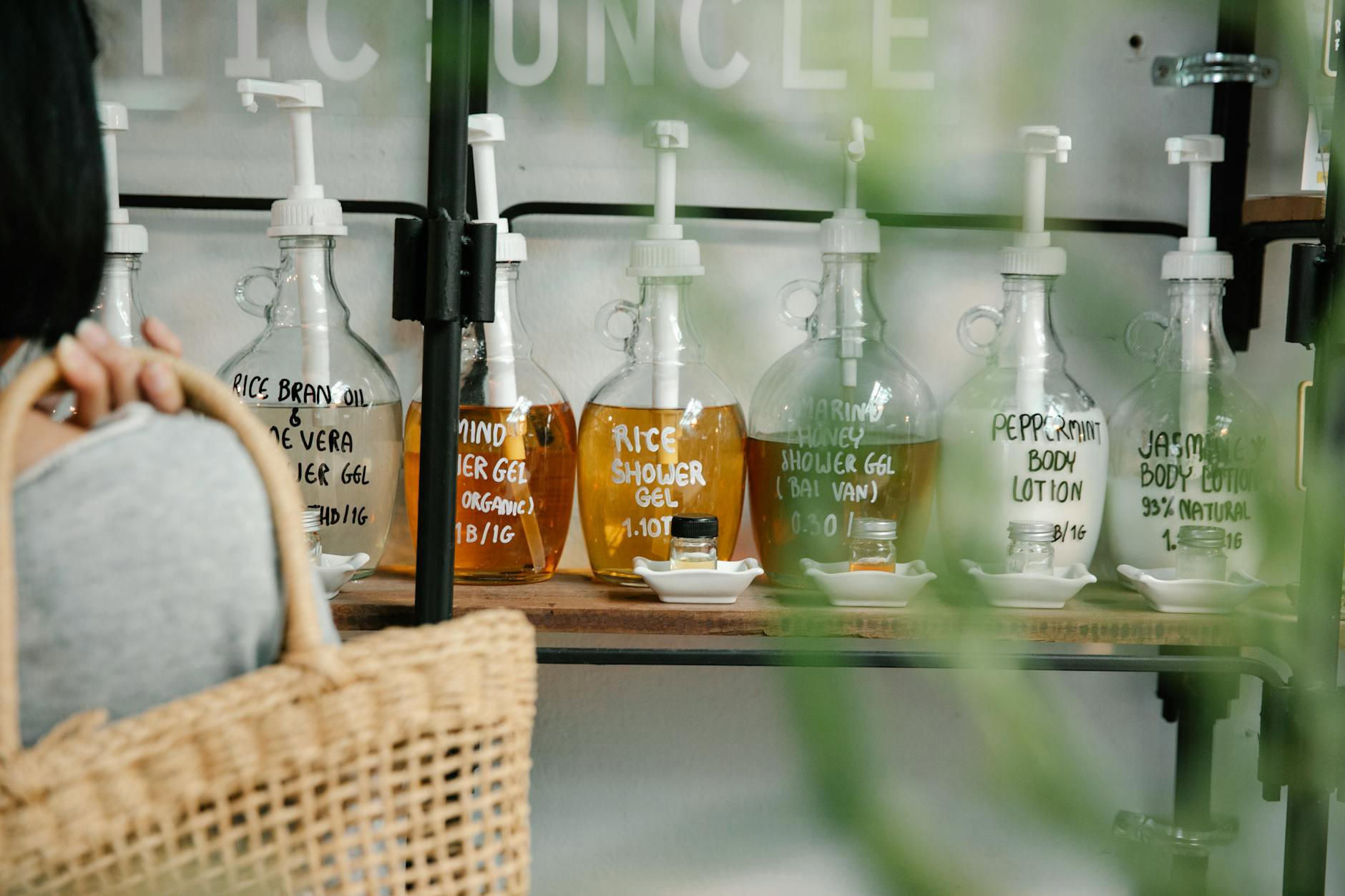
Adaptogens, supplements, and ‘sane-ish’ wellness: the beauty version I trust
I like the idea of wellness. I just don’t want it packaged as 14 powders that taste like lawn clippings.
Adaptogens show up everywhere now, from drinks to skincare. Topically, you’ll often see ingredients like ashwagandha, reishi, or centella marketed for calming. Centella has decent supporting data for soothing and barrier support, so I take it more seriously. With many “adaptogen” blends, the issue isn’t that they’re evil. It’s that the evidence varies, and the concentrations often sit unclear.
My rule: I treat adaptogen skincare as a nice-to-have, not a must-have. If you already have redness, prioritise barrier ingredients first. Look for glycerin, ceramides, squalane, panthenol, and colloidal oatmeal. Then, if you want a calming serum as a treat, go for it.
For supplements, I keep it cautious. If you suspect a deficiency, get proper advice. Don’t let a trending gummy replace bloodwork and a GP chat. If you want a “bare-minimum wellness routine”, sleep, protein, and daily movement will beat most beauty supplements on cost per result.
If you want a beauty ritual that supports sanity, make it a two-minute thing you’ll do even on rubbish days: a Lip Balm, hand cream, and a spritz of perfume before bed. That counts.
The fun bits: fragrance and makeup trends you can try without overspending
Trends should feel like play. Not pressure.
If your feed pushes you towards a new “it” scent every month, I’d go sample-first. Try discovery sets, ask for samples at Space NK or John Lewis counters, and wear a fragrance twice before deciding. Skin chemistry and mood matter. A scent can smell perfect at 10am and annoy you by 3pm.
If you prefer variety, buy smaller sizes where possible. I’d rather have a 10ml travel spray that gets finished than a 100ml bottle that turns into expensive decor. And if you love that soft, clean vibe, an Eau de Toilette Perfumes can suit daytime better than a heavy EDP.
Makeup-wise, TikTok hacks often fail because they ignore face shapes and real-life wear. Winged liner with a spoon might look cute on camera, but it won’t survive a rainy commute. I stick to techniques that scale:
- For freckles: use a brow pen and tap lightly, then blur with a finger.
- For lifted eyes: place shadow slightly above your crease and keep the outer corner soft.
- For lasting base: use thin layers, set only where you crease, and don’t over-prime.
- For quick polish: a tinted balm and mascara beats a 40-minute face you resent.
If you want to refresh your kit without spending wildly, start with tools. Washing and upgrading Makeup Brushes & Applicators changes how everything sits. For color, I like affordable experimentation from Revolution, KIKO, and NYX, then I’ll splurge on one hero product if it earns it.
My 30-day anti-trend reset (step-by-step, realistic, and satisfying)
If your bathroom shelf looks like a mini branch of CVS, do this for 30 days. No drama. No binning. Just a reset.
Week 1: audit and pause
Pull everything out. Put products into four piles: open and used, open and ignored, unopened backups, and “why do I own this?” Take a photo of the “open and used” pile. That’s your real routine.
Week 2: rebuild the core
Choose one cleanser, one moisturizer, one SPF. Pick one active. If you already use a retinoid, keep exfoliation gentle. If you don’t, consider starting with a low-strength retinoid or azelaic acid depending on sensitivity.
Week 3: add one joy product
One. Not five. A body wash you love from Shower Gels & Body Washes, a comforting Night Face Moisturizer, or a fragrance that makes you feel like yourself.
Week 4: set spending rules you’ll keep
My favourites: no buying replacements until you’re two weeks from running out; no new actives until you’ve finished the current one; and no tools unless they replace a paid service or a daily habit.
If you use GlamGeek to price-check, use the price history like a brake pedal. If a product cycles through discounts, wait. You don’t need to pay full price out of panic.
This reset doesn’t ban trends. It gives them a smaller stage.
What this means: you can enjoy beauty without living on a hamster wheel
Beauty and wellness headlines will keep coming, and some of them will be genuinely useful. I like innovation. I like better packaging. I like tools that make my skin look rested when I feel anything but.
But your routine should serve your life, not the other way around. A proof-first core gives you stability, and it stops every new launch from feeling like an emergency.
Your practical takeaways: keep one active you understand, wear SPF most days, treat tools like appliances not toys, and make sustainability a set of habits rather than a personality test.
Most of all, keep the fun bits fun. A lipstick, a glossy lid, a scent trail on your scarf. Pleasure counts.
What are you most influenced by right now: high-tech tools, “clean” aesthetics, or wellness routines that promise calm in a bottle?