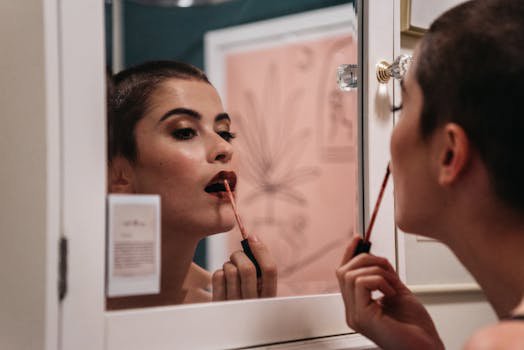

Our price tracker shows a clear turn this year. Fewer impulse buys. More searches for ingredient percentages, clinical results, and before-and-afters that look like real life. Women still enjoy a glossy launch, but they want receipts.
That sets the tone for 2026. Brands can still serve glam, but claims need proof. TikTok sparkle draws a crowd. Evidence closes the sale.
We have tracked beauty pricing and product churn across major U.S. retailers since 2010. The last decade favored loud launches and short cycles. Contour kits, lip oils, glass skin, slugging, hybrid tints—each one spiked and cooled fast. Discounts arrived earlier. Formulas iterated without always getting better.
We now see two steady pulls. First, ingredient literacy keeps rising. Shoppers learn what 0.3% retinol means compared to a retinol complex. They ask for pH ranges on acids. They search for SPF filters and reapplication rules. Second, retailers want cleaner claims. Return rates and chargebacks shape that shift. If a product promises 24-hour wear and fails by lunch, it comes back.
You can feel this reset on shelves. More boxes print tested percentages. More brand sites show sample sizes and study methods. Retail staff train around actives and shade match, not just hype lines. Sets and minis still tempt, but value talks louder than limited edition right now.
{{IMAGE:woman checking skincare labels}}Ingredients With Receipts: Percentages, pH, and Plain English
Actives carry 2026. Shoppers want straight answers about what’s inside and what it can do. Brands that disclose percentages and testing methods earn trust. Vague claims feel tired. We see search interest move from “glowing serum” to words like azelaic, retinoid, niacinamide, and peptides. That change matters.
Here’s the pattern. A product says “clinically proven.” Good start. But the details seal it. Look for the size of the study, how long it ran, and what the brand measured. Did a dermatologist grade texture on a scale? Did they measure water loss with a device? Did they rely on consumer self-ratings only? Consumer panels help, but device data beats vibes.
Percentages guide your picks, but they don’t tell the whole story. A 10% acid in a soothing base can feel gentler than a 5% acid in a harsh base. pH and buffer choices drive that. Brands now publish more of those numbers, and we welcome it. If you want visible smoothing, start low and build. You don’t need to max out to see results. Your barrier will thank you.
For aging concerns, retinoids still lead the evidence pack. Peptides play a support role. Vitamin C shines for pigment and dullness when packaged well. If you keep it simple, you cut risk and expense. Our pick for a tight routine: cleanser, antioxidant, retinoid at night, and sunscreen by day. You can find concentrated options under Anti Ageing Face Serums. Add what you need and skip the rest.
Makeup That Holds Up: Proof Beats Filters
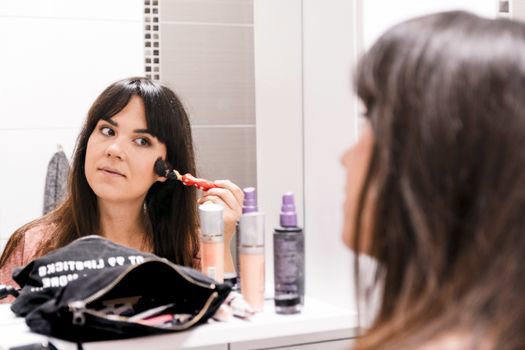
Performance-first makeup owns this year. The brief sounds simple: base that endures a workday, mascara that survives a commute, and color that suits more than studio lights. Brands that publish wear-test data and show unretouched swatches set a higher bar. Users respond with higher repeat buys and lower return rates in our feed.
Foundation sits at the center. You want a match and a finish that stays put through real weather. Humid South? Oil and sweat test your base by noon. Dry West? Flakes show fast. Smart brands label wear windows and give pairing notes. For oily T-zones, use a gripping base and a soft powder. For dry skin, use a hydrating base and a light powder on the center only. That combo reduces mid-day breakdown without a flat cast.
Primer again matters. In 2026, you can pick by need, not trend. Look for language like “grip,” “blurring,” or “hydrating,” then match that to your skin. If you wear long-wear foundation, a blurring primer supports even glide. If you wear sheer tints, a hydrating primer protects texture. You can compare options under Face Primers and base choices under Liquid Foundations. Add a product to your GlamGeek wishlist and we’ll alert you when the price drops across Sephora, Ulta, Nordstrom, and Amazon.
Complexion ranges from brands like Charlotte Tilbury keep expanding undertones and finishes. That shift helps more women find a workable shade and reduces costly returns. We also see more accurate photos on retailer pages and better swatch lighting. That small fix improves your odds on the first try.
SPF as the Backbone: Real-World Compliance
Every routine needs broad-spectrum SPF. That holds in New York winter and in Phoenix summer. Makeup with SPF helps, but you still need a dedicated sunscreen to bank the labeled protection. In 2026, buyers show sharper focus on “will I wear it” over “does it sound fancy.” Filters and finish carry the decision more than buzzwords.
Texture sets compliance. A fluid that sinks in fast wins on a rushed Tuesday morning. A hydrating cream suits dry climates and cold offices. A gel or gel-cream suits humid days or home workouts. Tints help blur, but none of them replace base makeup if you want more coverage. They serve as a flexible layer that encourages daily use.
We also see more talk about UVA. That matters for pigment and photoaging even when you don’t burn. Broad-spectrum coverage needs steady reapplication. Powder or spray touch-ups can help, but a lotion on bare skin before makeup sets the floor. If you pick one upgrade this year, make it sunscreen you like enough to use. Browse options under SPF Protection Products and add your top two to a wishlist. Our tracker will ping you when sales hit at Sephora, Ulta, or Target.
We also clock more brands showing makeup compatibility tests. They show pilling checks with foundation, blush, and powder. That transparency saves mornings and keeps you loyal. Sunscreen that plays well with makeup leads to repeat buys. Our data supports that.
Actives That Earn Their Keep: Retinoids, Acids, Peptides
Women want results and skin comfort. This year’s win goes to measured actives and simple pacing. Retinoids drive texture and fine-line change. Start with a low-strength retinoid two or three nights a week. Pair with a bland moisturizer. Bump frequency only when your skin stays calm for two weeks. This plan beats a fast start and a barrier crash.
Acids polish and clear. Keep them to one or two times a week if you also use a retinoid. Reach for mandelic or lactic if you skew dry or sensitive. Use salicylic on clogged zones if you skew oily. If you crave the glow, focus on consistency over punch. You can raise the dial once your skin settles.
Peptides support firmness signals and hydration. Evidence varies by peptide group. They work best as team players in a balanced plan. If a serum claims “botox-like” results, read that with a cool head. Peptides can smooth the look of fine lines with steady use. They can’t freeze a muscle. Results live in the real zone, not fantasy.
We rate products that list clear concentrations and show duration of trials. Look for 8 to 12 weeks for meaningful retinoid results. Vitamin C needs oxygen-safe packaging. Acids need an informed pH range. You can filter by actives and reviews under Anti Ageing Face Serums. Set a wishlist and watch for price swings across Amazon, Nordstrom, and Bluemercury.
{{IMAGE:serum texture macro}}Haircare That Measures Damage, Not Hype
Haircare follows skincare this year. Claims shift from vibes to breakage, shine, and frizz scores. Brands now publish comb-force tests, gloss meter numbers, and humidity chambers. We like that move. Your hair either frizzes in Atlanta in August or it doesn’t. Data tells you which system keeps control by 5 p.m.
Start with your water and weather. Hard water in the Southwest can dull color and raise frizz. High humidity on the Gulf Coast can swell strands. If you color or heat-style, you need a routine that addresses bond damage and moisture, not only surface slip. Silicones can smooth well when you pair them with protein and emollients. Bond claim products vary, so review their test methods, not just the word “bond.”
In 2026, sets matter less than system design. You can shop shampoo and conditioner by need rather than strict brand bundles. Try a hydrating shampoo with a balancing conditioner. Add a weekly mask for slip and strength. You can browse targeted masks under Hair Masks. Add your pick to a wishlist so we can flag Ulta 21 Days of Beauty or an off-cycle Target promo.
Heat protection needs proof too. Look for tested degrees and reduction in breakage under thermal stress. If a product claims 450°F protection, the brand should show the test. For most hair, you can lower heat and extend time to reduce damage. The tool matters. The product matters. Your technique matters the most.
Fragrance With Clarity: Concentrations, Refills, and Value
Fragrance does glam better than any category. The 2026 update adds clarity. Concentration guides price and wear, not hype terms. Eau de parfum usually carries more oil than eau de toilette. That often means longer wear on skin, though notes and your climate still affect it. Heat boosts projection. Cold holds it close.
Many houses now show note pyramids with sourcing mentions and allergen lists online. We also see more refillable formats. Refills lower cost per wear and reduce waste. Sets with a travel spray help you test wear through a full day, not just a blotter. A sample that lasts a week gives a clearer read than a quick spritz.
Want to compare value? Hour-by-hour wear on your skin beats any single review. Test across a workday and a warm day if you can. If you shop online, start with discovery sets or smaller bottles, then scale up. Explore scents under Eau de Parfum Perfumes and Eau de Toilette Perfumes. Add favorites to your GlamGeek wishlist and we’ll alert you when a department store price dips below a niche boutique price.
We see less blind-buy buzz and more sampling behavior in our data. That shift saves money and keeps your shelf clean. You still get the thrill. You also dodge dust collectors.
Proof-Forward Color: Eyes, Lips, and Cheeks That Last
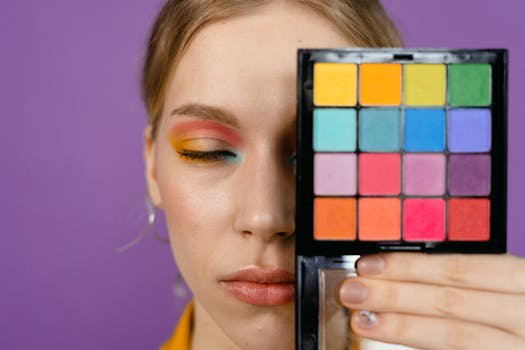
Color thrives in a proof-first year. The winning sets show low fallout, high payoff, and better undertone range. Brands now publish pigment load and wear test hours. Retailers also expand return windows on shade items during holiday sets, which encourages smarter trials. Our feed shows stable interest in mid-price palettes and steady growth in long-wear pencils.
Powder textures feel smoother in 2026. Many pans now mix emollients and binders for better grip. That reduces chalk and fallout. It also smooths the look on texture-prone lids. Cream sticks continue to rise because they pass the commute test. One swipe, quick set, long hold. Wear time in heat still varies, so use a light primer for oily lids.
For lips, flexible mattes and conditioning bullets lead. Women want color that survives coffee without feeling tight. Many brands now publish transepidermal water loss data for balm-lip hybrids. That sounds nerdy. It matters for comfort. You can judge pay-off from one swipe videos and arm swatches, but comfort shows up only in wear tests.
When you build a kit, think use rate. Start with a neutral palette that you reach for three times a week. Add a statement shade for weekend plans. Trend colors can wait for a sale. You can compare formats and finishes across categories on GlamGeek, then track price drops. That plan beats impulse grabs that go stale by spring.
The Return of Basics: Cleansers, Moisturizers, and Less Waste
Basics come back strong because women want skin that behaves. Cleanser missteps ruin active plans. Over-stripping cleansers break barriers. Too-rich cleansers leave film. In 2026, balanced gels and creams win. Brands publish surfactant systems and mildness data. That data supports comfort and better uptake of actives.
Moisturizers show more clarity too. You can now spot the intended climate and skin type on many boxes. Look for ceramides, cholesterol, and fatty acids if you repair a stressed barrier. Look for humectants and light emollients if you hydrate oily skin. The right texture helps makeup sit better and helps retinoids feel kinder.
Women also cut waste. Refillable jars and larger body sizes grow. Sets shrink in count but rise in utility. You want products you finish, not minis that gather dust. Our tracker shows solid demand for practical bundles, especially during Memorial Day and Black Friday. If a set features a full-size of your daily SPF or night cream, that set earns its place.
We also see more house brands step up with honest basics. Lines like store collections publish clear INCI lists and skip inflated claims. If you pair a simple moisturizer with a strong active, you gain results and save. That mix stretches a budget without losing performance.
Retail Reality Check: Prices, Sales, and Where Proof Lives
Prices move. We track them across Sephora, Ulta, Target, Nordstrom, Amazon, Credo, and more. You can save real money if you time buys well. Sephora Spring Savings, Ulta 21 Days of Beauty, Memorial Day, and Black Friday still anchor the calendar. Flash sales and loyalty events fill the gaps. Many brands also launch value sets just before big sales to compete with doorbusters.
Here’s how to shop smart in 2026. Use GlamGeek to compare current prices before you check out. Add your short list to a wishlist and wait for an alert. Watch for retailer-specific perks. Ulta rewards stack with high points promos. Sephora runs targeted discounts on select categories mid-season. Department stores bundle extra samples during gift events. Amazon swings fast on pricing, so alerts help.
“Drugstore” and “prestige” still signal price tier and where you can find a line. Target carries budget and masstige workhorses. Sephora and Nordstrom carry prestige and luxury. That split says more about cost structure than quality alone. Plenty of mass brands match performance. Lines under giants like L'Oréal keep raising their lab game. You can win at both ends if you shop proof-first and verify claims.
Watch return policies and restocking fees. Amazon’s third-party sellers vary. Stick to official storefronts when you can. For high-dollar items, check whether a retailer includes a return label. Factor that into the total cost. A small saving without a return window can turn into a false economy.
What this means
The 2026 brief looks clear. You can cut the noise and get better results without spending more. Brands now show their math more often. Retailers support smarter trials. Your plan can lean simple and still feel polished.
- Pick a sunscreen you enjoy, then build from there. Start each day with that win.
- Choose one primary active for night. Add support steps only if your skin asks.
- Match primer to finish, not to trend. Hydrate dry. Blur oil. Grip for long wear.
- Test fragrance on skin and in your climate. Scale up once you confirm wear.
- Use GlamGeek wishlists and price alerts. Let the sales come to you.
- Favor products that publish study details. Reward brands that respect your time.
If you want to build a reliable kit fast, shop by category and proof. Start with SPF Protection Products, select a daily weight you will wear, then layer in a retinoid under Anti Ageing Face Serums. Round it out with a base that fits your finish under Liquid Foundations and a matching Face Primers pick. Add a hair mask for weekly repair under Hair Masks. If color excites you, save it to a wishlist and wait for alerts.
We watch price swings so you don’t have to. The data this year favors proof-backed staples and real-world wear. You can still have fun. You also get results that handle Tuesday.
Sign-off
What proof do you want to see before you click “add to cart” in 2026—percentages, device data, or real-life wear photos? Tell us, and we’ll feature the best examples in a future round-up.