Deep conditioner vs hair mask: most people use the names interchangeably, but they usually chase different results.
A deep conditioner focuses on slip, softness, and moisture management so hair feels smoother and detangles faster. A hair mask often aims for a more intensive payoff—either more weighty conditioning, more repair support, or more targeted scalp and frizz control—depending on the formula.
In practice, the right choice comes down to your hair’s main problem (dryness, breakage, frizz, tangles, scalp discomfort), how much time you have in the shower, and how easily your hair gets weighed down. We built this guide around hair conditioning treatments (not everyday conditioners) so you can pick a treatment that earns its spot in your routine.
The basics: what “deep conditioning” and “masking” actually mean
Neither term has a strict legal definition in the U.S. Brands use them as shorthand for treatment-level conditioning, usually richer than standard rinse-out conditioner. That marketing fuzziness explains why two products can claim similar benefits while behaving very differently on hair.
We categorize the difference by intent and structure. Deep conditioners typically prioritize conditioning agents that improve wet combing and reduce friction. Masks often add more intensive emollients, film-formers, or repair-focused technology, and they may ask for longer contact time.
Timing gives a clue, too. Many deep conditioners work well in 5–10 minutes. Masks might ask for 10–20 minutes, and some work best as pre-shampoo steps. Pre-shampoo treatments matter because shampoo can remove excess oils while leaving behind the conditioning effect you actually want.
One more reality check: “penetration” claims often get oversimplified. Hair fiber does not behave like skin. Many high-performing treatments work by coating and lubricating the cuticle, reducing swelling and friction, and helping strands feel aligned. Results can still look dramatic even when the mechanism stays mostly at the surface.
Purpose and results: moisture, detangling, frizz control, and repair
When people say they need a deep conditioner, they often mean: “My hair feels rough and tangles easily.” That points to lubrication and cuticle smoothing. A mask request often sounds like: “My hair looks stressed, and I need it to behave.” Different goal.
For detangling + light hydration, a gel-textured conditioner treatment can outperform a heavy mask. Christophe Robin Detangling Gelée With Sea Minerals (from $15.00) leans into that: a light gelée that detangles and hydrates, aiming for softer, shinier, more manageable hair.
For pre-shampoo deep conditioning that targets breakage and manageability, the Elasticizer family sits in its own lane. Philip Kingsley Elasticizer Deep-Conditioning Treatment (from $13.80) positions itself as a conditioning pre-shampoo treatment and calls out ingredients like Castor Oil and Hydrolyzed Elastin for rehydration support. The brand also sells Philip Kingsley Elasticizer (from $17.50), which highlights elastin and glycerin for stronger-feeling, more manageable hair.
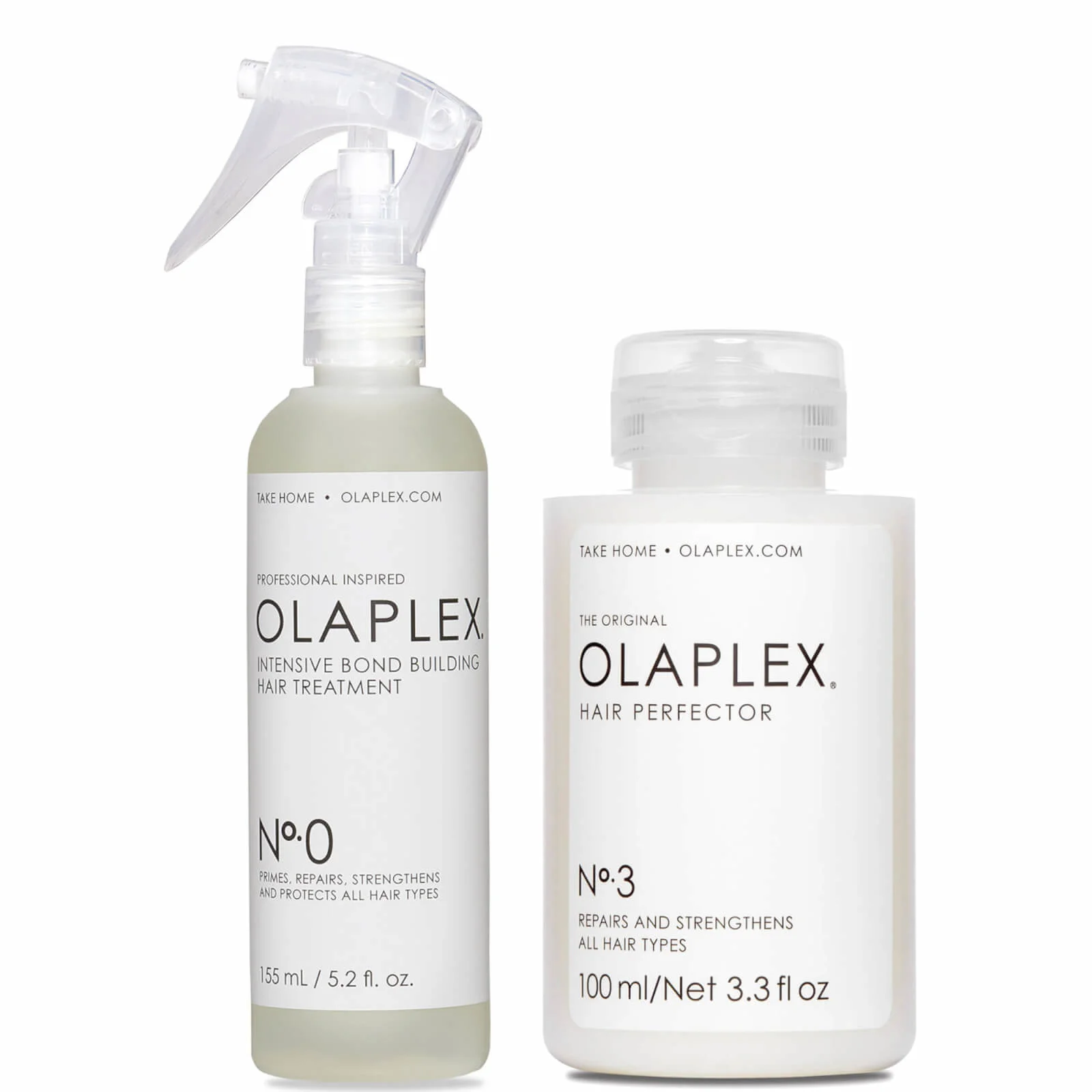
Then there’s bond support, which people often lump into “mask” territory even when the texture feels lighter. Olaplex No.3 Hair Perfector (from $13.60) works as a pre-shampoo treatment aimed at repairing broken bonds from styling, color services, and mechanical stress like brushing. If your main issue is breakage, you may get more from this style of treatment than from adding more oils.
And frizz? Frizz often needs humidity management more than “more moisture.” Color Wow Extra Strength Dream Coat Ultra Moisturizing Anti Frizz Treatment (from $29.44) explicitly targets that with waterproofing technology that repels humidity and traps moisture.
Ingredients and texture: what to look for on the label (without overthinking it)
If you want a fast way to tell a deep conditioner from a mask, start with texture and instructions. Gelée and lightweight creams often signal detangling and hydration. Thicker, richer formulas often signal more occlusive conditioning or a longer wear time.
Ingredient-wise, we see four buckets show up again and again in conditioning treatments:
- Humectants (water-binding): help hair feel less parched. Philip Kingsley Elasticizer calls out glycerin in the Elasticizer description.
- Emollients/oils (softening): help reduce roughness. The Elasticizer Deep-Conditioning Treatment calls out Castor Oil.
- Proteins/film-formers (strength feel + reduced friction): can help hair feel more resilient. The Elasticizer Deep-Conditioning Treatment calls out Hydrolyzed Elastin.
- Targeted actives (repair, scalp, humidity control): examples include bond-focused systems like Olaplex No.3, or humidity-blocking tech like Color Wow Dream Coat.
Two cautions. First: more “rich” is not always better. Fine hair can lose volume fast when a formula deposits too much. Second: “protein overload” gets overblown online, but if hair starts feeling stiff, waxy, or snags more after treatment, you may need fewer protein-leaning treatments and more slip-focused conditioning.
Scalp-focused treatments fit here, too. They can behave like masks, but for the scalp environment. Christophe Robin Hydrating Scrub (from $13.20) describes a pre-shampoo exfoliating treatment with aloe vera that polishes away dead skin cells and product build-up while soothing dry, sensitive scalps. Ameliorate Soothing Scalp Essence (from $10.80) targets dry, itchy scalp comfort and hydration support.
Timing and technique: pre-shampoo, in-shower, or leave-on style treatments
How you apply a conditioning treatment often matters as much as which one you buy.
Pre-shampoo works well when you want intensive conditioning without leaving hair heavy. You apply the treatment, let it sit, then shampoo and condition as usual. Philip Kingsley positions its Elasticizer treatments as pre-shampoo conditioning steps, and Olaplex No.3 also sits in the pre-shampoo camp.
In-shower masks/deep conditioners work when you want immediate softness and detangling after shampoo. You can also use them as a “swap” for your usual conditioner 1–2 times per week, depending on how reactive your hair is to weight and buildup.
Leave-on finishing creams blur the line. They condition, but they also style. Umberto Giannini Thirsty Curls De-Frizzer (from $7.98) describes a one-minute finishing cream enriched with hydrating hyaluronic acid, black oat extract, and tremella snow mushroom to lock in moisture. That fits readers who need softness and frizz help between wash days.
Step-by-step: a reliable pre-shampoo routine (5–20 minutes)
- Wet hair lightly (or dampen mid-lengths and ends with a spray bottle).
- Apply a pre-shampoo conditioning treatment from mid-lengths to ends. For curls or coils, include areas that feel most fragile.
- Comb through gently with fingers to distribute. Avoid aggressive brushing on wet hair.
- Wait the directed time. If the label stays vague, start with 10 minutes.
- Shampoo once. If hair feels coated, shampoo twice.
- Condition lightly only where needed. Then style.
When time runs short, choose a treatment that still performs in a shorter window. A detangling gelée like Christophe Robin’s can deliver quick slip, while a bond-support product like Olaplex No.3 usually rewards a longer sit.
Choosing the right option by hair concern (dryness, damage, curls, color, fine hair)
Readers often ask for “the best mask.” We prefer “the best match.” Here’s how we’d sort the options from our tracked conditioning treatments list.
If dryness is the main issue: look for a treatment that prioritizes hydration and softness without turning hair limp. Bread Hairmask: Deep Conditioner (from $9.70) positions itself as a lightweight hair mask that nourishes and hydrates without weighing down strands, and it calls out Kakadu plum and starflower oil. For a pre-shampoo hydration approach, Philip Kingsley Elasticizer Deep-Conditioning Treatment (from $13.80) also fits the “dry but fragile” crowd.
If breakage and damage lead the list: treat “repair” as its own category. Olaplex No.3 Hair Perfector (from $13.60) targets broken bonds caused by styling, color services, and mechanical stress. Pairing it with Olaplex No.0 Intensive Bond Building Hair Treatment (from $18.00) can make sense because No.0 describes a two-step system approach.
If you wear curls or coils: you usually need more than “hydration.” You need lubrication and elasticity support, plus enough richness to keep strands from snagging. Philip Kingsley Elasticizer Extreme (from $22.25) describes a rich deep-conditioning treatment designed for naturally coiled hair, and it targets very dry, fragile hair. That positioning makes it a more obvious pick than a lightweight gelée when curls feel thirsty.
If frizz spikes in humidity: a classic mask may not solve it. You need a barrier. Color Wow Extra Strength Dream Coat Ultra Moisturizing Anti Frizz Treatment (from $29.44) explicitly claims humidity repelling and moisture trapping, which targets the weather factor that changes across the U.S. (humid South versus dry West versus winter static in the Northeast).
If you have fine hair: weight management matters more than intensity. Start with lighter options and shorter contact times. Christophe Robin’s Detangling Gelée (from $15.00) and Bread Hairmask: Deep Conditioner (from $9.70) both position themselves as lightweight approaches. Use less product than you think you need. Rinse longer than you think you should.
How to compare products (and prices) without buying the wrong thing
Conditioning treatments span drugstore-adjacent prices through prestige, and retail availability varies. You’ll see some lines at Sephora or Nordstrom, while others show up across multi-brand sites. That split often tracks price tier, not quality.
Our price tracker view tends to show a wide entry point for treatments because many brands sell travel sizes or smaller formats. On this list, several start under $20, including Philip Kingsley Elasticizer Deep-Conditioning Treatment (from $13.80), Olaplex No.3 Hair Perfector (from $13.60), and Bread Hairmask: Deep Conditioner (from $9.70). That matters because treatments work best when you use them consistently, not once every six months.
We also look at cost per use, which depends on hair length, density, and how often you wash. A pre-shampoo treatment can stretch because you can target mid-lengths and ends instead of coating the whole head. A scalp treatment may last longer because you use it in sections.
If you want a quick decision framework, use this:
- Choose a pre-shampoo treatment if your hair gets weighed down easily but still needs serious conditioning (Philip Kingsley Elasticizer range; Olaplex No.3).
- Choose a lightweight mask/deep conditioner if you want softness without losing volume (Bread Hairmask; Christophe Robin Detangling Gelée).
- Choose a humidity-focused treatment if frizz correlates with weather more than wash day (Color Wow Dream Coat).
- Choose a scalp treatment if flakes, itch, or buildup drives your hair issues (Christophe Robin Hydrating Scrub; Ameliorate Soothing Scalp Essence; Virtue Exfoliating Scalp Treatment from $50.00).
For readers who like a sensorial experience, Philip Kingsley also sells a scented Elasticizer variant: Philip Kingsley Elasticizer Therapies Sicilian Lemon And Bergamot (from $25.25). Scent never fixes damage, but it can make weekly consistency easier.
Common mistakes that make treatments “not work” (and how to fix them)
Most disappointment comes from technique mismatches. Not from the product.
Mistake 1: applying to soaking-wet hair. Hair can hold a lot of water, and excess water can dilute the product on contact. Fix: squeeze out water first, then apply. For pre-shampoo steps, start with damp hair, not dripping hair.
Mistake 2: using a bond-support product like a standard conditioner. Olaplex No.3 Hair Perfector describes itself as a pre-shampoo treatment. If you slap it on for two minutes and rinse, you may miss the point. Fix: use it on damp hair and give it real contact time.
Mistake 3: overloading fine hair. Fine hair can look dull when it carries too much deposit. Fix: use a smaller amount, focus on ends, and choose lighter textures. Christophe Robin’s Detangling Gelée and Bread Hairmask both position themselves as lighter options.
Mistake 4: ignoring humidity. If frizz flares when you step outside, you may need a barrier approach. Fix: use a humidity-targeting treatment like Color Wow Extra Strength Dream Coat (from $29.44) and evaluate results across a few weather conditions.
Mistake 5: treating scalp issues with more length conditioner. Buildup and flakes can make hair look dull at the root and feel “coated” overall. Fix: add an occasional scalp-focused step like Christophe Robin Hydrating Scrub (from $13.20) or a comfort product like Ameliorate Soothing Scalp Essence (from $10.80).
Practical takeaways: build a simple treatment schedule that sticks
If you want a low-effort routine, pick one primary treatment goal and run it for three to four wash cycles before you judge. Switching every wash creates noise, not clarity.
Here are three straightforward schedules that work for most people:
- Dryness-first schedule (1–2x/week): Bread Hairmask: Deep Conditioner (from $9.70) after shampoo, plus a quick detangling-focused day with Christophe Robin Detangling Gelée (from $15.00) when needed.
- Damage-first schedule (weekly): Olaplex No.3 Hair Perfector (from $13.60) as pre-shampoo; add Olaplex No.0 (from $18.00) if you want the two-step system approach.
- Curls/coils schedule (weekly): Philip Kingsley Elasticizer Extreme (from $22.25) as a pre-shampoo conditioning step; use Umberto Giannini Thirsty Curls De-Frizzer (from $7.98) as a fast finishing option when ends feel dry.
- Frizz-weather schedule (as needed): Color Wow Extra Strength Dream Coat (from $29.44) when humidity drives frizz more than wash day does.
One small habit helps almost everyone: keep a wide-tooth comb in the shower and detangle while the treatment sits. Less force means less breakage. Simple.
If you want to browse adjacent routine steps, you can explore hair care categories, but keep your treatment slot focused. A treatment should solve a problem, not just add another bottle.
Which camp fits your hair right now—deep conditioner results (slip, softness, detangling) or mask-style intensity (repair support, barrier control, scalp reset)? And what’s the one issue you want your next wash day to fix?