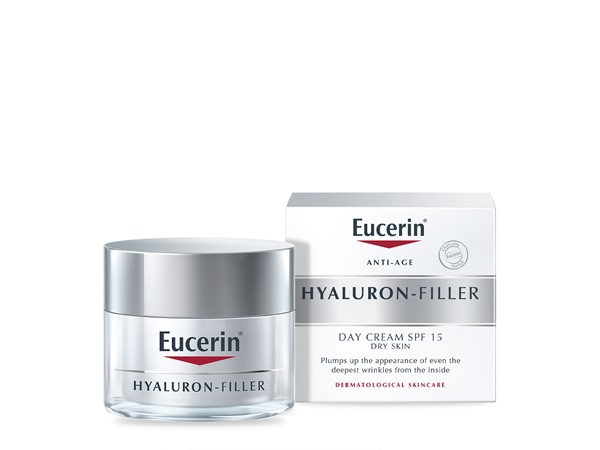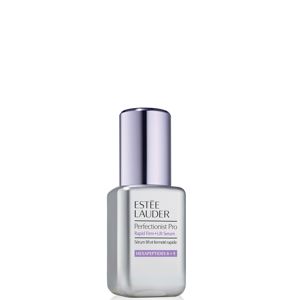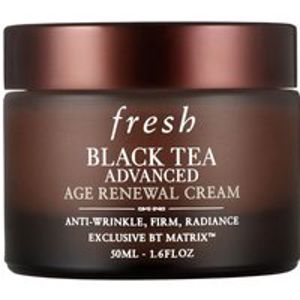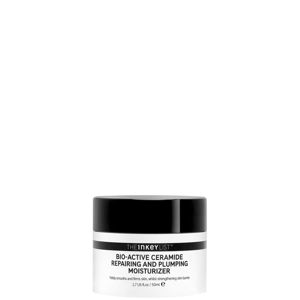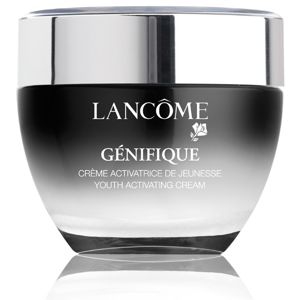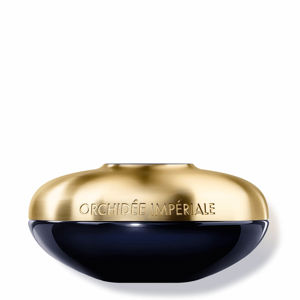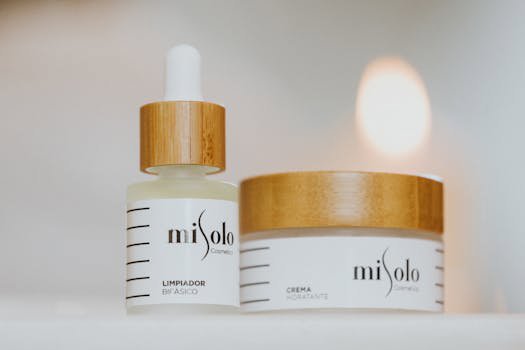

Our price tracker shows a steady rise in sets that pair a daytime moisturizer with a richer night formula. Retailers push the duo hardest around Sephora’s Spring Savings, Ulta’s 21 Days of Beauty, and Black Friday. The marketing reads like a mandate: you need both.
Do you? Sometimes yes. Often no. The right answer depends on your skin, your climate, and which actives you already use. The data points to one clear theme: formulas change a lot between AM and PM, but your routine doesn’t need to double just because a box says “day” and “night.”
Behind the labels sit two different jobs. Day creams support protection, makeup wear, and all-day comfort. Night creams lean into repair, renewal, and barrier support while you sleep. That split makes sense. It doesn’t mean every woman needs two separate jars.
Context: why brands split day and night formulas
Skin runs on a circadian rhythm. Oil flow peaks in the afternoon. Transepidermal water loss rises overnight. UV strikes during the day and drives most visible aging. Brands build creams around those patterns because the needs shift in a 24-hour cycle.
By day, you battle sunlight, pollution, and makeup slip. You want antioxidants, lightweight emollients, and a finish that plays well under foundation. Some day creams include sunscreen. Others skip SPF and focus on priming texture.
By night, you skip UV defense and focus on renewal. That invites higher levels of retinoids, acids, or barrier lipids. Many women also tolerate richer textures better in bed than under makeup. The labels reflect those use cases more than a strict rule.
Price also shapes the split. You’ll find lighter AM gels at Target and CVS, then richer night creams at Sephora or Nordstrom. That stock mix mirrors tiered budgets as much as skin science. Use our comparison pages to check which stores carry your pick and where the price looks best. We track prices across Sephora, Ulta, Target, Amazon, and Nordstrom so you don’t have to.
{{IMAGE:woman applying moisturizer in morning light}}What makes a day cream a day cream
Brands build day creams for protection and wearability. They choose textures that sit smoothly under sunscreen and makeup. Think gel-cream, lotion, or a bouncy balm that sets without tack. Many formulas include film-formers that help foundation grip without pilling.
Ingredient trends skew protective. You’ll see vitamins C and E, ferulic acid, niacinamide, coenzyme Q10, green tea, and resveratrol. These antioxidants fight environmental stress. They also support a brighter look that reads well in daylight. Some day creams use caffeine to deflate morning puffiness.
SPF raises the real fork in the road. Day creams with sunscreen can simplify your routine. They can also limit flexibility. If you need a high mineral SPF on the beach and a dewy finish at your desk, a separate sunscreen gives more control. If you prefer fewer layers and spend hours indoors, an all-in-one can help you stay consistent. See options in our SPF Protection Products category and compare texture claims before you commit.
You also want compatibility with makeup. If you wear foundation, choose a day cream that sinks in within a few minutes and leaves a satiny feel. You can test synergy by checking user notes on pilling and finish in our listings. If you use a dedicated primer, skim our Face Primers category and match the finish. Pair dewy creams with hydrating primers, or balance them with a soft-matte option.
What night creams do differently
Night creams focus on renewal and comfort. Brands raise the level of occlusives and barrier lipids to reduce overnight water loss. Look for ceramides, cholesterol, fatty acids, squalane, shea butter, and glycerin. You’ll also see soothing agents like panthenol, allantoin, or bisabolol to offset strong actives in your routine.
The PM slot suits retinoids, bakuchiol, alpha hydroxy acids, polyhydroxy acids, and peptides. UV triggers sensitivity with some of these, so brands keep them in night formulas. Gentle enzyme exfoliants and encapsulated retinol also show up here because you can let them work without makeup on top.
Texture runs richer, but it doesn’t need to feel heavy. Gel-cream night formulas now deliver solid barrier support without waxy drag. If you dislike thick occlusives, try a lotion and add a thin layer of petrolatum or balm only where you need it. You control the seal without smothering your T‑zone.
Fragrance appears more often in night creams. Some users enjoy the ritual. Sensitive skin may not. If you react to scent or essential oils, shortlist fragrance-free filters in our Night Face Moisturisers category. Add contenders to your wishlist, and we’ll ping you when prices drop.
Ingredients to target in the morning vs the evening
AM focus: antioxidants, hydration, and support for sunscreen. Vitamin C supports brightening. Niacinamide helps with redness, pores, and barrier strength. Hyaluronic acid and polyglutamic acid plump hydration. Panthenol and betaine calm. You can also use peptides in the morning, especially copper peptides or signal peptides that don’t clash with SPF.
PM focus: retinoids, exfoliants, and lipids. Retinal, retinol, and retinyl esters target texture and tone. AHAs like lactic or glycolic smooth. PHAs offer a gentler nudge for sensitive skin. Peptides and ceramides build comfort around actives. If you use prescription tretinoin, your night cream should center on barrier repair, not more actives.
Watch for clashing stacks. Many women layer vitamin C under sunscreen in the morning. That plays well. Retinoids and strong AHAs can irritate when combined nightly. Rotate them, or try “buffering” with a richer cream. If you want fewer layers overall, look for all-in-one anti-ageing options in Anti Ageing Face Creams. Read the ingredient list and check our filters for retinoid strength and acid type.
Brand families can help you build a matched set. You’ll see daytime antioxidant creams and nighttime retinoid creams across mid-tier and prestige lines from Clinique, Estée Lauder, Shiseido, and L'Oréal. Open those brand pages to check texture notes and set pricing across retailers in one view.
Do you actually need both?
Short answer: not always. If your day cream doesn’t include SPF and you wear a separate sunscreen, a single well-formulated moisturizer can cover both slots. Choose a texture that feels good under makeup yet supports overnight comfort. Then lean on serums to “day vs night” the routine with actives.
Two-cream routines make sense when you want fewer steps. A day cream with antioxidants and SPF can replace two layers. A night cream with lipids and retinoid can replace a separate serum plus moisturizer. If you dislike layering and you want clear AM/PM goals, two creams can simplify and improve adherence.
Climate also pushes the decision. Women in humid regions often prefer a gel or lotion by day and keep the same at night. Dry climates or winter in the Northeast can demand a richer PM product. If your skin feels tight at bedtime, go richer at night even if you keep one cream in the morning.
Make a call using three checks: finish under makeup, comfort at night, and ingredient coverage. If one cream nails all three with help from your vitamin C and retinoid serums, you don’t need a second jar. If not, split the job. You’ll get better results and less frustration.
How to shop smart by skin type and climate
Oily or acne-prone skin: choose lightweight emulsions with non-comedogenic emollients. Look for niacinamide, zinc PCA, and green tea by day. Keep retinoids and gentle exfoliants for night, buffered by a humectant-rich gel. If you wear foundation, a satin finish helps control shine. Pair with long-wear formulas in our Liquid Foundations listings and read pilling reports before you buy.
Balanced or combination skin: use a flexible gel-cream by day, then layer richer at night only where you need it. Zone your cheeks with a denser balm and leave the T‑zone light. You can also keep one universal moisturizer and add a thin occlusive as a final step only on dry areas.
Dry or mature skin: reach for lipid-heavy night creams with ceramides and cholesterol. By day, choose a cushiony cream that still sets under makeup. Antioxidants and peptides play well here. If you crave extra glow, mix a tiny drop of face oil into the night cream, not the morning one under SPF. Scan our Day Face Moisturisers and Night Face Moisturisers and sort by texture tags.
Climate watch: the humid South rewards gels and lighter films. The dry West often needs an occlusive bump at night. Winter in the Northeast can demand a seasonal switch to thicker creams. Build a small wardrobe and rotate with the weather rather than forcing one jar to do it all, all year.
Build it: a clear AM/PM routine that works
Morning steps:
- Cleanse lightly or just rinse if you feel clean. Over-cleansing can strip.
- Apply an antioxidant serum if you use one. Vitamin C fits well here. Check our Day Face Serums if you want a single-step hydrator with actives.
- Use your day cream. Choose a finish that sits well under makeup.
- Apply sunscreen. If your day cream lacks SPF, this step matters. Browse SPF Protection Products and filter for mineral or chemical.
- Primer and makeup, if you wear them. A light primer can help foundation grip without adding weight.
Evening steps:
- Remove makeup and sunscreen with a proper cleanse.
- Apply your treatment step. Use retinoids or acids on alternate nights if you run sensitive.
- Seal with your night cream. Pick a texture that relieves tightness before you sleep.
- Spot occlude only where you need a stronger seal. A thin layer over the corners of the mouth or around the nose can save the whole face from heaviness.
You can keep this routine with one moisturizer or split it into two. The structure stays the same. The textures and actives change to suit your skin and schedule.
Save or spend: where to put your budget
Our price feed shows frequent swings on moisturizers across retailers. Day creams with and without SPF move the most during big sales. Night creams with retinoids swing less but still discount in sets. You can save by watching bundles and timing refills.
Spend on texture and stability. If a cream feels off under makeup, you won’t use it. That waste costs more than any saving on the sticker. For SPF, pay for a texture you can wear daily. Many women get better consistency with separate sunscreen and a non-SPF day cream. That mix gives more choice across seasons and finishes.
Great options exist at every tier. You’ll find well-rated moisturizers under the L'Oréal umbrella at drugstores, and strong anti-ageing ranges at Clinique. Prestige lines like Estée Lauder and Shiseido push texture and tech further. Use our comparison tool to check stock across Sephora, Ulta, Target, Amazon, and Nordstrom in one place. Add your picks to the wishlist, and we’ll alert you when retailers run a promo.
{{IMAGE:flatlay of day and night creams with labels}}Myths to skip and labels to read
Myth: every woman needs a separate night cream. Reality: you may get better results from one flexible moisturizer plus targeted serums. Split when texture or actives demand it, not because a set looks tidy.
Myth: blue light claims matter most in a day cream. Screens emit far less skin-aging energy than the sun. Focus on sunscreen and antioxidants. If a product touts blue light filters, weigh it as a bonus, not a core benefit.
Label checks that help:
- Texture before buzzwords. If it pills under sunscreen or makeup, it fails the daytime job.
- Fragrance position. If scent sits high on the list and your skin runs reactive, skip it, especially for night.
- Encapsulation and packaging. Airless pumps protect retinoids and vitamin C blends better than wide jars.
- Actives in context. Retinol baked into a heavy night cream might beat a separate serum you forget to use.
Expiration dates also matter. Sunscreen filters and retinoids degrade. Buy sizes you can finish. Add your favorites to the wishlist so you can restock during sales instead of hoarding backups that age out.
If you want the shortest routine possible
Two steps can still cover the bases. Morning: antioxidant day cream and a proper sunscreen. Evening: retinoid night cream. That’s it. You can get fancy on weekends if you enjoy masks or extra serums. On busy weeks, stick to the core and protect your barrier.
If even that feels heavy in summer, run one lightweight moisturizer in both slots. Keep your vitamin C and retinoid in serum form. That swap makes the moisturizer a neutral base and moves the “day vs night” action to slim serums. You’ll dial up or down without changing your cream.
If you hate layering, pick a day cream with antioxidants and SPF, and a night cream with retinoid and lipids. Keep your cleanser gentle. Add a hydrating mist only if your climate runs extra dry. You’ll still tick the big boxes with two jars and four total steps.
Real-world buying paths that work
Path 1: one cream, two serums. Choose a midweight moisturizer that sets cleanly. Use vitamin C by day and a retinoid by night. This path suits oily to combination skin and women who prefer thinner layers.
Path 2: two creams, no serums. Pick a day cream with antioxidants or SPF and a night cream with retinoid or peptides. This path suits minimalists who want two quick steps and steady compliance. Scope options across Day Face Moisturisers and Night Face Moisturisers, then compare textures side by side.
Path 3: same cream, seasonal tweak. Use a single gel-cream most of the year. In winter, add a richer balm at night. In peak summer, add blotting or a mattifying primer to keep makeup in place. This path fits climates that swing dry to humid across the calendar.
Whichever path you choose, build around sunscreen you enjoy wearing. That habit drives more anti-ageing impact than any swap between day and night jars. You can explore formulas by filter in our SPF Protection Products category and set price alerts for your top picks.
What this means for your routine and your wallet
You don’t owe a set to your skin. You owe consistency. Pick textures you like, choose actives that suit your goals, and buy where the price runs best that week. Our tracker catches frequent shifts across major retailers. Add your shortlist to the wishlist so we can nudge you when a sale hits.
If you already use vitamin C by day and retinoid by night, you can keep one moisturizer. If your makeup slips or your barrier feels parched at bedtime, split the job into two creams. Watch the weather, watch your skin, and adjust. That rhythm beats any one-size-fits-all rule.
We rate routines that feel simple on busy days and flexible on fussy-skin days. That balance keeps you using the products you own. It helps you finish bottles before they expire. It also frees your budget for the products that make the most impact.
How do you build your AM and PM split? Do you prefer one reliable cream or a matched pair? Tell us what works for your skin and climate. Then add your picks to your GlamGeek wishlist, and we’ll keep an eye on prices while you get on with your day.