Our price tracker flags the same pattern every year: the anti‑ageing aisle grows, the claims get louder, but the formulas that work cluster around a handful of proven ingredients. When you strip hype away, the winners look familiar—retinoids, peptides, vitamin C, ceramides, and daily SPF.
New labels launch weekly. The good news is you don’t need them all. You need the right ingredient, the right texture, and a routine you can stick to. The data supports that far more than a brand story ever will.
Why this short list matters right now
Across our merchant feed, anti‑ageing creams have posted steady price increases since 2020. We also see deeper discounting windows during Sephora Spring Savings and Ulta 21 Days of Beauty, plus an end‑of‑year push around Black Friday and holiday kits. That tells us demand stays high, but buyers want proof before they spend.
Proof means ingredients with human data behind them. Retinoids remain the top driver for visible wrinkle reduction. Vitamin C improves brightness and supports collagen. Peptides help smooth and plump the look of skin, especially when paired with humectants. Ceramides repair a stressed barrier so the actives you chose can actually do their job. SPF prevents most of the damage you’re trying to treat. Nothing flashy. Very effective together.
The U.S. market also splits by retailer. Target and drugstores focus on value formats from mass brands. Sephora and Nordstrom stock more premium textures and brand‑led systems. Amazon adds convenience and size variety, but packaging and batch freshness can vary. We track prices across these channels so you don’t have to compare in five tabs. Use the price graph on GlamGeek, add favorites to your wishlist, and we’ll ping you when a product you want drops.
{{IMAGE:woman applying face cream at bathroom vanity}}Retinoids: the heavy lifter for texture and lines
Retinoids support cell turnover and collagen over time. Prescription tretinoin hits hardest and often irritates at first. Over‑the‑counter options slow the ramp but still deliver. The most common: retinol, retinal (retinaldehyde), and granactive retinoid (HPR). Retinal usually sits between retinol and prescription in punch. HPR targets receptors in a different way and can feel gentler for some.
Look for airless, opaque packaging. Retinoids break down with air and light. Fragrance can sting when you start, so a simpler base helps. If a night cream lists retinol or retinal near the top of the INCI, that’s a good sign. If it hides at the end of a very long list, expect slower change.
Start slow, not brave. Two nights per week for two weeks. Then three nights for two more. Work toward most nights if your skin allows. Use a pea‑size amount for your whole face. Spread on dry skin after cleansing. Add a plain moisturizer on top to buffer if you feel tight.
- Use retinoids at night; they can increase sun sensitivity.
- Pair with a barrier cream if you feel dry or live in a cold or arid climate.
- Skip retinoids during pregnancy and breast‑feeding. Speak with your doctor first.
Many night creams bundle retinol with ceramides so you can do both steps at once. If you prefer a layered routine, put your retinoid in serum form and lock it with a simple moisturizer. Check our Anti Ageing Face Creams and complementary Anti Ageing Face Serums for textures that fit your skin and season. Our tracker often spots better value at mass retailers for retinol basics, while prestige options win on elegant finishes and packaging.
Peptides: support players that smooth and plump
Peptides are short chains of amino acids. Some act as signals that nudge skin to make more of what it needs. Others act as carriers, for example copper peptides that deliver trace minerals. Common names to watch for: palmitoyl pentapeptide‑4 (often sold as Matrixyl), palmitoyl tripeptide‑1, acetyl hexapeptide‑8, and copper tripeptide‑1. You’ll find these in creams that promise “firming” or “plumping.”
What do they do in real life? They help soften the look of fine lines and improve bounce when you use them consistently. They pair well with humectants like glycerin and hyaluronic acid. Many women like peptides in a day cream because they play nicely under sunscreen and makeup with little risk of flaking.
Can you mix peptides with stronger actives? Yes, in most cases. Reserve the heavy hitters—retinoids and acids—for night. Use a peptide cream in the morning over a hydrating serum, then follow with SPF. If you keep vitamin C in your morning routine, put vitamin C on bare skin, wait a minute, then apply your peptide moisturizer.
Peptides appear across price tiers. Mass brands deliver them in simple, fragrance‑light bases. Prestige labels often add a thicker, more cushioned texture and a luxury scent. We rate peptide creams that list the active near the top of the INCI and still feel breathable. If you want names to explore, major lines from Clinique and L'Oréal often balance value and results. Compare across retailers on GlamGeek and add your pick to a wishlist to catch discounts during big promo weeks.
Vitamin C: brightness, tone, and collagen support
Vitamin C does three key jobs: reduces the look of dark spots, boosts radiance, and supports collagen. The pure form, L‑ascorbic acid, gives the fastest results when a formula keeps it stable. You’ll see the best stability in opaque, airless bottles. Water‑light serums work well under sunscreen, which you must wear because vitamin C does its best work in the morning.
Derivatives like sodium ascorbyl phosphate (SAP), magnesium ascorbyl phosphate (MAP), and ascorbyl tetraisopalmitate can suit sensitive skin. They convert to active vitamin C in the skin at different rates, so they tend to work slower but feel calmer.
How to choose? If you tolerate actives well and want quick brightening, go for a well‑packaged L‑ascorbic acid serum and finish with SPF. If your skin gets red or itchy easily, try a cream with SAP or MAP. You can still expect glow and more even tone over time, especially when you use it daily.
Formula partners matter. Vitamin E and ferulic acid stabilize vitamin C and boost performance. Fragrance can spoil the party for sensitive users. If you layer vitamin C and a peptide cream, wait a minute between steps to reduce pilling. Browse options in Anti Ageing Face Serums, then lock with a moisturizer that suits your climate. Prestige brands such as Estée Lauder often deliver refined textures that sit well under makeup, while mass brands nail straightforward value. Always finish with a broad‑spectrum product from our SPF Protection Products.
Ceramides and barrier lipids: the quiet fix that makes everything work
Your barrier lives in the top layers of skin. It holds water in and keeps irritants out. When you use strong actives or face dry cold air, that barrier frays. Ceramides, cholesterol, and fatty acids repair it. Get these in your cream and you reduce flaking, tightness, and redness. You also make your retinoid easier to stick with.
Ingredient lists vary, but look for ceramide NP, ceramide AP, ceramide EOP, cholesterol, phytosphingosine, and fatty acids like linoleic acid. Some formulas also add urea to soften rough patches. The best barrier creams feel rich yet absorb without a waxy film. If your skin drinks moisturizers, you may need a thicker night formula and a lighter day option that layers under sunscreen.
Pair ceramides with humectants such as glycerin and hyaluronic acid to pull water in, then use occlusives like squalane or shea butter to slow water loss. That trifecta—humectant, emollient, occlusive—keeps skin steady while you run your active routine in the background.
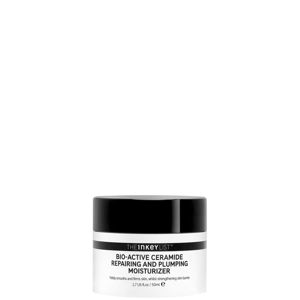
Two use cases we see often in the reviews: women who start a retinoid and peel, and women who move to a colder, drier climate and feel tight all day. A ceramide‑heavy cream solves both. You’ll find barrier‑first moisturizers across price tiers, from value jars at drugstores to luxe airless pumps in department stores. Our Anti Ageing Face Creams section lets you filter for ceramides so you can scroll products that actually match your needs.
SPF: the daily non‑negotiable that prevents most aging
SPF won’t erase a wrinkle, but it prevents the sun from making more of them. UVA hits collagen and elastin all day, all year. You need a broad‑spectrum sunscreen every morning. Aim for SPF 30 or higher and apply enough to cover your face, ears, and neck. Reapply if you spend hours outdoors.
Choose a texture you will use. Gels and fluids suit humid summers. Creams suit dry winters. Mineral filters like zinc oxide and titanium dioxide suit sensitive or post‑procedure skin. Organic filters (often mislabeled as “chemical”) feel lighter and leave less cast on deeper skin tones. Tinted mineral options help blend the cast if you want mineral but dislike the white look.
Makeup with SPF helps but does not give full coverage at the amount most women apply. Use a dedicated sunscreen, then put makeup on top. We track price swings on sunscreens across Sephora, Ulta, Target, and Amazon all year. Some weeks show aggressive multipack deals; other weeks, prestige skews offer gifts with purchase. Check our SPF Protection Products hub, add a couple of contenders to your wishlist, and watch the chart before you buy.
{{IMAGE:flatlay of sunscreen, vitamin C serum, and night cream}}Niacinamide, acids, and bakuchiol: the smart supporting cast
Niacinamide earns its spot for its wide reach. It helps with texture, pores, redness, and barrier strength. You’ll find it in many moisturizers and serums because it plays well with most actives. Use it morning or night. Pair it with ceramides if you want a calm barrier while you introduce retinoids.
AHAs and BHAs smooth and brighten. Glycolic acid targets texture and fine lines. Lactic acid does a gentler version and boosts hydration. Salicylic acid helps clear congested pores. Use acids at night, not on the same nights you use a retinoid if your skin complains. Start with a once‑weekly chemical exfoliant and build to two or three nights if you tolerate it. Over‑exfoliation shows up as tight, shiny skin that stings—a sign to stop and add barrier creams. If you prefer a rinse‑off option, check controlled‑strength picks in Face Exfoliants.
Bakuchiol often headlines as a “retinol alternative.” It comes from the babchi plant and offers some retinoid‑like benefits without the same irritation for many users. We see it work best for women who cannot tolerate retinoids or want a daytime option to pair with vitamin C. Do not expect prescription‑level change, but do expect smoother texture and a more even tone over time.
How to fit these in: alternate nights. For example, acids Monday and Thursday, retinoid Tuesday and Friday, simple moisturizer the other nights. Or use a niacinamide cream nightly and add an acid once per week. Keep your routine steady for four to six weeks before you judge it.
Build a routine for your climate and skin type
America does not give us one skin climate. Gulf Coast humidity floods pores and keeps skin dewy. Denver air dries skin fast. Northeast winters bite. Texture matters as much as the ingredient list, and frequency matters more than ambition.
Oily or combination in humid weather: keep it light. Morning: cleanse, vitamin C serum, peptide gel‑cream, sunscreen. Night: cleanse, retinoid serum, light moisturizer only if you feel tight. Skip heavy occlusives unless you travel to drier air.
Dry or mature skin in arid or cold weather: bring cushion. Morning: gentle cleanse or rinse, vitamin C or niacinamide, a ceramide‑rich cream, sunscreen. Night: cleanse, retinoid cream or serum, then a nourishing barrier cream with ceramides and squalane. Add a hydrating mask once a week if you need more slip.
Sensitive skin: simplify and buffer. Morning: rinse, niacinamide serum, simple moisturizer, sunscreen. Night: cleanse, a retinoid only twice a week to start, layer a fragrance‑free ceramide cream on top. Use acids rarely, and patch test on your jawline first. Our Anti Ageing Face Creams filters help you find fragrance‑free and “for sensitive skin” picks quickly.
Packaging, potency, and how to read the label
Packaging protects your formula. Opaque, airless pumps conserve retinoids and vitamin C. Clear jars with wide lids invite air and light, which degrade actives with every open‑and‑close. If a jar wins on experience but holds a light‑sensitive formula, use it consistently and close it fast. Store vitamin C and retinoids away from heat and windows.
“Clinical” language on the box needs backup. Look for specific ingredients and recognizable names near the top of the INCI. For vitamin C, check whether it says L‑ascorbic acid or a derivative. For peptides, read for palmitoyl tripeptide‑1, palmitoyl tetrapeptide‑7, acetyl hexapeptide‑8, and copper tripeptide‑1. For ceramides, watch for ceramide NP, AP, EOP, and cholesterol. If the actives sit after fragrance and colorants, temper expectations.
Watch the Period After Opening (PAO) symbol. Most creams last 6–12 months after opening. Vitamin C serums often darken as they oxidize. If a formula turns orange‑brown and smells sharp, retire it. Retinoids usually stay stable for the labeled shelf life if you cap and store them right.
Fragrance and essential oils can add a pleasant ritual, but they trigger redness for some women. If your skin reacts, move to fragrance‑free formulas and keep your routine short. We spot great fragrance‑free options from value lines and also from heritage houses like Clinique. Compare bases and choose what your skin tolerates.
When to save, when to spend, and where to buy
Save on barrier basics. Ceramide moisturizers perform well across price tiers. Many drugstore formulas match the lipid mix at a fraction of the cost. Spend where stability and actives count: vitamin C serums and retinal creams benefit from superior packaging and well‑researched complexes, which often show up in mid to high‑tier lines.
Target, CVS, and Walgreens shine for value retinol and peptide creams. Sephora, Nordstrom, and Bluemercury offer more elegant textures, airless formats, and brand ecosystems. Amazon sometimes wins on size options and same‑day delivery, but check seller credibility and packaging details. We track all these merchants and show you current availability and recent lows. Add products to your GlamGeek wishlist and set price alerts before big events like Ulta 21 Days of Beauty, Memorial Day sales, and Black Friday.
Bundled kits can stretch your budget when you want to test a system. Vitamin C plus moisturizer plus SPF trios show up often during gifting season. Explore curated values in Skin Care Sets. Check the milliliters against the full‑size listing to confirm value. Our price graph helps you compare kit cost per ounce versus the individual products.
If you want well‑known lines to anchor a routine, heritage brands such as Estée Lauder and value leaders like L'Oréal both offer retinol creams, peptide moisturizers, and vitamin C options. Use GlamGeek’s compare button to see which retailer lists the best price today and which one offered the best price in the last promotional cycle.
Realistic timelines and how to track progress
Retinoids take time. Expect texture to smooth first, then fine lines to soften. Give it 8–12 weeks of consistent use. Vitamin C can boost brightness within a few weeks, with dark spots fading more slowly. Peptides give a quicker plump look but build results with steady use. Ceramides calm irritation fast, sometimes overnight, but barrier strength grows with repeat use.
Take a photo in the same light every four weeks. That beats memory. If your skin looks or feels worse after a month—red, peeling, stinging—cut frequency, add a barrier cream, and pause acids. If things still feel off, step back to basics and re‑introduce one active at a time. Your routine should feel steady. It should not hurt.
Track spend as well as results. Our price alerts save women from paying full price out of habit. Many prestige creams cycle through predictable promotions at least twice a year. Mass retinol and ceramide creams often go on weekly promo in drugstores. Use the wishlist function and let the notifications work for you.
What this means for your next cream
Start with your goal and tolerance. If lines and texture top your list and you tolerate actives, make a retinoid the star of your night routine. If uneven tone or dullness bothers you most, pick a morning vitamin C serum and support it with a peptide cream. If your skin feels compromised, make a ceramide‑rich moisturizer your anchor for four weeks, then layer actives back in.
Keep the routine short enough to keep. Morning: cleanse or rinse, targeted serum, moisturizer if you need it, SPF. Night: cleanse, retinoid or acid on alternate nights, barrier cream. Shop smart by comparing formulas and prices on GlamGeek. Use category pages like Anti Ageing Face Creams and Anti Ageing Face Serums to filter by ingredient, texture, and fragrance status. Add the top two to your wishlist, and wait for the drop.
Bottom line: The ingredients that work have worked for years. Retinoids, vitamin C, peptides, ceramides, plus daily SPF. Pick versions your skin will accept, buy them when they’re actually on sale, and give them enough time to do the job.
Tell us what you’re weighing up
Which ingredient do you want to build around next—retinoid, vitamin C, or a barrier‑first cream? Add a couple of contenders to your GlamGeek wishlist, and we’ll alert you when prices shift at Sephora, Ulta, Target, Amazon, or Nordstrom. If you want brand examples to start the search, many women compare retinol and peptide options from Clinique and L'Oréal before they buy. What are you narrowing down?