Most women own more lipsticks than they finish. Our price tracker also shows constant new launches and limited shades that tempt a fresh add-to-cart every week. That mix leads to one blunt question: when should you toss a tube?
We see the same shades circle in and out of promotion at Sephora, Ulta, and Amazon several times a year. The rotation encourages top-ups, not empties. Lipstick still expires, though, and the signs usually show up before you expect them.
Here’s the clear answer: lipstick does expire. Heat, oxygen, and time change texture, scent, and color. The trick is knowing your format’s typical shelf life, spotting the early red flags, and storing each tube so it actually reaches those timelines.
Context: What the dates and symbols really mean
U.S. law doesn’t require a fixed shelf life for color cosmetics. Manufacturers test stability, then set guidance by format. You’ll usually find the open-jar icon—the Period After Opening (PAO) symbol—on the box or the bottom label. A “12M” symbol means the brand recommends 12 months once you uncap it.
Across our merchant feed, we see most bullet lipsticks list 12–24 months PAO. Many liquid mattes and glosses sit around 6–12 months after opening. Brands tend to give lip liners a longer window because you sharpen away the exposed tip. We don’t see perfect consistency across brands, but the ranges hold by format.
Unopened products usually last longer. Many lip formulas remain stable for two to three years unopened if you store them cool and dry. That range isn’t a legal guarantee. It reflects how oils, waxes, film-formers, and pigments hold under typical warehouse and home conditions. Our returns data rises when products ship during heat waves, which tracks with common complaints: soft bullets, sweating, and separation.
Promotions matter as well. We see lip value sets surge around Ulta’s 21 Days of Beauty and Sephora’s Spring Savings event. Great deals help, but a big set can outlast your usage window. Minis or classic shades you finish tend to deliver better value than a giant rainbow you barely open.
{{IMAGE:opened lipstick bullet with PAO symbol on packaging}}Why lipsticks expire: what sits inside the tube
Formula chemistry sets the clock. Most bullet lipsticks blend plant or mineral waxes, emollient oils, and pigments. Oxygen eventually oxidizes those oils. The scent shifts to crayon or stale nuts as triglycerides break down. Waxes can also crystallize. That change feels gritty and looks streaky.
Liquid mattes and long-wear paints often lean on volatile solvents and film-formers. Those ingredients deliver transfer resistance, but they evaporate over time. The formula thickens, separates, and applies patchy. Glosses carry more emollients and sometimes flavor. Flavor and fragrance can mask early changes, but they don’t stop oxidation. You still notice a sweet-turned-plastic scent once the base turns.
Preservatives control microbes in water-based systems. Most bullets don’t hold much water, which helps. Liquids and glosses use more water or humectants, so they rely more on preservation. Every applicator dip also introduces saliva and skin flora. That reality shortens the healthy window compared with a clean-sliced bullet top.
Typical shelf life by format
Use these ranges as practical guardrails. Always check the PAO on your specific product, then cross-check with how it looks, smells, and behaves.
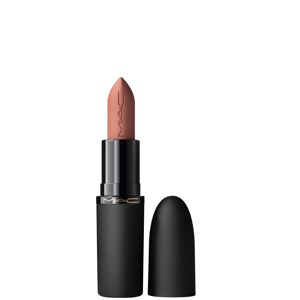
Bullet lipsticks: Many bullets reach 12–24 months after opening when you cap them tightly and store them away from heat. Iconic bullets, like classic reds from MAC or delicate nudes from Charlotte Tilbury, use wax-heavy bases that hold up well if you keep them cool. You still need to toss them when the scent turns or the surface looks sweaty and gritty.
Liquid mattes: Expect about 6–12 months after opening. Film-formers and pigments can separate in the tube over time, and frequent wand use pushes air into the formula. Many bestsellers from Tarte and trend brands like Morphe and Revolution follow this pattern. If the wand pulls out with thick strings, the window likely closed.
Glosses: Many glosses live in the 6–12 month range. High-oil, flavored bases spoil or separate sooner if you stash them in a hot car or a steamy bathroom. If you spot cloudiness, strange sweetness, or a plasticky shift, retire it.
Balms and balm-gloss hybrids: You’ll often get 12–24 months from twist-up balms and cushiony oils if you keep caps tight. Think of sheer tints from Clinique or juicy finishes from Tarte. Fragrance-free versions may broadcast rancidity faster because nothing masks the change. That helps you spot the end sooner.
Lip liners: Pencils usually last close to 24 months after opening. You reduce surface microbes when you sharpen regularly. That fresh cut helps formulas from L'Oréal, KIKO, or MAC stick to the longer end of the range. Watch for a dry, crumbly tip or a white cast along the lead. Both hint at a binder shift.
Five reliable signs your lipstick turned
Trust what you see, smell, and feel. PAO offers a direction, not a guarantee. These five checks catch most duds before they cause irritation.
Smell shift: Fresh bullets smell neutral, waxy, or lightly perfumed. Rancid oils smell like crayons, stale nuts, or old cooking oil. A strong plastic or rubber scent also signals trouble.
Texture change: Grit, bumps, or crystals on a bullet signal wax crystallization. Liquid lips that string or clump on the wand won’t apply cleanly. Gloss that feels gummy or separates into layers needs the bin.
Color drift: Faded reds, brown-leaning pinks, or a yellow cast shout oxidation. Pigments don’t rot, but the base around them does, and the shift shows up on your lips as dull or patchy.
Surface “sweating”: Beads on a bullet often mean oil migration under heat. One humid afternoon can cause temporary sweating, but repeated beads suggest ongoing destabilization.
Irritation: Tingling that stings, new flaking, or a chapped feeling after application can signal breakdown byproducts or contamination. Remove the product and stop use if you feel that change.
Storage that actually extends shelf life
Heat speeds every failure mode in lip formulas. Cool, dry storage slows oxidation, solvent loss, and microbial growth. That rule sounds simple, but it guides every smart habit.
Cap tightly: Air feeds oxidation. Close the bullet or click the doe-foot closed after each use. Wipe off extra product before you close the tube. Clean threads keep an airtight seal.
Pick the right spot: Avoid car consoles and bright windowsills. A dresser drawer or acrylic organizer in a bedroom works better than a steamy bathroom. Humidity creeps into caps and encourages separation in glosses.
Consider the fridge—sometimes: A dedicated beauty fridge can help during heat waves in the South or West. Aim for a middle shelf and stable temps. Avoid door shelves and extreme cold. Very low temps can cause wax bloom or cracks in bullets.
Travel smarter: Use minis for trips and toss puffy-pouch storage. A rigid lipstick case protects soft bullets from impacts and heat. Don’t leave a cosmetics bag in a parked car. One scorching hour can shorten a product’s useful life by months.
{{IMAGE:woman organizing lipsticks in a drawer}}Hygiene rules: yes, they matter
Lips touch food, saliva, and skin flora. Each swipe adds more microbes to the tube. Strong preservatives help, but smart habits keep the formula cleaner for longer.
Skip sharing: Don’t pass around glosses or liquid lipsticks. Shared wands spread microbes quickly. If you need to share a bullet, scrape a sliver onto a clean palette and use a brush. Then disinfect the palette and brush after use.
Sanitize bullets: Artists often spritz a clean tissue with 70% isopropyl alcohol, wipe the bullet, and let it dry open for a minute. You can also shave a thin layer with a clean blade if the surface looks suspect. Replace caps only after everything dries.
Use lip brushes wisely: A brush reduces direct contact with the bullet. Clean it with brush soap or 70% isopropyl after every use. Check options in Makeup Brushes & Applicators and add a reusable palette to your kit.
Pause use during cold sores: Set aside all lip products while a sore heals. Resume with fresh or sanitized items after the skin recovers. That simple pause reduces reinfection risk.
How to read PAO, batch codes, and packaging clues
PAO symbol: Look for a small open jar with “6M,” “12M,” or similar on the box or tube. That number starts once you first open the product. Mark the cap with a thin piece of tape and the month you opened it. The sticker keeps you honest when the year speeds by.
Batch codes: Many brands stamp a code on the box flap or the tube crimp. You can often email customer service for the production month. That helps when you find a long-lost backup in a drawer. The information also helps you evaluate warehouse age during outlet sales.
Packaging tells a story: Airless packaging slows solvent loss in paints and creams. Thick-walled bullets resist heat better than slim, minimal tubes. Clear gloss tubes show separation early, which helps you decide fast. Opaque tubes hide changes, so rely on smell and texture instead.
Refills and pans: Several brands—think Charlotte Tilbury and luxury houses like Guerlain—offer refillable bullets. Refills help you track the open date better, because you swap the inner core. The outer case lasts, but the inner still follows the same PAO guidance.
When to replace and how to dispose responsibly
Replace at the first clear sign of spoilage. You won’t recover a separated gloss or a crayon-scented bullet with hacks. Temperature tricks and shaking won’t reverse chemical change. Old lips products can irritate a sensitive barrier, especially after a cold or in winter.
Dispose better: Wipe or scrape out the leftover product into household trash. Then rinse the tube if the brand accepts clean returns. Some programs accept empty tubes by weight. Policies change often, so check each brand page. Start with brands that run known recycling or take-back offers, like MAC.
Avoid home melting: DIY re-melting can scorch oils and worsen rancidity. Scrapbooking or art use might seem clever, but old emollients still carry an odor. Safe disposal beats a second life that disappoints.
Set a reminder: Use your calendar app. Create two lists—bullets at 18 months and liquids/glosses at 9 months. Assign brand and shade names. That mini system saves time and keeps your everyday shades fresh.
Buy smarter: formats, shades, and timing that reduce waste
Match format to wear pattern: If you love a bold matte once a month, buy a mini. Save full sizes for your daily nude or rose. You’ll finish that tube on time. Minis also travel better and survive heat swings during summer weddings or holiday trips.
Choose classic shades you’ll finish: Timeless reds like MAC Ruby Woo and soft pink-browns like Charlotte Tilbury Pillow Talk sell year-round. That consistency helps you restock during big promotions. Use our product pages for MAC and Charlotte Tilbury to track sets and shade bundles.
Shop sets strategically: Multi-brand kits and lip trios pop up during Ulta 21 Days of Beauty and holiday drops. Those kits look generous, but they expire on their own schedules. Focus on curation you’ll actually finish. Browse seasonal Makeup Sets, then use the GlamGeek wishlist to flag the ones you’ll wear weekly.
Compare prices before checkout: Our feed pulls real-time pricing across Sephora, Ulta, Target, Amazon, and Nordstrom. We often see a $5–$10 swing on the same shade family in a given week. Add your picks to your GlamGeek wishlist to catch price drops without checking five tabs.
Ingredient callouts that help (or hurt) longevity
Antioxidants help slow rancidity: Many bullets include tocopherol (vitamin E) or BHT to delay oil oxidation. That support buys time but won’t stop heat damage. Keep tubes cool and capped to let those additives do their best work.
Film-formers deliver wear but hate air: Liquid mattes use resins and polymers that lock color in place. Those resins thicken when solvents evaporate, which happens faster with frequent opening. If you top up often throughout the day, you may prefer bullets, which introduce less air into the formula.
Fragrance cuts both ways: A pretty scent can hide early rancidity. That masking effect keeps you wearing a formula that already changed. Fragrance-free products often reveal spoilage sooner. That clarity can help sensitive lips and cautious shoppers.
Essential oils and flavors oxidize: Peppermint, citrus, and vanilla taste great, but they can oxidize and irritate over time. Replace flavored glosses sooner, especially if you store them warm. A tingle that turns to sting signals the end of the road.
Climate and lifestyle factors across the U.S.
Hot, humid South: Heat plus humidity challenge bullets and glosses. Store lip products in a bedroom drawer and transport them in a rigid case. Skip car storage entirely. Choose sturdy bullets from brands like L'Oréal and Clinique for commute days.
Dry West: Low humidity can thicken liquids and dry out long-wear mattes faster. Cap them immediately after use and rotate often. Balm-gloss hybrids from Tarte or affordable picks from Revolution can feel more comfortable day to day.
Cold Northeast: Indoor heat plus freezing commutes swing temps hard. Keep your bag inside your coat or in an inner pocket. Watch for temporary bullet sweating as you move from cold streets to hot apartments. The beading often clears after the tube settles at room temperature.
Gym and office life: Constant top-ups accelerate air exposure for glosses and liquids. Throw a reliable bullet in a desk drawer and leave the gloss for after-hours. Shop core shades from Sephora Collection for a budget-friendly desk staple and compare prices across retailers before you check out.
Product examples and how to apply the rules
Classic bullets: Heritage lines from Estée Lauder and Lancôme pack dense wax bases. These formulas usually sit near the longer PAO window when you store them cool. Retire them at the first crayon note or visible grit.
Matte liquids: Long-wear lines from Morphe or trend-led shades from Revolution can thicken after 9–12 months. If shaking no longer blends the formula, replace it. Don’t add oil. That hack destabilizes pigments and compromises wear.
High-shine glosses: Cushion glosses from Clinique or drugstore favorites from L'Oréal show separation right in the tube. If a clear layer pools at the top and scent turns candy-plastic, call time. Cap tightly and store upright to stretch life while fresh.
Balm hybrids and tints: Sheer sticks from trend brands keep a casual vibe. They still expire. When a balm leans waxy and drags, or a tint smells off, swap it. Use minis to keep a rotation of fun shades without waste.
Linings and kits: Sharpen liners often to refresh the tip and keep them cleaner. When you shop curated lip kits, mix one full-size staple with minis for seasonal pops. Browse Lipsticks and Lip Glosses on GlamGeek, then add your top picks to your wishlist for price alerts.
What this means for your makeup bag
Every lip product carries an internal timer. You control that timer with storage, hygiene, and purchase habits. Cap tightly, store cool, and rotate based on PAO and how you actually wear each format. Use your senses without hesitation. If scent, texture, or shade shifts, toss it. Your lips will thank you.
Buy with intention. Favor minis for occasional looks and full sizes for daily shades. Use GlamGeek’s comparison to check pricing across major retailers before you buy. Add your favorites from MAC, Charlotte Tilbury, and value picks from Sephora Collection to your wishlist. We’ll ping you when prices drop so you replace on time without overpaying.
Before you toss: a quick check-list
Run this 30-second audit on any lip product that feels off:
- Open, smell, and compare to a fresh or trusted tube.
- Swipe on your hand. Watch for grit, streaks, or strings.
- Check the PAO and your open-date sticker or memory.
- Scan the surface for sweat beads, fuzz, or cloudiness.
- Remember your last wear. Any sting, chapping, or odd taste?
Even one clear red flag earns a bin trip. Replace with a size and shade you’ll finish. Start a short wishlist and set price alerts. Our tracker scrapes inventory changes daily across Sephora, Ulta, Target, Amazon, and Nordstrom so you don’t have to.
One last note on value: a $12 tube that you finish in six months beats a $30 tube that spoils in a drawer. Use usage data, not only brand buzz, to plan purchases. Classic shades from MAC or refined nudes from Clinique often slot into daily rotation better than a dozen one-wear trend colors.
We update our product pages as retailers move stock and launch sets. Explore brand hubs for L'Oréal and Charlotte Tilbury, then browse seasonal Makeup Sets for minis and refills. Mark open dates, trust your senses, and keep your stash fresh without waste.
Which shade in your collection actually reaches the bottom? Tell us the bullet, the liquid, or the gloss you finish every year. We’ll use your picks to build smarter comparison lists and price alerts.