
Layering acne serums with moisturizer safely comes down to three things: product order, how often you use actives, and how much buffering your skin needs. Get those right and you can treat breakouts while keeping dryness, peeling, and redness in check.
We track acne and spot serums and moisturizers across major retailers, and one pattern stays consistent in the data: shoppers buy strong actives first, then scramble for barrier support when irritation hits. A better plan starts with a routine that assumes your skin will push back.
This guide focuses only on Acne & Spot Moisturisers & Serums, and every product recommendation below comes from that category list.

Quick rule of thumb: apply acne serums on clean, dry skin, then seal with a moisturizer that fits your oil level. Spot creams go last, right where you need them.
The layering basics: order, texture, and contact time
Most acne routines fail because people stack too many “fix it” steps at once. Skin reads that as stress. Then it overproduces oil or flakes, and both can make breakouts look worse.
Order matters because actives need contact with skin. Moisturizer can dilute or slow penetration when you apply it first. Sometimes that helps. Other times it makes treatment too weak to matter.
Here’s the order we use as the default for acne serums and moisturizers:
- Serum (thin, active) on clean, dry skin
- Moisturizer to reduce water loss and irritation
- Spot treatment cream on top, only on lesions
- Daytime add-on: SPF belongs after moisturizer, but SPF products sit outside this product type
Timing helps more than most people expect. Give your serum 30–120 seconds to settle before moisturizer. That short pause reduces pilling and helps the active distribute evenly. If your skin stings, you can shorten contact time by moisturizing sooner.
Texture also gives clues. A watery niacinamide serum layers easily under almost any moisturizer. A heavier spot cream behaves better as the last step.
Know your actives: what each one does (and why irritation happens)
“Acne serum” can mean oil control, pore refining, anti-redness support, or post-blemish marks. The ingredient job description matters, because it tells you how aggressively to layer.
Niacinamide sits in the “usually compatible” bucket. It targets oiliness and visible pores, and it often plays well with moisturizers. Two strong options in our tracked set include CosRx The Niacinamide 15 Serum (from $16.35), which the brand positions for refining pores and reducing excess oil, and Revolution Blemish And Pore Refining Serum - 10% Niacinamide + 1% Zinc (from $7.00), which targets blemishes and enlarged pores with a lightweight feel.
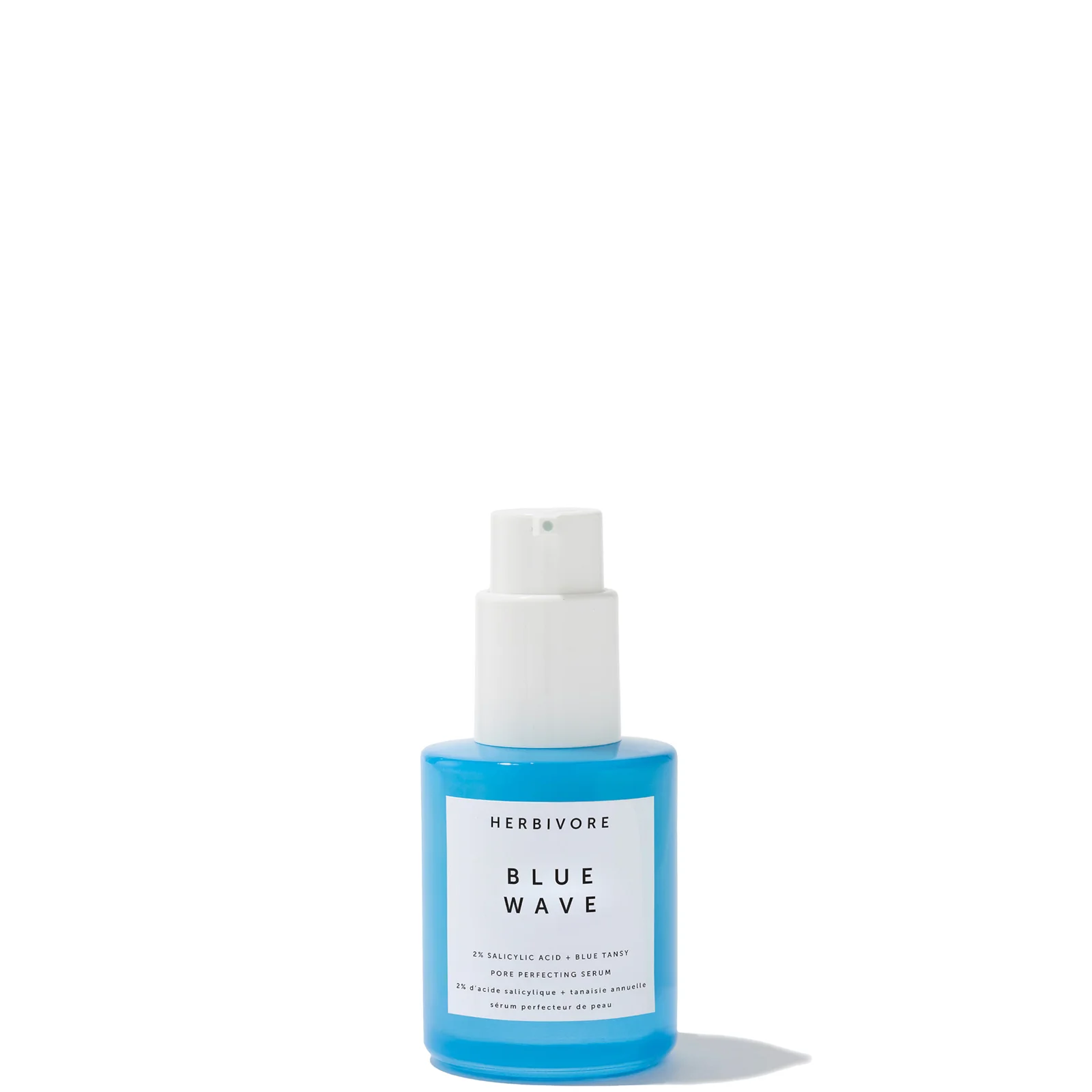
Salicylic acid (BHA) acts inside pores. It can clear blackheads and inflamed bumps, but it can also raise dryness fast if you layer it with other strong actives. In this product list, the most direct BHA option is Herbivore Botanicals Blue Wave 2% Salicylic Acid + Blue Tansy Pore Perfecting Serum (from $26.25), described as a maximum strength 2% salicylic acid acne treatment that aims to clear blemishes while avoiding barrier damage.
Soothing complexes matter when you treat acne and redness together. Several COSRX AC Collection products emphasize centella-based support, including CosRx Blemish Spot Clearing Serum (from $27.00) and CosRx Ultimate Spot Cream (from $23.00), which uses the brand’s CentellAC-Rx Complex and friendly acids to calm and target spots.
Retinoids and benzoyl peroxide come up in acne conversations, but none of the products in today’s approved list specify those actives. The safest evergreen guidance stays the same: treat them as “high irritation potential,” and keep them on separate nights from strong acids unless a dermatologist tells you otherwise.
Moisturizer strategy: “buffering” without blocking your acne treatment
Moisturizer does not cancel acne treatment. It can actually improve results by keeping the barrier intact so you can use your serum consistently.
For oily skin that still needs hydration, look at a mattifying formula like Bioderma Sébium Mat Control (from $15.82). The product description calls out mattifying powders plus zinc and vitamin B6, which fits the “shine control but not stripped” goal.
If your skin feels tight, flaky, or reactive from acne care, go for a compensating moisturizer that still suits acne-prone skin. Bioderma Sebium Hydra Moisturising Compensating Cream (from $13.80) explicitly targets moisturising and soothing while supporting acne-prone skin via the brand’s sebo-correcting Fluidactiv™ complex.
Buffering has two practical versions:
- Light buffer: serum → moisturizer, with a 1–2 minute pause in between.
- Sandwich buffer: moisturizer → serum → moisturizer. Use this when your skin burns or peels, or when you restart actives after a break.
- Spot-only buffer: serum everywhere except the irritated zones, then moisturizer, then spot cream only where needed.
- Contact-time buffer: apply serum, wait 60 seconds, then moisturize. If you still sting, shorten to 15–30 seconds.
One more nuance: a mattifying moisturizer can feel “dry” on very sensitized skin. If you run hot and humid, that might feel fine. In a dry climate or winter heating, a compensating cream often reduces the temptation to overapply spot treatments.

What to avoid mixing (and what to separate by time)
Most mix-and-match problems show up as stinging, sudden peeling, or a shiny tightness that looks like oil but feels like dehydration.
We keep the “don’t stack it” list short and practical:
- Multiple strong actives in one routine: if you use a high-strength acne serum, skip layering another aggressive treatment right after.
- Acid + acid: if you use a strong exfoliating acne serum, do not add another exfoliating acne step in the same routine.
- Too many leave-ons: serum + serum + spot cream + heavy moisturizer can trap heat and increase irritation.
- Over-spotting: covering large zones with spot cream can turn a targeted product into an all-over irritant.
- New products all at once: introduce one change, then wait a week before adding the next.
In our view, the easiest “separate by time” move involves alternating nights. Example: salicylic acid one night, a calming or oil-balancing niacinamide serum the next.
That makes the product lineup below more useful than it looks. You can rotate between Herbivore Blue Wave 2% Salicylic Acid (from $26.25) and a niacinamide option like Revolution 10% Niacinamide + 1% Zinc (from $7.00) without forcing your skin to handle both at once.
When you want a “support” serum that aims to brighten and refine while staying irritation-aware, The Nue Co Skin Filter Serum (from $45.55) positions itself as active but irritation-free and barrier-supportive. We like that positioning for people who panic-buy actives and then quit.
Step-by-step routines: oily vs sensitive (AM and PM)
Acne routines should feel boring. Consistency beats intensity.
Routine A: oily, shiny, congested (focus on pores + oil control)
AM works best when you keep it light. Use CosRx The Niacinamide 15 Serum (from $16.35) or Revolution 10% Niacinamide + 1% Zinc (from $7.00), then follow with Bioderma Sébium Mat Control (from $15.82). Give the serum a minute before moisturizer to reduce pilling.
PM can handle more treatment. Use Herbivore Blue Wave 2% Salicylic Acid (from $26.25) 2–4 nights per week, then moisturize. On off nights, return to niacinamide plus moisturizer.
For active pimples, add CosRx Ultimate Spot Cream (from $23.00) as the final step. Keep it local.
Routine B: sensitive, red, easily irritated (focus on calm + controlled treatment)
AM should aim for stable skin. Try CosRx Blemish Spot Clearing Serum (from $27.00), which the brand describes as centella-enriched for blemish-prone skin, then use Bioderma Sebium Hydra (from $13.80). If you flush easily, skip extra layers.
PM can still include salicylic acid, but treat it like a tool, not a lifestyle. Start with one night per week of Herbivore Blue Wave 2% Salicylic Acid (from $26.25), then moisturize right after 30–60 seconds. The next day, keep the routine simple.
For redness plus blemishes, a targeted cream like CosRx Centella Blemish Cream (from $24.14) can act as a calming, non-oily protective layer, based on its description. Use it as a spot step or a small-zone treatment where irritation clusters.
Spot treatments vs all-over serums: how to place product on the face
Placement often fixes irritation without changing products.
All-over serums belong to the zones where you break out repeatedly: forehead, nose, chin, cheeks, jawline. Spot creams belong to individual lesions. Mixing those two roles usually triggers overuse.
Here’s a placement method we recommend when you use both:
- Apply an all-over serum first (niacinamide or salicylic, depending on the night).
- Moisturize everywhere, including breakout zones.
- Then dab spot cream on inflamed pimples only.
- Stop at two peas of spot cream total for the whole face.
- Skip spot cream on peeling areas, even if they also break out.
CosRx Ultimate Spot Cream (from $23.00) fits the “final step” role well because the brand frames it for acne-prone skin and targeted blemish calming with its CentellAC-Rx Complex.
If you deal with post-blemish marks more than active pimples, you can shift your “spot step” toward discoloration support. Glow Hub The Scar Slayer Facial Serum (from $10.35) focuses on scarring, dark spots, and pigmentation with tranexamic acid and L-ascorbic acid (vitamin C), per the description. Use it as a targeted serum on marks, then follow with moisturizer.
Price and performance: what our tracker suggests you buy first
Acne care gets expensive fast because people duplicate functions. One pore serum leads to another. Then a brightening serum. Then a “repair” serum.
We prefer building a routine around one core acne serum plus one moisturizer that keeps you consistent. Based on the prices in this list, the value anchors look clear:
- Budget niacinamide: Revolution 10% Niacinamide + 1% Zinc (from $7.00) for oil and pore concerns.
- Budget barrier support for acne-prone skin: Bioderma Sebium Hydra (from $13.80) when treatment leaves you dry.
- Shine control moisturizer: Bioderma Sébium Mat Control (from $15.82) for daytime wear under makeup.
- Stronger exfoliating acne serum: Herbivore Blue Wave 2% Salicylic Acid (from $26.25) if blackheads and clogged pores drive your breakouts.
- Higher-priced “extra” step: The Nue Co Skin Filter Serum (from $45.55) if you want a single multitasking serum positioned as barrier-supportive.
We also see shoppers assume that higher price means “less irritating.” That does not hold up consistently across skincare categories. What does hold up: routines with fewer steps tend to last longer, which improves odds of visible results.
If you shop at Sephora or Ulta, you often see acne lines merchandised as full systems. You do not need a full system to layer safely. You need one acne serum you tolerate and one moisturizer you will use every day.
For context browsing on GlamGeek, readers often jump between skin care categories and adjacent types like Day Face Moisturisers or SPF Protection Products. Keep your treatment picks in the acne/spot category, then add other categories only when your basics feel stable.
Practical tips to reduce irritation starting tonight
Start with less. Seriously.
Use these techniques to keep acne treatment effective without triggering a flare of dryness or redness:
- Patch test on a small zone for 3 nights before full-face use.
- Pick one “treatment night” active: salicylic acid nights or niacinamide nights. Alternate instead of stacking.
- Moisturize even if you feel oily. Dehydration can increase the look of oil.
- Lower frequency before lowering strength. Using a strong serum twice a week often beats a weaker one used daily that still irritates you.
- Spot treat last with CosRx Ultimate Spot Cream (from $23.00) or calm-focused CosRx Centella Blemish Cream (from $24.14), and keep the area small.
- Watch the “tight shine” signal: when skin looks glossy but feels tight, treat it as dryness and add a compensating moisturizer.
If you want one simple pairing that suits many people, we see strong logic in: Revolution 10% Niacinamide + 1% Zinc (from $7.00) plus Bioderma Sebium Hydra (from $13.80). It covers oil signals and barrier comfort without forcing daily exfoliation.
When marks linger after breakouts, rotate in a mark-focused serum a few nights per week instead of adding more acne actives. Glow Hub The Scar Slayer Facial Serum (from $10.35) targets discoloration with tranexamic acid and vitamin C, based on the description. Moisturize after it like you would any active.
Sign-off: build your safest two-step, then expand
Safe layering stays simple: one acne serum you tolerate, one moisturizer you will not skip, and spot treatment only where it belongs.
Which problem do you want to solve first: active breakouts, oil and pores, or the marks left behind? That answer decides whether you start with salicylic acid, niacinamide, or a scar-focused serum.