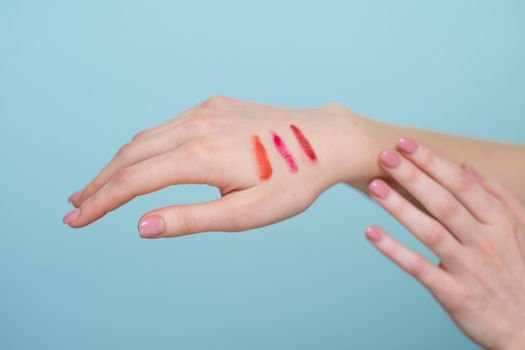
Long-wear lip stain headlines keep promising “all day” wear. Our take: most stains last through coffee, but they fall apart at the exact moment Australian women need them most.
It’s not lunch. It’s the combo of year-round UV, dry office air-con, and that sneaky SPF migration around the mouth. Stains cling to the driest bits, fade at the inner rim, then leave a ring that looks like you applied it in the car.
If you want a stain that looks intentional at 4pm, you don’t just shop differently. You apply differently.
Across our merchant feed, “lip stain” searches spike whenever US lists drop (like the recent Byrdie round-up). Then Australian shoppers hit the same wall: half the hyped launches are import-only, and the local options sit in three different categories (tint, lacquer, liquid lipstick). That confusion costs money.
So we’re committing to a practical angle: buy stains for your lip chemistry and your climate, then use a two-minute method that prevents the dreaded inner-lip fade.
One more context point that matters in Australia: lip products behave differently when you wear SPF daily. Many women apply facial sunscreen up to the lip line (as you should). That creates slip. It also breaks down film formers faster. A stain with the wrong texture will skid, then patch.
Finally, let’s talk “Australia tax”. When a viral US stain does arrive locally, the price often lands higher than the converted US MSRP. We’re not quoting numbers without today’s feed in front of us, but the pattern holds. The fix: choose formulas that already have strong local distribution (Mecca, Sephora Australia, Priceline, Adore Beauty), and only import when the shade range truly matters.
What “lip stain” even means in 2026 (and why some fail)
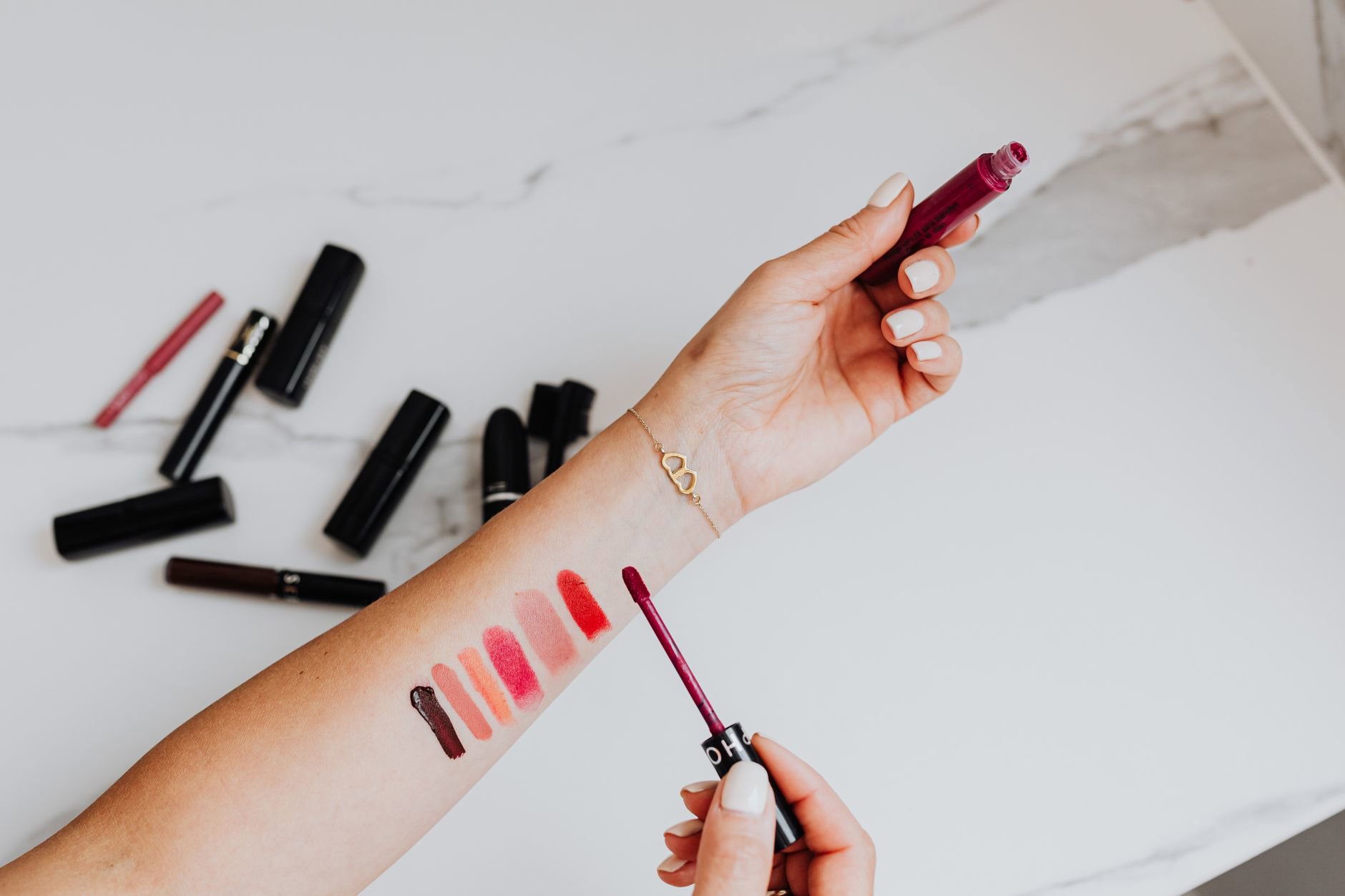
“Stain” has turned into a marketing bucket. In practice, most products called stains fall into four formula families, and each family fails in a predictable way.
1) Water tints use dyes that sink in fast. They can look fresh for an hour, then go fluorescent or patchy as your lips dry. They also punish anyone who picks or peels.
2) Gel-cream stains sit on top longer and fade more evenly. They often feel comfortable. They can still disappear at the inner rim if you don’t set the border.
3) Ink/oil hybrids start glossy, then set down. These work well in air-con because they keep flexibility. They can separate on top of balm or SPF if you don’t blot first.
4) Film-forming “tattoo” stains rely on polymers that dry into a thin layer. They deliver the longest wear. They also highlight texture, and they can feel tight by mid-afternoon.
When a headline says a stain “lasted all day,” it usually means the colour remained visible. It doesn’t always mean it stayed flattering. In our view, a wearable stain must do three things: fade evenly, survive a light meal, and reapply without pilling.
If you already love bullet lipsticks, don’t assume stains will replace them. Many women end up happier with a stain as a base, then a balm or gloss on top. We’ll show you how to do that without turning it into a slippery mess.
The GlamGeek method: a 2-minute stain routine that stops inner-lip fade
Most “all day” claims collapse because the inner rim of the lip stays damp. That area breaks pigment down first. The trick is to build a stain like you’d build long-wear foundation: thin layers, strategic setting, and controlled rehydration.
Step 1: Degrease (10 seconds). Press a tissue to your lips. If you’ve applied sunscreen up to the lip line, do one extra press. You want a dry surface, not a squeaky-clean one.
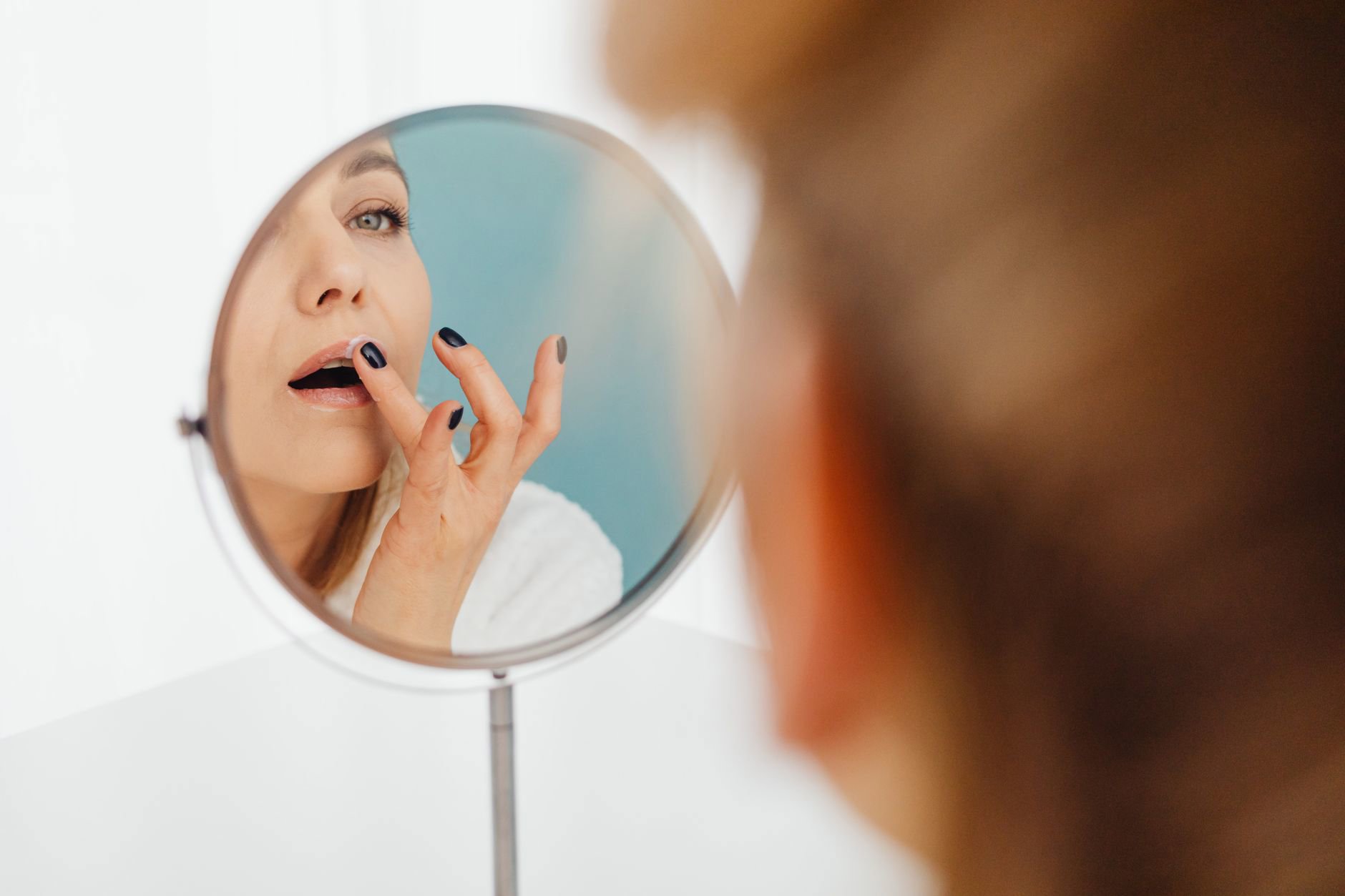
Step 2: Line the inner edge (20 seconds). Use the stain applicator to trace just inside your natural lip line, focusing on the inner corners. This is where the “ring” starts. Don’t over-apply. A thin line stains better than a puddle.
Step 3: Fill and wait (40–60 seconds). Apply a thin coat across the full lip. Keep lips apart while it sets. If you rub your lips together too soon, you pull product to the centre and create patchiness.
Step 4: Blot once, then re-coat only the centre (20 seconds). Blot gently. Then add a tiny amount to the centre of top and bottom lip. That creates a fade gradient that stays pretty.
Step 5: Add comfort without killing wear (10 seconds). Tap a Lip Balms & Creams formula only on the driest spots, not across the whole mouth. A full slick layer makes most stains slide.
This method matters more than the brand. It also makes budget stains behave like premium ones because you stop over-applying pigment where it won’t hold.
Choosing the right stain finish for Australian weather (dry, humid, and in-between)
Australia’s climate swings hard. A stain that feels fine in Melbourne winter can feel tight by 2pm in a Sydney office, and a creamy tint can melt in Darwin humidity.
Here’s how we’d match finishes to real conditions:
- Hot + humid: Choose a true set-down formula (ink or film-former). Creamy stains can migrate. Keep gloss off the centre if you sweat around the mouth.
- Hot + dry: Go for an oil-ink hybrid or a gel stain, then spot-balm. Avoid anything that dries matte in under 30 seconds.
- Air-con every day: Prioritise flexibility. Look for stains marketed as “tint oils”, “gloss stains”, or “lip lacquer stains”. They usually contain emollients that stop the tight feeling.
- Beach days: You’ll reapply SPF, so pick a stain that fades evenly and looks fine topped with balm. A high-contrast matte stain can look harsh once sunscreen hits the lip line.
Colour matters too. Bright blue-reds and hot pinks show patchiness fastest. If you’re learning stains, start with muted rose, warm berry, or soft terracotta. They fade with less drama.
Also consider your base routine. If you use rich Day Face Moisturisers and apply them over the lip line, you’ll need longer dry time before staining. If you use a matte sunscreen, stains grip faster and can go darker than expected.
What to buy in Australia: reliable stain families stocked locally
We won’t pretend every viral US pick sits on Australian shelves. Stock changes fast across Mecca and Sephora Australia, and shade availability can be brutal.
Instead, we’re focusing on stain families with consistent local distribution and predictable formula behaviour. Check current pricing in our tracker before you commit, because these items swing during retailer promos and sets season.
Sephora Australia staples: We keep seeing strong value in Sephora Collection lip launches because they tend to follow the same global trends quickly. When you want a wearable stain without luxury mark-ups, start here and shade-match in-store.
Mecca classics: Mecca’s curated brands often do “stain-adjacent” products that wear like a stain but look softer. Think lip tints and tint-balms that you can reapply without a mirror. For women who hate the tight feel of film-formers, these are usually the safer bet.
Priceline and Chemist Warehouse options: The best “drugstore stains” in Australia often hide inside long-wear liquid lipstick lines. Many of these set down and leave residual pigment even after the top layer wears off. If you already shop L'Oréal or Garnier for other categories, it’s worth scanning their lip ranges for stain-like finishes rather than searching the word “stain”.
Adore Beauty: Adore’s range often fills the gaps between US hype and local launches. If a product sits in that “K-beauty tint” zone, Adore tends to get it earlier than bricks-and-mortar.
If you’re tempted to import: only do it for a very specific shade or undertone match. For everyday wear, local availability wins because you can replace it quickly, and returns are less painful.
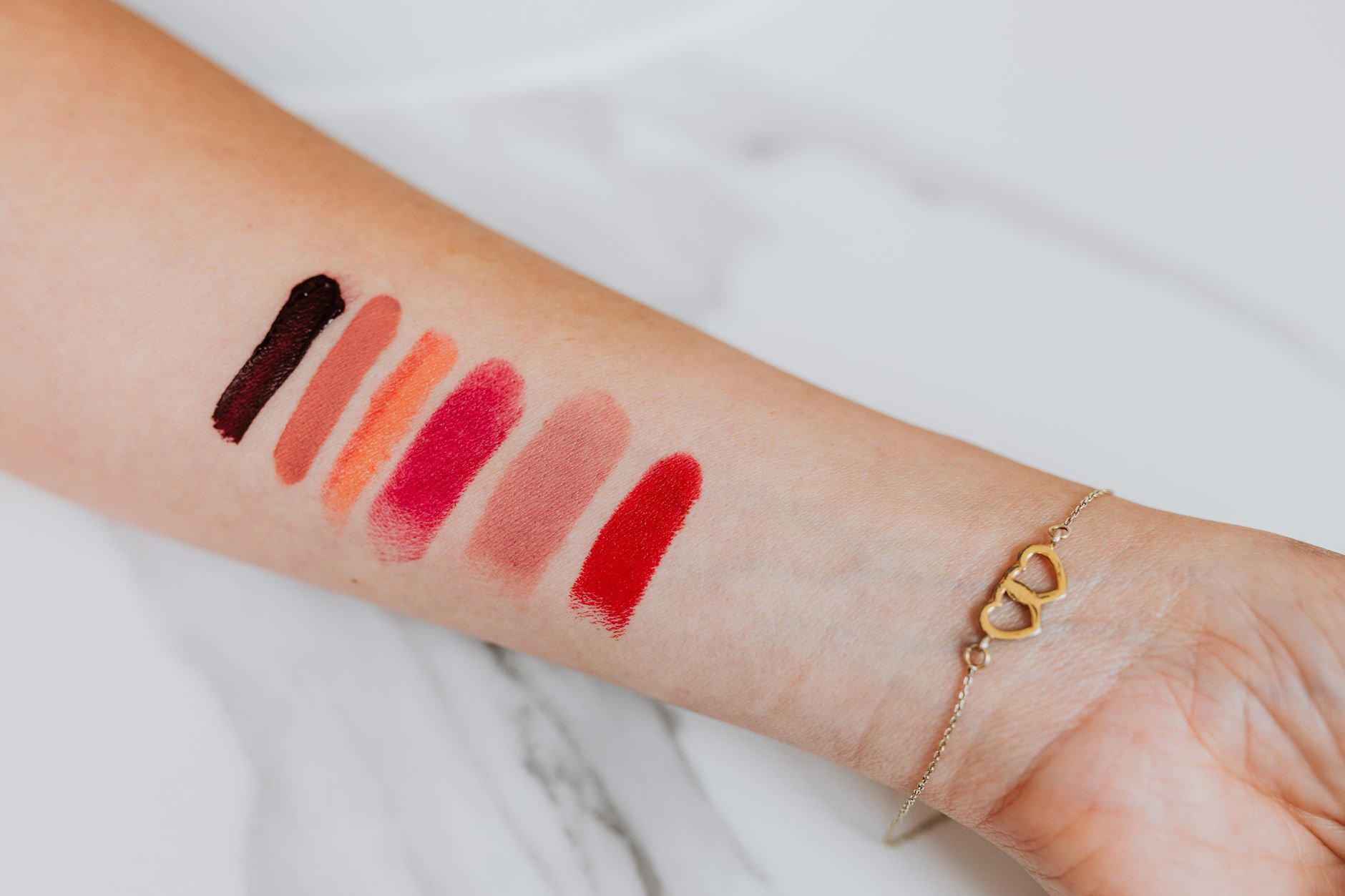
Ingredient science: film formers, dyes, and why some stains feel drying
Marketing talks about “weightless colour”. The wear comes from chemistry. When you understand the basics, you can predict whether a stain will feel comfortable.
Dyes vs pigments: True stains rely more on dyes, which penetrate the upper lip surface. They look vibrant, and they hang on after the top layer fades. The downside: dyes highlight uneven texture because they grab onto dry patches. That’s why exfoliation helps, but only if you do it gently.
Film formers: These polymers create the long-wear net that resists saliva and drinks. They also create that “tight” feeling. If you see a stain marketed as transfer-proof, it likely leans on film formers. Great for longevity, less great for comfort.
Volatile solvents: Many long-wear lip products use fast-evaporating ingredients so they dry down quickly. That quick-dry sensation often reads as dryness, even when the formula includes emollients. If your lips already run dry, you’ll prefer a slower set.
Oils and waxes: These give slip, shine, and comfort. Too much, and the stain won’t set. In humid weather, high-slip formulas move more. In dry weather, they can be the difference between “pretty fade” and “cracked outline”.
So what’s the practical takeaway? If you hate dryness, don’t chase the most transfer-proof claim. Choose a flexible stain, then use the layering method to make it last.
Fixing common stain problems: patchiness, ring lips, and crumbly reapplication
Lip stains tend to fail in the same few ways. You can solve most of them without buying a new product.
Problem: Patchy stain on first application. Cause: balm residue, or you applied too thickly. Fix: blot, apply a thinner coat, and keep lips apart until set. If you need prep, use a tiny amount of balm, wait five minutes, then blot.
Problem: Dark outline, pale centre (“ring lips”). Cause: inner rim fade plus over-lined edges. Fix: apply the strongest pigment to the centre on the second coat, not the border. If you use lip liner, keep it soft and slightly inside the edge.
Problem: Crumbling when you reapply. Cause: film former building up. Fix: don’t stack. Instead, remove the centre with micellar water on a cotton tip, then reapply only in the worn area. If you can’t remove, switch to topping with balm instead of more stain.
Problem: Stain looks too bright after setting. Cause: dyes deepen as they bind. Fix: apply, wait 30 seconds, then blot. Repeat once. Two blotted layers often look more expensive than one thick layer.
Problem: Bleeding into fine lines. Cause: very emollient stains, or moisturiser at the lip edge. Fix: keep skincare off the vermillion border, and use a tiny amount of translucent powder around the lip line (not on the lips).
If you want tools that make this easier, a small dense lip brush (sold in Makeup Brushes & Applicators) gives you control without adding more product. Control equals longevity.
Stain alternatives worth considering: when a “stain” isn’t the best answer
Some women chase stains because they want low maintenance. Ironically, the wrong stain can be higher maintenance than a classic lipstick.
If you want a defined lip that lasts, a soft-matte bullet plus a tiny bit of setting powder at the edges can outlast many stains, and it re-applies cleanly. That’s why classic lines from brands like MAC remain popular in Australia: the shades stay consistent, and you can top up without drama.
If you want a glossy look that survives coffee, consider a long-wear liquid lipstick topped with balm only in the centre. It reads like a gloss-stain effect, and it often wears longer than a true tint.
If you want the “just bitten” look, a creamy tint patted on with fingers (or a brush) gives a blurred edge that fades gracefully. You trade some wear time, but you gain a prettier fade, which matters on hot days.
And if your goal is comfort above all, a tinted balm plus frequent reapplication can be the smarter call. There’s no prize for suffering through a tight film just to avoid reapplying once.
What this means for Australian shoppers (and how to spend less)
The biggest lesson from the current wave of lip stain coverage: “lasts all day” isn’t a product category. It’s an application system plus the right formula family.
For Australian women, we’d prioritise three practical moves:
- Shop local first so you can shade-test and replace quickly. Import only for a unique undertone or shade range.
- Choose stains by finish and climate, not by hype. Humidity and air-con change how a formula sets.
- Use the two-coat blot method to stop inner-lip fade. It makes most stains look more even and more expensive.
- Don’t stack film-formers. Remove and reapply, or top with balm.
If you’re building a kit, it also helps to own two finishes: one set-down stain for sweaty days, and one flexible tint for dry days. That pairing covers most Australian conditions better than chasing one perfect unicorn product.
When you’re ready to browse, start with our makeup listings, then filter by finish and retailer. You’ll avoid the “stain vs tint vs lacquer” naming mess and spot better value when sets land.
Which lip stain problem do you want solved most: inner-lip fade, dryness, or reapplication? Tell us your climate (humid, dry, or air-con) and your preferred finish, and we’ll point you to the most sensible options stocked in Australia right now.


![Lumene Nordic-C [Valo] Glow Cream Spf30](https://media.glamgeek.com/media/2026/02/06/c0cef909-16ab-49f9-865e-278e63871493_sm.jpg)