Gel nail polish sits in the middle ground between classic nail varnish and a full salon enhancement: it gives a harder, glossier finish that can last longer, but it also demands more careful removal.
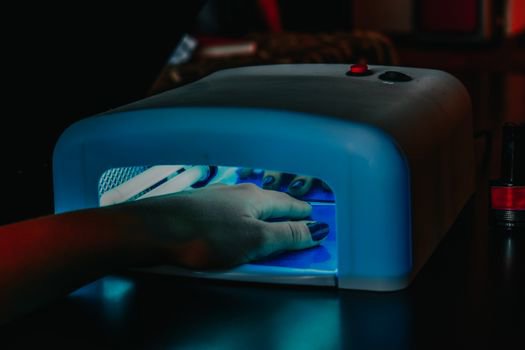
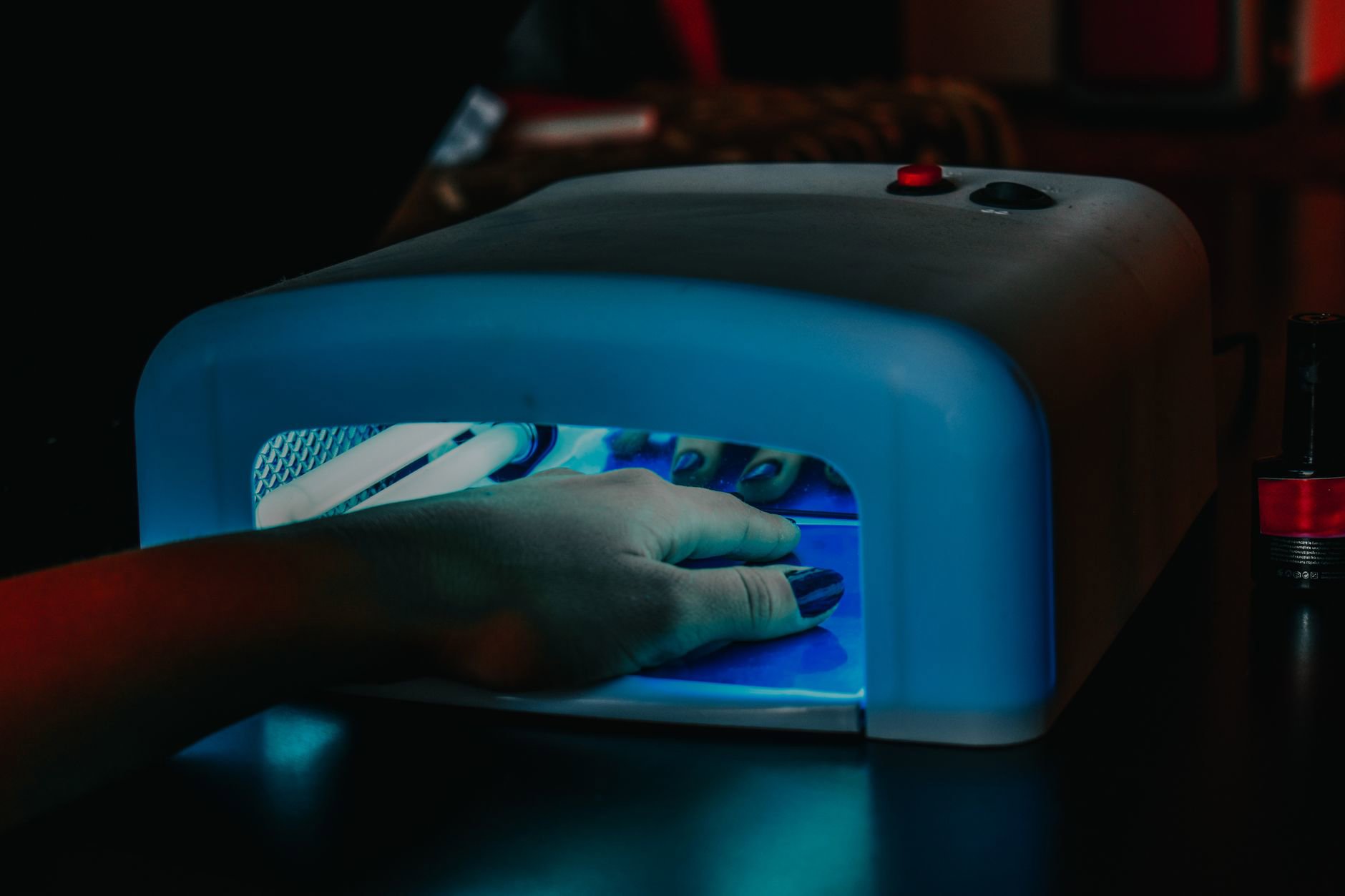
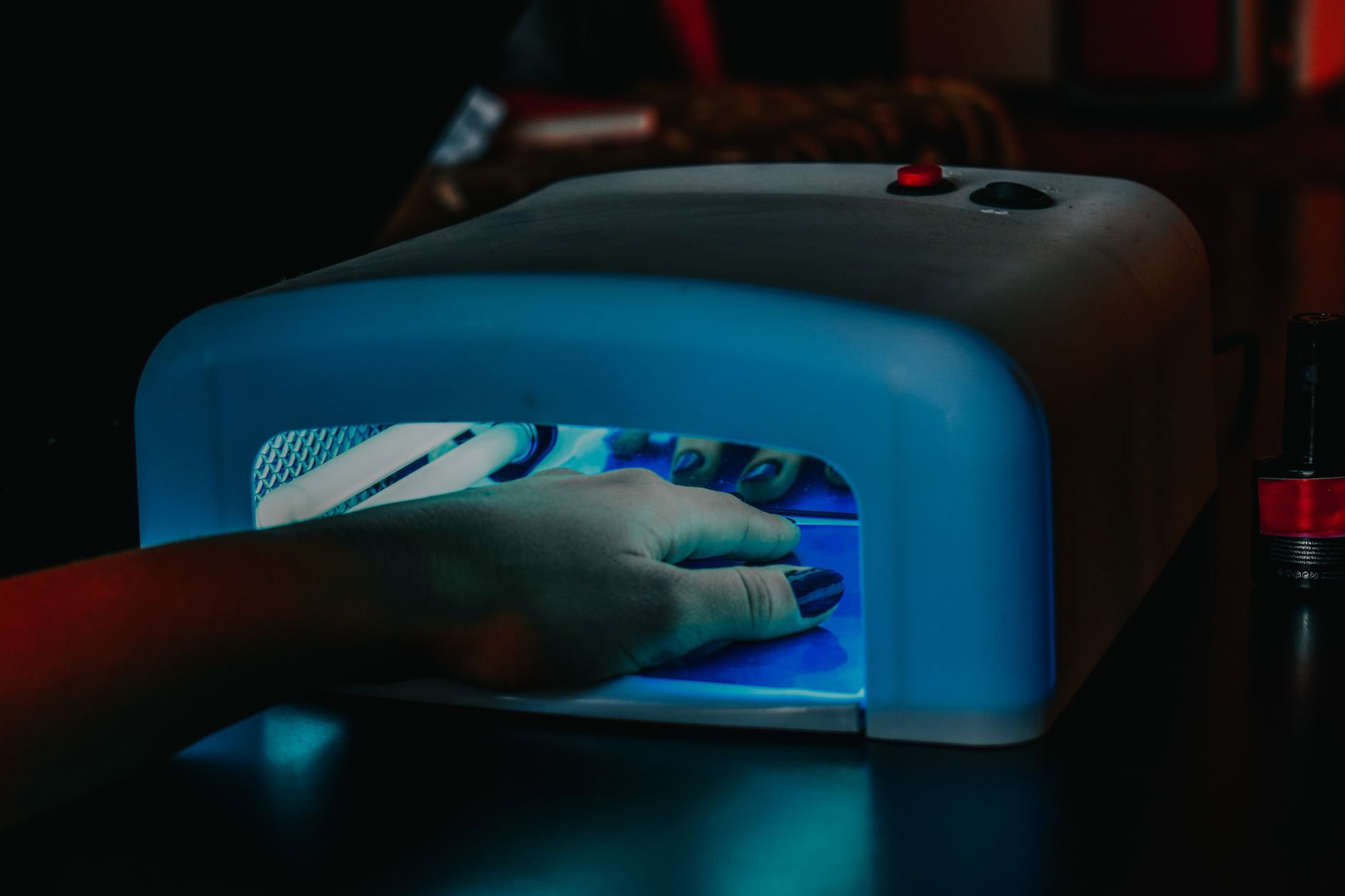
Here’s the catch. Many people call any long-wearing, shiny manicure “gel”, even when it’s just a regular polish with a glossy top look. True gel systems cure (set) under a UV/LED lamp and form a tougher film than air-dry lacquer.
If you want the look without the commitment, traditional polish still earns its place. Our price tracking across Australian retailers shows you can get a high-shine, fast-drying manicure for under A$5, or step up to salon-style pigment for around A$16—without needing a lamp.
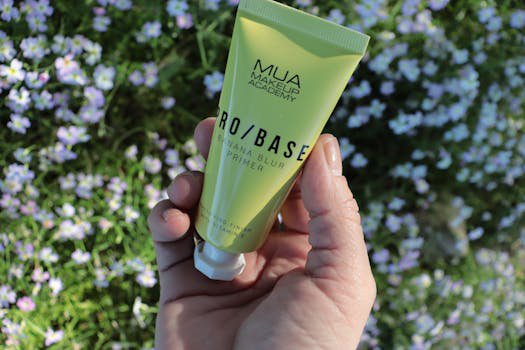
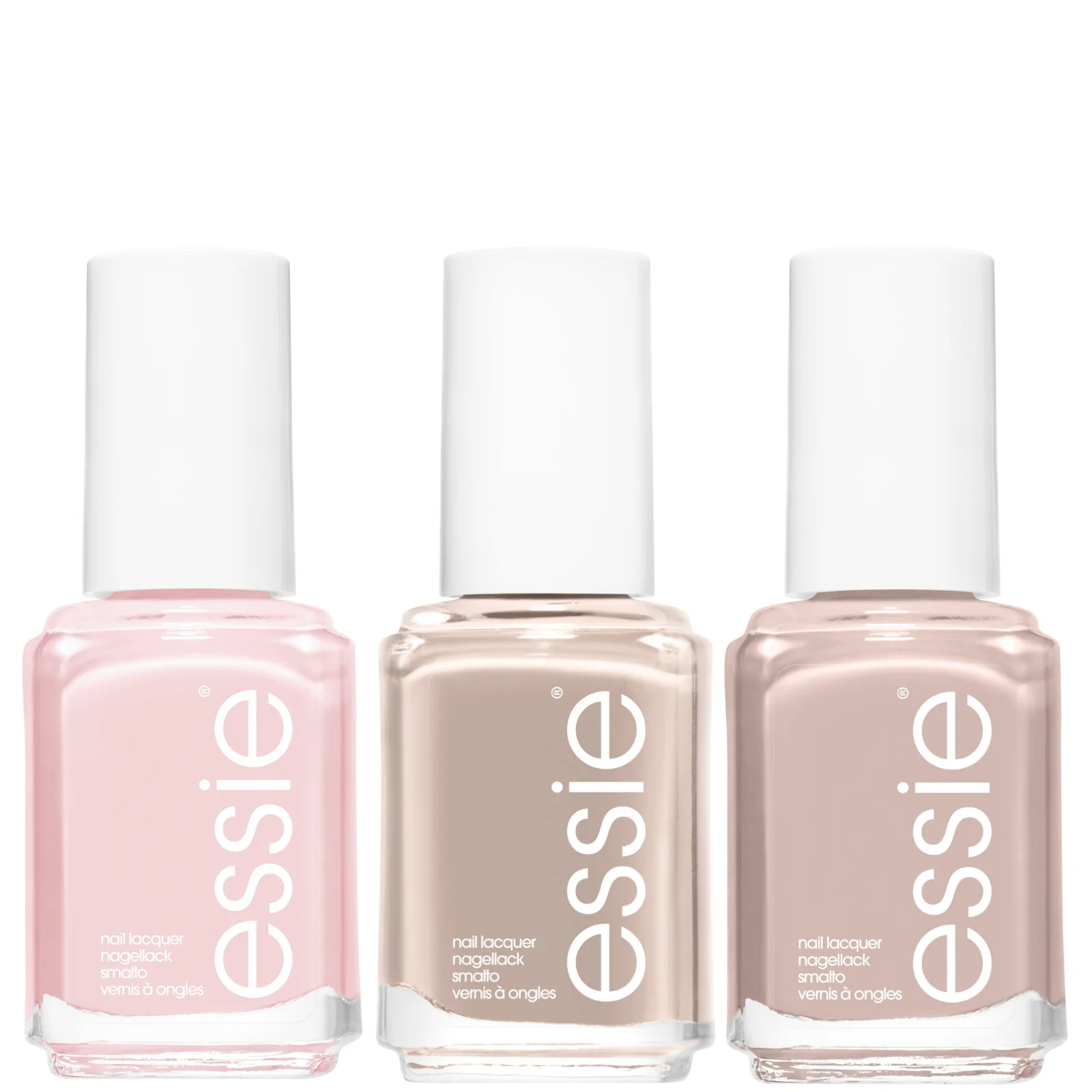
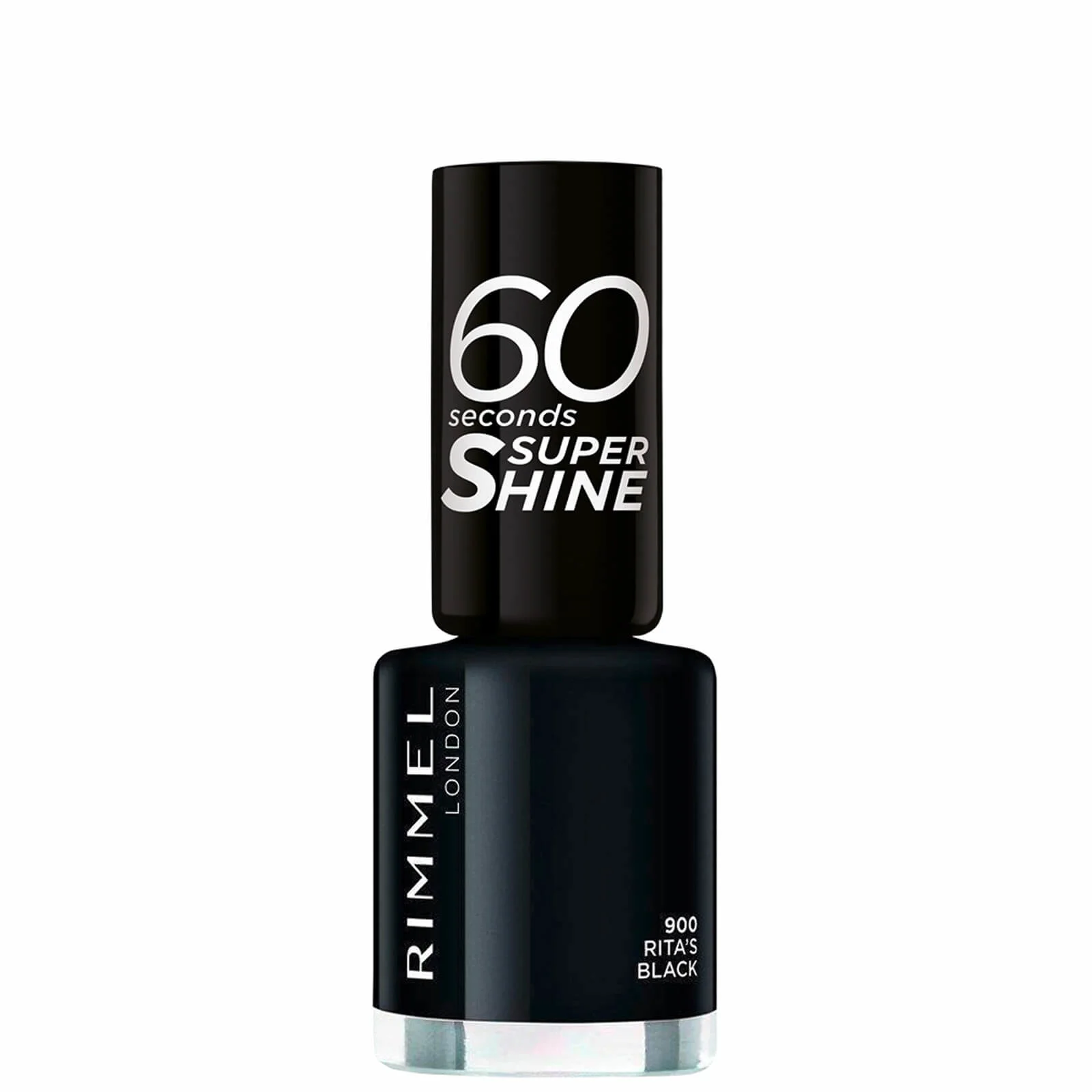
Product picks we’ll reference throughout (both are traditional nail polishes, not lamp-cured gels): Rimmel 60 Seconds Super Shine (from A$4.27) and Essie Nail Polish (from A$15.99).
What gel nail polish actually is (and what it isn’t)
True gel nail polish uses a different film-forming system than regular lacquer. Instead of drying mainly by solvent evaporation in open air, gel layers cure through a chemical reaction triggered by UV or LED light. That curing creates a tightly linked coating that resists dents and chips.
Regular nail polish (like Essie and Rimmel) uses a solvent base plus film-formers and pigments. The solvent flashes off, the film sets, and you get colour and shine. Essie calls out a crystal clear solvent base with pure micro-milled pigments and a salon-grade concentration for long-lasting colour. Rimmel’s 60 Seconds Super Shine leans into speed and convenience, with a one-minute dry-down claim and a three-in-one “base, top and colour coat” positioning for chip-resistant wear.
That difference matters because it shapes everything else: wear time, how the manicure fails (chips vs lifting), and removal. Gel tends to lift from the nail plate if prep goes wrong. Lacquer tends to chip at the free edge when it takes knocks.
One more myth to clear up. “Gel-like” shine does not equal gel chemistry. Plenty of classic polishes can look glassy, especially with careful application and thin layers.
If you’re browsing beauty categories on GlamGeek, you’ll see nail polish sitting alongside broader makeup and even non-makeup categories like skin care. Gel polish may feel like a separate world, but the decision still comes down to finish, wear, and removal risk.
Gel vs regular polish: wear time, finish, and how they fail
Most people choose gel for longevity. A properly cured gel manicure often lasts around 10–14 days with strong shine retention, while classic polish usually looks best for a few days and then starts to show tip wear. That said, “how long it lasts” depends more on lifestyle than marketing.
In Australian conditions—heat, humidity in the north, and lots of handwashing—classic polish can soften and nick faster. Gel resists that better, but only if it adheres well and you avoid picking.
Here’s the practical comparison we use when helping readers decide:
- Shine: Gel keeps a high-gloss look longer. Regular polish can match it on day one, then dulls with friction.
- Dry time: Gel cures fast under a lamp. Regular polish needs air time; Rimmel 60 Seconds Super Shine targets this pain point with a one-minute dry-down claim.
- Damage risk: Gel removal mistakes cause more nail plate damage than typical lacquer removal.
- Failure mode: Gel often lifts in sheets if it loses adhesion. Regular polish tends to chip at the tips.
- Flexibility: Regular polish wins for quick colour changes and low-commitment manicures.
Our pricing feed also shows why many people treat gel as an occasional option and keep lacquer as their baseline. A$4–A$16 for a bottle of classic polish makes experimenting easy, especially when compared with repeat salon gel appointments.
Want a “gel look” without the removal process? Start with a smooth, thin application and a high-shine formula. Essie’s formula focuses on pigment quality (micro-milled pigments) and a clear solvent base, which helps with that crisp, glossy finish.
Pros of gel nail polish (and who it suits best)
Gel polish earns its reputation for a reason: it handles real life. If you type all day, manage kids, work in hospitality, or simply hate seeing chips by day three, gel’s durability can feel worth the extra steps.
Key upsides:
- Longer wear: Often around 10–14 days when applied and cured well.
- High shine that stays: Less dulling from friction than classic lacquer.
- Smudge resistance: Once cured, it won’t dent from bedding or accidental knocks the way air-dry polish can.
- Thin but tough: Gel can feel lighter than thicker “quick fix” layers of regular polish.
Gel also suits people who struggle with patience. Air-dry manicures fail most often because someone touches something too soon. Gel removes that timing trap.
Still, we don’t treat gel as the default recommendation. For many readers, a well-chosen classic polish gives enough performance with fewer downsides. If you want a fast, low-fuss option, Rimmel 60 Seconds Super Shine targets speed and convenience. If you want a more “salon varnish” feel, Essie Nail Polish leans on pigment concentration for a richer coat.
One sentence summary.
Gel fits best when longevity matters more than flexibility.
Cons and risks: nail health, UV exposure, and removal damage
The biggest downside of gel polish rarely comes from the polish itself. It comes from removal habits. Peeling or scraping gel off takes layers of the nail plate with it, which leads to thin, bendy nails that snag and split.
Then there’s the “cycle” problem. Damaged nails feel rough, so gel seems like the fix because it creates a smooth shell. But if removal keeps going wrong, the nail never gets a break.
Common drawbacks to weigh up:
- Removal time: You trade daily chip anxiety for a longer removal session.
- Risk of thinning: Picking, over-buffing, and aggressive scraping cause the most harm.
- Dryness: Acetone-based removal can dehydrate nails and surrounding skin.
- UV/LED exposure: Gel curing uses UV/LED light. The exposure per session stays relatively low, but it still adds up if you do gels constantly.
Australian sun already hits hard year-round, so the UV conversation matters. If you do frequent gel manicures, consider a simple habit: keep sessions spaced out and avoid unnecessary “extra curing” time.
If you want a manicure you can remove quickly with minimal fuss, classic polish often wins. In our merchant data, Rimmel 60 Seconds Super Shine (from A$4.27) tends to appeal to that low-commitment crowd. It positions itself as a three-in-one colour system, which can simplify steps for casual users.
For readers who love colour variety, classic polish also pairs well with broader beauty shopping. You might be restocking Lipsticks or browsing Mascaras, and a bottle of polish slips into the cart without turning into a whole “appointment” with your nails.
How long does gel polish last? The real-world factors
Gel’s typical wear window lands around two weeks, but it rarely fails on a fixed schedule. It fails when adhesion breaks. That break happens fastest at the free edge (tips) and around the cuticle line if the polish floods the skin.
What shortens wear time: long hot showers, frequent sanitiser use, cleaning chemicals, and using nails as tools. Also, oily nail plates. If the nail surface stays oily, gel lifts sooner.
What improves wear time: thin layers, careful cuticle work, and capping the free edge. Those same habits help classic polish too, even if the wear ceiling stays lower.
Some people try to stretch gel beyond two weeks because it still looks shiny. That’s when problems start. As the nail grows, the stress point shifts and lifting becomes more likely. Lifting invites picking. Picking causes damage.
If you want a predictable schedule without a dramatic removal session, classic polish can be the calmer option. You can paint mid-week, remove on the weekend, and keep nails in good shape. For a high-shine traditional finish, Essie Nail Polish focuses on a clear solvent base and concentrated pigments, which supports an even, glossy look when you apply thin coats.
Price also shapes behaviour. When a polish costs A$4.27, people feel fine changing colour often. When a manicure costs time and removal effort, many keep it longer than they should.
Safest at-home gel removal: step-by-step (no picking)
If there’s one rule, it’s this: don’t peel gel off.
At-home removal works best when you respect chemistry and time. Gel needs a solvent (usually acetone) to break it down, and it needs that solvent held in contact long enough to soften the coating. Rushing pushes people into scraping, which causes most of the damage.
Step-by-step removal you can follow
- 1) Shorten the nails first. Less length means less leverage and less accidental lifting while you work.
- 2) Gently file the shine off the top. You only want to break the top seal so solvent can penetrate. Stop once the surface looks matte.
- 3) Protect the skin. Apply a thicker barrier around the nail (even a basic balm-like texture helps) to reduce dryness from acetone.
- 4) Soak with patience. Use acetone-soaked cotton placed directly on the nail and keep it sealed in place. Re-wet if it dries out.
- 5) Check and nudge, don’t scrape. When gel turns soft and crinkly, use gentle pressure to slide it off. If it resists, soak longer.
- 6) Light buff only if needed. Smooth rough patches with minimal pressure. Avoid thinning the nail plate.
- 7) Rehydrate. Nails and surrounding skin often feel dry after acetone. Reapply moisturising products you already own.
Two small technique tweaks make a big difference. First, keep the cotton directly on the nail surface, not floating above it. Second, don’t “test pick” while soaking. That habit turns into peeling before the gel softens.
If you remove gel often, consider alternating with classic polish weeks. Classic formulas remove quickly and let you reset. A fast-drying option like Rimmel 60 Seconds Super Shine can make those in-between weeks feel less like a downgrade.
If you’re skipping gel: getting a gel-like result with regular polish
Not everyone needs gel. Plenty of people want shine, colour, and a tidy finish—without lamp curing or a soak-off session.
Classic nail polish performance comes down to three things: thin coats, clean edges, and letting layers set. That sounds basic. It also solves most “my polish always chips” complaints.
Two traditional polishes we see consistently in Australian carts:
- Rimmel 60 Seconds Super Shine (from A$4.27): designed for speed, with a one-minute dry-down claim and a three-in-one colour technology approach.
- Essie Nail Polish (from A$15.99): a high-shine varnish from essie, using a crystal clear solvent base and micro-milled pigments for rich colour payoff.
Where to buy in Australia varies by shade and stock. Essie often appears at retailers like Priceline, MYER, and Adore Beauty, while Rimmel frequently shows up at Priceline and Chemist Warehouse. Stock moves around, so the price tracking shows when a “cheap bottle” stops being cheap due to limited availability.
One more practical advantage: classic polish works with quick outfit or event changes. You can go from sheer to bold in one evening. Gel usually asks you to commit for longer.
If you like browsing across brands while you shop, GlamGeek’s brand directory can help you jump around without losing the thread—whether you’re comparing KIKO colour cosmetics, checking MAC staples, or looking up Sephora Collection basics. Just keep your nail routine simple: polish that applies evenly and removes cleanly.
Practical tips you can use today (and what to stop doing)
Start with a reality check. If you pick at gel, gel will damage your nails. If you remove it patiently, it usually won’t.
Use these quick rules to reduce problems fast:
- Stop peeling. Even “just the corner” lifts nail layers.
- Keep layers thin. Thick product wrinkles, dents, and lifts sooner.
- Cap the tips. Run colour across the free edge to reduce tip wear.
- Clean up edges immediately. Flooded cuticles encourage lifting in gel and early chipping in lacquer.
- Plan removal time. If you can’t soak properly, choose classic polish that day.
- Rotate finishes. Alternate gel weeks with regular polish weeks to reduce repeated acetone exposure.
If you want a low-effort week, pick the polish that matches your schedule. Rimmel 60 Seconds Super Shine suits “paint and go” days. Essie Nail Polish suits days when you want a more considered, salon-style varnish look.
And if you keep getting chips with classic polish, don’t automatically jump to gel. Technique fixes more than most people expect.
Sign-off: choosing what works for your nails
Gel nail polish gives long wear and lasting shine, but it punishes rushed removal. Regular nail polish asks for a little drying time, but it keeps removal simple and low-risk.
What’s your priority right now: two-week wear, or easy removal and frequent colour changes?
If you share your typical week (hands-on job, lots of typing, frequent washing), we can point you toward the more sensible option between Rimmel 60 Seconds Super Shine and Essie Nail Polish—and the best way to apply it for your routine.
![Lumene Nordic-C [Valo] Glow Cream Spf30](https://media.glamgeek.com/media/2026/02/06/c0cef909-16ab-49f9-865e-278e63871493_sm.jpg)