Fragrance counters get bright lights and warm air. Your shelf at home often gets both. Our price tracker also flags the same thing every summer clearance: retailers clear older Eau de Toilette stock more aggressively than Eau de Parfum. That pattern points to a truth many women learn the hard way. Eau de Toilette can turn faster.
EDT isn’t fragile like milk. It doesn’t sour overnight. It does change though, and heat speeds the process. If your favourite spritz smells flat or looks darker than you remember, time and storage likely played a role. The fix rarely needs a special fridge or a science degree. Smart habits go a long way in Australian conditions.
We pulled together what lasts, what doesn’t, and how to store scent so it keeps its sparkle. No scare tactics. Just chemistry, climate, and clear signs to trust your nose.
Perfume houses build EDT for lift and freshness. That’s why many women love it for day wear and hot weather. Those bright top notes also oxidise sooner. Across our merchant feed since 2010, we see more seasonal markdowns on citrus-led EDT lines than on deeper, resinous blends. That line-up shifts again by late January as stock turns. Shelf life matters, both at home and in-store.
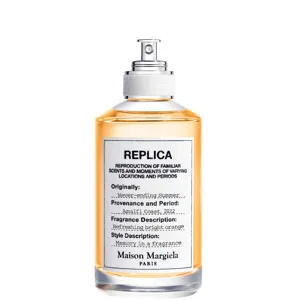
Let’s set the ground rules. Eau de Toilette typically carries 5–15% aromatic compounds in alcohol and water. Most bottles show a batch code. Many also show a “Period After Opening” icon, often 36M. That icon guides responsible use rather than a hard deadline. In practice, unopened EDT often keeps its character for three to five years in a cool, dark spot. Once you spray it, oxygen gets in. Most women get one to three good years from an opened bottle with sensible storage.
Australia adds stress. UV index runs high for long stretches. Summer indoor temps jump quickly, and a glovebox can hit 60°C in minutes. Light and heat drive oxidation and evaporation. Oxygen finishes the job. This trifecta dulls sparkle, shifts colour, and flattens sillage. You can slow it. You can’t stop it forever.
{{IMAGE:eau de toilette bottle shelf sunlight}}How long does an EDT really last?
Think in ranges, not absolutes. A fresh, citrus-heavy EDT can change in 12–24 months once opened if you leave it near light and warmth. The same bottle lasts longer if you treat it well. Heavier musks, woods, and amber notes tend to hold up. They don’t carry the same fragile terpenes you find in bergamot and lemon. So composition matters as much as time.
Unopened bottles do best in a stable, dim cupboard. Most EDT holds for three to five years there. That range Narrow if the bottle sits under shop lights for months or ships through hot conditions. You can’t see that history when you buy from a clearance bin. That’s why we nudge readers to check batch codes and to compare options through our listings. We track stock across Mecca, Sephora Australia, MYER, Adore Beauty, Priceline, and Chemist Warehouse. You can add an EDT you love to your GlamGeek wishlist and we’ll ping you when fresh stock drops in price.
Opened bottles follow a faster clock. Air enters the headspace with each spray. More air equals more oxidation surface. Large 100 ml bottles take longer to finish and age faster once you cross the halfway mark. Rotate smaller sizes or decant a portion for frequent use. Keep the main bottle sealed and boxed. That habit often doubles the “fresh” window.
Formula design also plays a role. Some brands build stabilisers into bright EDT lines. Others lean on naturals for beauty, not stability. For example, many in the Guerlain Aqua Allegoria family sparkle on first spray but soften sooner if you leave them in the sun. Meanwhile, a musk-forward classic like The Body Shop White Musk Eau de Toilette often holds its shape longer. Use the scent profile as a clue, not a rule.
The tell‑tale signs your EDT has turned
Your nose calls it first. If the first 30 seconds feel dull, oily, or sour, the top accord has oxidised. Fresh citrus often loses its snap and smells candied or pithy. Aromatic herbs can drift toward camphor or furniture-polish vibes. If the scent skips straight to base notes, your EDT likely lost its volatile top layer to air and heat.
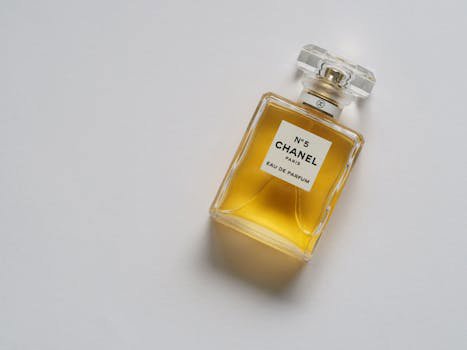
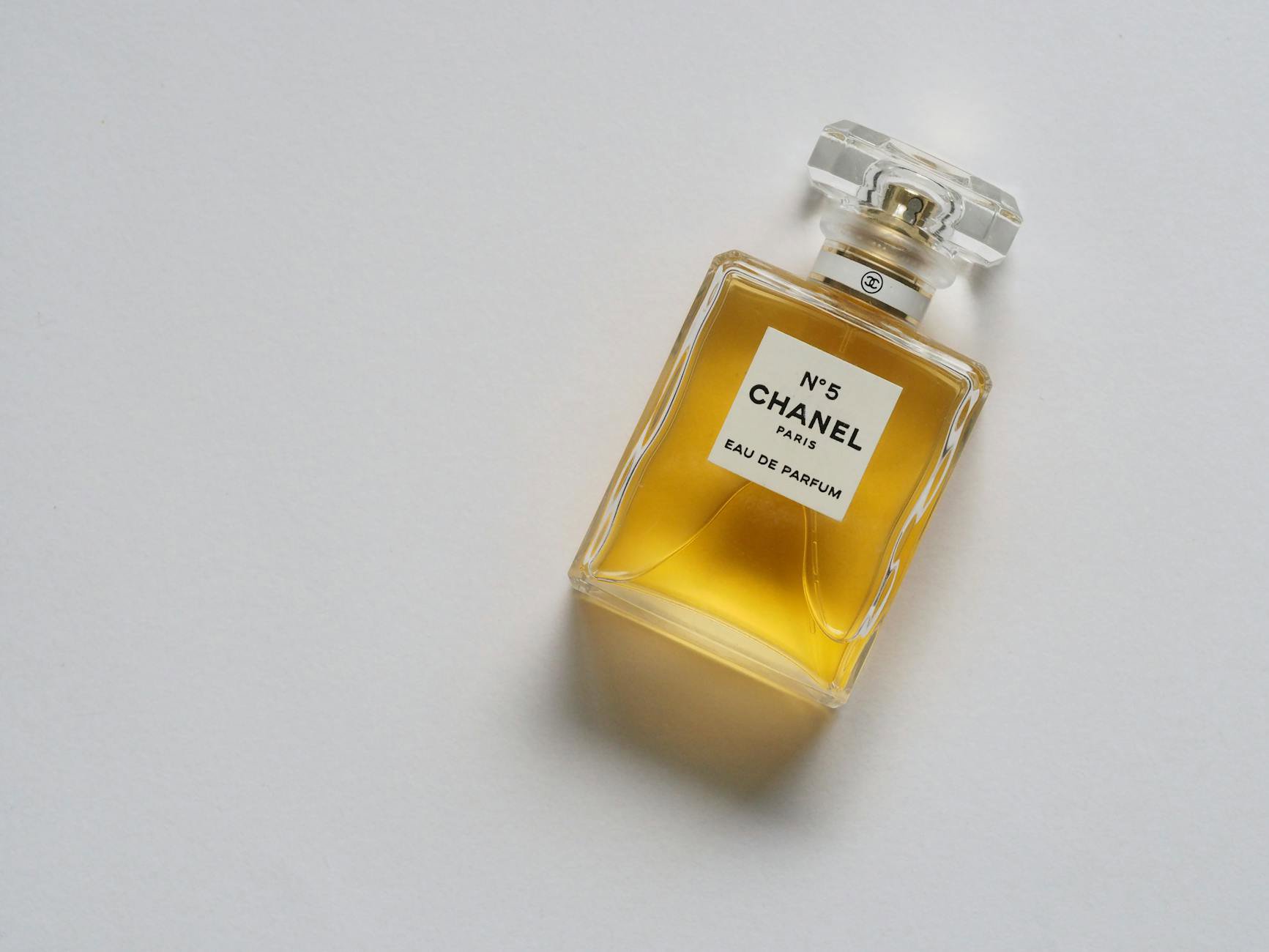
Colour helps too. Many clear EDTs pick up a yellow or amber tint over time. That shift alone doesn’t mean it smells bad. It does signal oxidation. Compare to a fresh tester or to online photos of new stock if you can. Thick sediment or cloudiness points to a bigger change. That can suggest polymerisation of aromatics or contamination. Time to retire it.
Watch the sprayer. A sticky, crusted nozzle invites oxygen and microbes. A weak spray suggests clogging or propellant issues in pressurised bottles. Clean the nozzle with a tissue lightly dampened with alcohol and let it dry. If the scent still smells “off,” cleaning won’t fix chemistry. Don’t push it on skin if you feel stinging, redness, or itch. Oxidation by‑products can trigger sensitivity even if a bottle once felt gentle.
Longevity on skin also tells a story. If your EDT once gave you four hours of lift and now settles in one, the volatile top and heart likely faded. You can confirm on a paper blotter. Spray once, let it dry, and check it over a day. If nothing lingers past an hour, you have a tired formula or a tired bottle.
Why heat, light and oxygen spoil perfume faster
EDT lives in alcohol, which protects it. Alcohol also evaporates and carries scent on the air. Heat speeds both processes. Warmth pushes volatile top notes off faster. Oxygen then oxidises leftover molecules in the bottle. Light adds energy and triggers more reactions. That trio reshapes the balance a perfumer built.
Citrus oils contain limonene and other terpenes that oxidise to form aldehydes and acids. Those smell waxy or sour instead of juicy. Linalool and linalyl acetate, common in lavender and bergamot, also oxidise. You’ll often smell a woody, sharp twist when they do. Natural materials bring beauty and nuance. They also vary by harvest and carry more reactive traces. Synthetic musks and ambers tend to resist change better. So a musky EDT usually tolerates more heat and time than a zesty cologne‑style blend.
Oxygen also changes the colour of aromatic compounds. That’s why many bottles darken. A darker bottle can still smell fine, but the odds drop as time and warmth stack up. UV exposure makes this worse. Storefronts bathe testers in hot light all day. Your bathroom mirror shelf can mimic that. Move your bottle one metre away and you cut the heat load fast.
The fix follows the cause. Reduce light. Reduce heat. Reduce air exchange. Those three moves slow the curve that leads to flat, sour, or powdery‑too‑soon drydowns.
Storage that actually works in Australian conditions
Set a cool, dark home for your scent. A closed bedroom cupboard works. An internal hallway cabinet works. Keep bottles in their boxes for extra protection. Avoid bathroom shelves. Steam swings temperature and humidity every day. That invites condensation and changes pressure inside atomisers.
Keep bottles upright and capped. Wipe the sprayer after use. If you love one EDT in hot months, decant 10–15 ml into a small atomiser for daily use. Top it up monthly. That move keeps the main bottle full and limits air in the headspace. Choose opaque or UV‑coated atomisers. Label with the fragrance name and the month you decanted.
Fridge storage divides opinion. A kitchen fridge stays cool but swings humidity with door openings. Scent still does fine if you keep the bottle sealed and boxed in an airtight pouch. A wine fridge set around 12–18°C with stable humidity works even better. Never freeze fragrance. Ice crystals can stress seals and change the emulsion.
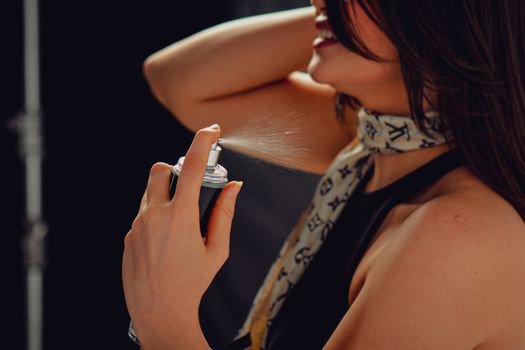
Never leave bottles in cars, on sunny dressers, or on windowsills. Australian sun cooks. Upholstery hits 60°C fast in summer. That heat blasts top notes in weeks, not years. Transport bottles in a small pouch inside your handbag, away from direct sun. If you wear high SPF daily, apply it first, let it set, and spray your EDT on hair, clothing, or a scarf to sidestep any skin‑SPF interaction. You can explore high‑protection formulas in our SPF Protection Products section and build a morning rhythm that respects both skin and scent.
{{IMAGE:woman storing perfume in cupboard}}Buying fresh: batch codes, stock rotation, and smart sizes
You can stack the deck before you even open a box. Check batch codes. Many houses print a short code on the base or shoulder. Online batch tools can estimate production dates. Ask a sales assistant for a box from the drawer rather than the tester pile under lights. Pick bottles that ship direct from climate‑controlled warehouses when you buy online.
Size matters. If you rotate a few scents, buy 30–50 ml for EDT. You stand a better chance of finishing a smaller bottle within its peak window. If you commit to one daily EDT, a 100 ml bottle makes sense. Decant the last third to keep oxygen exposure low in the main bottle.
Composition clues help here as well. Zesty and green EDTs show time fastest. Lancôme’s Ô de Lancôme Eau de Toilette sits in that sunny, lemon‑leaf space. So does much of Guerlain’s Aqua Allegoria line, such as Mandarine Basilic. These sparkle in year one and year two with good storage. They often soften by year three if you leave them warm. Musky or chypre‑leaning EDTs hold shape longer. Sisley Sisley Eau de Campagne has a green snap yet leans on sturdy mossy facets. Shalimar Eau de Toilette by Guerlain carries a bright top but draws power from a strong vanilla‑amber base, which ages more gracefully.
High‑street favourites can serve you well too. The Body Shop’s White Musk Eau de Toilette stays popular for a reason. Its soft, clean musk base keeps its character with basic care. MAC MAC Turquatic wears airy and aquatic. It rewards cool storage because its delicate top fades if you leave it hot. When you browse options in our Eau de Toilette Perfumes listings, add finalists to your wishlist. We’ll alert you when fresh stock lands or when our retail partners run a short markdown. We track prices across major Australian retailers so you don’t have to refresh six tabs.
Everyday habits that keep your bottle fresher
Spray, then cap the bottle straight away. Don’t audition your scent with the cap off while you chat. Air races in when you leave it open. Shorten that window and you slow oxidation.
Store bottles in original boxes. Cardboard blocks light and buffers temperature swings. If boxes take space, line a drawer and lay bottles side by side with labels up so you can spot them fast. Avoid stacking heavy bottles on their sides. Friction can wear labels and stress atomiser seals.
Use clean skin or fabric. Body oils, hand cream, and SPF can change how scent develops on skin. Apply skincare first. Let it set. Then spray EDT on pulse points or on a scarf. Rotate fabrics and wash them. EDT can stain silk if it carries natural colour, so spray from a distance. If you dress for the heat and reapply at lunch, carry a small atomiser, not the full bottle. Refilling a travel atomiser monthly also keeps the juice in your main bottle fresher.
Clean the sprayer. Wipe the nozzle weekly with a tissue. If it sticks, a cotton bud with a touch of alcohol helps. Let it dry before capping. You keep the mechanism tidy and reduce crust that can trap odour.
Testing freshness without a lab
You don’t need chromatography. A paper test works. Spray a white card or blotter once. Note the time. Smell at one minute, 30 minutes, two hours, and four hours. Fresh EDT announces itself up top, moves to the heart by 30 minutes, and leaves a faint base hours later. A tired bottle limps in at one minute and can feel muddled at 30 minutes.
Check colour on white paper. Spray a small dot on the corner. Let it dry. If the dot leaves a yellow ring you never saw before, your bottle likely oxidised. Some vintage bottles darken and still smell beautiful, but that often comes with deeper formulas, not bright EDTs.
Compare to a mini or a sample. If you own a recent sample of the same fragrance, spray it beside your bottle. The difference jumps out fast. If you don’t, smell a fresh tester in-store for reference. Many counters carry both EDT and EDP. If you realise you now want a richer, longer‑wear version, you can browse the Eau de Parfum Perfumes category and weigh trade‑offs in strength and shelf life.
Watch your skin. If a trusted EDT now prickles or reddens, stop. Oxidation can form aldehydes and acids that irritate. Do a forearm patch test before a full wear. When in doubt, keep it for scenting fabrics rather than skin.
When to retire, repurpose, or recycle a bottle
Retire a bottle if it smells sour, metallic, or stale on first spray and stays that way. Also retire it if the liquid looks cloudy or if particles float. Keep bottles that smell fine but look darker if you still enjoy them. You control that call.
Repurpose gently. You can scent a drawer liner by spraying tissue, letting it dry, and placing it between clothing layers. You can freshen shoe boxes or luggage with a light mist on paper. Avoid using turned fragrance on skin. Keep sprays away from candles and heat. EDT is flammable.
Recycle the glass when you finish it. Many Australian councils accept empty glass bottles in kerbside recycling if you remove the pump. Some stores run return programs or take empty atomisers for responsible disposal. Don’t pour fragrance down the sink. If you need to dispose of liquid, check your council’s advice for small amounts of household chemicals.
We see occasional scarcity on discontinued EDTs in our listings. If you love a soon‑to‑retire bottle, set a GlamGeek price alert and consider a backup. Store the spare sealed, boxed, and cool. Open only when you finish the first one. That stagger keeps at least one bottle in a fresher window.
Real‑world picks and how they age
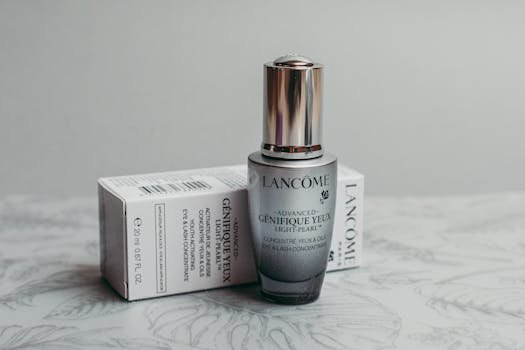
Ô de Lancôme by Lancôme brings green citrus lift and a crisp floral heart. Expect joy in spring and high‑heat days. Keep it boxed and cool, and it holds well for a couple of years after opening. Leave it warm and the lemony snap goes soft sooner.
Guerlain’s Aqua Allegoria range thrills with fruit, herbs, and light florals. These wear beautifully but lean on fresh top notes. We rate them for year‑one sparkle. We also suggest strict storage. Avoid light. Consider a 75 ml or smaller size if you rotate scents. Shop the brand hub at Guerlain on GlamGeek for current launches and set an alert. Our tracker often sees short promotions when new flankers arrive.
The Body Shop White Musk Eau de Toilette stays a steady crowd‑pleaser. Musks anchor the blend, so it shrugs off moderate heat better than a citrus cologne. Spray on fabric for gentle throw that lasts. If you want a breezier sea breeze vibe, MAC MAC Turquatic reads fresh and sheer. It rewards a cool cupboard because its airy top thins if it sits in the sun.
Prefer a green‑chypre tilt? Sisley Sisley Eau de Campagne adds polish to a white‑shirt day. It balances a lively top with grounded moss and woods. That base slows the visible ageing curve. Keep it boxed and you get steady wear for seasons.
If you love heritage, Shalimar Eau de Toilette by Guerlain shows why good structure ages with grace. The bergamot top still needs shelter. The vanilla‑amber‑leather base holds court and carries the scent even as the top softens. If you prefer deeper wear and don’t mind a stronger opening, explore parallels in our Eau de Parfum Perfumes listings.
What this means
Eau de Toilette does expire in the real sense. It won’t harm you on day one past a date, but it will lose the balance and lift you paid for. Heat, light, and air speed that slide. Australia brings more of all three. Good storage slows the change and keeps your favourites lively for longer.
Buy smart. Choose bottle sizes you can finish. Check batch codes. Ask for stock from drawers, not displays. Store smart. Keep bottles boxed, cool, and upright. Decant for daily use. Clean the sprayer. Test with your nose rather than a printed date. If a bottle turns, retire it, repurpose it for fabric, or recycle the glass. We keep our price comparison tight so you can focus on the fun part: finding an EDT you love, then keeping it fresh. Add contenders in our Eau de Toilette Perfumes category to your wishlist and you’ll get a heads‑up when a trusted Australian retailer runs a promo or restock.
Tell us what you’ve seen
Have you noticed certain EDTs fading faster in the heat? Which storage spots work best in your home? Share your tips and your wins. Add your favourites to your GlamGeek wishlist, compare stock across Aussie retailers, and tell us which bottles held their sparkle the longest.